Picking the right Brick Kiln Machine is super important if you’re in the brick-making game. I mean, John Smith from BrickTech Solutions puts it simply: "A good quality brick kiln can totally change how efficient your production is." That kind of advice really hits home — you gotta go for reliable equipment.
When you choose a dependable Brick Kiln Machine, you're not just making bricks — you're making better ones. Plus, an efficient machine doesn’t just save energy; it also cuts down on waste, which is a big deal in today’s cutthroat market. Investing in the right tech can seriously boost your output and help keep costs in check.
But here’s the thing — don’t just go for the shiny new machine without thinking it through. Different setups have different performance levels and life spans. Some might forget to consider maintenance costs or the quality of raw materials needed, and that can end up biting you in the long run. So yeah, it’s super important to do your homework and talk to the experts — after all, this kind of stuff affects your success down the line.
Understanding Brick Kiln Machines and Their Importance
Brick kiln machines play a vital role in the construction industry. These machines are essential for producing high-quality bricks. The quality of the bricks impacts construction durability and energy efficiency. In 2021, the global brick manufacturing market was valued at over $200 billion, showing significant growth potential. As demand rises, the need for advanced technologies like the Clay Brick Kiln Machine becomes evident.
The importance of reliable brick kiln machines cannot be overstated. They ensure consistent production and lower energy consumption. A report by the International Energy Agency highlighted that traditional kilns waste up to 40% of energy. This inefficiency represents a missed opportunity for savings and reduced carbon emissions. Investing in a modern Clay Brick Kiln Machine can enhance production efficiency while addressing environmental concerns.
While the benefits are clear, challenges exist. Many businesses struggle with initial investment costs and maintenance. Balancing quality and cost-effectiveness is crucial. Additionally, understanding the technology requires skilled labor. As the industry evolves, continuous learning becomes essential for maximizing the machine's capabilities. In striving for excellence, businesses must remain adaptable and informed.
Key Features of High-Quality Brick Kiln Machines
Choosing the best brick kiln machine is crucial for any brick manufacturing business. High-quality machines offer specific features that enhance efficiency and reliability. One key feature is improved insulation technology. Efficient insulation can reduce energy consumption by up to 30%. This reduction not only lowers operational costs but also supports environmental sustainability.
Another significant feature to consider is automated control systems. Modern kilns equipped with advanced automation can achieve precise temperature control. Studies indicate that optimal temperature management leads to better brick quality, with strength improvements of up to 15%. Moreover, these systems help minimize human error, increasing consistency in production.
Safety is an often-overlooked feature. High-quality machines incorporate safety mechanisms to protect operators from accidents. Regular inspections and maintenance are still necessary, but reliable safety features reduce risks considerably. Investing in a machine with robust safety attributes shows a commitment to worker welfare. Every business should evaluate these features carefully. They play a crucial role in the long-term viability and growth of your brick manufacturing operation.
Comparison of Key Features in Brick Kiln Machines
Benefits of Investing in the Best Brick Kiln Machine
Investing in the best brick kiln machine can significantly boost your business. Quality machines ensure efficient production, reducing operational costs. A reliable kiln maintains consistent temperature control. This leads to higher-quality bricks. Improved brick quality can open up new markets. Customers prefer durability, and a top-notch kiln delivers just that.
Moreover, advanced features enhance safety and reduce environmental impact. Modern kilns are designed to lower emissions. This aligns with eco-friendly practices. Investing in the right equipment reflects a commitment to sustainable development. Business owners often overlook this aspect. However, the long-term benefits can be substantial.
While the initial cost may seem high, consider the savings over time. Efficient kilns use less fuel and maintain better energy efficiency. This results in lower utility bills. Some businesses may hesitate to invest upfront. Yet, when properly maintained, premium kilns have longer life spans. They require less frequent replacements, offering better returns in the long run.
Comparative Analysis: Manual vs. Automatic Brick Kiln Machines
When considering brick kiln machines, the choice between manual and automatic systems is crucial.
Manual brick kiln machines require significant labor input. Workers need to manage temperature and airflow. This can lead to inconsistencies in brick quality. Often, labor costs and training add to the complications. Over time, these factors can hinder production efficiency.
Automatic systems, like the
Auto Clay Brick Kiln Machine,
offer advanced technology for better control. They reduce human error and provide uniform heating. This can improve output and quality dramatically. However, the initial investment is higher. Some may find the complexity of operation a barrier. Regular maintenance and training are essential to maximize benefits.
Understanding production needs is vital. A manual system may be suitable for smaller operations, offering flexibility and lower costs. In contrast, an automatic kiln is beneficial for large-scale production. Evaluating your workforce and production goals can clarify which option to pursue. The decision should reflect both immediate needs and long-term growth objectives.
Factors to Consider When Selecting a Brick Kiln Machine
Selecting the right brick kiln machine is pivotal for optimizing production and ensuring efficiency. One significant factor to evaluate is the machine's fuel type. According to the Market Research Report, around 70% of brick manufacturers prefer coal, while only 20% opt for gas. Each fuel type comes with distinct costs and environmental impacts. Manufacturers should weigh these aspects carefully to align with their sustainability goals.
Another critical consideration is the kiln's production capacity. Industry studies indicate that advanced kilns can produce up to 500,000 bricks per month. This output is crucial for meeting growing demand in construction. A lower capacity machine might save on initial capital but can limit growth potential. Future business expansion must be factored into this decision.
Durability and maintenance requirements are also essential. Machines that use high-quality materials tend to have longer lifespans. Reports show that poorly maintained machines can lead to production downtimes of 15% or more. Business owners should consider not just the cost of the machine but also its long-term reliability. Prioritizing these factors can lead to a more informed choice and better investment returns.
Maintenance and Longevity of Brick Kiln Machines
Proper maintenance is crucial for the longevity of brick Kiln Machines. Regular inspections and servicing can prevent costly breakdowns. Studies show that companies that conduct routine maintenance have a 30% lower risk of unexpected failures. This highlights the essential need for businesses to prioritize the health of their kiln machines.
Investing in the right kiln machine can yield substantial returns. An efficient brick kiln machine can significantly reduce energy consumption. According to industry reports, energy-efficient models can save up to 20% in operational costs. However, many operators overlook maintenance. Neglect can lead to decreased efficiency and increased emissions, which compromises both profit margins and environmental standards.
Daily checks of critical components can extend the lifespan of your kiln machine. Learning to spot minor issues early is vital. Experts suggest that the average lifespan of a well-maintained kiln is around 15-20 years. However, without consistent care, this can be reduced by nearly half. It's a stark reminder of how neglect can impact performance and profitability.
Case Studies: Successful Businesses Using Advanced Kiln Technology
In recent years, many businesses have harnessed the benefits of advanced kiln technology. One notable case involves a ceramic manufacturer that faced challenges with product consistency and energy efficiency. By investing in a modern Kiln Dry Machine, they not only streamlined their production process but also improved the quality of their finished goods. This shift allowed them to reduce waste significantly, leading to a more sustainable operation. The shift to advanced technology is not just about efficiency; it's about the long-term viability of their product lines.
Another example comes from the brick-making industry, where a company adopted a state-of-the-art Kiln Dry Machine to tackle high fuel costs. Initially, the transition was rocky, with unexpected learning curves and minor setbacks. However, as time progressed, they optimized their operations and noticed a remarkable drop in energy consumption. Their bricks gained better durability, and they could meet increased market demands with ease. The investment in a Kiln Dry Machine ultimately proved invaluable, even if the process required careful reflection and adjustment along the way.
Innovative Kiln Solutions: Enhancing Clay Product Quality with China Suppliers' Natural Gas and Heavy Oil Technology
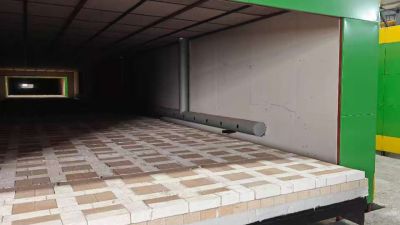
The innovative use of natural gas and heavy oil in kiln technology is revolutionizing the production of clay products in China. Tunnel kilns, at the forefront of this advancement, offer an efficient and continuous firing system essential for modern brick and clay product manufacturing. These kilns facilitate the smooth transport of products along a long horizontal tunnel, where precise firing occurs in the central section. This method not only enhances efficiency but also ensures that a wide range of clay products can be fired simultaneously, catering to diverse manufacturing needs.
The benefits of tunnel kilns are manifold. One of the standout features is their ability to maintain strict control over the firing process, which directly influences the quality of the final products. This precision leads to enhanced consistency and superior quality in the finished clay items, which is crucial in meeting today's market demands. With numerous suppliers and manufacturers across China specializing in this technology, the country has solidified its position as a leader in the brick-making industry. By leveraging the expertise of these local suppliers, businesses can adopt cutting-edge kiln solutions that not only improve product quality but also optimize production efficiency.
FAQS
: Manual machines require more labor and can result in inconsistent brick quality. Automatic systems enhance consistency and output.
Managing temperature and airflow manually often leads to inefficiencies. Labor costs and training complications can hinder production.
Although higher initial costs are involved, they significantly reduce human error and improve heating uniformity and quality.
Fuel type affects costs and environmental impact. Many manufacturers prefer coal; others choose gas for potential sustainability.
Higher-capacity kilns meet growing construction demands. Lower-capacity machines may limit future growth, impacting long-term strategy.
High-quality materials enhance durability. Poor maintenance can cause significant downtimes, affecting production efficiency over time.
Yes, manual systems offer flexibility and lower costs for smaller enterprises but may limit long-term scalability.
Understanding your workforce helps determine whether a manual or automatic system aligns better with your production goals.
Yes, regular training is essential to operate automatic systems effectively and maximize their benefits.
Consider both immediate production needs and your long-term growth objectives to select the most beneficial kiln type.
Conclusion
The article "Why Choose the Best Brick Kiln Machine for Your Business?" delves into the significance of Brick Kiln Machines in the manufacturing industry. It emphasizes the essential features that high-quality machines should possess, such as efficiency, durability, and advanced control systems. Additionally, the article illustrates the benefits of investing in top-tier Brick Kiln Machines, including improved productivity and reduced operational costs.
A comparative analysis of manual versus automatic Brick Kiln Machines highlights the advantages of automation in enhancing production efficiencies. Considerations for selecting the right machine, such as production capacity and energy consumption, are also discussed. The piece concludes by addressing maintenance practices to ensure longevity and operational excellence, supplemented by case studies of businesses thriving with advanced kiln technology, showcasing the transformative impact of the right Brick Kiln Machine on their operations.