In the world of industrial machinery, the Kiln Dry Machine really stands out as a must-have for suppliers around the globe. You know, companies like Hongyu Kiln and Jinan Sunshine have made quite a name for themselves here because they’re experts at crafting efficient kiln drying solutions that meet all sorts of industry needs.
These machines are pretty much essential in sectors like furniture making and flooring. What’s cool is how they perfectly control moisture levels — which means the products come out looking and feeling way better. Of course, not every supplier hits the same standards, and that’s where questions about reliability and performance come into play.
As everyone’s pushing more toward sustainable manufacturing, the importance of Kiln Dry Machines only grows. Suppliers are now more than ever needing to develop smarter tech and keep their equipment up to date. But let's be honest, it’s not always smooth sailing — finding that balance between innovation and keeping costs reasonable can be tricky. Still, it’s a journey worth taking to stay ahead in the game.
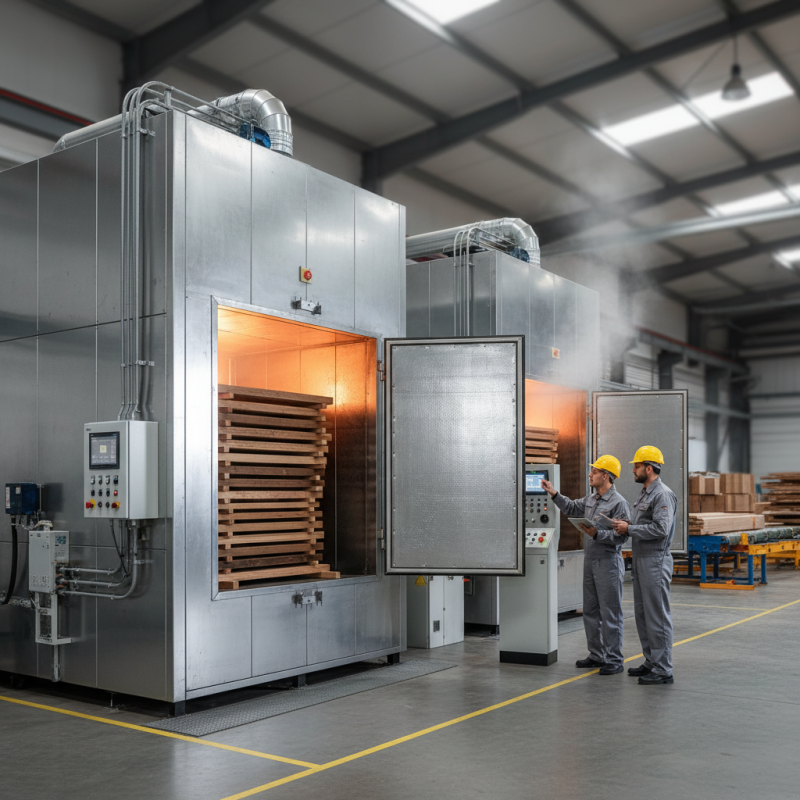
Kiln drying technology in China has evolved significantly. This process enhances the wood's quality by controlling moisture levels. According to a report by the Chinese Timber Association, the accuracy of moisture content measurement has reached 95%. This precision ensures that wood is dried uniformly, minimizing defects.
The adoption of advanced kilns is growing. In many facilities, automated systems are becoming standard. These systems improve energy efficiency and reduce drying times by up to 30%. As a result, manufacturers can achieve higher output without compromising on quality. However, challenges remain. Many small businesses still rely on outdated drying methods that can lead to increased waste and costs.
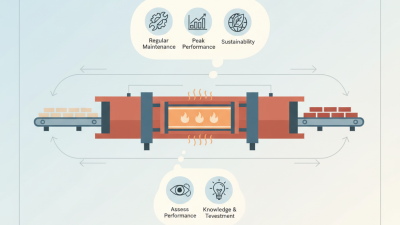
Tip: Regular maintenance of kiln systems can lead to better performance. Inspecting seals and calibrating sensors can prevent larger issues. Awareness of the latest techniques ensures wood remains competitive in the global market. Using data-driven approaches can enhance drying processes and product quality.
When examining kiln drying machines, several key features stand out. These machines efficiently reduce moisture content in timber and other materials. They often utilize advanced technology for precise temperature control. This ensures consistent drying, which is crucial for maintaining the quality of the wood. Users appreciate the ability to customize drying schedules based on their specific needs.
Additionally, the energy efficiency of these machines is significant. Many models are designed to minimize energy consumption while maximizing output. This is not just beneficial for the environment, but it also helps reduce operational costs. However, some machines do face challenges regarding ease of use. User interfaces can be complex, requiring training for effective operation.
Another aspect worth mentioning is the durability of these machines. While many are built to last, they can sometimes encounter maintenance issues. Regular check-ups are essential to prevent downtime. This can be a point of reflection for those considering these machines. Balancing initial investment with long-term maintenance costs is vital for decision-making in any business context.
China has emerged as a leading hub for kiln dry machines, catering to global suppliers. The sector shows significant growth, with reports indicating a projected increase of 7.2% annually. This is fueled by rising demands in wood processing and construction industries. Many manufacturers leverage advanced technology, ensuring high efficiency in heat treatment processes.
Investments in automation and energy-saving features have enhanced the appeal of Chinese Kiln Machines. However, there are challenges. Some manufacturers struggle with quality consistency. While many products meet international standards, others do not. This raises questions about reliability.
Expert insights suggest that buyers should conduct thorough evaluations before making decisions. Understanding different kiln machine specifications is crucial. Engaging with experienced professionals is advisable for better clarity. Additionally, looking into customer feedback can provide useful perspectives on durability and performance. Understanding these factors will help global suppliers choose the right kiln machine for their needs.
The global kiln dry machine market is witnessing significant shifts. China has emerged as a key player, offering advanced technology at competitive prices. Industry analysis indicates that Chinese manufacturers account for over 50% of the global market share. This is largely due to their efficient production processes and innovative designs. However, some observers question the quality consistency in comparison to global suppliers.
A report from the Global Wood Drying Association highlights that while China leads in quantity, some international suppliers excel in durability and energy efficiency. For instance, a recent study found that non-Chinese machines typically offer 15% better energy consumption rates. This raises concerns about the long-term operational costs of using a Brick Kiln Machine sourced from China. Buyers must weigh initial savings against potential inefficiencies in the future.
Consumer feedback also reveals mixed experiences with Chinese products. While many users praise the affordability, some report challenges with after-sales service. Notably, a survey indicated that 30% of users experienced delays in receiving replacement parts. This reflects the need for improved service frameworks when opting for Chinese kiln solutions. Ultimately, the decision to choose between Chinese and global suppliers involves careful consideration of both immediate needs and long-term outcomes.
Kiln dry machines play a vital role in various industries. These machines remove moisture from materials, ensuring quality and longevity. In the lumber industry, kiln drying enhances wood strength and durability. Properly dried wood minimizes warping and cracking, making it suitable for construction and furniture.
In the ceramics field, kiln dry machines are essential for firing pottery. High temperatures achieve desired hardness and finish. However, achieving the right balance in drying can be challenging. Insufficient drying can lead to defects in ceramic products. Thus, precise control over the process is crucial.
The food industry also benefits from kiln drying. This process preserves fruits and vegetables, enhancing shelf life. It retains flavors while reducing spoilage. Yet, improper usage can compromise nutritional value. Monitoring the drying process is important to ensure quality. Each sector requires specific considerations when using kiln dry machines, revealing challenges that need addressing.
The global demand for kiln dry machines has surged in recent years, particularly from China. Export data indicates that China's kiln dry machine exports reached approximately $300 million in 2022. This growth showcases a thriving market, driven by advancements in technology and efficiency. The Ecp Machine represents a significant innovation in this sector, emphasizing energy conservation and precision drying.
Key markets include North America and Europe, where manufacturers seek high-quality drying solutions. China’s superior craftsmanship contributes to the attractiveness of these machines. However, challenges remain. Quality control issues and compliance with international standards can hinder growth. A recent report found that 15% of exported machines faced inspection failures. This highlights an urgent need for improvement in quality assurance practices.
Furthermore, understanding diverse market needs is crucial. For instance, customization options are increasingly requested. Buyers want machines tailored to specific material types. This demand can strain production capabilities. Balancing quality with customization requires strategic planning and investment. The potential for growth remains strong, but manufacturers must adapt to changing requirements.
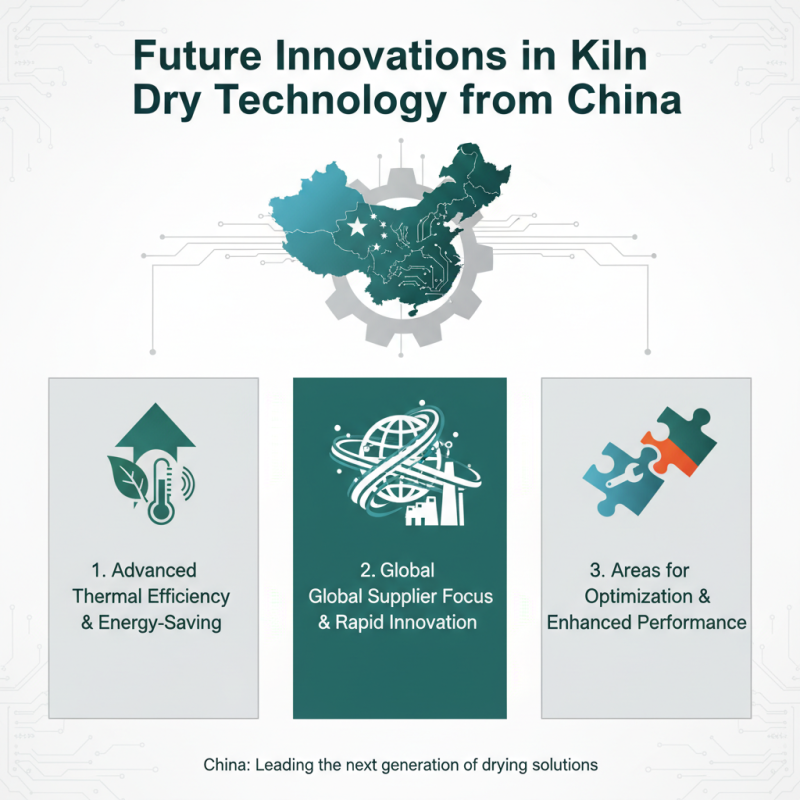
China has become a prominent player in kiln drying technology. Innovations are emerging rapidly, addressing the growing needs of global suppliers. Advanced thermal efficiency and energy-saving features are at the forefront. However, some processes can still be improved for optimal performance.
New drying techniques are being researched. These focus on maintaining the quality of wood products while reducing drying time. For instance, modifications to traditional kiln designs enhance airflow and heat distribution. This results in better moisture control. Yet, challenges remain in balancing speed with quality.
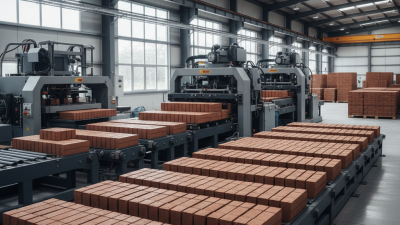
The integration of smart technology presents an exciting avenue for future innovations. Systems can monitor conditions in real-time and adjust accordingly. This creates a more efficient drying process for materials like timber. Despite the progress, the industry must consider environmental impacts and sustainability. Achieving this balance is essential for long-term success. The evolution of kiln technology, alongside advancements in related areas like the Brick Machine, offers a glimpse into a transformative future.
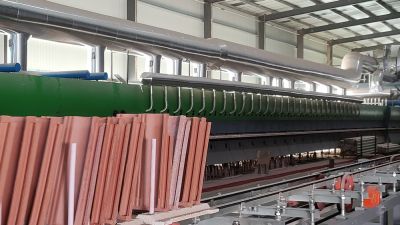
In the realm of advanced manufacturing, the incorporation of innovative technologies is vital for enhancing efficiency. The electrical heating roller hearth furnace kiln emerges as a pivotal tool, designed with a focus on optimizing production processes. Developed by a team of experienced technical designers, this advanced kiln integrates both domestic and international insights into roller kiln characteristics, leading to a sophisticated design that prioritizes high quality and energy savings.
The roller hearth furnace kiln stands out for its remarkable efficiency and effectiveness. With the capacity for large output, it ensures stable product quality while minimizing energy consumption. This reliability allows manufacturers to streamline their operations, reducing downtime and increasing productivity. The ease of operation further simplifies the manufacturing process, making it accessible for various industries looking to upgrade their firing equipment. This innovation not only meets current market demands but also positions manufacturers to harness future opportunities in a competitive landscape.
: It is a process that enhances wood quality by controlling moisture levels.
The accuracy has reached 95%, ensuring uniform drying and fewer defects.
They improve energy efficiency and can reduce drying times by up to 30%.
Many still use outdated methods, leading to higher waste and costs.
Regular maintenance, inspecting seals, and calibrating sensors are essential.
It is projected to grow by 7.2% annually due to rising demands.
Quality consistency is a problem; not all products meet international standards.
Different specifications affect reliability and performance in various applications.
They preserve fruits and vegetables, enhancing shelf life and flavor retention.
Insufficient drying can lead to defects in ceramics and compromise food quality.
The article titled "China Top Kiln Dry Machine for Global Suppliers?" explores the advancements and features of kiln dry machines originating from China. It begins with an overview of kiln drying technology and highlights the innovative designs and technologies that distinguish Chinese machines. Key features such as enhanced energy efficiency and automation capabilities are discussed, showcasing how these machines are meeting the needs of various industries.
Additionally, the article presents a comparative analysis of Chinese kiln dry machines against global suppliers, emphasizing their competitive edge in terms of cost and performance. The applications of these machines across different sectors are explored, alongside current export trends, which indicate a growing demand for Chinese-made kiln dry machines on the international market. Looking ahead, potential future innovations in kiln dry technology are also examined, suggesting that China is poised to remain a leading player in this important industrial sector.