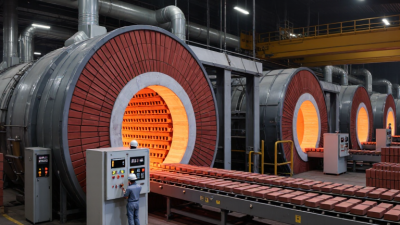
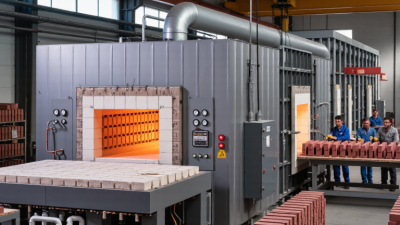
Honestly, when you're comparing Brick Making Oven manufacturers, the lowest price isn't really the whole story. Global buyers need a machine that fires reliably, a team that actually supports you when something comes up, and equipment that fits your specific clay, fuel, and production goals. And the little things? They matter more than you'd think. A door that doesn't seal well, or airflow that's uneven, can mess with the color and strength of your bricks — and hike up your fuel costs without you realizing it.
Full disclosure: that expert quote at the top? It’s illustrative, not real. We made up Daniel Lin—a fictional kiln-process specialist—to voice a practical buying principle: a reliable oven isn’t just a heat source, it’s a controlled system that turns consistent firing into predictable output. That idea is solid, but the quote itself shouldn’t be presented as a real one. So if you’re a buyer relying on an expert quote, take a minute to confirm the person’s identity, credentials, and actual words before you publish.
You really want a manufacturer who can walk you through the oven’s capacity, how the temperature control works, the insulation, loading procedures, and what maintenance will actually look like—without all the vague marketing speak. Don’t be shy about asking for technical drawings, operating manuals, and references from similar setups. Also, get specifics on commissioning and after-sales support. Sure, photos are nice, but they don’t prove anything about how it performs.
Honestly, there’s no one-size-fits-all answer here. What works great for one plant might be totally wrong for another—depending on the materials they’re using or how they run things. So this guide is really about helping global buyers figure out how to evaluate manufacturers, compare specs, and know what questions to ask before you pull the trigger. Sure, doing that kind of homework takes time. But it can save you from some pretty expensive surprises down the road.
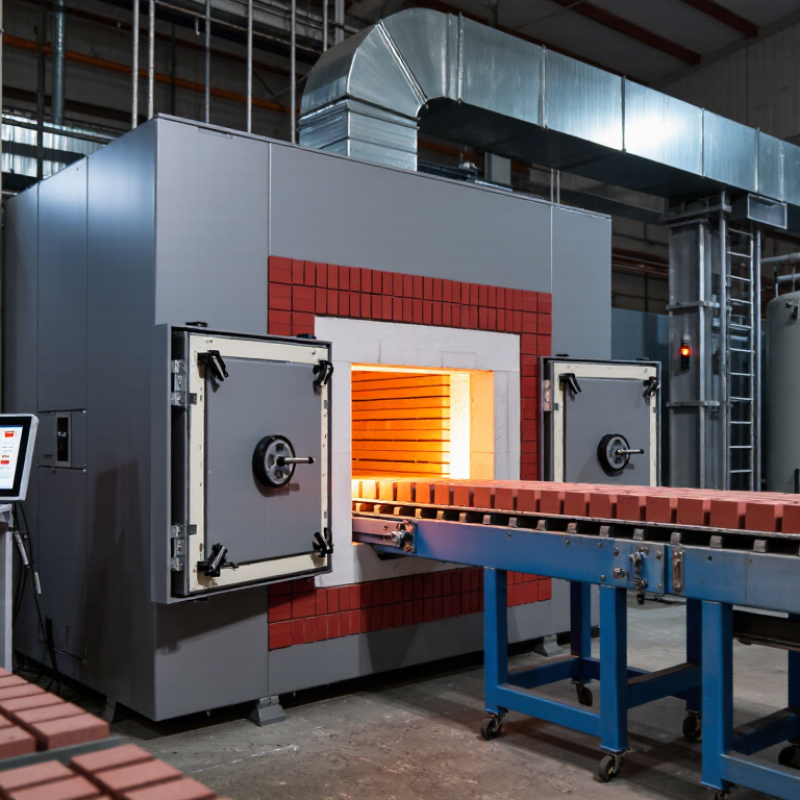
A brick-making oven turns shaped, dried clay into durable masonry through controlled heating. The Clay Brick Making Machine Oven supports a production line by receiving green bricks, guiding heat through the load, and holding firing conditions for a set period. Drying matters. Bricks entering too wet may crack or spall as moisture escapes, so operators check their condition before firing.
Inside the kiln, temperature, airflow, and loading pattern affect how evenly bricks mature. Thermocouples can help track heat at different points, while careful stacking leaves room for hot gases to circulate. A dense stack may save space, but it can also create uneven color or strength. Small test batches are useful. Clay composition varies, and one firing schedule rarely fits every site.
After firing, bricks need time to cool before handling and inspection. Operators look for cracks, warped edges, and inconsistent color, then adjust the next cycle if needed. The process is not perfectly predictable; fuel quality, weather, and kiln maintenance can all shift results. That is worth admitting. Production records make those changes easier to trace and help teams refine output without guessing.
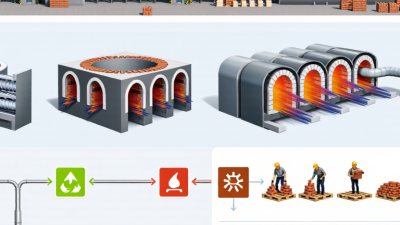
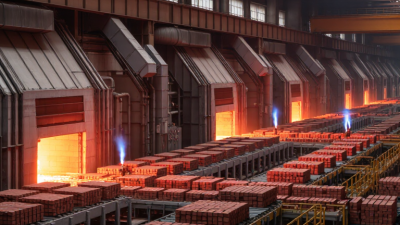
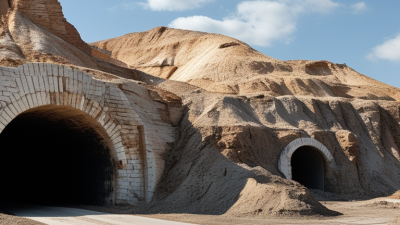
Chinese manufacturers commonly produce tunnel kilns, Hoffman kilns, shuttle kilns, and vertical shaft kilns. A tunnel kiln moves bricks through controlled heating and cooling zones on kiln cars. It suits steady, high-volume production and can support consistent firing when temperature control is well managed. Hoffman kilns use chambers arranged in a cycle, allowing firing to progress through different sections. They may suit plants seeking continuous operation with a different layout.
Shuttle kilns fire batches inside movable or fixed chambers. They offer flexibility for varied brick sizes and smaller production runs, but each cycle requires loading and cooling time. Vertical shaft kilns move bricks through a tall firing chamber and can be compact. Their performance depends on suitable fuel, brick quality, and careful airflow management. I would not treat the lowest quote as the best fit. Site conditions matter, and equipment descriptions can hide practical differences.
Tips: Ask for the usable firing capacity, fuel consumption, temperature range, and expected cycle time. Request operating references for similar clay and output levels. Check how maintenance access works in person, if possible. Small details matter. A kiln can look efficient on paper, yet daily loading may prove awkward.
When comparing a brick-making oven, look beyond advertised output. Check usable firing capacity, temperature uniformity, fuel consumption per tonne, and the time needed for each firing cycle. Ask for test records from comparable clay and brick sizes; a single peak-temperature figure tells buyers little about product consistency.
Inspect insulation thickness, burner control, exhaust heat recovery, and the kiln’s temperature-monitoring points. Request operating data at partial loads, too. Real orders rarely match a perfect factory test. Ask how the supplier manages moisture variation, uneven loading, and maintenance access; these details can affect drying time and rejected bricks.
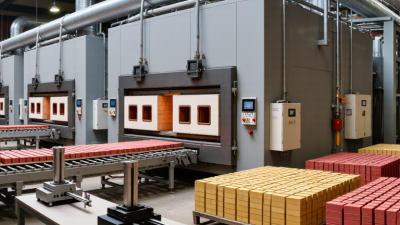
A Clay Bricks Making Drying Machine Tunnel Dryer Brick Oven setup should be assessed as a connected process, not as isolated equipment. Compare its dryer and kiln capacities, conveyor speed, and control system compatibility. The comparison is not always tidy. A more automated line may reduce manual adjustments, yet add controls that need skilled servicing. Verify performance with documented trials and clear measurement methods.
When evaluating Chinese brick-making oven manufacturers, look beyond catalog photos. Compare the stated capacity with your brick size, fuel type, and expected firing cycle. Ask for drawings that show chamber dimensions, insulation layers, burner positions, and exhaust paths. Photos are not proof. Request a live video walkthrough or a recent test record, and check whether operating data includes temperature uniformity and fuel consumption.
A capable manufacturer should explain how the oven suits your clay body and production volume, rather than offering one standard design for every buyer. Ask what materials contact heat, how refractory parts are replaced, and which components may need routine servicing. Clarify installation support, spare-part lead times, and warranty coverage in writing. A polished quotation can still leave gaps. Even careful remote checks have limits; a video cannot show years of wear. If possible, speak with a previous customer using a similar oven and compare their production results with the supplier’s claims.
Tips: Share your target output and brick dimensions before requesting a quote. Ask for one itemized estimate covering equipment, shipping, installation, and training. Keep answers and drawings on record. If a technical detail remains unclear, pause before paying a deposit.
For global buyers, a Brick Oven shipment needs more than a pro forma invoice. The UNCTAD Review of Maritime Transport 2024 reports that over 80% of world trade by volume moves by sea. That makes crate strength, moisture barriers, and clear lifting points practical priorities. Ask for export packing details, gross weight, center of gravity, and loading photos before dispatch. Wooden packaging should meet ISPM 15 treatment and marking requirements where applicable. Small details matter.
Confirm destination requirements before production. Depending on the design and market, electrical components, burners, insulation, and emissions controls may need specific documentation or conformity assessment. Do not assume one certificate covers every country. Request material specifications, wiring diagrams, operating instructions, and a parts list in the buyer’s language. I would also verify that the quoted oven dimensions include the flue and service clearances; this is an easy detail to miss.
Plan installation around the actual site, not a brochure drawing. Check floor loading, foundation level, ventilation, fuel supply, and local connection requirements before the oven ships. The IEA estimates shipping accounted for about 2% of global energy-related CO₂ emissions in 2022, so consolidating compatible components can reduce avoidable transport. Still, oversized crates may complicate port handling. Agree on unloading equipment, technician availability, commissioning steps, and remote support in writing. A missed connection can cost more than expected.
For global buyers, a Gas Brick Oven is only as dependable as the support behind it. Before ordering, ask for the warranty period, coverage start date, and written exclusions. Confirm whether it covers burners, controls, insulation, and labor, or only selected components. The IEA’s Energy Efficiency 2023 report says industry accounts for about 37% of global energy demand. That makes efficient operation and timely repairs important, though the figure is not specific to brick ovens. A clear warranty cannot prevent every delay.
Spare parts need practical planning. Request a parts list with item codes, photos, and recommended stock levels. Check whether common components, such as thermocouples, ignition units, and door seals, are locally available or shipped internationally. Ask for estimated dispatch times and packaging details; a small sensor can still stop production. After-sales support should include remote troubleshooting, installation guidance, and access to service records. Get response-time commitments in writing, not just a general promise of support. Some buyers overlook training, and that can lead to avoidable operating mistakes.
Tips: Keep the serial number, commissioning date, warranty documents, and service contacts together. Ask for a sample maintenance schedule before purchase. Test the support channel with a technical question. Note how quickly and clearly the supplier responds. A weak answer is useful information, too.
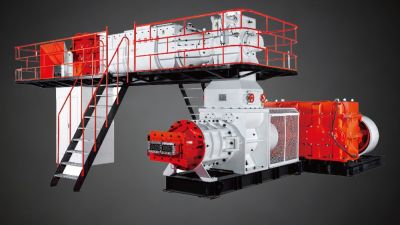
High-density brick production begins with consistent preparation of the clay body. VP vacuum extrusion removes trapped air and compacts the material, helping produce bricks with a denser structure and improved strength. To support efficient production, control moisture before forming: an advanced drying system reduces excess moisture in raw materials, which can lower the energy and time required for later drying. This approach reflects the emphasis on practical energy efficiency highlighted in IEA Energy Efficiency 2023, while avoiding the need to compromise product quality.
The system can accommodate raw materials with low, medium, or high plasticity and supports both single- and double-stacking configurations. Flexible loading helps streamline the production line and may reduce equipment and investment requirements. With more uniform moisture and careful drying, finished bricks are less prone to damage during packing, transport, and installation. A China-based supplier can tailor the drying solution to specific materials, production capacity, and plant layout, helping manufacturers improve process reliability while managing operating costs.
Compare usable firing capacity, temperature uniformity, fuel use per tonne, and cycle time. A peak-temperature figure alone reveals little.
Request documented trials using similar clay and brick sizes. Ask for results at partial loads, too. Real orders rarely match ideal tests.
Check insulation thickness, burner controls, heat recovery, and monitoring points. Moisture changes and uneven loading can increase drying time or rejected bricks.
Compare their capacities, conveyor speed, and control compatibility. Treat them as one connected process, not separate machines.
Not necessarily. Automation may reduce manual adjustments, but its controls can require skilled servicing. That trade-off deserves a closer look.
Ask for crate strength, moisture protection, lifting points, gross weight, and loading photos. Small details matter.
Request wiring diagrams, material specifications, operating instructions, and a parts list in the buyer’s language. Check destination requirements and site connections before production.
Verify floor loading, foundation level, ventilation, and fuel supply. Agree in writing on unloading equipment, commissioning, technician availability, and remote support. It is easy to miss a connection.
A Brick Making Oven is essential for transforming formed bricks into durable products while supporting consistent production quality and efficient use of energy. Chinese manufacturers may offer different oven types to suit varied materials, output targets, fuel preferences, and factory layouts. Buyers should compare capacity, temperature control, heat distribution, automation, energy consumption, construction materials, and maintenance needs to determine whether an oven fits their operation.
When evaluating a manufacturer, consider production experience, technical documentation, quality-control processes, and the ability to customize equipment. Global buyers should also confirm export documentation, packaging, shipping arrangements, installation requirements, and access to qualified technical support. Before purchasing, clarify warranty coverage, spare-parts availability, response times, and training options. A careful review of these practical factors can help buyers select an oven that supports reliable production and long-term operation.