请留言
    
0%

In the competitive world of making clay bricks, having the right certifications really can't be overstated. I mean, as John Smith, a veteran in the field and CEO of BrickMasters Inc., puts it, "CE certification isn’t just some paper you get—it shows you’re serious about quality and safety." That really highlights how important China’s CE certification is for any clay brick plant out there.

Getting this certification actually brings a bunch of benefits. It gives your customers peace of mind, knowing your products meet international standards. Plus, having that CE mark can seriously boost your reputation, especially for your Automatic Clay Brick Manufacturing Plant. People tend to trust brands that have proper certifications, and it can even help you break into new markets more easily—opening doors to export your bricks abroad without much hassle.

Of course, the process to get certified isn’t always a walk in the park. Many manufacturers find themselves lost in the maze of rules and paperwork, which can cause delays or confusion along the way. Knowing that these hurdles are part of the journey is crucial if you’re aiming for top quality. Sure, the certification process can be tough and time-consuming, but honestly, the long-term perks—better reputation, increased export opportunities, and peace of mind—make it totally worth it in the end.
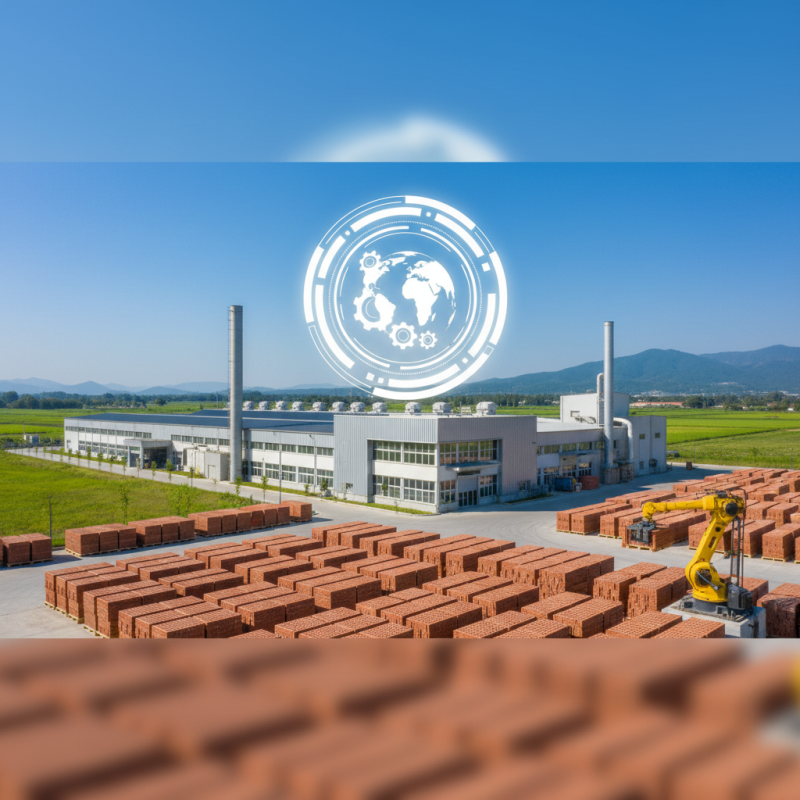
Top 10 Benefits of China CE Certification for Clay Brick Manufacturing Plant Service?

Understanding CE Certification: An Overview for Clay Brick Manufacturing

CE certification is essential for manufacturers in the clay brick industry. It assures compliance with European Union standards. This certification enhances product quality and safety. Entities seeking to establish an Automatic Brick Manufacturing Plant can benefit greatly from understanding CE certification.

Research indicates that compliance can lead to a 30% increase in market access. However, many manufacturers struggle with the certification process. A recent report showed that only 50% of manufacturers achieve CE certification on their first attempt. Understanding the specific requirements is crucial.

Investing in training and resources is vital. Manufacturers must learn about testing procedures and documentation required for CE. This knowledge can significantly reduce the risks of delays and failed inspections. Adopting these practices creates a more reliable production system. It's not just about meeting standards; it’s about building trust in the market.

Top 10 Benefits of China CE Certification for Clay Brick Manufacturing Plant

Importance of CE Certification in Ensuring Product Quality Standards

CE Certification plays a vital role in establishing product quality standards in the clay brick manufacturing industry. This certification indicates that manufacturing processes and products meet European safety and environmental regulations. Without it, manufacturers risk producing inferior bricks, which can lead to structural failures. The importance of CE Certification cannot be overstated, especially in a competitive market.

Obtaining CE Certification requires a commitment to quality and safety. It ensures that the Clay Brick Manufacturing Machine operates efficiently and meets stringent guidelines. Companies may face challenges in the certification process, often needing to adapt their procedures. This adjustment can be time-consuming and costly, but the long-term benefits outweigh the hurdles. Certified products gain a reputation for reliability and durability.

Moreover, CE Certification enhances market access. Many countries and regions only permit the sale of certified products, excluding uncertified ones. Failure to achieve this certification can restrict growth opportunities. Companies must engage in continuous improvement to maintain certification and meet evolving standards. This journey fosters a culture of quality within the organization, ultimately benefiting both manufacturers and consumers alike.

Market Access Benefits of CE Certification for Clay Brick Manufacturers

CE certification is crucial for clay brick manufacturers seeking market access. This certification indicates compliance with European Union safety standards. It assures customers that products meet specific requirements. Many markets require CE marking for legal entry. Without it, manufacturers face significant barriers.

For a Brick Kiln Plant, CE certification helps enhance market credibility. Various international buyers seek reliable suppliers. Certification demonstrates a commitment to quality and safety. It streamlines the path to entering competitive markets. However, navigating the certification process can be complex. Manufacturers often find it challenging to meet all requirements.

Additionally, having CE certification can lead to reduced liability. It protects manufacturers from potential legal issues related to product safety. Consumers are more likely to trust certified products. Uncertainty can create hesitations about safety and quality. Thus, investing in CE certification can ultimately pay off.

Top 10 Benefits of China CE Certification for Clay Brick Manufacturing Plant Service

Benefit Description Market Access
Enhanced Product Safety CE certification ensures compliance with safety standards, reducing risks of product failure. Access to European markets that demand high safety standards.
Quality Assurance Demonstrates that products meet quality benchmarks recognized in international markets. Broader export opportunities in markets outside China.
Consumer Trust Increased confidence among consumers when purchasing certified products. Enhanced brand reputation in competitive markets.
Compliance with Regulations Helps manufacturers meet local and international regulatory requirements. Smoother entry into regulated markets.
Competitive Advantage CE certification can differentiate products from non-certified competitors. Improved market positioning against competitors.
Streamlined Supply Chain Facilitates smoother operations and logistics within the supply chain. Enhanced efficiency in international shipping and handling.
Increased Sales Access to new markets can lead to increased sales volumes. Potential for higher revenue streams from new customers.
Risk Mitigation Reduces liability and risk associated with product non-compliance. Protection against market crashes due to recalls or fines.
Innovation Promotion Encourages manufacturers to innovate and improve product offerings. Staying ahead with cutting-edge technologies in the market.
Environmental Compliance Ensures that products meet environmental standards and regulations. Mandatory in several markets focused on sustainability.

Enhancing Customer Confidence through CE Certification

In the clay brick manufacturing industry, CE certification plays a crucial role in enhancing customer confidence. This certification assures clients that products meet essential safety and quality standards. When consumers see the CE mark, they feel more secure about their purchases. They trust that the manufacturing plant has adhered to rigorous testing and quality control processes.

Tips: To foster this confidence, ensure your manufacturing processes are transparent. Provide detailed information about the materials and practices used. Regularly update your customers on any advancements in quality control methods. This not only builds trust but also strengthens relationships.

The process of obtaining CE certification can be complex and require dedication. Many manufacturers struggle to meet all the compliance requirements. They might find it challenging to implement the necessary changes in production. However, overcoming these hurdles can significantly enhance product credibility. A certified plant demonstrates its commitment to excellence and consumer safety.

Tips: Document all steps taken during the certification process. Share success stories about overcoming obstacles. This not only showcases expertise but also provides valuable insights for other manufacturers seeking certification. Communication is key in building long-term trust with customers.

CE Certification: A Catalyst for International Trade Opportunities

CE certification plays a pivotal role in expanding international trade opportunities, especially for clay brick manufacturers. The certification acts as a quality assurance marker, showcasing compliance with stringent European standards. This opens doors to markets that prioritize safety and environmental compliance. For manufacturers, obtaining CE certification is not merely a bureaucratic hurdle; it signifies a commitment to quality and sustainability.

Gaining CE certification can be an intricate process. Many manufacturers find it challenging to meet all requirements. Yet, the investment pays off in increased credibility. The certification enhances a company's reputation, making it more appealing to global clients. It may take time and resources, but the long-term benefits often outweigh initial difficulties.

Additionally, having CE certification can offer a competitive edge in the marketplace. It allows manufacturers to engage with partners who value quality. However, the complexity of the certification process can lead to oversights. Companies must focus on thoroughly understanding regulations. Each requirement must be clearly addressed to avoid setbacks. This reflection on the certification journey can yield valuable insights for future improvements.

Compliance with Safety Regulations: The Role of CE Certification

CE certification is crucial for clay brick manufacturing plants. It ensures that products meet safety standards. Compliance with these regulations protects both workers and consumers. An Auto Brick Plant operating under CE standards is more likely to produce safe goods. This compliance minimizes the risk of accidents associated with faulty products.

Investing in CE certification enhances credibility. It signals to clients that the Auto Brick Plant prioritizes quality and safety. However, some plants may view certification as a daunting process. The paperwork and guidelines can feel overwhelming. Yet, this initial struggle often pays off in the long run. Companies discover that the benefits far outweigh the challenges. Maintaining compliance may involve continuous learning and adjustments in production. This ongoing commitment can lead to improvements in overall efficiency.

CE certification also opens doors to new markets. Many regions require this certification before they will import goods. While navigating these regulations can be complex, having CE certification can simplify market access. It demonstrates reliability and adherence to international standards. As manufacturers streamline their processes, they may also identify areas for improvement in safety and quality. Even as they strive for compliance, some might overlook minor details, leading to possible setbacks.

Long-term Cost Savings and Efficiency Gains from CE Certification

Top 10 Benefits of China CE Certification for Clay Brick Manufacturing Plant Service?

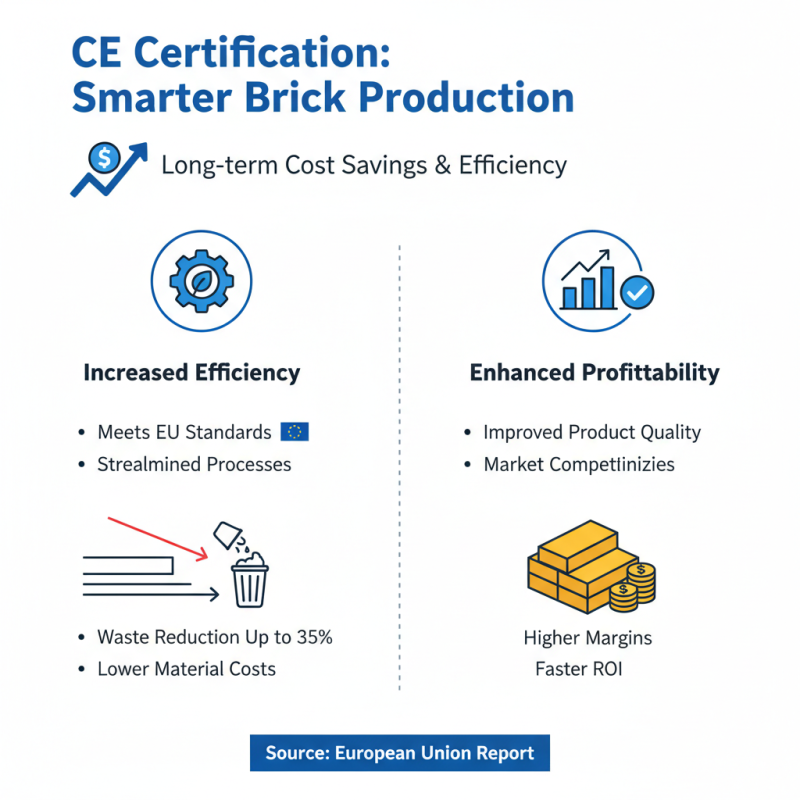
CE certification for clay brick manufacturing plants offers significant long-term cost savings and efficiency gains. By meeting stringent CE standards, plants can improve their process efficiency. A report by the European Union indicates that certified facilities often reduce waste by up to 35%. This reduction in waste translates directly into lower material costs and enhanced profitability.

Compliance with CE certification can also streamline operations. As companies conform to best practices, they may see a decrease in energy consumption as much as 20%. Improved energy efficiency not only cuts operational costs but also aligns plants with sustainability goals. Moreover, CE-certified manufacturers often gain access to new markets, enhancing their competitive edge.

However, acquiring CE certification requires significant initial investment. This might deter smaller manufacturers from pursuing it. The certification process can be complex and time-consuming. Some companies might struggle with understanding the requirements. Nonetheless, the long-term benefits often outweigh the initial challenges. A smaller upfront investment in certification can lead to substantial financial gains for manufacturers looking to thrive in a competitive market.

FAQS

: What is CE certification?

: CE certification is a quality assurance marker that indicates compliance with European standards.

How can CE certification benefit manufacturers?

It enhances credibility, opens new markets, and showcases commitment to quality and sustainability.

Is the CE certification process difficult?

Yes, many manufacturers find it challenging to meet all requirements for CE certification.

What are the long-term benefits of CE certification?

Benefits include cost savings, improved efficiency, and reduced waste, which enhance profitability.

How much waste can certified facilities reduce?

Certified facilities can reduce waste by up to 35%, leading to lower material costs.

Can CE certification affect energy consumption?

Yes, compliance can lead to a decrease in energy consumption by as much as 20%.

What initial challenges might manufacturers face?

Significant investment and complex requirements can be barriers for smaller manufacturers.

How does CE certification create a competitive edge?

It allows manufacturers to engage with partners who prioritize quality and compliance.

Why might some companies avoid CE certification?

The complexity and time-consuming nature of the process can deter pursuit.

What reflection can help during the certification journey?

Thoroughly understanding regulations and addressing every requirement can lead to valuable insights.

Conclusion

CE certification plays a vital role in the clay brick manufacturing plant industry by ensuring product quality standards and compliance with safety regulations. This certification not only enhances customer confidence but also serves as a catalyst for international trade opportunities, making it easier for manufacturers to access global markets. Moreover, CE certification contributes to long-term cost savings and efficiency gains, allowing manufacturers to optimize their operations while adhering to stringent quality guidelines.

In addition to improving product reliability, the process of obtaining CE certification fosters a culture of continuous improvement within clay brick manufacturing plants. By aligning with European standards, manufacturers can assure clients of their commitment to quality, making their products more competitive in both domestic and international markets. Ultimately, CE certification proves to be an essential asset for clay brick manufacturing plants aiming to thrive in a competitive landscape.
Lila

Lila

Lila is a seasoned marketing professional at We Henan Cadier Green Building Technology Co., Ltd., a company at the forefront of innovative wall material production since 2009. With a strong expertise in energy-saving and environmentally friendly solutions, she is dedicated to promoting the......
Previous China CE Certification for Auto Brick Machine Manufacturers Explained