Hey, if you've been keeping an eye on the construction materials scene, you probably know that the demand for efficient Auto Brick Machines is through the roof right now. Manufacturers in China are really stepping up to fill that gap. But honestly, figuring out what the CE certification process involves can feel pretty overwhelming—it’s a lot to take in. Basically, this certification shows that the Auto Brick Making Machine checks all the boxes when it comes to European safety and environmental standards. And that kind of approval can really give buyers confidence, knowing they’re getting a reliable product.
Going through the CE certification journey is super important for manufacturers. It’s not just about credibility — it’s also a key that can open doors to international markets. Without it, competing on a global level gets a lot tougher. Of course, the process isn’t always a walk in the park; there are hurdles along the way, and sometimes it feels like you’re navigating a maze. That’s where teaming up with industry experts can really make a difference—those folks can help cut through the confusion and give you a clearer path to success.
All in all, chasing after CE certification isn’t just about ticking boxes—it’s a sign that a manufacturer is serious about quality. With proper testing and sticking closely to safety standards, your Auto Brick Machine can become a trusted name in the construction biz. Yeah, the process can be tricky, but the rewards—growth, credibility, and reaching new markets—are totally worth it if you're aiming for the best.
Introduction to CE Certification for Auto Brick Machines
CE Certification is crucial for manufacturers in the auto brick machine sector. This certification ensures that products meet European safety, health, and environmental standards. For producers, it signifies quality assurance and compliance with international regulations. Adhering to CE standards can enhance marketability and open doors to new opportunities.
An Auto Brick Laying Machine must pass various tests to achieve CE certification. These tests often focus on mechanical safety, electrical safety, and emissions. Understanding these compliance requirements can impact the design process significantly. Manufacturers need to involve qualified experts early on to avoid costly revisions later.
Tips for manufacturers include investing in training for your design team. Knowledge of CE standards can streamline the certification process. Additionally, consider engaging a specialized consultant. Their insights can help navigate potential pitfalls in compliance. Remember, achieving CE certification not only demonstrates reliability but also builds trust with customers.
Significance of CE Certification for Manufacturers in China
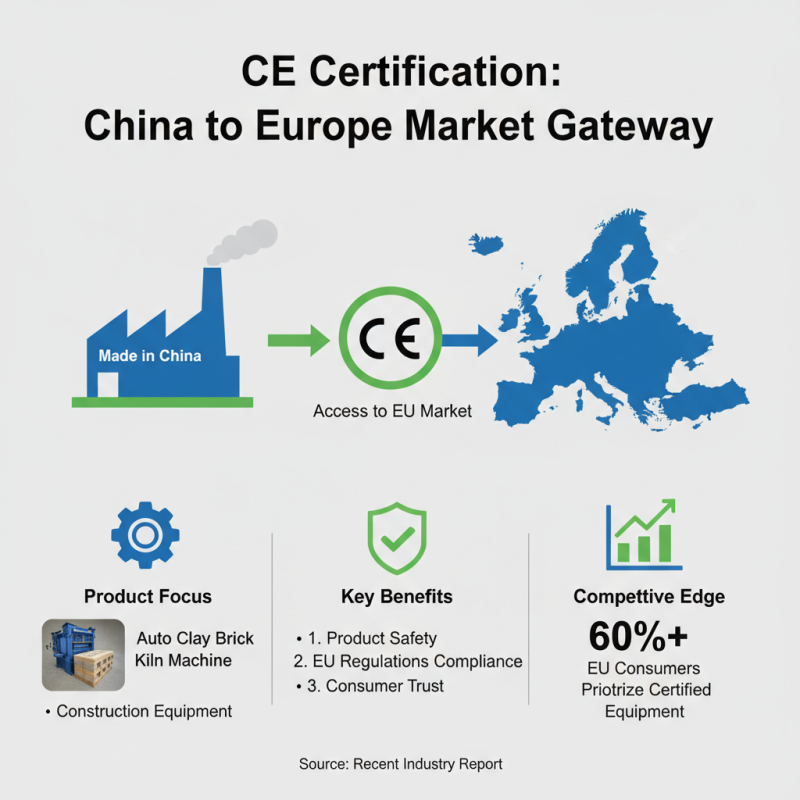
The significance of CE certification for manufacturers in China, especially those producing Auto Clay Brick Kiln Machine, cannot be understated. CE certification serves as a gateway for these manufacturers to access the diverse European market. It assures buyers of product safety and compliance with stringent European Union regulations. According to a recent industry report, over 60% of consumers in Europe prioritize certification when choosing construction equipment. This statistic highlights the competitive edge that CE certification provides.
Manufacturers who achieve CE certification often observe a surge in client trust and market credibility. It’s not just a badge; it represents a commitment to quality and safety in production. However, navigating the certification process can be daunting and requires a thorough understanding of technical standards. Many manufacturers overlook the importance of continuous compliance post-certification, which can lead to costly recertification processes.
Tips: Focus on quality control systems. Document every stage of production. This will streamline the CE certification process. Also, invest in staff training to understand regulatory requirements better. Continuous adaptation to safety standards is essential. As the market evolves, so must your practices. The journey to CE certification is not a one-time effort; it demands ongoing attention.
Overview of CE Certification Requirements and Standards
CE certification is crucial for auto brick machine manufacturers in China. It signifies compliance with EU safety standards, enhancing product credibility and market access. The certification process involves various requirements, encompassing mechanical safety, electromagnetic compatibility, and environmental responsibility.
To meet CE certification requirements, manufacturers must submit technical documentation and undergo rigorous testing. According to a recent industry report by Research and Markets, companies that achieve CE certification see a 30% increase in export opportunities. Furthermore, up to 75% of buyers prioritize CE compliance when selecting suppliers. This highlights the importance of aligning production processes with international standards.
However, achieving CE certification can be challenging. Some manufacturers struggle with understanding the complex requirements and may overlook crucial documentation. In fact, a survey by the European Committee for Standardization indicates that nearly 40% of companies fail initial CE compliance checks. This signifies the need for a thorough understanding and preparation. Compliance is an ongoing process, not just a one-time certification. Manufacturers must stay updated with evolving standards to maintain their market position.
Steps for Auto Brick Machine Manufacturers to Obtain CE Certification
For auto brick machine manufacturers in China, obtaining CE certification is crucial. This certification not only ensures compliance with European safety standards but also enhances credibility in the global market. According to industry reports, about 70% of European buyers prioritize CE certification when selecting equipment suppliers.
To begin the certification process, manufacturers must conduct a thorough risk assessment. This step identifies potential hazards associated with their machines. Next, a technical file must be prepared, which includes design drawings, specifications, and test reports. Accurate documentation is essential, as it serves as proof of compliance with EU directives. Engaging a notified body is often necessary, as they assess product compliance and conduct necessary testing.
After submitting the documentation, manufacturers may face challenges, such as discrepancies in technical standards. It's advisable to seek expert guidance during this phase. Understanding the requirements can prevent costly delays. According to recent surveys, about 35% of manufacturers struggle with the documentation process alone. Regular training and updates on evolving regulations can significantly improve the certification journey.
China CE Certification for Auto Brick Machine Manufacturers
| Step Number |
Step Description |
Estimated Time (Weeks) |
Required Documents |
Cost (USD) |
| 1 |
Identify Applicable Standards |
1 |
Technical Documentation |
N/A |
| 2 |
Conduct Risk Assessment |
2 |
Risk Assessment Report |
500 |
| 3 |
Prototype Testing |
3 |
Test Results and Certificates |
1500 |
| 4 |
Technical Documentation Preparation |
2 |
User Manuals, Design Specifications |
300 |
| 5 |
CE Marking Application |
1 |
Application Form and Fees |
200 |
| 6 |
Receive CE Certification |
1 |
CE Certificate |
N/A |
Common Challenges Faced During the CE Certification Process
Navigating the CE certification process can be daunting for auto brick machine manufacturers in China. Many face challenges that can delay or complicate their certification journey. Statistics show that around 70% of applicants encounter inconsistencies in documentation during the process. This often leads to additional requests for information from certifying bodies, prolonging timelines and increasing costs.
Technical standards also pose a significant challenge. Compliance with the Machinery Directive and other relevant standards is critical. Manufacturers must invest time in understanding complex requirements. Data from industry reports indicate that 45% of companies struggle with meeting these mandatory standards initially. This gap impacts their ability to enter markets effectively.
Moreover, cost is a considerable concern. Preparing for CE certification can require substantial financial resources. Reports suggest that the average expenditure ranges from $5,000 to $25,000, depending on the machine complexity. Manufacturers often need to reassess their budgets and resource allocations. These challenges demand careful planning and continuous learning to enhance compliance success.
Post-Certification Obligations for Auto Brick Machine Manufacturers
Post-certification obligations for auto brick machine manufacturers are critical for maintaining compliance and quality assurance. After obtaining the China CE certification, manufacturers must implement stringent quality management systems. Reports indicate that over 70% of manufacturers struggle to meet ongoing compliance standards. This lack of adherence can lead to significant financial penalties and damaged reputations.
Regular audits and assessments are vital. Manufacturers should establish an internal review process to ensure continued compliance with safety and environmental regulations. Suppliers of the Semi Auto Brick Making Machine must maintain comprehensive documentation to demonstrate ongoing compliance. Failing to do so could complicate future audits.
Tips: Schedule periodic training for staff on compliance practices. Stay updated on industry regulation changes to avoid surprises. Collaborate with industry experts for insights on improving compliance processes. Implementing these strategies can significantly enhance a manufacturer’s credibility and reliability in the market.
Impact of CE Certification on Marketability and Export Opportunities
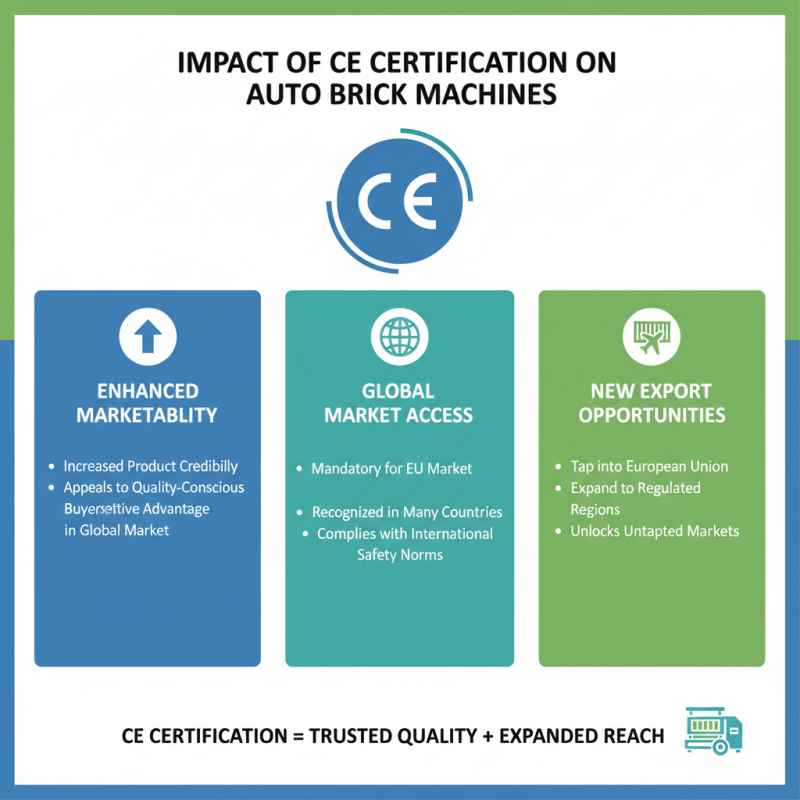
CE certification plays a vital role for auto brick machine manufacturers. It enhances product credibility and boosts marketability. With CE certification, these machines can be sold in the EU and other regions with strict safety standards. This certification shows compliance with international norms. It allows manufacturers to tap into new export opportunities.
Tips for manufacturers: Ensure that your auto brick machines meet all necessary safety standards. Regularly review testing requirements to keep up with regulatory changes. It is essential to document every stage of compliance. Non-compliance may lead to financial losses and wasted resources.
The impact of CE certification extends beyond just compliance. It can enhance consumer trust and brand reputation. Manufacturers might find that customers prefer certified products. This increased marketability can open doors to partnerships and collaborations. However, gaining CE certification may require time and investment. Assess if the benefits outweigh the initial costs. It's an important consideration for future growth.
Optimizing Packaging Processes: Insights from 2023 Industry Reports on Automatic Clay Brick Packing Machines in China
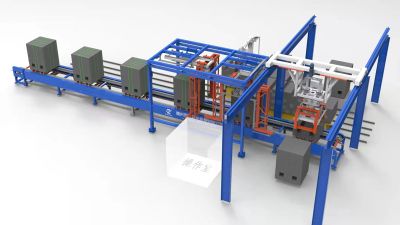
In the fast-evolving landscape of brick manufacturing, the need for efficient and reliable packaging processes has become increasingly crucial. Recent insights from 2023 industry reports highlight the benefits of adopting advanced technologies, particularly the Automatic Arrow-Penetrating Strapping and Packaging System. This innovative solution is specifically designed to optimize the handling of fired clay bricks, addressing the challenges faced by manufacturers in managing their packaging lines.
The Automatic Arrow-Penetrating Strapping and Packaging System offers a comprehensive approach to automating the tasks of grouping, stacking, and strapping, which can significantly enhance operational efficiency. By streamlining these processes, manufacturers can not only minimize manual labor but also reduce the risk of errors and improve overall productivity. As leading suppliers in China refine this technology, the emphasis remains on delivering top-quality performance and reliability, crucial for meeting the demands of modern manufacturing.
Embracing such cutting-edge solutions not only improves packaging speed but also aligns with the industry's push towards automation. By investing in robust packaging systems, brick manufacturers can ensure a competitive edge in the market, ultimately contributing to sustained growth and success in the face of rising demand for their products.
FAQS
: CE Certification ensures products meet European safety, health, and environmental standards.
It signifies quality assurance and compliance, enhancing marketability and opening new opportunities.
These tests focus on mechanical safety, electrical safety, and emissions compliance.
Investing in training for the design team helps streamline the certification process.
Many encounter documentation inconsistencies, technical standard compliance issues, and high costs.
Achieving certification enhances market credibility and demonstrates a commitment to quality and safety.
Preparing for certification can cost between $5,000 and $25,000, depending on machine complexity.
A robust quality control system helps streamline the certification process and ensures ongoing compliance.
No, continuous adaptation to safety standards is essential for long-term compliance.
They should reassess budgets and invest in staff training to understand regulatory requirements better.
Conclusion
CE certification is crucial for auto brick machine manufacturers in China, as it ensures that their products meet European Union safety and environmental standards. The certification process involves understanding specific requirements and standards that govern auto brick machines, which includes a series of steps that manufacturers must follow to attain compliance.
Navigating the CE certification can present common challenges, such as technical documentation and compliance with safety regulations. Once certified, manufacturers have post-certification obligations to uphold these standards, which can enhance the marketability of their auto brick machines and expand export opportunities in international markets. Overall, obtaining CE certification is a significant step for manufacturers aiming to compete globally.