When it comes to construction, quality and compliance really can’t be overlooked. Take CE Certification for example—especially when you're talking about top-grade equipment like a Brick Machine for Clay. It’s basically a badge of assurance that your products meet those strict European safety and environmental standards. And honestly, it helps to keep manufacturers on their toes, making sure they follow all the necessary guidelines.
If you’re thinking about investing in a Brick Machine Fired Clay Brick Making Machine, it can seriously boost your production speed and efficiency. But let’s be real, the road to staying compliant isn’t always a walk in the park. Companies have to navigate a maze of complex rules, and trying to understand all these standards can feel pretty overwhelming—unless you've got the right expertise, it’s easy to miss important details, which could end up costing you a lot.
Going with a certified Clay Brick Machine is really a smart move because it shows you’re serious about safety and quality. These machines are put through rigorous testing, so you can trust they’ll perform well and be safe to use. That kind of reliability is a big deal when it comes to building trust with your clients. Sure, the certification process can seem a bit intimidating at first, but hey, it’s also an opportunity to reflect, learn, and improve. Embracing that challenge is how you get to that next level of industry excellence.
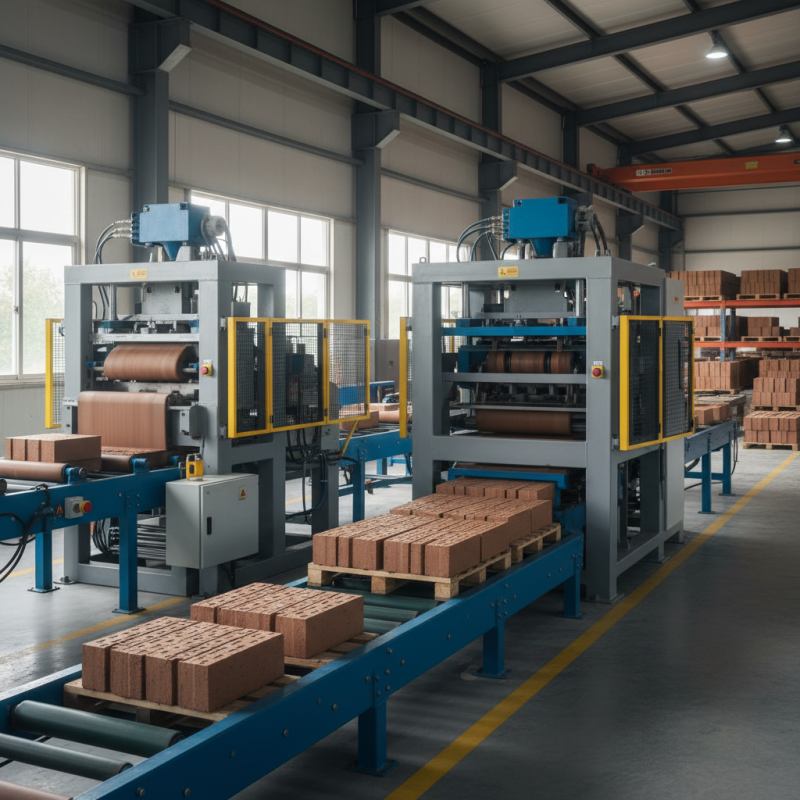
What is CE Certification?
CE certification is essential for the high-quality brick machine used to produce clay bricks. This certification indicates that the machine meets stringent European health, safety, and environmental protection standards. According to a report from the European Commission, over 80% of construction equipment sold in Europe is CE certified. This reflects the certification's importance in ensuring safety and reliability in manufacturing.
The CE mark means compliance with EU directives. For brick machines, this can involve various tests. These tests evaluate energy efficiency, safety features, and environmental impact. A recent study highlighted that manufacturers who focus on these standards witness a 25% reduction in operational failures. However, not all manufacturers prioritize CE certification. Some ignore the potential benefits, risking safety and operational issues.
In recent years, emphasis on sustainability has grown. Machines that earn CE certification often incorporate eco-friendly technologies. This trend aligns with a broader industry shift towards sustainable practices. Yet, many companies find the certification process challenging and may overlook necessary improvements. Thus, the journey toward CE certification can reveal valuable insights into operational weaknesses and areas needing further development.
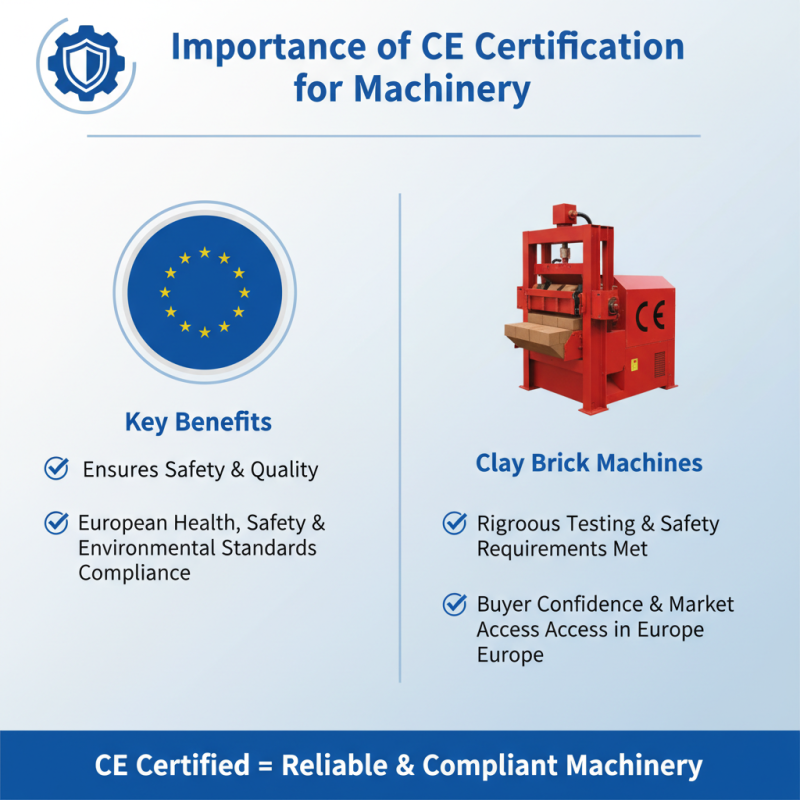
Importance of CE Certification for Machinery
CE certification is crucial for ensuring safety and quality in machinery. For a high-quality Clay Brick Machine, this certification indicates compliance with European health, safety, and environmental protection standards. It assures buyers that the equipment meets rigorous testing and safety requirements.
Without CE certification, buyers face risks. Substandard machines can lead to production delays or safety hazards. It's essential to prioritize certified machinery. Investing in a CE-certified Clay Brick Machine ensures long-term reliability. This certification not only enhances market competitiveness but also builds trust with customers.
Tips: When purchasing, verify the machine’s CE mark. Check the manufacturer’s reputation and track record. Research potential suppliers. Ensure they understand the importance of compliance. This diligence can prevent future complications. Always inquire about documentation related to CE certification for transparency.
Requirements for CE Certification in Brick Manufacturing
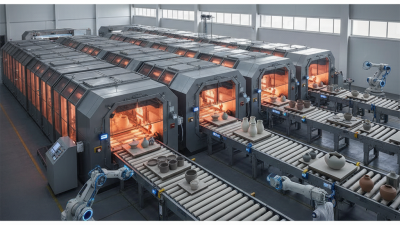
CE certification is crucial for ensuring safety and compliance in the brick manufacturing industry. For high-quality machines, like the Clay Brick Kiln Machine, several requirements must be met. These standards cover a range of aspects, including safety protocols, emissions regulations, and material quality. Manufacturers must demonstrate that their machines can operate efficiently while adhering to specific environmental guidelines.
Testing is a significant step in the CE certification process. Machines undergo rigorous assessments to ensure they meet European Union safety standards. This includes evaluating electrical safety, mechanical functions, and even noise emissions. Each aspect validates the reliability of the Clay Brick Kiln Machine, ultimately giving buyers peace of mind.
Getting CE certification can be a complex task. It requires not only a thorough understanding of the regulations but also precise documentation. Manufacturers often find themselves navigating intricate requirements, which can be overwhelming. Additionally, staying updated on changing standards is vital for ongoing compliance. Mistakes in this process can lead to delays and added costs. It is essential for manufacturers to continuously reflect on their practices to improve and adapt.
Steps to Achieve CE Certification for Clay Brick Machines
Achieving CE certification for clay brick machines is a critical process. It guarantees compliance with European standards. This certification enhances product credibility and opens access to European markets. The steps to attain CE certification involve various stages of assessment.
Begin with a thorough understanding of the relevant European directives. Manufacturers must identify which directives apply to their brick machines. It’s crucial to ensure all safety and performance requirements are met. Documentation should include user manuals, design specifications, and risk assessments. This step often reveals deficiencies; addressing them is vital for compliance.
Next, conduct rigorous testing of the machine. This testing verifies that the equipment adheres to the required standards. Third-party assessments often follow, adding another layer of scrutiny. Be prepared for potential rework or modifications based on test results. The process can be daunting, yet it is necessary for ensuring safety and effectiveness.
Remember, achieving CE certification is not just about meeting regulations; it’s about building a reliable machine that the market can trust.
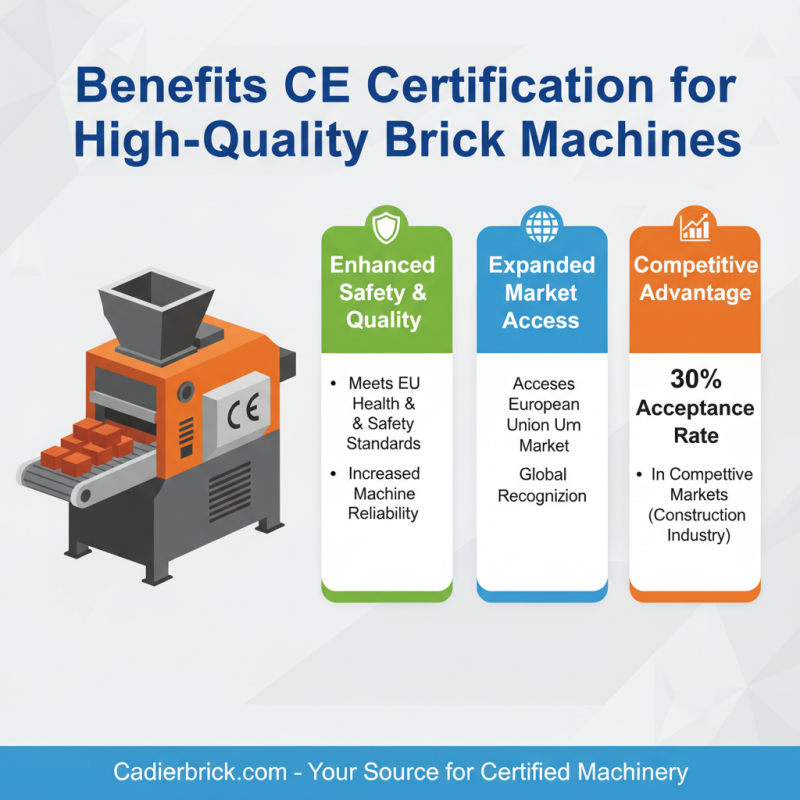
Benefits of CE Certification for High-Quality Brick Machines
CE certification plays a crucial role in ensuring the safety and quality of machinery, including the Clay Brick Maker Machine. It signals compliance with European Union safety and health standards. This certification not only boosts the machine's reliability but also expands its market reach. In several industries, including construction, CE-certified products report a 30% higher acceptance rate in competitive markets.
The benefits of CE certification extend beyond compliance. It enhances customer trust and fosters brand loyalty. According to industry reports, companies with certified products see a 25% increase in customer satisfaction. Additionally, having CE certification can reduce liabilities and improve operational efficiencies. A well-documented CE process reveals that 70% of manufacturers noted fewer incidents related to safety and quality issues post-certification.
However, achieving CE certification may require significant investment in time and resources. Some manufacturers find the process overwhelming due to stringent requirements. They may face challenges in demonstrating compliance. Continuous training and quality management systems are essential. Manufacturers should focus on understanding these requirements deeply. This initiative can lead to more effective production practices and ultimately, a superior Clay Brick Maker Machine that meets market demands.
Common Challenges in CE Certification Process
CE certification is vital for clay brick machines to meet European safety and environmental standards. However, navigating the certification process can be challenging. One common hurdle is the complexity of the technical documentation required. Companies must provide detailed reports, including risk assessments and performance data, which can be time-consuming and costly to compile.
Another challenge is the often unclear guidelines set by certification bodies. Manufacturers may struggle with varying interpretations of standards like the Machinery Directive and the Low Voltage Directive. In fact, a study indicated that 25% of manufacturers faced delays due to misunderstandings of regulatory requirements. This inconsistency can lead to frustration and increased costs, as companies must rework their designs for compliance.
Quality control is also a significant factor. Ensuring every machine meets CE requirements can be daunting. A recent industry survey showed that around 40% of manufacturers reported issues with quality checks during the certification phase. This not only affects production timelines but can also impact the machine's ultimate marketability.
What is CE Certification for High-Quality Brick Machine for Clay? - Common Challenges in CE Certification Process
| Challenge |
Description |
Impact |
Potential Solutions |
| Documentation |
Insufficient documentation can delay the certification process. |
Increased time for market entry. |
Ensure all technical files are complete and accurate. |
| Technical Compliance |
Failure to meet technical specifications can lead to rejection. |
Additional costs to redesign products. |
Conduct thorough testing prior to submission. |
| Regulation Updates |
Regular changes in EU regulations can create confusion and delays. |
Increased risk of non-compliance. |
Stay updated with regulatory changes through industry newsletters. |
| Testing Procedures |
Difficulties in meeting the testing requirements can arise. |
Delays and potential extra costs. |
Engage with certified laboratories for accurate testing. |
| Cost Management |
High costs associated with CE certification can be a barrier. |
Financial strain on smaller manufacturers. |
Budget accordingly and seek financial advice. |
Maintaining Compliance After Receiving CE Certification
CE certification is essential for any high-quality brick machine for clay. However, complying with CE standards is not a one-time effort. Once your equipment receives CE certification, continuous vigilance is required to maintain compliance. Many manufacturers overlook this aspect, leading to costly issues later on. This oversight often stems from a lack of understanding about ongoing compliance requirements.
After receiving CE certification, regular audits are vital. These audits ensure that the brick machine consistently meets established standards. For instance, maintaining the correct operating parameters for a Clay Brick Drying Machine is crucial. Regularly checking machinery performance and safety features can prevent potential compliance failures. Moreover, training staff on safety and operational standards is an area often neglected.
Another challenge is adapting to changes in regulations. Standards may evolve, and manufacturers must stay updated. Resource allocation for compliance training and updates can be tight, leading some to take shortcuts. Ignoring these updates can put companies at risk of non-compliance. Therefore, treating compliance as an ongoing process rather than a one-off task is essential for sustaining quality and reliability.
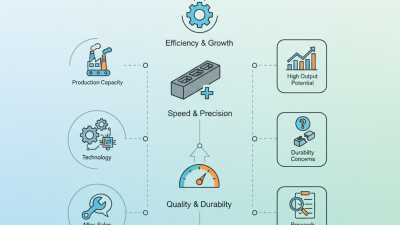
CE Certification Compliance for High-Quality Brick Machines
This chart illustrates the compliance levels of various categories necessary for CE certification in high-quality clay brick machines. Each category plays a vital role in ensuring that the machine meets safety, design, and environmental regulations, promoting quality manufacturing practices.
Enhancing Sintered Brick Production: Insights and Innovations in China’s Single Shaft Extruding Mixer Machine Market
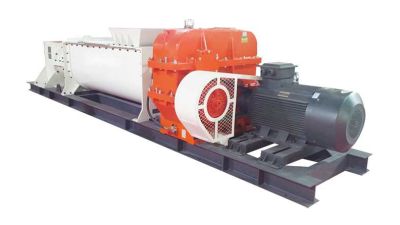
In the dynamic landscape of sintered brick production in China, the single shaft extruding mixer stands out as an indispensable tool for manufacturers aiming to enhance their operational efficiency. This innovative equipment is designed specifically for the advanced processing of various raw materials, including coal gangue, fly ash, slag, and sludge. Its multifunctional capabilities—such as hydrating, stirring, mixing, homogenizing, and cultivating—ensure that the raw materials are not only adequately prepared but also maximize their plasticity. This transformation is crucial for producing high-quality sintered bricks that meet industry standards.
Understanding the significance of the extruding mixer in the production line is essential for manufacturers seeking to remain competitive. By investing in state-of-the-art mixing technology, companies can significantly elevate their production capabilities while simultaneously ensuring superior quality in the final products. As the demand for sustainable construction materials increases, the extruding mixer presents an innovative solution by optimizing the use of recycled materials. Thus, leveraging such advanced equipment can lead to enhanced product quality and production efficiency, paving the way for future growth in the sintered brick industry.
FAQS
: CE certification indicates compliance with European health, safety, and environmental standards.
It ensures safety, reliability, and improves operational efficiency in manufacturing clay bricks.
The CE mark signifies adherence to various EU directives involving safety and environmental impact.
Manufacturers focusing on CE standards report a 25% reduction in operational failures.
Many certified machines incorporate eco-friendly technologies, aligning with industry sustainability trends.
CE certification boosts reliability and increases acceptance rates by 30% in competitive markets.
Companies with CE certified products experience a 25% increase in customer satisfaction.
They often find the process overwhelming and struggle with strict compliance requirements.
Continuous training and understanding requirements can lead to superior production practices.
Significant investment in time and resources is often required, potentially leading to operational weaknesses.
Conclusion
CE certification is a crucial compliance mark that signifies a product meets the safety, health, and environmental protection standards required in the European Union. For manufacturers of brick machines for clay, achieving CE certification is essential not only for legal compliance but also for enhancing marketability and ensuring the machinery's reliability and safety. The certification process involves understanding specific requirements in brick manufacturing, completing necessary documentation, and passing rigorous testing procedures.
The benefits of obtaining CE certification for high-quality brick machines include increased customer trust, access to European markets, and reduced liability risks. However, manufacturers often face challenges during the certification process, such as navigating complex regulations and adapting machinery to meet compliance standards. Once CE certification is obtained, maintaining compliance through regular audits and updates is vital to uphold quality and safety standards in the production of brick machines for clay.