请留言
    
0%

A Brick Tunnel Kiln is basically this big, continuous industrial oven designed to fire clay bricks with just the right amount of heat. Unlike those old-school batch kilns where you have to load, fire, and unload in separate steps, a tunnel kiln keeps everything moving smoothly through different zones — preheating, firing, and cooling — all in one long, insulated tunnel. Bricks are loaded onto these kiln cars, which slowly glide through, making the whole process super efficient. That steady pace helps produce consistent bricks and cuts down on heat loss from repeated heating and cooling.

So, inside, burners crank up the heat to just the right temp depending on what kind of brick you’re making. Airflow systems then guide hot gases around the bricks, ensuring even firing. Sensors keep an eye on temperature, pressure, oxygen levels, and fuel consumption. Skilled kiln engineers then tweak these controls to manage moisture content, firing speed, and how heat is spread out. Even tiny adjustments can make a big difference—like a slight change in temperature can alter the brick’s color, strength, shrinkage, or water absorption.

On paper, it all sounds pretty straightforward, right? But in real life, it takes a good eye and experience to run things smoothly. How you arrange the bricks, seal the kiln cars, maintain the burners, and balance the exhaust all really affect the final quality. Modern systems often come with automation, but in the end, operators still need to inspect the bricks, jot down performance data, and investigate any weird results. No system is foolproof, and a poorly loaded kiln can lead to uneven firing, cold spots, or wasted fuel.

This guide aims to break down how a Brick Tunnel Kiln works, why each zone is so important, and which little operational details are crucial for consistently good bricks. It also points out that behind all the simple explanations, there are practical challenges like maintenance needs, installation costs, and how raw materials can change things up. Having solid engineering data is still key. Good results come from the right equipment, accurate measurements, and disciplined, careful operation.
What Is a Brick Tunnel Kiln and How Does It Work?

Definition and Basic Structure of a Brick Tunnel Kiln

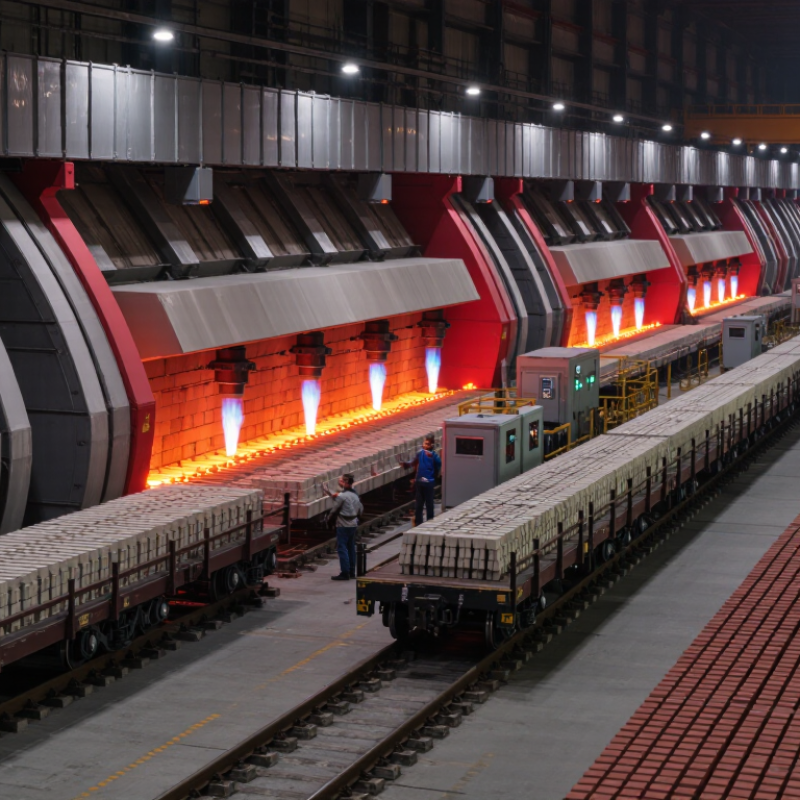
A brick tunnel kiln is a long, insulated furnace designed for continuous brick firing. Its basic structure includes a loading area, preheating zone, firing zone, cooling zone, and unloading area. Bricks travel through these sections on kiln cars or a moving support system. The kiln walls use heat-resistant materials to retain stable temperatures and reduce heat loss.

In the preheating zone, warm exhaust gases slowly remove moisture from the bricks. The firing zone uses controlled burners to raise the temperature and strengthen the clay body. Brick Tunnel Kiln Gas may refer to the fuel or gas flow used during this heating process. Sensors monitor temperature, pressure, and air movement. Operators adjust dampers and burners when conditions change. Small errors matter.

Tips: Keep brick spacing consistent. Crowded settings restrict airflow and create uneven colors. Check the kiln car seals regularly, because small gaps waste heat. Record temperature readings from each zone, not only the main control panel. A clean flame often indicates balanced combustion, but visual checks alone are not enough. Moisture, clay composition, and loading density can still affect results. Practical experience should support, not replace, measured data.

Main Components and Their Functions

A brick tunnel kiln is a continuous furnace for drying and firing clay products. For Tunnel Kiln Clay Brick production, the kiln car moves bricks through controlled temperature zones. Its steel frame supports a refractory deck, while insulation reduces heat loss. The preheating zone removes remaining moisture gradually. This reduces cracking and uneven shrinkage. The European Commission’s Ceramic Manufacturing Industry BREF reports typical brick firing temperatures of about 900–1,200°C.

The firing zone contains burners, combustion chambers, and temperature sensors. Burners supply controlled heat around the stacked bricks. Thermocouples measure air and product temperatures at several points. Fans distribute hot gases and limit temperature differences. A poorly balanced airflow can leave dark cores or weak edges. It happens more often than diagrams suggest. The cooling zone then lowers brick temperature in stages. Recovered cooling air can support combustion and reduce fuel demand. The same BREF indicates ceramic firing energy commonly falls near 1–3 GJ per tonne, depending on product design and kiln efficiency.

Exhaust ducts remove combustion gases and moisture from the preheating area. Seals around kiln-car gaps prevent uncontrolled air entry. Control systems adjust fuel, pressure, speed, and oxygen levels. The U.S. EPA AP-42 guidance identifies kiln operation and fuel combustion as important emission-control considerations. In practice, operators still inspect brick stacking by hand. Sensors cannot detect every loading mistake. A single uneven gap may disturb airflow, increase fuel use, and distort color across one batch.

What Is a Brick Tunnel Kiln and How Does It Work? – Main Components and Their Functions
Component or Stage Main Function How It Works in the Kiln Key Operating Considerations
Basic Definition and Material Flow
Tunnel Kiln Structure Provides a long, insulated chamber in which bricks are heated, fired, and cooled under controlled conditions. Bricks move continuously through fixed temperature zones while the kiln structure remains stationary. A stable internal atmosphere, consistent temperature, and controlled movement are essential for uniform firing.
Kiln Cars Carry green bricks through the kiln. Refractory-lined cars enter at the charging end, travel through the firing cycle, and exit at the discharge end. Car alignment, sealing, wheel condition, and insulation affect heat loss and product quality.
Green Brick Loading Area Places unfired, dried bricks onto kiln cars in a planned arrangement. Bricks are stacked with designed gaps that allow hot gases to circulate around the product. The stacking pattern must support airflow without causing excessive pressure, leaning, or breakage.
Preheating and Firing Components
Preheating Zone Raises the temperature of dried bricks gradually before firing. Hot gases from the firing zone flow toward the incoming bricks, removing residual moisture and reducing thermal shock. Heating too quickly can cause cracking, especially when bricks contain residual water.
Burner System Supplies the heat required to transform dried clay into a durable ceramic product. Fuel and combustion air are mixed and burned through multiple burners positioned along the firing zone. Air-to-fuel ratio, flame stability, burner position, and fuel pressure influence temperature uniformity.
Firing Zone Provides the peak thermal treatment needed for brick sintering and strength development. Bricks pass through the highest-temperature section for a controlled residence time. Typical brick firing temperatures are commonly about 900–1,200°C, depending on the clay and product specification. Peak temperature, soaking time, kiln atmosphere, and heating rate must match the raw material and brick design.
Refractory Lining Protects the kiln shell and retains heat inside the process chamber. Refractory materials withstand high temperatures while reducing heat transfer to the outer steel structure. Damaged or poorly fitted lining increases energy consumption and may create cold spots.
Kiln Roof and Side Walls Form the enclosed heating path and maintain a controlled thermal environment. The insulated enclosure directs hot gases over and around the brick setting while limiting uncontrolled air leakage. Expansion joints and structural movement must be allowed for during repeated heating and cooling cycles.
Cooling and Air-Handling Components
Cooling Zone Reduces the temperature of fired bricks before unloading. Fresh air enters the downstream end, absorbs heat from the fired product, and moves toward the firing area. Cooling that is too rapid may produce thermal stress, while insufficient cooling lowers production efficiency.
Combustion-Air Fans Deliver controlled air to the burners. Fans provide the pressure and flow needed for combustion and help maintain the intended temperature profile. Fan flow should be balanced with fuel supply and exhaust conditions to prevent unstable combustion.
Exhaust Fan and Stack Remove combustion gases and maintain airflow through the kiln. The exhaust system creates a pressure difference that moves gases from the firing and preheating zones toward the stack. Excessive negative pressure can draw in cold air; inadequate draft can disturb combustion and temperature control.
Recirculation Ducts Redistribute heat and gases to improve temperature uniformity and energy use. Part of the hot gas stream is redirected to selected kiln zones or drying equipment where applicable. Dampers and duct balance must be adjusted to avoid uneven airflow across the brick setting.
Measurement, Control, and Product Handling
Temperature Sensors Measure temperatures in different kiln zones. Thermocouples or other industrial sensors send readings to the control system for monitoring and adjustment. Sensor location, calibration, and protection from mechanical damage affect measurement accuracy.
Pressure Measurement Points Monitor the pressure balance inside the kiln. Pressure readings help operators regulate fans, dampers, and exhaust flow across the preheating, firing, and cooling zones. A controlled pressure profile helps limit air infiltration and supports consistent firing.
Automatic Control System Coordinates temperature, fuel, airflow, pressure, and car movement. Controllers use sensor feedback to adjust burners, fans, dampers, and drive equipment according to the firing schedule. Reliable alarms, interlocks, data logging, and backup procedures improve safety and process stability.
Kiln Car Drive System Moves kiln cars through the tunnel at a controlled speed. A mechanical or hydraulic drive advances cars incrementally or continuously, determining the product residence time. Travel speed must remain synchronized with the temperature profile and production output.
Discharge and Unloading Area Removes cooled fired bricks from the kiln cars for inspection, packaging, or storage. Unloading equipment separates the finished bricks from the cars, which are then returned to the loading side. Gentle handling reduces chipping and breakage after firing.
Typical Operating Sequence
1. Drying Before Firing Removes most free moisture from molded bricks. Bricks are dried in a separate controlled dryer or drying area before entering the kiln. Entering the kiln with excessive moisture increases the risk of cracking or spalling.
2. Preheating Raises the temperature gradually and completes the removal of residual moisture. Incoming green bricks receive heat from gases leaving the firing zone. Uniform gas circulation is needed to avoid temperature differences within the setting.
3. Firing Sintering develops the brick’s strength, hardness, and dimensional stability. Controlled combustion raises the brick to the required peak temperature and holds it for the necessary time. Underfiring can produce weak, porous bricks; overfiring can cause deformation, bloating, or excessive vitrification.
4. Cooling Brings fired bricks to a safe handling temperature. Air flows through the cooling zone and recovers useful heat for combustion or other plant processes when designed for heat recovery. The cooling rate should be controlled to minimize thermal shock and product defects.
5. Inspection and Sorting Identifies bricks that meet or fail required appearance and performance criteria. Finished products are checked for dimensions, color, cracks, warping, chips, and other visible defects. Consistent firing conditions improve color uniformity and reduce the proportion of rejected products.

How Bricks Move Through the Kiln

What Is a Brick Tunnel Kiln and How Does It Work?

How Bricks Move Through the Kiln

A brick tunnel kiln is a long, insulated chamber built for continuous firing. Freshly shaped bricks enter on strong kiln cars, which travel along fixed rails. The movement is steady, not rushed. Each car carries a carefully arranged stack of green bricks. Small gaps between the bricks allow hot air to circulate evenly.

The journey usually has three working zones: preheating, firing, and cooling. In the preheating zone, warm exhaust gases remove moisture and gradually raise the brick temperature. Sudden heating can cause cracks, so this stage requires close control. The cars then pass through the firing zone, where burners create temperatures suitable for the clay body. Heat moves around the stack and slowly penetrates each brick. Operators monitor temperature, fuel flow, pressure, and travel speed. A minor imbalance can produce pale surfaces, dark cores, or unwanted warping.

After firing, the cars enter the cooling zone. Controlled air removes heat without shocking the bricks. Recovered hot air often returns to earlier zones, improving energy efficiency. The bricks remain on their cars until they are cool enough for safe unloading. The system looks simple from outside. It is not. In practice, uneven stacking or changing moisture can disturb the whole cycle. Experienced operators still adjust settings after studying test pieces and kiln records. That practical judgment remains important, even in a highly automated process.

The Stages of Drying, Preheating, Firing, and Cooling

A Clay Brick Tunnel Kiln moves brick cars continuously through controlled temperature zones. The process begins with drying, often below 200°C. Heated air removes surface moisture from freshly molded bricks. Cracks can appear when airflow is too fast. Moisture sensors and careful air balancing reduce this risk.

Preheating gradually raises the brick temperature before firing. This stage removes bound water and prepares minerals for transformation. In the firing zone, temperatures commonly reach 900–1,100°C, depending on the clay body. The European Commission’s Ceramic Manufacturing BREF reports typical thermal energy consumption for brick production at roughly 1.5–3.5 GJ per tonne. The range is wide. Product size, moisture, insulation, and kiln loading all matter. Uneven loading can create pale faces and weak edges.

Cooling follows firing and must remain controlled. Cold air enters the cooling zone, then transfers heat toward preheating. This heat recovery lowers fuel demand. US EPA AP-42 identifies drying, firing, and material handling as key emission points in structural clay production. Operators therefore monitor oxygen, carbon monoxide, pressure, and kiln temperature continuously. A brick may look finished while its center remains unstable. That is an easy mistake. In practice, cooling curves often need adjustment after seasonal changes in raw-material moisture.

What Is a Brick Tunnel Kiln and How Does It Work?

Representative temperature profile across the four main stages of brick production

In a tunnel kiln, bricks move continuously through controlled temperature zones. Drying removes free moisture, preheating gradually raises the temperature and burns out remaining organic matter, firing typically reaches about 900–1,100°C to develop strength, and cooling lowers the temperature gradually to reduce thermal shock and cracking. The values shown are representative of a common clay-brick firing cycle and may vary with brick composition, moisture content, and kiln design.

Fuel Systems and Temperature Control

What Is a Brick Tunnel Kiln and How Does It Work?

A brick tunnel kiln moves loaded cars through preheating, firing, and cooling zones. Burners usually fire natural gas, biogas, or prepared solid fuels. The European Commission’s Ceramic Manufacturing Industry BREF reports firing temperatures commonly ranging from 900°C to 1,300°C. The exact setpoint depends on clay chemistry, moisture, and brick density.

Fuel control is not simply about adding more heat. Burners must maintain stable flame shape, gas pressure, and air-to-fuel balance. Too much air carries heat into the exhaust. Too little air creates incomplete combustion and dark surfaces. Oxygen probes, thermocouples, and pressure sensors help operators adjust each zone. Recovered cooling air can support combustion, reducing fuel demand. However, heat recovery often underperforms when ducts leak or fans are poorly balanced.

The International Energy Agency reports that industrial heat remains a major source of global energy demand, making kiln efficiency commercially important. The European Commission also identifies insulation, automatic firing controls, and waste-heat recovery as key energy-saving measures in ceramic production. In practice, a 10°C change can affect color, strength, or water absorption. The control screen may look stable, yet the brick core can remain cooler.

Tips: Log fuel use per thousand bricks, not only daily totals. Check burner flames through inspection ports. Calibrate sensors regularly. Do not trust one measurement. Temperature uniformity deserves separate testing.

Advantages, Limitations, and Common Applications

What Is a Brick Tunnel Kiln and How Does It Work?

A Tunnel Brick Firing Kiln is a long, insulated chamber with several controlled heating zones. Brick-loaded cars move slowly through preheating, firing, and cooling sections. Burners raise the temperature gradually, while fans and ducts recover useful heat. The heat stays steady. Operators monitor thermocouples, gas flow, kiln pressure, and brick color. Color alone can mislead, especially when moisture remains inside the load.

Its main advantage is consistent production. A continuous process can fire thousands of bricks with less handling between batches. Controlled cooling also reduces thermal shock, cracking, and unnecessary fuel use. The kiln suits structural bricks, facing bricks, pavers, and some architectural ceramic units. Large plants benefit most because the equipment supports repeatable schedules and labor-saving automation. In my experience, stable loading matters as much as burner settings. Small gaps can change airflow and leave pale corners.

The limitations are significant.

Installation requires a long building, strong foundations, and substantial capital. Maintenance can be demanding around burners, seals, refractory linings, and moving kiln cars. A tunnel kiln also dislikes frequent product changes. Small custom batches may waste energy and time. In practice, the ideal temperature profile is never perfectly flat. Poorly dried bricks may crack before firing, despite accurate controls. That is an uncomfortable lesson. Process records, sample testing, and regular inspection remain more reliable than confident assumptions.

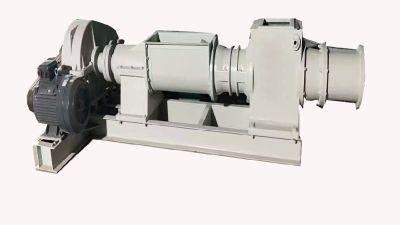
YFSJ De-Airing Pug Mill Extruder: Efficient Clay Processing for Brick and Ceramic Production

A single-shaft vacuum de-airing pug mill extruder is an essential solution for efficient clay processing in brick and ceramic production. By combining thorough mixing, controlled moisture adjustment, and vacuum de-airing in one continuous operation, the machine helps create a more uniform and workable clay body. Removing trapped air improves material density and consistency, supporting smoother extrusion and reducing common defects such as cracks, voids, and uneven surfaces.

Designed for demanding manufacturing environments, this clay processing system can handle a steady supply of prepared material while maintaining reliable performance. Its streamlined structure supports efficient production, easier operation, and consistent output across different brick and ceramic applications. The powerful mixing and extrusion process helps manufacturers prepare clay to meet precise forming requirements, improving product quality and reducing material waste. With durable construction and practical operating features, it is well suited for factories seeking a dependable upgrade to their production line.

FAQS

What is a brick tunnel kiln?

It is a long, insulated chamber with several controlled heating zones. Loaded cars move through preheating, firing, and cooling sections. The process is continuous.

How hot does a tunnel kiln usually become?

Firing temperatures commonly range from 900°C to 1,300°C. The correct setting depends on clay chemistry, moisture, and brick density. A small temperature change matters.

Which fuels can heat a brick tunnel kiln?

Common options include natural gas, biogas, and prepared solid fuels. Fuel choice affects flame control, emissions management, and operating cost. More fuel is not always better.

How do operators control combustion?

Operators balance gas pressure, airflow, and flame shape. Oxygen probes, thermocouples, and pressure sensors provide useful readings. One measurement should never decide everything.

Can waste heat reduce fuel consumption?

Recovered cooling air can support combustion and reduce fuel demand. Leaking ducts or poorly balanced fans can weaken this benefit. Heat recovery is helpful, but imperfect.

What products suit a brick tunnel kiln?

The kiln suits structural bricks, facing bricks, pavers, and some architectural ceramic units. Large plants gain the most from continuous production. Small custom batches may waste energy.

What are the main limitations of this kiln type?

Installation needs a long building, strong foundations, and substantial capital. Burners, seals, refractory linings, and kiln cars require regular maintenance. Frequent product changes can be inefficient.

Why can bricks crack even when controls look accurate?

Poorly dried bricks may crack before firing, even with stable temperature readings. The brick core can remain cooler than the control screen suggests. The display can mislead.

How should operators monitor kiln performance?

Record fuel use per thousand bricks, not only daily totals. Inspect burner flames through viewing ports and calibrate sensors regularly. Test temperature uniformity separately. Assume nothing.

Conclusion

A Brick Tunnel Kiln is a continuous industrial furnace designed to fire large quantities of bricks efficiently. It consists of a long, insulated tunnel divided into functional zones, including drying, preheating, firing, and cooling areas. Bricks are placed on kiln cars or a controlled transport system and move steadily through the tunnel. As they progress, moisture is removed, the temperature gradually rises to achieve proper firing, and the finished bricks are cooled in a controlled manner before leaving the kiln.

Key components include the kiln chamber, kiln cars, burners or heating units, ventilation equipment, temperature sensors, and control systems. Fuel is supplied through strategically positioned burners, while airflow and temperature are adjusted to maintain consistent firing conditions. This design supports continuous production, uniform product quality, and efficient energy use. However, a Brick Tunnel Kiln requires significant initial investment, careful maintenance, and skilled operation. It is commonly used in large-scale brick manufacturing where stable output and consistent performance are important.
Clara

Clara

Clara is a dedicated marketing professional at We Henan Cadier Green Building Technology Co., Ltd., a company committed to providing comprehensive solutions for large-scale production lines of new energy-saving and environmentally friendly wall materials since 2009. With an extensive knowledge of......
Previous How to Choose the Best Brick Drying Machine?