请留言
    
0%

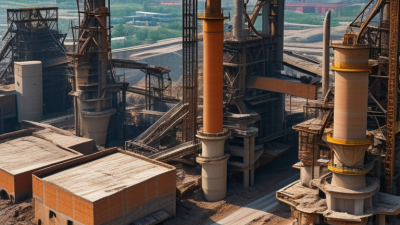
A brick production line is basically a complete system that transforms raw materials into consistent bricks used for construction. Usually, it handles clay, shale, fly ash, or concrete mixes. The process kicks off with storing the raw materials and crushing them down to size. After that, the fine particles go through screening and careful dosing. Before mixing, water and additives are added to create a workable paste, and it’s really important that the mix feels uniform—not too wet or too dry.

Next up, the mixture is shaped into green (unfired) bricks using a vacuum extruder or a brick press. These green bricks then move along conveyor belts to get cut, stacked, and dried. Drying is super important because it removes moisture gradually — drying too fast can cause cracks, but if it’s too slow, it can slow down the whole operation. Once dried, the bricks go into a tunnel kiln where they’re fired at carefully controlled temperatures. During firing, everything from heat zones to fuel consumption and airflow needs constant monitoring. After firing, the bricks are cooled down, checked for quality, and packed up ready to be shipped.

Of course, the exact setup depends on things like the size of the bricks, daily production goals, the type of fuel used, and local material conditions. Sometimes you'll see the term Ecp Production Line, but keep in mind that this might be a specific brand or supplier term rather than a universal industry standard. A good manufacturer should provide test results, detailed specs of the equipment, maintenance tips, and proper training for operators — hands-on experience really makes a difference here. Dust, vibration, worn molds, or uneven moisture levels can throw off results pretty quickly. No factory’s perfect all the time — operators need to rely on good judgment.

This overview walks through each step, from preparing the raw materials to final quality checks. It also considers energy use, automation levels, potential risks in production, and realistic maintenance needs. While it’s based on standard industrial practices, every project has its unique variables — so, of course, lab testing and on-site evaluation are essential. Small assumptions aren’t harmless; they can end up causing pretty costly problems down the line.
What Is a Brick Production Line and How Does It Work?

What a Brick Production Line Is and What It Produces

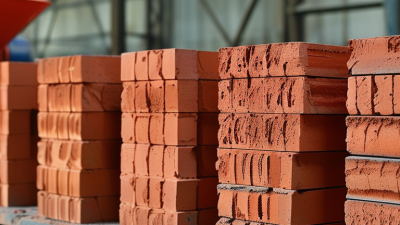
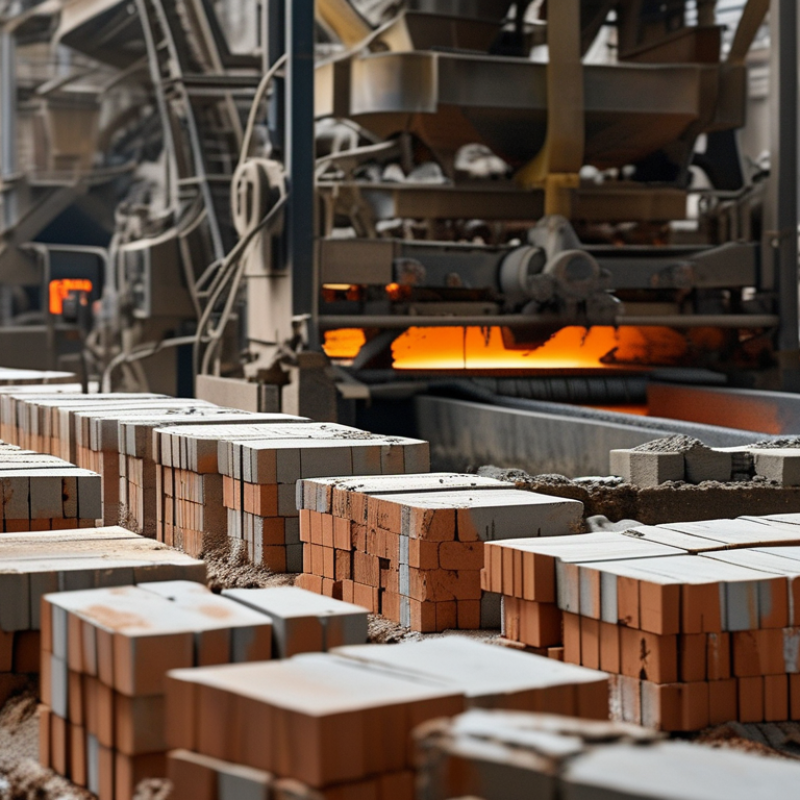
A brick production line is an integrated system that turns mineral raw materials into finished masonry units. It starts with clay, shale, or blended industrial minerals. Excavated material is crushed, screened, and mixed with controlled water. The prepared mixture then passes through a vacuum extruder or press. This stage forms long columns, solid bricks, hollow blocks, or paving units. Cutting equipment creates consistent lengths and sharp edges. Dryers remove moisture before firing. Kilns heat the green bricks until their structure becomes hard and durable.

The line produces more than ordinary red bricks. It can manufacture perforated wall units, facing bricks, roof tiles, pavers, and custom shapes, depending on the molds and firing settings. The U.S. Geological Survey’s Mineral Commodity Summaries 2024 reported roughly 2.7 million metric tons of common clay production in the United States during 2023. Much of this material supports brick, cement, and lightweight aggregate manufacturing. That figure shows the scale of the raw-material stream, not final brick output. The distinction matters. The UNEP Global Status Report for Buildings and Construction 2023 states that buildings and construction consumed about 34% of global energy and produced approximately 37% of energy and process-related emissions. Drying and firing therefore require careful control. A small moisture error can cause cracks, warping, or weak corners. Quality is visible. Yet automation cannot replace every inspection; kiln variation and recycled material can still produce unexpected results.

Key Materials Used in Brick Manufacturing

What Is a Brick Production Line and How Does It Work?

A brick production line transforms raw minerals into strong, uniform masonry units. The main ingredients are clay, shale, sand, water, and carefully selected mineral additives. Clay provides plasticity, while shale can improve structure and reduce drying movement. Sand helps control shrinkage, but too much sand may weaken the finished brick. Water must be measured closely. Excess moisture creates cracks, while insufficient moisture makes shaping difficult.

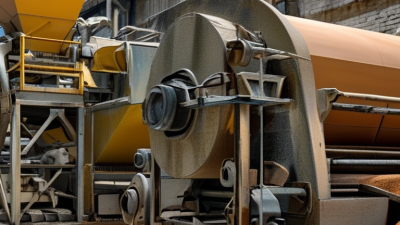
In a Brick Machine Fired Clay Brick Making Machine setup, operators usually crush, screen, and blend the raw materials before forming. The prepared mix passes through a vacuum extruder or molding system, then a cutter creates consistent green bricks. Drying removes internal moisture gradually. Kiln firing then hardens the body through controlled heat. Temperature records, moisture checks, and sample testing support reliable production. Small details matter.

Practical experience shows that material variation can disrupt an otherwise efficient line. One clay deposit may contain more iron, producing darker tones after firing. Another may hold hidden moisture, causing warping during drying. Operators should test each batch instead of trusting old settings. I have seen production plans fail because a simple sieve inspection was skipped. The process is measurable, but never perfectly predictable. Regular calibration, clean mixing equipment, and patient drying reduce avoidable defects. Some adjustments still require judgment.

What Is a Brick Production Line and How Does It Work?

A brick production line typically prepares clay-based raw materials, mixes them with water, forms the bricks, dries them, and fires them in a kiln. The chart shows a representative chemical composition of fired clay brick by mass; actual values vary with the clay deposit and product specification.

Silicon dioxide and aluminum oxide mainly come from clay, shale, and added sand. Iron oxides influence brick color, while calcium, magnesium, and alkali oxides act as natural fluxes during firing. Water is used during mixing and forming, then removed during drying and kiln firing.

How Raw Materials Are Prepared and Mixed

A reliable brick production line begins with disciplined raw material preparation. Most brick bodies use clay or shale, then adjust texture with sand, grog, and water. The U.S. Geological Survey’s Mineral Commodity Summaries 2024 reports about 23 million metric tons of common clay and shale sold or used in the United States during 2023. That scale makes consistency essential.

Excavated clay first passes through crushers, screens, and magnetic separators. These steps remove stones, metal, and oversized fragments. The U.S. EPA’s AP-42, Chapter 11.3, identifies crushing, grinding, screening, and conveying as important dust-generating operations. Covered transfer points and controlled feeding therefore protect both material quality and workers. The European Commission’s Ceramic Manufacturing BREF reports brick-production water use ranging from roughly 0.1 to 1.5 cubic metres per tonne, depending on equipment and recycling practices. Water is not merely added; it must be distributed evenly.

A practical operator checks the blend by hand. A properly mixed sample feels firm, but it does not crumble immediately. Too much moisture can deform the extruded column. Too little moisture can create hidden laminations and weak corners. The mixer may look simple. It is not. Small changes in clay moisture can force adjustments to mixing time, vacuum pressure, and cutter speed before the green bricks enter the Brick Kiln. No formula works everywhere; local clay behavior still demands testing, records, and occasional reconsideration.

How Bricks Are Formed Through Molding or Extrusion

A brick production line turns prepared clay into consistent building units. Its central work happens through molding or extrusion. Operators remove stones and blend clay with water. The mixture must feel plastic, not sticky. Moisture readings guide this adjustment. Small errors here become visible later.

In molding, measured clay portions enter lined molds. Pressure fills each cavity and sharpens the corners. Some lines use release agents for cleaner removal. The fresh brick leaves with a defined shape. Molding suits products needing varied faces or special dimensions. However, uneven filling can create soft edges and hidden voids. Surface appearance alone is unreliable. Weight checks and cut samples reveal more.

Extrusion uses a pug mill to compress clay into a dense column. A shaped die determines its width and height. Wires slice the column into repeating green bricks. This method supports steady output and accurate dimensions. It works well for standard wall units and some Brick Oven materials. Drying must remove moisture gradually, or cracks may appear. Firing then hardens the clay and develops its final strength. Temperature control matters throughout the kiln. A slight mismatch between clay moisture and drying speed can still cause distortion. That weakness deserves regular testing, not assumptions.

How Green Bricks Are Dried and Fired

What Is a Brick Production Line and How Does It Work?

A Brick Maker shapes prepared clay into green bricks before drying and firing. The drying stage removes free moisture slowly. Uneven heating can create cracks, warped edges, or hidden internal stress. Dryers commonly use warm recovered air from the kiln, improving thermal efficiency and reducing fuel waste. The European Commission’s Ceramic Manufacturing BREF reports tunnel-kiln energy use commonly around 1.5–3.5 GJ per tonne, depending on clay, product design, and operating conditions.

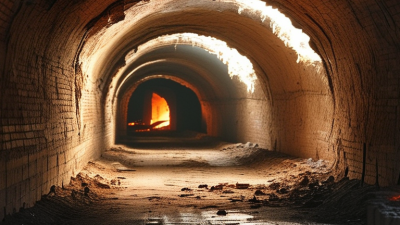
Inside the kiln, green bricks pass through preheating, firing, and cooling zones. Temperatures often reach approximately 900–1,100°C for common clay bricks. During firing, minerals change permanently, giving the brick strength and water resistance. Good control matters more than speed. A slightly slower drying cycle may prevent expensive breakage. UNEP’s 2023 Global Status Report states that buildings and construction produced about 37% of global energy and process-related carbon emissions in 2022. Efficient heat recovery therefore deserves serious attention, even in smaller plants.

Tips: Measure moisture at several kiln-car positions, not only near the entrance. Keep airflow balanced across the dryer. Record fuel, temperature, and rejected bricks daily. The target is rarely perfect. Local clay can behave differently after rain, storage, or mixing. A skilled operator should adjust the curve, rather than trust one permanent setting.

What Is a Brick Production Line and How Does It Work? — How Green Bricks Are Dried and Fired
Production Stage Main Purpose Typical Equipment Key Operating Data Material or Energy Change Environmental Considerations
1. Raw Material Preparation Prepare a consistent clay mixture suitable for forming. Box feeder, pan mill, roller crusher, screens and conveyors Moisture: commonly about 15–25% for plastic extrusion, depending on the clay and forming method. Clay is crushed, screened and blended. Oversized particles are removed or returned for further processing. Covered conveyors and enclosed crushers help control dust. Reusing rejected unfired clay reduces raw-material waste.
2. Mixing and Conditioning Distribute water evenly and improve the plasticity of the clay. Double-shaft mixer, pug mill and water-dosing system Typical control: uniform moisture and limited air pockets before forming. Water activates the clay minerals and produces a cohesive feedstock for extrusion or pressing. Accurate water dosing reduces over-drying, cracking and unnecessary fuel consumption later in the process.
3. Forming Shape the conditioned clay into bricks or hollow blocks. Vacuum extruder, die, wire cutter or hydraulic press Common products: solid bricks, perforated bricks and hollow units. The clay is compacted and cut to controlled dimensions. Hollow designs use less material per unit and can improve thermal performance. Product design should balance reduced material use with adequate strength and durability.
4. Green Brick Handling Move freshly formed, unfired bricks without distortion. Automatic stacker, setting machine, pallets and kiln cars Quality focus: accurate spacing, stable stacking and protection from impact. Green bricks still contain substantial physical moisture and have low mechanical strength. Careful handling lowers breakage and prevents defective products from entering the dryer or kiln.
5. Controlled Drying Remove free water gradually before firing. Chamber dryer or continuous tunnel dryer, fans and heat-exchange system Typical cycle: approximately 24–48 hours, although the duration varies with brick size, moisture, airflow and dryer design. Most of the removable water evaporates. The bricks shrink slightly and become strong enough for kiln loading. Waste heat from the kiln is often used as drying air. Gradual humidity and temperature changes help prevent cracks and warping.
6. Preheating Raise the temperature progressively and remove remaining moisture. Tunnel kiln preheating zone, fans and temperature controls Temperature range: generally from ambient conditions to several hundred degrees Celsius, depending on the firing schedule. Residual physical water leaves the brick. Organic matter begins to decompose as the temperature increases. Controlled preheating prevents steam pressure from damaging the brick and improves kiln efficiency.
7. Firing and Sintering Develop permanent strength, hardness, color and water resistance. Tunnel kiln, burners, combustion controls and temperature sensors Peak temperature: commonly about 900–1,100°C for many clay bricks; the exact value depends on the clay formulation and product specification. Clay minerals undergo irreversible physical and chemical changes. Particles bond through sintering, creating a durable ceramic structure. Efficient insulation, optimized airflow and heat recovery reduce fuel use. Emissions control may be required for particulates and gaseous pollutants.
8. Cooling Lower the temperature safely while preserving product quality. Cooling zone, controlled-air fans and heat-recovery ducts Process control: cooling must be gradual enough to limit thermal shock and cracking. Hot fired bricks release stored heat. A portion of this heat can be redirected to the dryer or combustion system. Heat recovery improves overall thermal efficiency and reduces the need for separately generated drying heat.
9. Inspection and Sorting Check dimensions, appearance and performance before dispatch. Visual inspection stations, dimensional gauges, strength-testing equipment and automated sorting systems Typical checks: dimensions, cracks, warping, color consistency, water absorption and compressive strength. Nonconforming fired bricks are separated. Some ceramic rejects can be crushed and reused as aggregate or process material where appropriate. Quality control reduces construction waste and avoids transporting products that will later be discarded.
10. Packaging and Storage Protect finished bricks during handling, storage and transportation. Stacking equipment, strapping or wrapping systems and forklifts Storage requirement: stable, level surfaces with protection from impact and contamination. Finished bricks are organized into stable loads for delivery and construction-site handling. Reusable pallets, efficient load planning and minimal packaging can reduce material use and transport-related emissions.

How Finished Bricks Are Inspected, Sorted, and Packed

A brick production line does more than shape and fire clay. It must also confirm that each finished brick meets practical building requirements. After cooling, bricks pass through an inspection area under bright, even lighting. Trained operators look for cracks, chipped corners, warping, color changes, and uneven surfaces. Automated cameras can support this work, but human judgment still helps with unusual defects.

Inspection usually includes size and weight checks. Measuring tools verify length, width, and height against production specifications. A sample may also undergo strength and water absorption tests. These tests reveal problems that appearance alone cannot show.

Small defects matter. A brick can look acceptable but fail under pressure or moisture. For reliable results, workers record findings and compare them with batch data. This creates traceability when quality questions appear later.

Accepted bricks move to sorting equipment, where sensors or operators separate them by grade, size, color, or application. Rejected pieces are removed instead of being mixed with finished stock. The approved bricks are then stacked carefully on pallets. Packing machines may use straps, film, or protective sheets to stabilize each load. Stacking patterns should prevent corner damage during handling.

No inspection system is perfect. Dust, lighting, and rushed decisions can affect accuracy. Regular equipment checks and staff training reduce these risks, although occasional mistakes still deserve honest review.

FAQS

: What materials are commonly used in brick manufacturing?

: Clay provides plasticity, while shale can improve structure. Sand controls shrinkage, and water supports shaping. Mineral additives may adjust performance or color.

Why must water levels be controlled carefully?

Excess moisture can create cracks during drying. Too little water makes forming difficult. The correct level depends on each material batch.

How are raw materials prepared before forming?

Operators crush, screen, and blend the materials. Sieving removes unwanted stones and reveals material changes. Skipping this step can cause defects.

How does extrusion form bricks?

A pug mill compresses prepared clay into a dense column. A shaped die controls its profile. Wires cut the column into green bricks.

How does molding differ from extrusion?

Molding presses measured clay into individual cavities. It suits varied faces and special dimensions. Uneven filling may create hidden voids.

Why is gradual drying important?

Drying removes internal moisture slowly. Fast drying may cause cracks, warping, or distortion. Drying settings should match the clay condition.

How are finished bricks inspected?

Workers check cracks, chipped corners, warping, color, and surface quality. Measuring tools confirm size and weight. Appearance alone is not enough.

What tests can reveal hidden brick problems?

Sample bricks may undergo strength and water absorption tests. These checks expose weaknesses that bright lighting cannot show. Small defects matter.

How are accepted bricks sorted and packed?

Bricks are separated by grade, size, color, or use. Approved pieces are stacked on pallets with straps or protective sheets. Careless stacking can damage corners.

Can brick inspection systems eliminate every mistake?

No inspection system is perfect. Dust, poor lighting, and rushed decisions affect accuracy. Honest review remains necessary. Mistakes still happen.

Conclusion

A Brick Production Line is an integrated system that transforms raw materials into finished bricks for construction and other building applications. It commonly uses clay, shale, sand, water, and carefully selected additives. The process begins with crushing, screening, and proportioning these materials before they are blended with water to create a uniform, workable mixture. Proper preparation helps maintain consistent strength, size, and appearance throughout production.

The prepared material is shaped into bricks through molding or extrusion, depending on the desired product and equipment setup. These newly formed, or “green,” bricks are then dried gradually to remove excess moisture and reduce the risk of cracking before being fired in a kiln at controlled temperatures. After firing, the bricks are cooled and inspected for dimensions, surface quality, color, and structural consistency. Acceptable products are sorted according to specifications, packed securely, and prepared for storage or delivery, while unsuitable pieces may be separated for further processing or recycling.
Clara

Clara

Clara is a dedicated marketing professional at We Henan Cadier Green Building Technology Co., Ltd., a company committed to providing comprehensive solutions for large-scale production lines of new energy-saving and environmentally friendly wall materials since 2009. With an extensive knowledge of......
Previous 7 Tips for Choosing a Kiln for Brick Production?