So, when it comes to industrial manufacturing, picking the right Tunnel Kiln maker really isn't something you want to overlook. I mean, the quality of your kiln directly impacts how smoothly and efficiently your production runs. These days, tons of companies are throwing their hats in the ring, claiming they've got the latest and greatest tunnel kilns, but honestly, not all of them are created equal.
When you're vetting different manufacturers, it’s super important to look at their experience and what kind of track record they have. Brands like Sacmi, Adarsh, and Laxmi Engineers are pretty well-known for their innovative designs and reliable tech, but even then, not everyone hits the mark perfectly. So, taking the time to read customer reviews and case studies can give you a much clearer picture of what you’re actually getting.
In this fast-changing world of kiln tech, precision and dependability really are everything. Making the wrong choice could end up costing you more money and slowing down your output. Always chasing after that top-notch quality should be a continual process for manufacturers, you know? A lot of companies can market their products well, but what really matters is finding a manufacturer that fits your specific needs. Trust me, doing your homework now pays off later.
Understanding Tunnel Kiln Technology and Its Applications
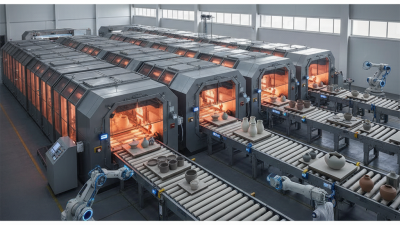
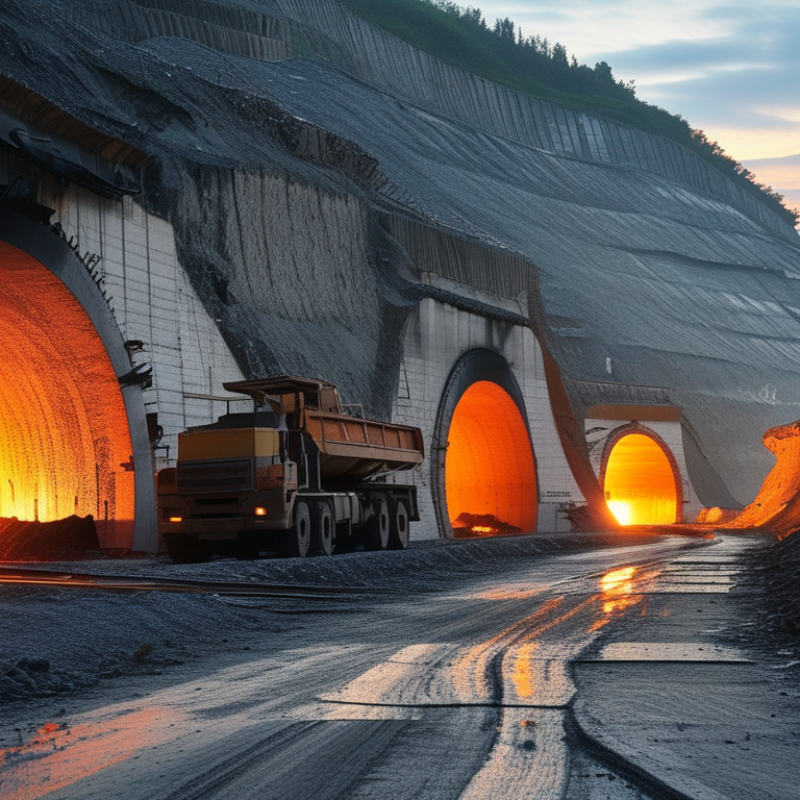
Tunnel kilns are essential in various industries like ceramics, bricks, and tiles. They offer continuous firing solutions ideal for high-quality production. Understanding the intricacies of tunnel kiln technology can greatly enhance operational efficiency. A Gas Tunnel Kiln is particularly notable for its energy efficiency and consistent temperature distribution. This leads to uniform product quality, allowing manufacturers to meet rigorous production standards.
When selecting a tunnel kiln, consider the materials used in construction. High-quality materials ensure durability and enhance the kiln's performance. It’s important to assess operational costs, including fuel consumption and maintenance expenses. A small oversight in design or operation might lead to inefficiencies, affecting overall productivity.
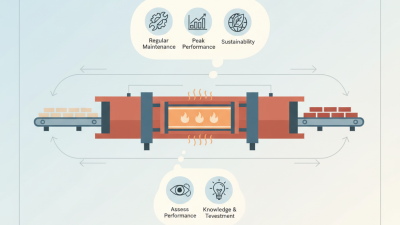
Tips: Regular maintenance is crucial for optimal performance. Schedule routine inspections to identify potential issues early. Also, invest time in operator training. Well-trained staff can handle kiln operations more effectively, reducing risks associated with improper use. Understanding the thermal dynamics of the Gas Tunnel Kiln during operations can help refine technique and improve results. Always be open to feedback and adapt practices as needed to enhance production quality.
Key Features to Look for in High-Quality Tunnel Kiln Manufacturers
When searching for the best tunnel kiln manufacturers, several key features should guide your decision. High-quality manufacturers often employ advanced technology in their
Tunnel Kiln Plants.
They utilize robust materials in their construction, which contributes to longevity and minimal maintenance. A sturdy design ensures the kiln can handle varying production needs.
Another aspect to consider is the manufacturer's experience. A company with a long track record often indicates reliability. They should have experience in customization, allowing you to tailor the tunnel kiln plant to your specific production requirements. Comprehensive support and service post-installation are essential as well. A reliable manufacturer will ensure that you maintain optimal kiln operation.
It's also vital to assess the efficiency of the kiln. Look for manufacturers who prioritize energy-saving designs. An efficient tunnel kiln plant can lead to significant cost reductions over time, offering better returns on your investment. However, it's essential to research and reflect on the possible limitations of various models. Some may not perform as expected in certain conditions, which can be a crucial learning point for businesses. Each of these factors plays a critical role in your manufacturing success.
Top Manufacturers in the Tunnel Kiln Industry: An Overview
Choosing the right tunnel kiln manufacturer is crucial. The industry features various players with unique offerings. These manufacturers use advanced technology and materials to ensure high-quality production. Their kilns are designed for efficiency, allowing for greater energy savings. However, not all manufacturers guarantee the same level of reliability.
One notable aspect is the diversity in designs. Some manufacturers specialize in specific industries, such as ceramics or bricks. Others provide more versatile solutions. This variety can lead to confusion for buyers. Many companies provide impressive specifications, but it’s important to look beyond the numbers.
Real-world performance often varies based on the operating environment and application.
It’s also essential to consider customer feedback. Reviews can reveal potential shortfalls in performance and service. While some manufacturers tout their experience, it’s worthwhile to dig deeper. Questions about support services and parts availability can uncover hidden challenges. A well-informed choice requires thorough research and a critical eye. Keeping these factors in mind will help ensure a successful partnership with a tunnel kiln manufacturer.
Comparative Analysis of Tunnel Kiln Designs and Their Efficiency
Tunnel kilns are essential in various industries, particularly in ceramics and materials processing. Their designs significantly affect production efficiency and product quality. Efficiency is often determined by the kiln’s heating capability, insulation, and airflow systems.
Different tunnel kiln designs present unique advantages and challenges. Some designs offer continuous production cycles, which can enhance output. However, they may require more energy. The choice of materials used in kiln construction can impact longevity and maintenance. Shortcomings in insulation can lead to heat loss, thus reducing overall efficiency.
The impact of kiln design on temperature control is another critical factor. Inconsistent temperatures may result in uneven product quality. Adapting to emerging technologies can improve overall performance. Despite advancements, some designs remain outdated, leading to inefficiencies that manufacturers must address. Optimizing tunnel kilns involves balancing design, energy use, and production requirements.
Factors Affecting the Quality of Production in Tunnel Kilns
The quality of production in tunnel kilns, especially when using a Brick Tunnel Kiln, relies on several critical factors. Temperature control is paramount. Uneven heating can result in product defects. Manufacturers must monitor temperatures at various points. This can be challenging, especially in large kilns, but it is essential for consistency.
Another key factor is the kiln's design. The flow of gases influences how evenly products are fired. A well-designed tunnel kiln minimizes dead zones. Transitioning from one section to another must be smooth. Otherwise, it can lead to varying product quality. Proper insulation also plays a role, as heat loss affects the overall efficiency and quality.
Moreover, the quality of raw materials cannot be overlooked. The clay and additives used significantly influence the final product. Impurities can lead to cracking or warping during production. Manufacturers need to regularly assess the quality of inputs. Continuous improvement in sourcing these materials is necessary. This is where reflective practices help identify areas for enhancement.
What is the Best Tunnel Kiln Manufacturers for High Quality Production? - Factors Affecting the Quality of Production in Tunnel Kilns
| Manufacturer Type |
Kiln Capacity (units per day) |
Energy Efficiency (%) |
Production Quality Rating (1-10) |
Maintenance Frequency (per month) |
| Standard Tunnel Kiln |
500 |
85 |
8 |
2 |
| High Efficiency Tunnel Kiln |
700 |
90 |
9 |
1 |
| Custom Tunnel Kiln |
300 |
80 |
7 |
3 |
| Advanced Tunnel Kiln |
1000 |
95 |
10 |
1 |
| Economical Tunnel Kiln |
400 |
75 |
6 |
4 |
Customer Reviews and Case Studies of Tunnel Kiln Performance
Tunnel kilns play a crucial role in the production process for various industries. Their efficiency and reliability make them indispensable. However, customer reviews reveal diverse experiences with different manufacturers. Some users report high satisfaction due to consistent quality and lower energy consumption. Others express concerns about maintenance issues and operational costs, suggesting a need for better support options.
Case studies highlight the performance of tunnel kilns in real-world applications. In one instance, a prominent ceramics manufacturer achieved significant output increases after implementing a new kiln design. They noted improved fuel efficiency and lower emissions. Conversely, another study pointed out that a specific kiln model faced frequent breakdowns, affecting production timelines. This indicates that not all solutions are foolproof, prompting manufacturers to reconsider their equipment choices.
Feedback from users emphasizes the importance of thorough research before making investments. Many users recommend evaluating long-term case studies and seeking recommendations. While some tunnel kilns excel, others may not meet the expectations. This highlights the need for constant improvements in technology and customer service within the industry.
Future Trends and Innovations in Tunnel Kiln Manufacturing
The future of tunnel kiln manufacturing is evolving rapidly. Innovations in technology are emerging to improve efficiency and reduce energy consumption. One key area of focus is the development of advanced
Tunnel Kiln Burners. These burners are designed to enhance combustion efficiency, contributing to lower emissions.
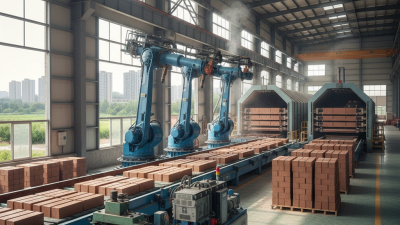
Recent trends indicate that manufacturers are investing in automation. This ensures precise temperature control and consistent product quality. The integration of smart technologies allows for real-time monitoring of the kiln process. This not only improves operational efficiency but also aids in predictive maintenance.
Tips for manufacturers: Consider upgrading to energy-efficient systems. This investment can lead to substantial cost savings over time. Regularly assess your kiln's performance to identify areas for improvement. Engage with experts to explore innovative approaches to enhance your production capabilities. Embrace change; it's essential for future success. Innovate, don't hesitate or you may fall behind.
Optimizing Efficiency with China Rotary Kiln Brick Packing and Unstacking Machines: A Comprehensive Guide to Factory Solutions
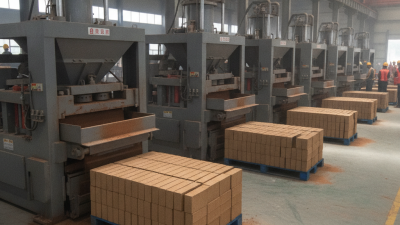
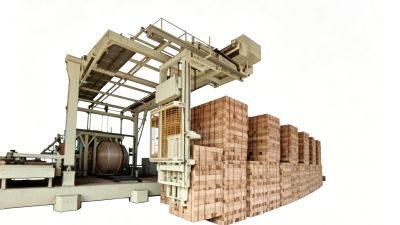
In the competitive landscape of brick production in China, optimizing factory operations is essential for enhancing efficiency and productivity. One of the most effective solutions available today is the Rotary Kiln Packing and Unstacking Machine, designed specifically to address the challenges faced by brick manufacturing facilities. This innovative machine revolutionizes the logistics involved in the packing and transferring of brick products, enabling a significant reduction in the typical reliance on forklift operations.
By streamlining logistics, the Rotary Kiln Packing and Unstacking Machine allows for a dramatic decrease in the number of forklift transfers required, condensing multiple shifts into a singular, more efficient operation. The direct vehicle loading feature facilitates seamless transportation of bricks, while the machine also supports effective in-plant transfers using flatbed trucks. This means that not only is the transfer efficiency substantially improved, but it also leads to significant savings in terms of manpower and operational costs, as forklift usage decreases.
As brick factories seek to enhance their production capabilities, investing in advanced technologies such as the Rotary Kiln Packing and Unstacking Machine can provide a vital competitive edge. By focusing on optimizing internal logistics, factories can ensure a smoother workflow, ultimately contributing to a more productive manufacturing environment. The integration of this machinery into production lines is a strategic move for any brick factory aiming to enhance operational efficacy and streamline its processes.
FAQS
: Tunnel kilns are used in industries like ceramics, bricks, and tiles for continuous firing.
Consistent temperature distribution ensures uniform product quality, meeting rigorous production standards.
Consider materials, operational costs, fuel consumption, and maintenance expenses for optimal performance.
Regular maintenance helps identify issues early, improving performance and preventing productivity losses.
Well-trained staff can operate kilns effectively, reducing risks from improper use and maximizing efficiency.
Feedback can highlight performance shortfalls and service issues, guiding smarter purchasing decisions.
No, reliability varies; not all manufacturers guarantee the same performance quality.
It can create confusion; understanding specific needs is crucial before making a choice.
Real-world performance differs based on application, so practical outcomes matter more than just numbers.
No, always research independently to uncover potential challenges and ensure informed decisions.
Conclusion
The article explores the essential aspects of tunnel kiln technology, highlighting its widespread applications in various industries. It delves into the key features to consider when selecting high-quality tunnel kiln manufacturers, emphasizing the importance of efficiency, design, and production quality. A comparative analysis of different tunnel kiln designs is provided, illustrating how these factors influence operational effectiveness.
Additionally, the article presents customer reviews and case studies, offering insights into the performance of various manufacturers in the tunnel kiln sector. As the industry evolves, it also discusses future trends and innovations shaping the manufacturing landscape. This comprehensive overview serves as a valuable resource for businesses seeking reliable tunnel kiln manufacturers to enhance their production capabilities.