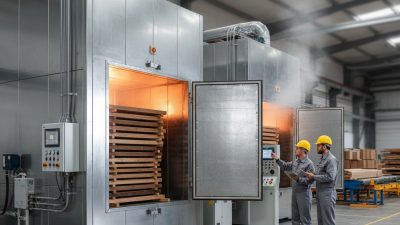
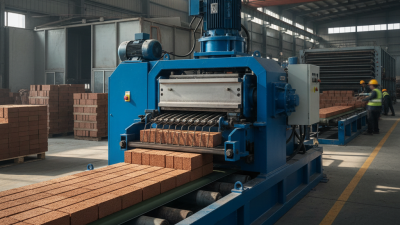
请留言
    
0%

As manufacturers start looking ahead to the future, really understanding what the best Roller Kiln options are becomes super important—especially with 2026 just around the corner. According to the latest report from the Ceramic Industry Association, the demand for high-efficiency kilns is expected to jump by about 15% each year. Companies like Seger and Cress are already offering some pretty advanced models that not only heat better but also help cut down energy costs, which is a big deal right now.

But here’s the thing—picking the right Roller Kiln isn’t just about efficiency numbers. A lot of clients struggle with how to adapt their kilns to new production lines. For example, many folks tell us they find it tough to strike a good balance between kiln capacity and the variety of products they want to make. So, it’s really crucial to take a close look at your specific goals and see how a particular kiln will fit into your plans.

And don’t forget about quality—it's a total game-changer. According to studies from the International Institute of Materials Processing, nearly 30% of production issues are linked to not having the right kiln performance. That just goes to show you, getting expert advice before making a purchase can really make all the difference. Picking the right technology isn’t just a matter of saving money; it can seriously boost your overall product quality and keep your operations running smoothly.
What is the Best Roller Kiln for Your 2026 Production Needs?

Understanding Roller Kilns: Definition and Functionality

What is the Best Roller Kiln for Your 2026 Production Needs?

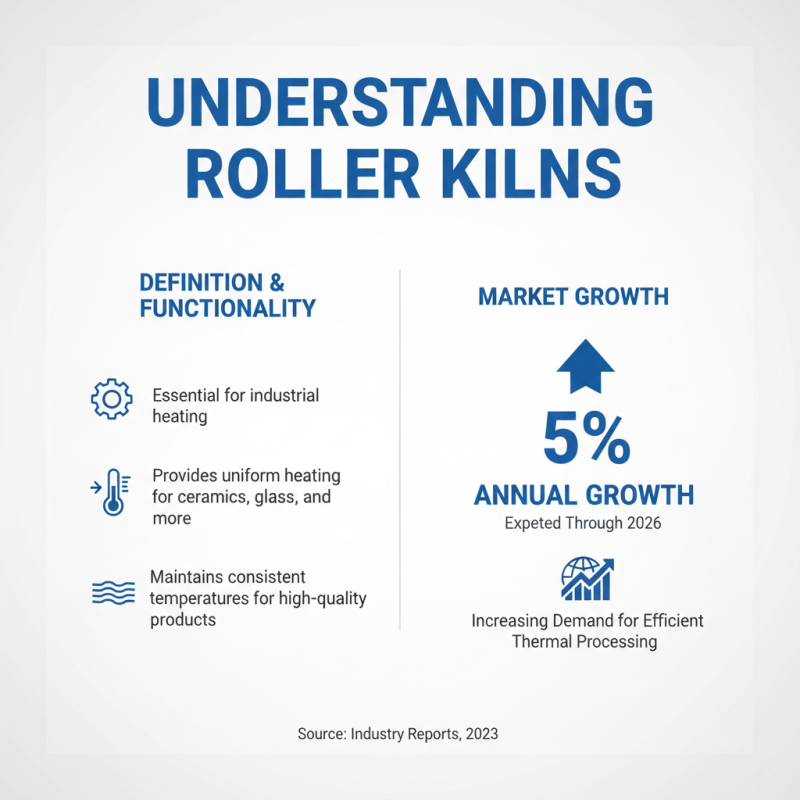
Roller kilns are essential in many industrial applications. They provide uniform heating for various materials, particularly ceramics and glass. The ability of these kilns to maintain consistent temperatures ensures the high quality of the final product. Industry reports suggest that the global market for roller kilns is expected to grow by 5% annually through 2026. This growth highlights the increasing demand for efficient thermal processing solutions.

Tip: Assess your production volume when selecting the right roller kiln. Ensure that the kiln can accommodate your current and future manufacturing needs. Pay attention to energy efficiency ratings. A well-chosen roller furnace will minimize operational costs and reduce environmental impact.

Despite their advantages, not all roller kilns are equal. Some may struggle with temperature uniformity, leading to inconsistent product quality. This issue must be addressed to optimize production. Look for models with advanced temperature control systems to improve reliability. Always consider machine maintenance in your operational planning.

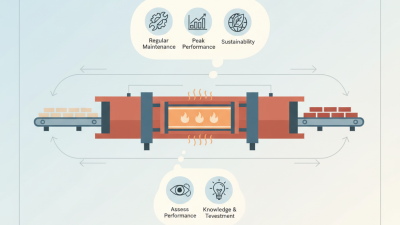
Tip: Regular maintenance ensures the longevity of your roller furnace. Monitor performance metrics closely. Identifying issues early can prevent costly downtime and product losses. Overall, understanding the intricacies of roller kilns will empower manufacturers to make informed decisions that align with their production goals.

Key Features to Consider in Roller Kilns for Production

What is the Best Roller Kiln for Your 2026 Production Needs?

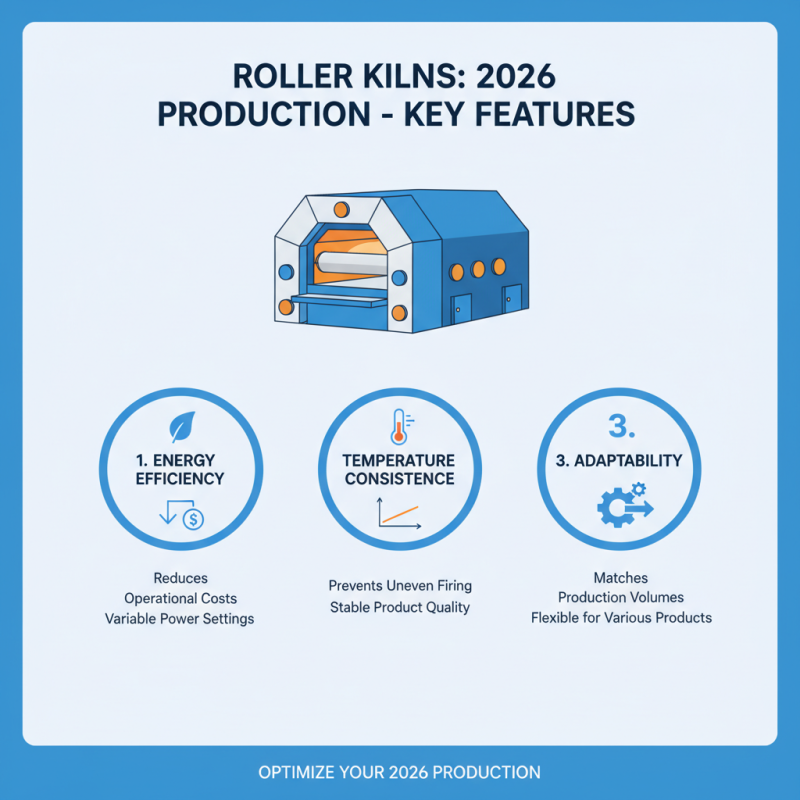
When selecting a roller kiln for 2026 production needs, several key features are crucial. Energy efficiency stands out, as it significantly reduces operational costs. Look for kilns with variable power settings. This allows more adaptability to different production volumes. A kiln that maintains consistent temperatures is essential. Temperature variations can lead to unevenly fired products.

Another feature to consider is the kiln's capacity. Assess your production scale. A kiln that is too small may not meet demand, while one that is excessively large could waste resources. Durability is also vital. Choose materials that ensure longevity, as this will enhance reliability over time.

Flexibility in design is important. Some kilns allow for modular configurations, which can adapt to evolving production needs. Regular maintenance capabilities is something to reflect on, too. Consider how easy it is to access parts for repair. Evaluating your needs now will help avoid future constraints.

Assessing Production Needs for the Year 2026

As we approach 2026, understanding specific production needs becomes crucial for manufacturers. An internal survey among ceramic producers indicated a 20% increase in demand for high-efficiency roller kilns. The need for energy-efficient processes has surged, driven by rising energy costs and environmental considerations. This shift emphasizes the importance of selecting the most suitable kiln technology to meet evolving production demands.

Market reports suggest that nearly 75% of ceramic manufacturers aim to transition to more sustainable practices. Many are exploring kilns that minimize waste and reduce carbon footprints. However, a gap remains in implementing these innovations effectively. A study highlighted that only 45% of companies feel confident in adapting to green technologies. Manufacturers must evaluate not just the technological specifications but also the long-term impact on their workflow.

Choosing the right roller kiln involves considering the materials and the production capacity required for specific output levels. Some companies may struggle with balancing production efficiency and quality control. Financial constraints further complicate the decision-making process. Engaging with industry experts can provide insights into the nuances of kiln performance metrics, ensuring that manufacturers make informed choices aligned with their goals for 2026.

Types of Roller Kilns: Comparing Designs and Applications

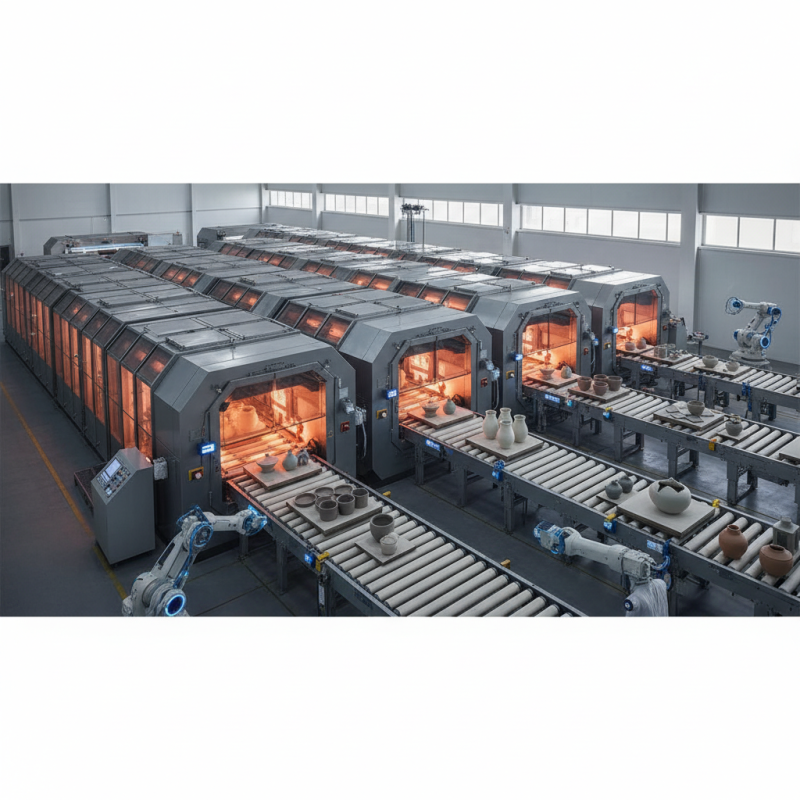
When selecting a roller kiln for production in 2026, understanding the various types is crucial. Roller kilns come in different designs, each suited to specific applications. A basic distinction lies between high-temperature and low-temperature kilns. High-temperature models often handle stoneware and porcelain, while low-temperature versions cater to earthenware. According to industry reports, about 70% of ceramics manufacturers favor high-temperature options for their durability and efficiency.

Design features also influence performance. Many kilns incorporate advanced technology, such as computer-controlled systems for precise temperature regulation. This innovation enhances energy efficiency by up to 30%, as noted in recent studies. However, these systems can be complex and may require specialized training, which could deter some smaller businesses. Additionally, the initial investment might be significant, raising questions about long-term value.

Anotther factor to consider is the kiln's throughput capacity. Some designs can exceed 500 kg per hour, suitable for larger production runs. Yet, this capacity can lead to uneven firing if not monitored properly. Producers must balance output with quality, ensuring that each piece meets high standards. For those in the market for a Clay Kiln, understanding these dynamics is essential for making an informed choice.

Energy Efficiency and Sustainability in Roller Kiln Choices

When selecting a roller kiln for production, energy efficiency is paramount. The modern industry demands more sustainable practices. A focus on energy-efficient designs can drastically reduce operational costs. These kilns minimize energy consumption while maintaining high-quality outputs.

Sustainability goes beyond energy use. Many manufacturers are now prioritizing materials that reduce the environmental impact. For instance, using recyclable materials in construction decreases waste. Energy-efficient roller kilns can lower emissions. A well-designed Brick Kiln may integrate advanced technology for improved thermal management.

However, the journey toward sustainability isn’t without challenges. Initial investment costs can be high. Not all facilities may have the infrastructure to support new technologies. Operators must weigh the benefits against potential hurdles. It’s crucial to evaluate both the short and long-term impacts. Careful assessment ensures the best choices for your production needs in 2026.

Cost Analysis: Budgeting for Your Roller Kiln Investment

Investing in a roller kiln for 2026 production needs requires thoughtful budgeting. The initial costs can be substantial. Companies should analyze both upfront expenses and ongoing operational costs. A basic kiln might cost tens of thousands. However, advanced models can reach into the hundreds of thousands. Proper understanding of your budget is essential to avoid unexpected financial strain.

Consider the long-term benefits against the costs. While cheaper options might seem appealing, they often lack efficiency. This can lead to increased energy expenses. Evaluate your production volume and quality needs. A heavy-duty kiln may incur more upfront costs but save money over time through better fuel efficiency. Calculate maintenance expenses, as these can be overlooked in the budgeting phase.

Think critically about your choices. Have you accounted for potential downtime? Unforeseen repairs can disrupt production and add to costs. Research suggests that investing in higher-quality kilns can reduce these risks. Balance your immediate budget with long-term production goals to make the most informed decision. A detailed cost analysis can guide you toward the best roller kiln for your operations.

Future Trends in Roller Kiln Technology and Production Practices

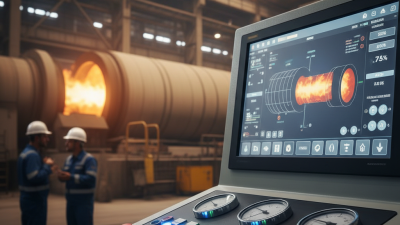
As we look toward 2026, the landscape of roller kiln technology is evolving rapidly. Manufacturers are increasingly focusing on energy efficiency and automation. These advancements not only reduce the carbon footprint but also enhance production capabilities. Many companies are integrating smart sensors to optimize heat distribution. This shift allows for better control over firing processes and improves the quality of the final products.

Future production practices emphasize flexibility and sustainability. Adapting to market demands means embracing innovative materials and techniques. A more diverse range of products will require kilns that can handle various shapes and sizes. Additionally, incorporating advanced Kiln Dryers will support faster drying times without compromising quality. However, not all facilities will have the resources to upgrade immediately, leading to a disparity in production capabilities.

While advancements are promising, they come with challenges. Transitioning to new technologies can be costly and complex. Not all manufacturers may possess the expertise to implement these changes effectively. As industry leaders explore these trends, they must reflect on their unique needs and capabilities. Balancing innovation with practical application is essential for creating a sustainable production environment.

FAQS

: What types of roller kilns are available?

: There are high-temperature and low-temperature roller kilns. High-temperature kilns work well for stoneware and porcelain.

How do advanced technologies impact roller kilns?

Advanced technologies enhance energy efficiency by up to 30%. However, they may require specialized training.

What should I consider regarding throughput capacity?

Some kilns can exceed 500 kg per hour. However, high throughput can lead to inconsistent firing if not monitored.

Why is energy efficiency important in roller kilns?

Energy efficiency reduces operational costs and emissions. It's critical for sustainable production practices.

What challenges come with sustainable practices in kiln selection?

High initial investment costs pose challenges. Infrastructure may not support advanced technologies.

How should I budget for a roller kiln?

Analyze both upfront and ongoing costs. Cheaper options often lead to higher energy bills over time.

What maintenance costs should I consider?

Maintenance expenses can significantly impact your budget. Overlooking them can lead to unexpected financial strain.

How can I balance quality and production volume?

Evaluate your needs carefully. A heavy-duty kiln may cost more upfront but may save money through fuel efficiency.

What factors should influence my kiln investment decision?

Consider potential downtimes and unforeseen repairs. Research shows that higher-quality kilns can reduce risks.

How can I ensure the best choice for my kiln?

Conduct a detailed cost analysis. This helps balance immediate budget with long-term production goals.

Conclusion

In the quest for optimal production in 2026, selecting the appropriate roller kiln is crucial for manufacturers. Understanding the definition and functionality of roller kilns lays the groundwork for evaluating their key features, such as size, temperature control, and material compatibility. Each production facility should assess its specific needs and constraints, which guide the choice of kiln design and application suited for their output goals.

Energy efficiency and sustainability are increasingly vital considerations, as businesses aim to reduce their environmental impact while maintaining productivity. A thorough cost analysis will help in budgeting effectively for this investment. Furthermore, staying updated on future trends in roller kiln technology will enable manufacturers to leverage advancements that can enhance their processes and output. Overall, careful planning and informed decision-making regarding roller kilns will set the stage for successful production in the coming years.


Evelyn

Evelyn

Evelyn is a dedicated marketing professional at We Henan Cadier Green Building Technology Co., Ltd., where she has been instrumental in promoting the company’s innovative solutions in energy-saving and environmentally friendly wall materials since 2009. With a deep understanding of the industry and......
Previous 2026 Best CE Certification Brick Extruder Products for Your Construction Needs?