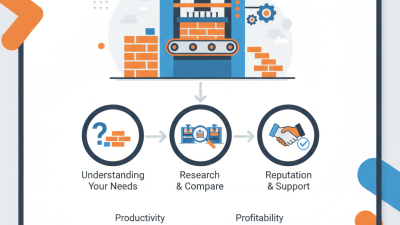
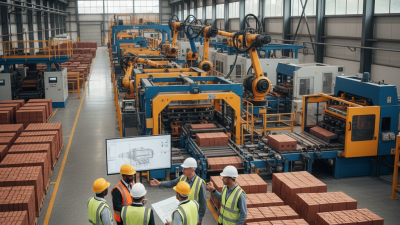
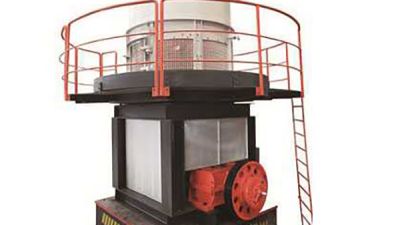
Picking out the best Red Brick Making Machine from China isn’t just about comparing prices or watching shiny factory videos. You really need to think about whether the machine suits your specific clay type, production goals, brick size, and available power. For example, if you're running a small plant, you might only need a compact vacuum extruder. But if you’re scaling up to a bigger project, an automated cutting and stacking line could be the way to go. These differences aren’t just details—they matter. A machine performing great in one place might have a tough time with wetter clay in another region.
Honestly, the best way to start is by testing your actual materials. Ask the manufacturer to process a sample of your clay and see the fired bricks they make. Check how they measure up—are there cracks? Do they have the right dimensions? How strong are they? Also, look at fuel consumption and how many bricks you can produce daily. Make sure to review the quality of the extruder body, gearbox, motor brand, mold quality, and how easy it is to get spare parts. Good Chinese manufacturers should give you clear technical drawings, installation support, operator training, and documented quality procedures. Sometimes a site visit, watching a demo video, or talking to other customers can tell you way more than just reading a brochure.
Of course, no machine is perfect. I’d never trust a flashy quote without seeing some testing results and detailed specs first. Some suppliers boast about high output, but if your clay isn’t up to standard, production might actually fall short. Others might have low prices upfront, but then you end up paying a fortune for replacement parts later on. From experience, I’ve learned that solid support and reliable after-sales service are just as important as the initial cost. So, in the end, the best Red Brick Making Machine is the one that consistently produces good bricks, is easy to maintain, and offers transparent support over time. Taking your time to make a careful choice is worth it—going slow now can save you headaches later on.
What Defines the Best Red Brick Making Machine from China?
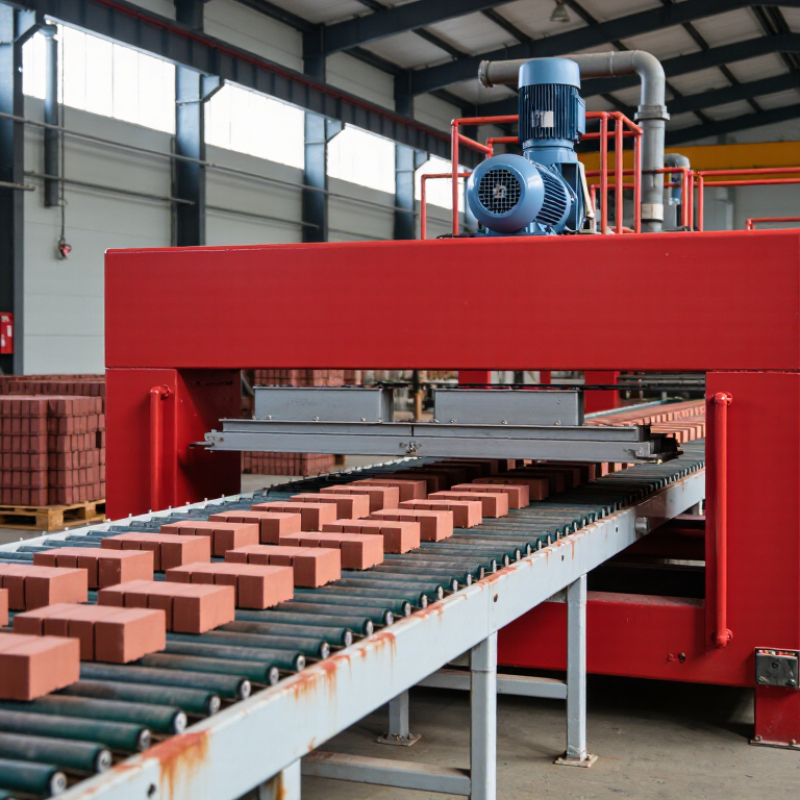
The best Red Brick Machine from China is defined by consistent output, not attractive specifications alone. In field inspections, I look for uniform brick dimensions, stable pressure, and clean edges after repeated cycles. A machine that performs well for twenty minutes may fail during a full production shift. That difference matters.
Reliable performance starts with a rigid frame and accurate mold alignment. Hydraulic or mechanical systems should maintain pressure without sudden movement. The control panel should show key settings clearly, even for a newly trained operator. Practical testing should include local clay or approved raw materials, because moisture changes the result. Ask for test bricks, production data, energy use, and maintenance records. Numbers should be verifiable.
Small details reveal engineering quality. Check welds, bearings, lubrication points, and emergency stops. Spare parts should be identified by standard specifications, not vague descriptions. A supplier should explain installation, operator training, and response times in writing. This reflects accountability.
No machine is perfect. Some models may produce excellent bricks but consume more power than expected. Others may be affordable yet require frequent mold adjustments. I have seen buyers focus on hourly capacity and overlook downtime, which later weakens the investment. A better evaluation compares total operating cost, brick strength, safety features, and service support under real working conditions. The right Red Brick Machine should fit the factory’s material, labor skills, climate, and production target.
How Red Brick Making Machines Work
A Red Brick Manufacturing Machine converts prepared clay into uniform units through controlled pressure, moisture, and heat. The process usually begins with crushing and screening. A box feeder then meters clay into a pan mixer, where water creates workable plasticity. Moisture control matters. Too much water causes cracking during drying.
The blended clay enters a vacuum extruder. Air removal increases density and reduces hidden voids. A die shapes the continuous clay column. A wire cutter then divides it into bricks with consistent length. The European Commission’s Ceramic Manufacturing Industry BREF identifies forming, drying, and firing as core production stages. It also reports that ceramic firing commonly operates at high temperatures, often around 850–1,200°C, depending on the product.
Drying removes free moisture before kiln entry. Incomplete drying is a common failure point. The U.S. EPA AP-42 profile lists material preparation, forming, drying, and firing as key emission-related stages in structural clay production. A tunnel kiln gradually preheats, fires, and cools the bricks. Temperature sensors help maintain color and strength, but sensors do not fix poor clay preparation. Buyers should examine extrusion pressure, cutter accuracy, dryer airflow, kiln insulation, and tested output under local clay conditions. A machine advertised for 20,000 bricks per hour may deliver less with uneven feedstock. That gap deserves a site trial.
How Red Brick Making Machines Work
A typical production line prepares, shapes, dries, fires, and cools clay bricks. The chart shows representative temperature levels used during the thermal stages.
Drying commonly removes moisture at approximately 80–120°C, while brick firing is generally carried out around 900–1100°C. Actual settings depend on clay composition, brick size, kiln design, and production speed.
Which Types of Chinese Brick Machines Are Available?
What Is the Best Red Brick Making Machine from China?
Which Types of Chinese Brick Machines Are Available?
Chinese brick equipment generally falls into several practical categories. Vacuum extruders process prepared clay into continuous columns. Wire cutters then create uniform green bricks. Hydraulic pressing machines compact concrete, fly ash, or blended mineral materials inside steel molds. They suit solid blocks, paving units, and selected facing bricks. Autoclaved aerated concrete lines use slurry mixing, casting, cutting, and steam curing. These systems produce lightweight panels and blocks, not traditional fired bricks.
The right choice depends on raw material, moisture, output, and local energy costs. A tunnel kiln supports continuous firing and stable temperature control. A smaller shuttle kiln offers more flexibility, but production may be less consistent. The International Energy Agency reports that buildings and construction remain major global energy and emissions sources. Therefore, kiln insulation and heat recovery deserve serious attention. They are not minor technical details.
Market reports also show expanding demand for automated concrete products and modular construction. MarketsandMarkets’ 2024 analysis links this growth with urban development and infrastructure investment. However, catalog capacity can mislead. I would test local soil before selecting an extruder. Trial batches should measure crushing strength, water absorption, size variation, and fuel use. A machine producing 20,000 pieces hourly may fail with abrasive clay. That lesson is easy to miss. Reliable suppliers should provide test records, maintenance schedules, spare-part lists, and operator training.
Key Features to Compare Before Choosing a Machine
Choosing the best red brick making machine from China starts with measurable performance, not a polished brochure. Compare rated output, actual output, power consumption, and rejection rates. UNEP’s 2023 Global Status Report states that buildings and construction created 37% of global energy and process-related CO2 emissions in 2022. Efficient production matters.
Check the forming system carefully. A vacuum extruder should deliver stable pressure, uniform clay density, and consistent brick dimensions. Ask for test results using your own clay, because moisture changes can reduce output quickly. A 5% rejection rate may look acceptable, but it can waste thousands of bricks each month. Small details matter. Examine motor efficiency, gearbox quality, lubrication access, and wear-resistant parts. The machine should also connect smoothly with cutters, dryers, and kilns.
Automation deserves practical scrutiny. A PLC control system can record temperature, pressure, and production faults, but operators still need training. Remote support is useful, although it cannot replace local spare parts. Request energy data per thousand bricks, not vague claims about “low consumption.” ISO 9001 certification can indicate controlled manufacturing processes, but it does not guarantee long service life. I would inspect factory records, sample bricks, and maintenance intervals before purchasing. Even then, one weakness remains: laboratory results rarely match dusty, humid production conditions.
How Production Capacity Affects Machine Selection
Choosing the best red brick making machine from China starts with production capacity, not the advertised maximum output. A small regional plant may need 8,000–15,000 bricks per hour, while a large project may require more than 30,000. These figures are practical planning ranges, not universal rules. Actual output depends on brick size, clay moisture, mold changes, worker skill, and downtime. A machine rated at 30,000 bricks per hour may produce far less during daily operation. That difference matters.
The 2023 Global Status Report for Buildings and Construction states that buildings and construction consume about 32% of global energy and create 34% of energy-related carbon emissions. This makes kiln efficiency and drying control important. A well-matched Red Brick Dryer can reduce uneven moisture, cracked edges, and repeated firing. However, higher capacity can increase fuel use if the kiln, dryer, and material-handling systems are not balanced. I have seen projects overbuy forming equipment, then struggle with limited drying space. Capacity should be measured across the whole line.
Tips:
Calculate hourly demand from confirmed orders, not optimistic forecasts. Allow 10–15% capacity for maintenance and seasonal delays. Check whether the Red Brick Dryer can handle your clay’s actual moisture level. Ask for test production using local raw materials. Also, request energy data per 1,000 bricks. It is easy to compare machine prices; it is harder to compare real operating costs. That deserves more attention.
What Materials and Brick Quality Can the Machine Produce?
The best red brick making machine from China should match the raw material, not only the expected output. Most machines process clay, shale, or blended earth with iron-rich minerals. Iron oxide gives the brick its warm red color after firing. A material test is essential before choosing the machine.
A vacuum extruder can remove trapped air and create dense, uniform columns. An automatic cutter then controls length and reduces visible size differences. For Red Brick Cladding, the machine should form thinner sections with clean edges and a stable surface. These pieces need careful drying because small warps become obvious during installation. I have seen attractive samples fail after uneven drying.
Brick quality depends on more than color. Check compressive strength, water absorption, dimensional tolerance, and surface cracking. A properly fired brick should show a firm body and a consistent tone through the section. Underfiring may leave a soft, pale core. Overfiring can cause dark patches or deformation. Kiln temperature control matters greatly.
Production trials often reveal problems that brochures cannot show. Test several moisture levels and firing cycles. Record the results. One detail is easy to miss: local clay may change between seasons. The machine may perform well today, yet require moisture adjustments next month. This is where practical operator experience becomes valuable.
What Is the Best Red Brick Making Machine from China? - What Materials and Brick Quality Can the Machine Produce?
| Machine Configuration |
Main Raw Materials |
Suitable Brick Types |
Typical Output |
Typical Brick Quality |
Best Application |
| Vacuum Extruder Line |
Plastic clay, shale, coal gangue, fly ash blended with clay, water, and small amounts of sand when required |
Solid bricks, perforated bricks, hollow blocks, facing bricks, and special profiles |
Approximately 10–35 m³/h of extruded green material, depending on machine size and die design |
Good dimensional consistency; fired compressive strength commonly about 10–30 MPa when the mix and firing cycle are properly controlled |
Medium- and large-scale production requiring continuous operation and multiple brick shapes |
| Double-Stage Vacuum Extruder |
Fine and medium-plastic clay, shale, weathered rock, and processed industrial mineral residues |
High-quality hollow bricks, thin-wall blocks, perforated bricks, and smooth-surface facing units |
Approximately 15–40 m³/h, depending on clay plasticity, vacuum level, and die size |
Lower air content, improved edge definition, and reduced cracking risk compared with basic extrusion when operated correctly |
Projects prioritizing surface quality, accurate dimensions, and high-volume hollow brick production |
| Automatic Cutting and Stacking Line |
Extruded clay or shale bodies prepared by a mixer, roller crusher, and vacuum extruder |
Standard modular bricks, perforated bricks, hollow bricks, and custom-length green bricks |
Commonly 20,000–80,000 standard bricks per day, depending on brick size and working schedule |
Uniform length and fewer handling marks; final quality still depends on drying and kiln control |
Factories seeking lower labor requirements and consistent green-brick dimensions |
| Semi-Automatic Extrusion Line |
Locally available clay, shale, sand-tempered clay, and selected coal gangue after crushing and screening |
Solid bricks, common perforated bricks, and basic hollow blocks |
Approximately 8,000–30,000 standard bricks per day |
Suitable for general construction; typical water absorption may be about 8–20% after firing, depending on the body and kiln temperature |
Small and medium plants that need moderate investment and flexible production |
| Hydraulic or Mechanical Press |
Low-plasticity soil, sand-clay mixtures, fly ash, cement-stabilized soil, and other formulated materials |
Pressed earth bricks, compressed soil blocks, and some cement-based blocks; not the first choice for conventional fired red bricks |
Approximately 1,000–5,000 pressed blocks per hour, depending on mold cavities and cycle time |
High shape consistency; quality depends mainly on mix ratio, compaction pressure, curing, or subsequent firing |
Projects using low-plasticity materials or producing stabilized blocks instead of traditional kiln-fired red bricks |
Recommended Selection:
For conventional fired red bricks, a double-stage vacuum extruder combined with an automatic cutting system and a controlled drying and kiln system is generally the most versatile configuration. The final brick quality depends on raw-material testing, particle size, moisture content, drying uniformity, firing temperature, and cooling control—not on the forming machine alone.
Note: Output figures and quality ranges are typical industry reference values. Actual results vary according to raw-material composition, brick dimensions, die design, moisture content, kiln type, firing curve, and applicable local standards.
How to Evaluate Chinese Manufacturers, Costs, and Support
What Is the Best Red Brick Making Machine from China?
Choosing a red brick machine from China requires more than comparing online prices. Evaluate the manufacturer’s engineering experience, production records, and quality controls. Ask for detailed drawings, pressure ratings, cycle times, and tested output data. A reliable supplier should explain how the machine handles your local clay, moisture level, and sand content. Sample testing matters. A machine that performs well with factory material may struggle with your soil.
Factory evidence is valuable. Request recent production videos, inspection reports, and contact details for comparable buyers. If possible, arrange a live video inspection of the assembly line. Check welding quality, electrical components, safety guards, and spare-part storage. Small details reveal discipline. I once underestimated shipping and installation costs during a machinery comparison. The quoted machine looked affordable, but packaging, inland transport, commissioning, and operator training changed the budget considerably.
Support can determine whether production starts smoothly or stops for weeks. Confirm the warranty scope, response time, remote diagnosis process, and availability of wear parts. Ask whether manuals include clear diagrams and maintenance intervals. A strong technical team should discuss realistic output, not only ideal figures. Be cautious when promises sound perfect. Some suppliers may offer low prices by reducing steel thickness or omitting essential controls. Request a complete cost sheet and clarify every assumption before signing. Your evaluation may still contain unknowns, especially when local raw materials vary seasonally.
China Circular Screen Feeders for Brick & Tile: Data Insights from Grand View Research and Freedonia Reports
China’s brick and tile sector is closely connected to construction activity, infrastructure investment, and demand for durable wall and floor materials. Grand View Research estimates that the global ceramic tiles market was valued at approximately USD 227 billion in 2022 and is projected to expand at a compound annual growth rate of about 7% through 2030. Meanwhile, Freedonia industry analyses identify Asia-Pacific as a major production and consumption center, with manufacturers under continuous pressure to improve throughput, material consistency, and energy efficiency.
These trends create a strong need for dependable raw-material preparation equipment. Installed before the extruder, a circular screen feeder can help regulate the supply of processed clay and other ceramic ingredients while improving plasticity for forming. Its integrated design combines mixing, screening, and double-roller crushing functions in one unit, reducing transfer steps and supporting a more stable production line. By producing a more uniform feed, the machine can assist manufacturers in controlling extrusion quality, minimizing material fluctuations, and maintaining consistent brick and tile dimensions.
For Chinese producers serving both domestic and export markets, equipment reliability is especially important as production lines become more automated and quality requirements become stricter. A factory-engineered circular screen feeder can be configured for different raw-material conditions and plant capacities, helping ceramic manufacturers streamline preparation before extrusion while supporting efficient, continuous operation.
FAQS
Vacuum extruders shape prepared clay into continuous columns. Wire cutters divide them into uniform green bricks. Hydraulic presses form concrete blocks, paving units, and selected facing bricks. Lightweight block lines use slurry mixing, casting, cutting, and steam curing. Different machines serve different materials.
Match the machine to your clay, moisture level, sand content, output, and energy costs. Test local soil before purchasing. A machine suited to factory clay may struggle with abrasive local material. That mistake is easy to make.
Clay, shale, and blended earth can work when they contain suitable minerals. Iron oxide usually creates the warm red color after firing. Laboratory testing should check moisture, plasticity, shrinkage, and mineral content. Color alone proves little.
Measure compressive strength, water absorption, size variation, surface cracking, and fuel use. Inspect the brick’s center after firing. A pale, soft core may indicate underfiring. Dark patches or warped edges may indicate excessive heat. Record every result.
A tunnel kiln supports continuous production and stable temperature control. A shuttle kiln offers greater flexibility for smaller or changing batches. The better option depends on output, fuel costs, space, and staffing. Neither choice is automatically perfect.
Request technical drawings, pressure ratings, cycle times, inspection records, and tested output data. Ask for recent production videos and comparable buyer references. A live factory video inspection can reveal welding quality, guards, controls, and spare-part storage. Online photos are not enough.
Include packaging, inland transport, international shipping, installation, commissioning, training, utilities, and replacement parts. The quoted machine price is only one line. I once underestimated these costs. The final budget changed noticeably.
Confirm warranty coverage, response times, remote diagnosis, manuals, maintenance intervals, and wear-part availability. Ask whether drawings show lubrication points and adjustment steps. Production can stop for weeks without simple spare parts. Support matters more than attractive promises.
Compare advertised capacity with trial results using your own material. Test several moisture levels and firing cycles. Ask for fuel consumption, rejection rates, and actual operating conditions. Catalog numbers may look impressive. Real output can be lower.
Conclusion
Choosing the best Red Brick Making Machine from China requires more than comparing prices. A reliable machine should combine stable performance, efficient operation, durable construction, and consistent brick quality. The article explains how these machines mix and compress suitable raw materials, form bricks, and complete the curing process. It also introduces common machine types, from compact models for small projects to automated systems designed for large-scale production.
Before making a decision, buyers should compare molding technology, automation level, energy use, maintenance requirements, and production capacity. The selected machine should match the intended output while producing bricks with the required size, strength, color, and surface finish. Material compatibility is equally important, as different mixtures can affect quality and operating costs. Finally, evaluating Chinese manufacturers involves reviewing manufacturing experience, technical specifications, total investment, spare-parts availability, installation guidance, warranty terms, and after-sales support. A careful comparison helps buyers choose equipment that offers dependable production and long-term value.