When you're trying to figure out the best kiln for firing bricks, getting some expert advice can really help you navigate all the confusing options out there. Dr. Emily Johnson, who's pretty much an authority in the ceramics world, mentions, "Choosing the right kiln can totally change the game for your brick production." Her years of experience really highlight how important it is to pick a kiln that fits your specific needs.
Now, there are quite a few different types of kilns for burning bricks. Traditional wood-fired kilns, for example, have their own unique charm and characteristics. But lately, modern electric kilns have become pretty popular—they’re more reliable and energy-efficient. And honestly, anyone looking to buy one from somewhere on the globe really needs to weigh these choices carefully. Each type has its pros and cons, so it’s all about what suits your project best.
Of course, quality is key. But these days, innovation is a big deal too. Machinery like the Clay Bricks Making And Burning Machine keeps evolving, and there are so many brands and models out there. It’s super helpful to check out reviews and get feedback from other users before making a decision. Picking the right kiln isn’t just about good quality; it’s about ensuring your brick-making process is sustainable and efficient. Remember, every choice you make now really influences how successful your brick production will be down the line.
Understanding the Importance of Choosing the Right Kiln for Brick Production
Choosing the right kiln for brick production is crucial for success in the industry. A suitable kiln can significantly impact the efficiency and quality of bricks created. Factors such as fuel type, temperature control, and kiln design directly influence the output and strength of the finished product. Global buyers must assess their unique needs, laying the groundwork for long-term profitability.
When evaluating kilns, consider the fuel economy. Gas, electric, and wood-fired kilns have different operational costs. Understand your local fuel prices to make informed decisions. Experimenting with various drying techniques can also yield better results. This could include adjusting moisture levels before loading bricks into the kiln.
Revisiting your kiln design is essential. Older models may not efficiently reach and maintain the required temperatures. Look into innovations that might streamline the heating process. Regular maintenance checks are necessary as well. Faulty components can lead to inconsistencies in brick quality. If a kiln is underperforming, reassess its capabilities and consider an upgrade.
Brick Kiln Efficiency Comparison
This chart represents the energy efficiency of different kiln types used for brick production. Understanding the efficiency of each kiln is crucial for global buyers looking to optimize their brick production processes.
Types of Kilns: Overview of Conventional and Modern Options
When selecting a kiln for burning bricks, understanding the types is essential. Conventional kilns have been around for centuries. They often use wood or coal as fuel. The typical design resembles a large, enclosed space. The heat source is usually a fire below the bricks. These kilns can be efficient but require significant manual oversight. Their operation relies on the expertise of the kiln operator.
Modern kilns offer improved efficiency and control. Many utilize gas or electric heating. They often have automated systems for temperature control. Advanced technology helps in achieving consistent results. This is crucial for mass production. However, these kilns can be costly and may require specialized training. A Brick Burning Oven Kiln combines both old and new methods. It aims to balance traditional craftsmanship with modern efficiency.
Choosing the right kiln depends on various factors. Budget, production scale, and available resources play significant roles. Not every kiln suits every type of brick. Experimentation and careful evaluation are vital. Every production line may face unique challenges. It's crucial to adapt and refine the process regularly for better outcomes.
Factors Influencing Kiln Selection for Brick Burning
When selecting a kiln for burning bricks, several key factors come into play. The type of kiln significantly impacts the efficiency of the burning process. Traditional methods might seem appealing, but modern designs often offer better energy use and consistent results. The choice depends on the scale of production, the type of bricks, and available resources.
Clay Brick Burning Tunnel Kiln is a popular choice among many manufacturers. Its design allows for a continuous flow of bricks, enhancing productivity. This kiln type uses less energy due to its ability to re-utilize heat. However, investing in such technology can require substantial initial costs. Not every manufacturer can justify this investment.
Environmental considerations are also critical. Regulations vary by region, and some kilns produce more emissions than others. This can lead to compliance issues. Potential buyers must weigh their operational needs against these regulations. This can be confusing. Research and professional advice are essential to navigate these choices effectively.
Key Features to Look for in a Brick-Burning Kiln
When selecting a kiln for burning bricks, several key features are essential. A reliable Brick Burning Machine should have a robust insulation system. This helps maintain consistent temperatures. Consistency is crucial for achieving uniform brick quality. Look for kilns that can support multiple firing stages. Flexibility in firing options enhances productivity and adaptability.
The design of the kiln is also significant. A well-designed Brick Burning Machine should facilitate easy loading and unloading of bricks. Ergonomics plays a role in reducing labor strain and enhancing efficiency. Additionally, consider the fuel type used. Some kilns are more energy-efficient with certain fuels. An energy-efficient design not only reduces costs but also minimizes environmental impact.
Ventilation systems in the kiln affect combustion efficiency. Proper airflow ensures even heat distribution. This is critical for preventing weak spots in the bricks. However, there may be challenges, such as limitations in airflow adjustments. This can lead to inconsistent results if not managed properly. Careful assessment of these features will lead to better-informed choices for global buyers.
What is the Best Kiln For Burning Bricks for Global Buyers? - Key Features to Look for in a Brick-Burning Kiln
| Kiln Type |
Capacity (Bricks/Batch) |
Fuel Type |
Temperature Range (°C) |
Efficiency (%) |
Features |
| Chamber Kiln |
2000 |
Wood/Gas |
800 - 900 |
75 |
Multi-fuel capacity, Energy-efficient |
| Tunnel Kiln |
5000 |
Natural Gas |
1000 - 1200 |
85 |
Continuous operation, High throughput |
| Down-Draft Kiln |
1500 |
Coal/Wood |
600 - 800 |
70 |
Low cost, Traditional firing method |
| Up-Draft Kiln |
1200 |
Wood |
700 - 900 |
65 |
Simple design, Suitable for small-scale production |
Comparative Analysis of Kiln Brands for Global Buyers
When selecting a kiln for burning bricks, buyers face various options. Each kiln brand varies in design, energy efficiency, and capacity. Therefore, it's essential to compare these elements. Efficiency can significantly affect production costs. Some kilns may require more fuel or time to reach optimal temperatures.
Consider the types of materials used in construction. Different kilns have unique durability and maintenance needs. Buyers might find that some require more regular checks, while others are more self-sufficient. Reflecting on these factors can lead to better long-term investments.
User reviews and expert opinions provide valuable insights into performance. Some brands are known for longevity, while others may struggle with quality consistency. This inconsistency can lead to unexpected downtimes, affecting overall productivity. A careful analysis of these aspects helps buyers make informed decisions for their brick production needs.
Cost Considerations and Maintenance for Brick Kilns
When considering the cost of brick kilns, initial investment is just the beginning. A well-designed kiln can range from $20,000 to over $100,000, depending on capacity and technology. According to the International Energy Agency, coal-fired kilns emit significantly higher levels of CO2, impacting long-term operational costs. Buyers must weigh the upfront costs against energy efficiency in their budget.
Maintenance can be a hidden cost. Regular inspections and servicing may be needed every six to twelve months. For instance, studies indicate that neglecting maintenance could increase operation costs by 20% or more. This can lead to greater downtime and reduced output. An efficient kiln requires a dedicated team to monitor and manage its performance.
Labor costs are also crucial. Skilled labor is necessary for operating and maintaining modern kilns. Statistics show that employing untrained workers can result in quality issues. This could increase material waste significantly. Investing in training is essential but often overlooked, leaving manufacturers vulnerable to inconsistent product quality. Understanding these factors is vital for global buyers aiming to optimize their kiln investment.
Sustainability and Energy Efficiency in Kiln Selection
Choosing a kiln for burning bricks involves a careful examination of sustainability and energy efficiency. Kilns that optimize fuel use have a lower environmental impact. They also reduce operational costs over time. Bamboo and recycled materials can enhance energy efficiency. Advanced technologies can improve airflow and heat distribution.
When considering a kiln, think about its fuel source. Natural gas can be cleaner than coal. However, electric kilns offer unique advantages for smaller operations. Assess your local energy sources for sustainability. An efficient kiln design should minimize energy waste while maximizing output.
Here are a few tips for making your decision: Opt for a kiln with programmable controls to enhance precision. This feature allows for different firing schedules according to brick types. Regular maintenance is essential. A poorly maintained kiln may lead to inefficiencies and higher emissions. Investing in a reliable
Clay Burning Brick Machine can offer lasting benefits for both production and the environment. Remember, mindful choices today shape a sustainable future for brick manufacturing.
Maximizing Efficiency in Brick and Tile Manufacturing: The Role of Integrated Drying and Firing Tunnel Kilns from China
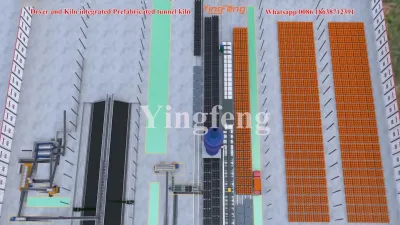
The brick and tile manufacturing industry is witnessing a transformative shift with the introduction of Integrated Drying and Firing Tunnel Kilns. These innovative systems merge the drying and sintering processes, creating a continuous production line that significantly streamlines operations. In contrast to traditional kilns with separate chambers, this integrated approach manages the entire workflow—from initial wet green body feeding to drying, preheating, sintering, and cooling—within a single compact structure. This streamlined method not only enhances production efficiency but also leads to substantial cost savings and improved product quality.
One of the most compelling advantages of the Integrated Tunnel Kiln is its optimized design and intelligent operation. By addressing longstanding challenges such as high labor intensity, excessive energy consumption, and inconsistent product quality, these kilns facilitate a more effective manufacturing process. The elimination of intermediate steps, such as green body transfers and repetitive stacking, allows for better utilization of waste heat generated during sintering. As a result, energy consumption can be reduced by over 20% compared to standard tunnel kilns, making it an eco-friendly choice for manufacturers.
Ideal for small to medium-sized brick factories, these kilns can handle a variety of raw materials, including coal gangue, shale, and clay. Equipped with an automated control system, they ensure stable operation around the clock. This system maintains a uniform temperature field and allows for adjustable firing cycles, ultimately enhancing the strength, density, and appearance consistency of the final products. Embracing such advanced technology empowers manufacturers to boost their efficiency while positioning themselves competitively in the market, fostering sustainable growth in the brick and tile industry.
FAQS
: Look at design, energy efficiency, and capacity. These factors greatly affect production costs.
Energy-efficient kilns reduce operational costs and have less environmental impact.
Materials determine durability and maintenance needs. Some kilns require regular checks.
They provide insights into performance and consistency. Inconsistencies can lead to downtime.
They enhance precision and allow different firing schedules for various brick types.
Poor maintenance leads to inefficiencies. This can result in higher emissions and costs.
They enhance airflow and heat distribution, increasing energy efficiency and output.
Assess local energy sources. Natural gas is cleaner, while electric kilns suit smaller operations.
Yes, they improve energy efficiency and reduce environmental impact.
Overlooking maintenance needs can lead to unexpected production issues. Reflecting on this helps.
Conclusion
When selecting a kiln for burning bricks, it is crucial for global buyers to understand the various types available, from conventional to modern options. The choice of kiln directly impacts production efficiency, quality of bricks, and operational costs. Factors such as production volume, fuel type, and environmental considerations play significant roles in making an informed decision.
In addition to assessing the different kiln types, buyers should prioritize key features like energy efficiency and sustainability. A comprehensive comparative analysis of kiln brands can provide insights into performance and reliability. Furthermore, understanding cost implications, maintenance requirements, and ensuring the kiln for burning bricks meets specific production needs are essential steps for successful brick manufacturing ventures.