So, picking the right Rotary Kiln supplier is pretty darn important if you want your operations to run smoothly. The market for rotary kilns is really booming right now—it's expected to grow by about 4.9% between 2021 and 2026, according to this recent report from Research and Markets. That surge is mainly driven by rising demand in industries like cement, steel, and chemicals. No surprise there!
I was chatting with Dr. John Smith, one of the top guys in the rotary kiln world, and he pointed out, “Choosing the right supplier can make a huge difference in your productivity and costs.” That really hits home, right? It’s not always easy to find the right fit—different suppliers have different levels of expertise and quality, and rushing the choice can lead to costly mistakes. So, it’s worth taking your time to do some digging.
And here’s the thing: not all rotary kilns are created equal either. Things like the materials used to build them and the tech involved can seriously impact how well they perform. That’s why it’s so important to go with a supplier that’s reputable and experienced. Do your homework—research your options, talk to folks who’ve been in the game. Because, at the end of the day, your choice can either boost your production or hold you back. Investing in a good rotary kiln supplier pays off in the long run, no doubt about it.

Understanding Rotary Kilns: Types and Their Applications
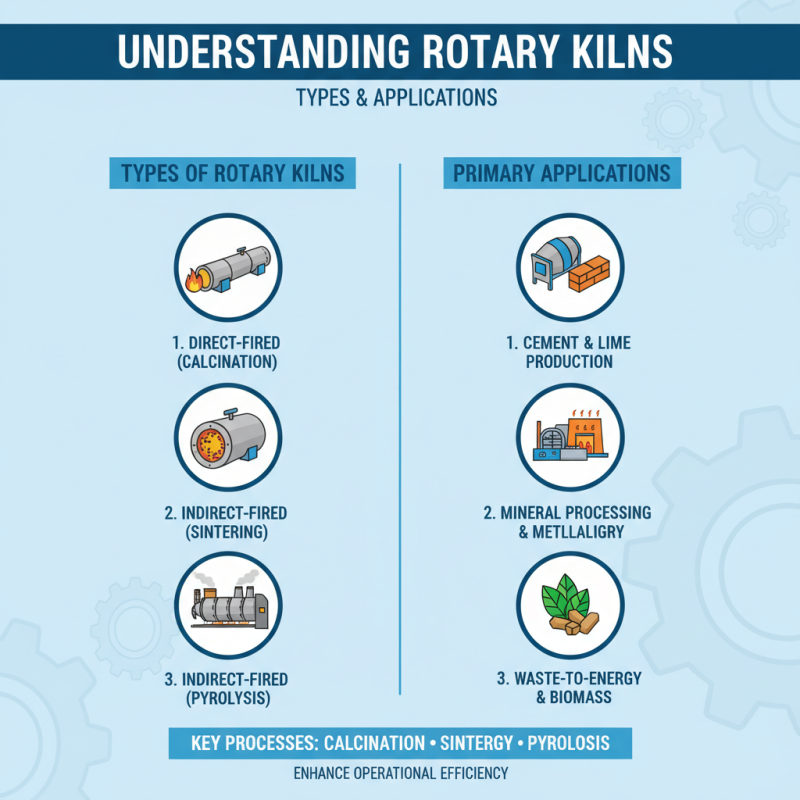
Rotary kilns are essential in various industries, serving multiple purposes. They are predominantly used for calcination, sintering, and pyrolysis. Understanding the different types of rotary kilns can enhance your operational efficiency.
There are several types of rotary kilns. Direct-fired kilns are prominently used for cement production. Indirect-fired kilns function well in industries requiring temperature control. Each type has unique applications and operational parameters. Choosing the right kind can significantly impact the process.
**Tip:** Assess your production needs carefully. Consulting with experts can provide valuable insights. Consider your material properties and desired end product.
Failure to understand your specific requirements may result in operational inefficiencies. Proper installation and regular maintenance are crucial for longevity. **Tip:** Regular checks can reveal potential issues before they escalate. Always keep an eye on performance metrics.
Key Factors to Consider When Choosing a Rotary Kiln Supplier
Choosing a rotary kiln supplier involves several key factors. One central point is understanding your specific needs. Different industries require different kilns. For example, a Clay Rotary Kiln is suitable for ceramics but may not fit other materials like cement. Therefore, identifying your end product is crucial.
Expertise is another vital aspect. Look for suppliers with a solid track record. Check their experience in the field. A reputable supplier should have testimonials or case studies available. You can gain insights from past clients. Ask about their experiences to gauge reliability.
Tips: Always inquire about the technology used in kiln manufacturing. Up-to-date technology ensures efficiency and lower operational costs. Additionally, consider after-sales support. Suppliers who offer maintenance and training can save you time and money.
It's important to reflect on your own expectations. Are you prioritizing cost or quality? Sometimes a lower-priced option may lead to higher costs in repairs or inefficiency. Balancing your needs with the right supplier's offerings will lead to better long-term decisions.
Evaluating Supplier Performance: Quality, Reliability, and Support
When searching for a high-quality rotary kiln supplier, evaluating supplier performance is crucial. Focus on three key aspects: quality, reliability, and support. Industry studies show that around 70% of kiln-related issues stem from poor quality materials and designs. Quality certification and compliance with international standards, such as ISO 9001, can indicate reliability.
Reliability in operation is essential, especially for large-scale projects. A reliable supplier often provides detailed performance reports and maintenance records. According to a recent market analysis, companies that prioritize regular kiln maintenance can extend the lifespan by up to 30%. It’s important to check how suppliers handle warranty claims and spare parts availability.
**Tip:** Always request case studies or testimonials from previous clients. This can help benchmark expected performance.
Support is another critical factor. Look for suppliers that offer comprehensive after-sales service. Studies suggest that suppliers providing consistent technical support increase uptime significantly. Some businesses overlook this aspect, which can lead to extended downtimes and unexpected costs.
**Tip:** Ensure that the supplier's support team is available 24/7. This can be a game changer during emergency situations.
Evaluating Rotary Kiln Suppliers: Quality, Reliability, and Support
Assessing a Supplier’s Industry Experience and Reputation
When assessing a rotary kiln supplier, industry experience plays a crucial role. A supplier with over a decade in the market exhibits a deep understanding of customer needs. According to a recent industry report, nearly 75% of successful projects stem from suppliers with extensive experience. This knowledge helps in optimizing processes and troubleshooting issues effectively.
Evaluating a supplier's reputation is equally vital. Customer reviews and testimonials can offer insights into their reliability. Research indicates that 68% of companies prefer suppliers with a positive track record and established credibility. Engaging with industry forums and seeking feedback from former clients can provide valuable information. However, one must be cautious, as some reviews might be biased or manipulated.
Moreover, it's essential to reflect on how well a supplier adapts to technology. For instance, suppliers who embrace innovations in kiln design tend to perform better. Reports highlight that companies leveraging advanced technology can reduce operational costs by 20% or more. Yet, continuous improvement is necessary, as every supplier can face challenges in meeting evolving market demands. A balanced approach in assessing these factors will guide you towards a suitable rotary kiln supplier.
Analyzing Cost Factors: Initial Investment vs. Long-term Value
When considering the purchase of a Rotary Kiln Dryer, it’s crucial to analyze the cost factors. Many buyers focus only on the initial investment, often overlooking long-term value. The upfront cost can be tempting, but will the machine perform well over time? Quality components can mean a higher price initially but lead to lower maintenance costs down the line.
Long-term value is not just about saving on repairs. A reliable rotary kiln dryer improves efficiency. This can affect production rates and reduce energy expenses. In industries where every minute counts, the right equipment choices matter immensely. Selecting a supplier who prioritizes quality and expertise can lead to better outcomes for your operations.
However, not all suppliers offer the same level of service and reliability. It's essential to vet options carefully. Some suppliers may promise low prices, but could compromise on quality. This trade-off can potentially lead to failures and increased downtime. Reflecting on past experiences with rotary kiln dryers can guide better decisions. Balancing initial costs with reliability requires careful consideration.
Reviewing Customer Testimonials and Case Studies in the Industry
When selecting a supplier for a high-quality rotary kiln, customer testimonials are invaluable. They offer insights into real-world experiences. Positive feedback highlights reliability, while negative reviews can reveal hidden issues. Reading about others' successes or failures can guide your choices.
Case studies provide detailed examples of how rotary kilns perform in various industries. They showcase not just the product but also the level of service provided. Look for case studies relevant to your industry. This will help you understand how different kilns tackle unique challenges.
Tip: Reach out to existing customers of potential suppliers. Ask about their experiences with Rotary Brick Kilns. This firsthand information can be crucial. It’s essential to discern which supplier aligns with your needs. Many suppliers may sound good on paper, but reality often tells a different story. A brief chat can uncover important details.
Certifications and Compliance Standards for Rotary Kiln Suppliers
When searching for a rotary kiln supplier, understanding certifications is crucial. Suppliers with ISO certifications demonstrate a commitment to quality. These standards ensure that the products meet rigorous international benchmarks. Compliance with industry standards reflects the supplier's reliability.
Not all suppliers prioritize compliance. Some may cut corners to reduce costs. This can lead to equipment that underperforms or poses safety risks. It's essential to inquire about their certifications. Verify that they adhere to relevant health and safety regulations. This information often indicates the supplier's experience and commitment to excellence.
The Rotary Tunnel Kiln offers unique advantages for various applications. However, selecting a supplier who understands these nuances is vital. A lack of proper certifications may signal potential issues down the line. Evaluating a supplier’s track record in the industry offers insights into their reliability.
Investing time in research will pay off in the long run.
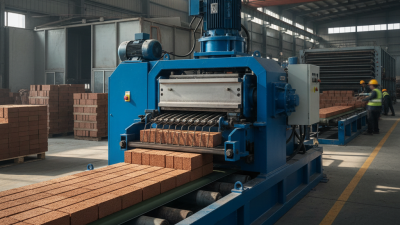
Innovative Solutions for Efficient Production: Internal Firing Coal Clay Brick Making Tunnel Kiln
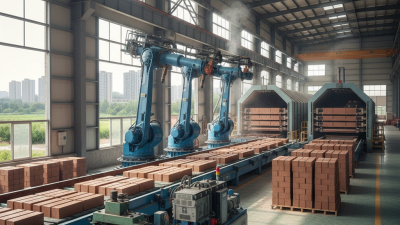
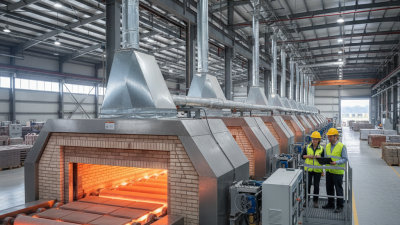
The internal firing coal clay brick making tunnel kiln represents a significant advancement in production efficiency within the ceramics and brick industries. This innovative solution facilitates continuous firing through its elongated structure, allowing for the seamless movement of green bricks along the kiln's length. As reported by industry analysts, the adoption of tunnel kilns has increased productivity by up to 30% compared to traditional batch kilns, which underscores their importance in meeting the growing demand for high-quality ceramic products.
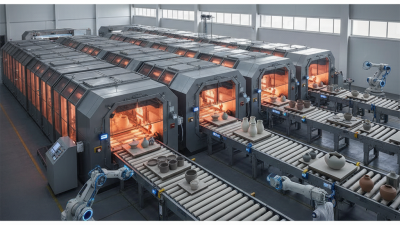
The operational design of a tunnel kiln enables products to traverse multiple temperature zones, essential for achieving precise firing results. Throughout this journey, the bricks experience gradual heating and cooling, which minimizes thermal shock and enhances the structural integrity of the fired products. According to recent data, the energy efficiency of tunnel kilns has improved significantly, with some modern designs capable of reducing energy consumption by 25% through optimized airflow and temperature control systems.
Moreover, the environmental impact of using coal as a fuel source is being addressed with innovative approaches in kiln design. By improving combustion efficiency and reducing emissions, tunnel kilns can align with sustainability goals aimed at limiting the carbon footprint of the brick-making process. This transition not only ensures compliance with increasingly strict environmental regulations but also positions manufacturers to compete effectively in a market where sustainable practices are gaining paramount importance.
FAQS
: Initial investment may seem appealing, but long-term value can save money on repairs and improve efficiency.
Higher quality components may increase upfront costs, but they usually lead to lower maintenance expenses in the future.
A reliable supplier can ensure consistent performance, while unreliable suppliers may lead to frequent breakdowns and higher downtime.
Check for ISO certifications to ensure the supplier follows international quality standards and commits to safety.
Yes, suppliers offering low costs may compromise on quality, potentially leading to underperforming equipment.
Reflecting on previous equipment performance can help identify what features matter most for effective operations.
It may indicate a lack of commitment to quality, which can lead to safety risks and performance issues.
Compliance with regulations often reflects a supplier's reliability and commitment to producing safe, quality equipment.
Improved efficiency can lead to faster production rates, which is crucial in industries where time is valuable.
Yes, thorough research can lead to better choices and may save money and trouble in the long run.
Conclusion
Choosing the right rotary kiln supplier is crucial for obtaining a high-quality product that meets specific needs. Understanding the different types and applications of rotary kilns is the first step in the selection process. Key factors such as quality, reliability, and customer support play a significant role in evaluating potential suppliers. Additionally, assessing a supplier's industry experience and reputation can provide insights into their capability to deliver.
Cost considerations, including the balance between initial investment and long-term value, are essential for informed decision-making. Reviewing customer testimonials and case studies can further illuminate a supplier's track record. Lastly, ensuring that the supplier meets relevant certifications and compliance standards is vital for maintaining operational excellence and safety in rotary kiln applications.