请留言
So, picking the best clay brick tunnel kiln in China? That's not just about comparing prices or checking out capacity and glossy brochure photos. Honestly, a kiln is a long-term investment—a whole production system, really. It touches everything: firing uniformity, fuel usage, brick strength, worker safety, and what you'll spend on maintenance. So the smart move? It starts with your own clay body, how many bricks you need per day, the dimensions of those bricks, the fuel you have locally, and the layout of your factory. Those are the things that actually matter.
You know, there's this ceramic researcher, Dr. Michael Dondi, who once said something that really sticks with me: 'Energy performance begins with stable firing, not impressive specifications.' And honestly, that's exactly what you need to keep in mind when you're looking at Chinese manufacturers. A supplier that's actually reliable will walk you through their preheating zones, firing temps, cooling control, kiln insulation, burner setup, and exhaust treatment – and they'll do it in numbers, not just buzzwords. So don't be shy – ask for temperature logs, fuel consumption data, past projects, and their commissioning process. If they can't give you that, that's a red flag. Honestly, if you can, go see an actual plant in operation. A fancy showroom just doesn't cut it. Really take your time to observe things up close. For instance, check the bricks right after they're unloaded. Are the corners crisp? Does the color stay consistent across the whole kiln car? Watch for cracks near the cooling zone – those little details speak volumes compared to any sales pitch. Sure, companies like Zhengzhou Shunli Machinery or Henan Lite Refractory Material might have different engineering philosophies, but at the end of the day, you've got to verify their claims yourself.
Honestly, a Tunnel Kiln Clay Brick project can go sideways over the silliest little things. You think you've got the moisture right, but nope – that's when cracks show up. And if your kiln-car sealing isn't up to snuff, you're just burning through fuel like crazy. Then there's after-sales support – if that's poor, you could be stuck waiting for weeks to get production going again. I might sound paranoid, but when you're picking equipment, you really can't be too careful. Look, the best clay brick tunnel kiln isn't always the biggest or the cheapest one out there. Honestly, it's the system that actually fits your materials, your crew, your energy setup, and where you want to take production down the road.
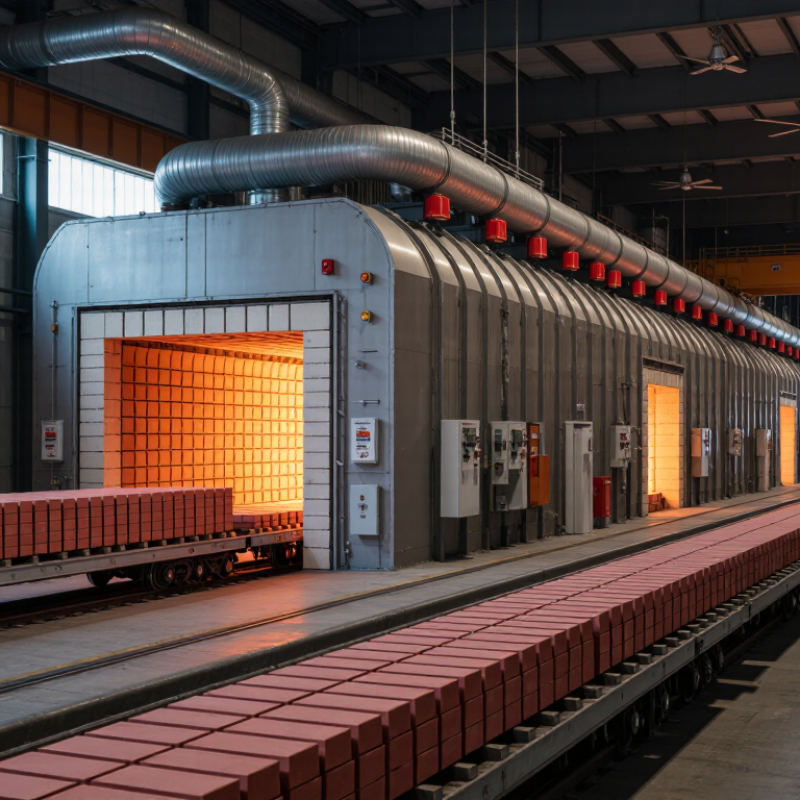
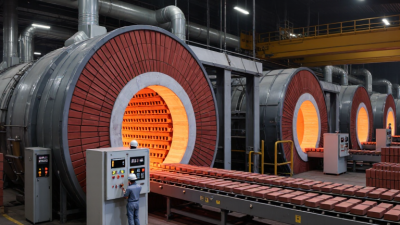
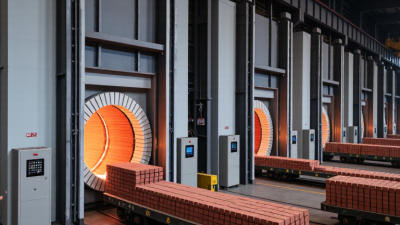
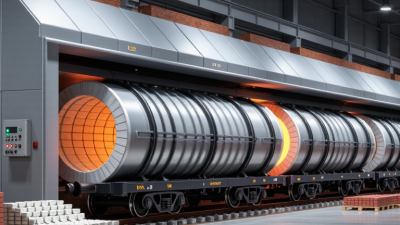
A Clay Brick Tunnel Kiln is a continuous furnace designed to dry and fire clay bricks. Green bricks travel through the kiln on kiln cars. The process moves through preheating, firing, and cooling zones. Controlled heat gradually removes moisture from the brick body. The firing zone may reach about 900–1,100°C, depending on the clay mixture and brick design.
In practical operation, stable airflow matters as much as high temperature. Uneven airflow can create pale surfaces, dark cores, cracks, or soft edges. Operators often check brick color, weight loss, and kiln temperature at several points. A slight temperature difference can change the final strength. This is where experience matters. Theory alone is not enough.
When choosing this kiln in China, examine the chamber size, firing capacity, fuel system, and insulation structure. Ask for test-firing records using clay similar to yours. Inspect the kiln cars, rails, burners, fans, and control instruments carefully. Refractory lining quality also affects heat loss and maintenance intervals. Some specifications look impressive on paper, yet perform poorly with wet bricks or unstable clay. I would leave room for adjustment, because real production rarely follows the first calculation. Availability of spare parts and trained technical support should influence the decision.
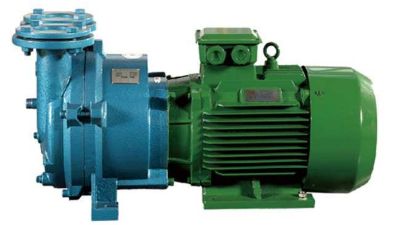
Brick manufacturing places continuous demands on vacuum equipment, from clay de-airing and extrusion to material handling and process stability. The 2BV/2BE 202 Series Water Ring Vacuum Pump is built for these conditions, providing consistent vacuum performance in large-scale clay brick factories. Its water-ring operating principle supports steady operation in humid, dusty production environments, while the robust construction is suited to long duty cycles and demanding plant schedules. Stable suction can help reduce interruptions, maintain uniform extrusion, and support more consistent brick quality.
Market research also highlights the growing importance of dependable pumping systems in industrial production. According to Fortune Business Insights’ *Industrial Pumps Market* report, the global industrial pumps market was valued at approximately US$68.39 billion in 2023 and is projected to reach about US$100.04 billion by 2032, representing a compound annual growth rate of roughly 4.3%. This expansion reflects continued investment in efficient, durable process equipment across manufacturing sectors. For brick lines, the 2BV/2BE 202 Series offers a practical solution where reliable vacuum, manageable maintenance, and resistance to challenging operating conditions are essential. Its heavy-duty configuration makes it suitable for factories seeking stable performance throughout extended production cycles.
It is a continuous furnace for drying and firing shaped clay bricks. Kiln cars carry green bricks through three main zones. These zones include preheating, firing, and cooling. The firing area commonly reaches 900–1,100°C. Actual temperature depends on clay chemistry and brick density.
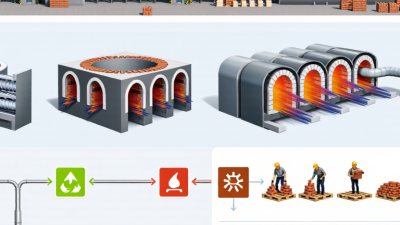
Bricks are stacked on kiln cars that travel along fixed rails. Hot air from cooling bricks moves backward toward incoming products. This airflow can help dry new bricks and reduce fuel use. Poor stacking may still create cracks or uneven color. Continuous movement does not guarantee consistent results.
Stable airflow spreads heat evenly around each brick stack. Weak airflow can leave pale surfaces and dark centers. Excessive airflow may cool firing areas or increase heat loss. Operators should inspect brick color, edges, and core structure. Small airflow differences matter.
Many clay bricks fire between 900°C and 1,100°C. Some production conditions may require higher temperatures. The correct setting depends on clay moisture, density, and mineral content. Temperature sensors should check several kiln positions. One reading is not enough.
Recover heat from cooling bricks for drying incoming products. Seal door gaps and inspect roof insulation regularly. Measure fuel use per tonne of qualified bricks. Hourly fuel use alone can mislead. Wet bricks and poor loading quickly increase consumption.
Dense firebrick should protect surfaces facing flames and high heat. Lightweight insulating brick can reduce heat transfer behind the hot lining. Ceramic fiber may improve insulation when mechanically protected. Expansion joints allow the lining to respond to daily movement. Thicker lining is not always better.
Check chamber size, firing capacity, fuel equipment, and insulation design. Inspect rails, kiln cars, burners, fans, and control instruments. Ask for test-firing records using similar clay. Review spare-part availability and technical support. A polished specification sheet proves very little.
Examine brick color across several kiln cars. Check edges for softness, cracks, or distortion. Compare brick weight before and after firing. Inspect the core for dark, underfired areas. I would also question results from only one test batch.
Clay moisture can change with seasons and regional conditions. Humid areas may require stronger drying control. Clay chemistry affects firing temperature and final strength. Test local material before final construction. A design successful elsewhere may perform poorly here.
Listen for unusual fan vibration during operation. Check rail alignment and kiln-car movement. Inspect refractory surfaces near burner zones for cracking. Look for heat escaping around doors or the roof. Small defects become expensive if ignored.
Choosing the right Clay Brick Tunnel Kiln requires a clear understanding of your brick type, production capacity, fuel options, and quality goals. This kiln uses a continuous firing process in which brick cars move through preheating, firing, and cooling zones, supporting stable temperatures and consistent output. Before making a decision, evaluate kiln dimensions, firing temperature, daily capacity, brick size compatibility, and layout requirements. These specifications should match your planned production volume and available site conditions.
Fuel consumption, automation level, temperature control, loading systems, and production efficiency also play an important role in long-term operating costs. Durable construction depends on high-quality refractory materials, reliable insulation, strong kiln car designs, and carefully engineered ventilation. When comparing Chinese manufacturers, consider their technical experience, customization capability, installation support, operator training, spare-parts availability, and after-sales service. A thorough comparison of performance, construction quality, total investment, and ongoing support will help you select a dependable solution for efficient and sustainable brick production.