请留言
    
0%

For global buyers, the Tunnel Kiln price is rarely just one fixed number. It really depends on production capacity, firing temperature, fuel type, automation, insulation, and installation conditions. A small ceramic tunnel kiln might be fine for a compact factory. A large brick kiln, though, may need a longer firing chamber, stronger kiln cars, and advanced emission controls. And yes, the difference can easily run into hundreds of thousands of dollars.

Michael Chen, a tunnel kiln consultant with over fifteen years of industrial commissioning experience, puts it simply: “A reliable Tunnel Kiln Price starts with process requirements, not the equipment quotation.” That warning is worth taking seriously. A low initial offer may leave out kiln cars, burners, control systems, spare parts, freight, or commissioning support. Companies like SACMI, KEDA Industrial Group, and Zhengzhou Kerui often offer different technical configurations, so comparing prices directly can get misleading fast.

So don’t just look at the headline figure. Ask about fuel consumption, daily output, temperature uniformity, refractory lifespan, warranty terms, and local service coverage. Request a detailed cost schedule. And check whether the design actually matches your clay body, brick size, moisture level, and factory layout. Even experienced buyers can overlook civil works or regional energy costs. That’s the uncomfortable part. Some online estimates are still pretty rough, and supplier promises need independent verification. A trustworthy Tunnel Kiln supplier should give you drawings, test data, references, and a clear explanation of every major cost. The best purchase isn’t always the cheapest one. It’s the system that performs consistently, safely, and economically after installation.
China Best Tunnel Kiln Price for Global Buyers?

Tunnel Kilns from China: Types, Uses, and Core Features

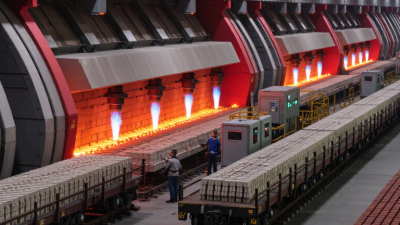
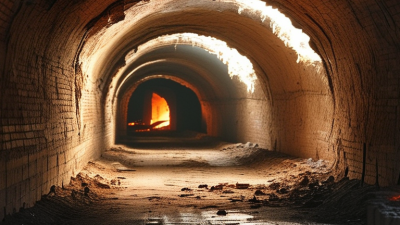
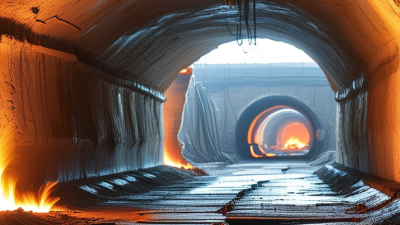
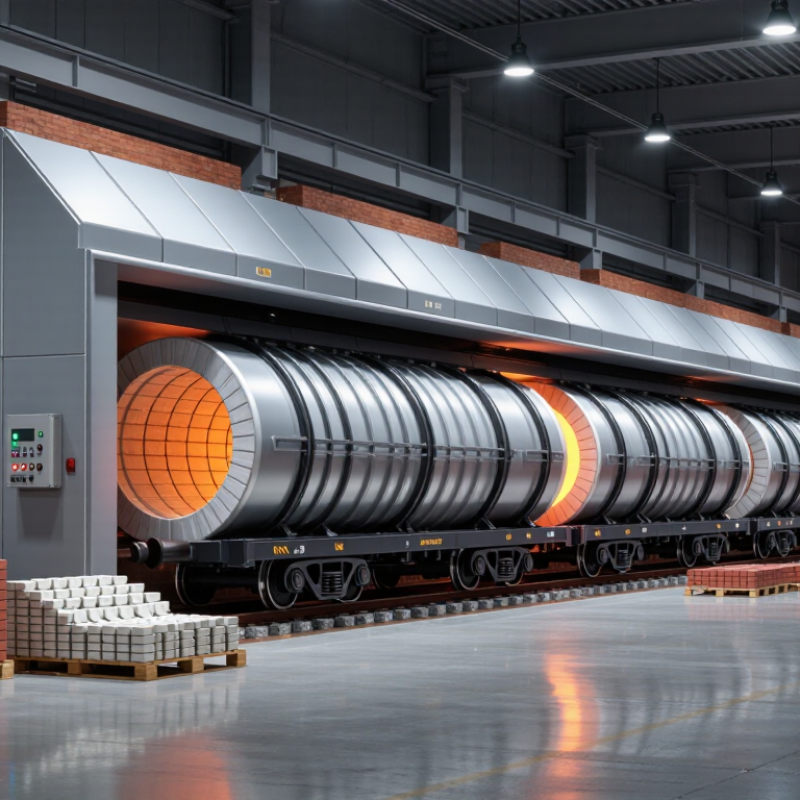
China-made tunnel kilns serve continuous ceramic, brick, sanitaryware, and advanced material production. Their long chamber moves ware through preheating, firing, and cooling zones. A Gas Tunnel Kiln uses controlled burners and suits high-throughput lines. Electric versions offer cleaner local operation and precise temperature adjustment. Roller, pusher, and car-based designs fit different product shapes and factory layouts.

Core features include insulated kiln walls, adjustable zone controls, temperature sensors, exhaust management, and automatic conveying. Some systems reach stable firing near 1,200°C, depending on the material and process recipe. Buyers should examine usable chamber size, firing atmosphere, fuel consumption, loading method, and maintenance access. Price is only one part of the decision. Installation, spare parts, energy supply, and operator training can change the final cost. A low quotation may hide expensive groundwork.

Tips: Request test-firing data from similar products. Check temperature uniformity across the chamber, not only the peak reading. Ask for actual fuel or power consumption. Leave space for repairs. It sounds minor, but poor access can stop production for days. Also confirm local electrical, gas, ventilation, and safety requirements before ordering. Specifications on paper can look complete. Real factory conditions are less tidy, and the kiln may need adjustments after commissioning. Good suppliers should explain those limits clearly and provide practical process support.

China Tunnel Kilns: Typical Firing Temperatures by Application

Typical operating temperatures vary by product: bricks and roof tiles generally fire at lower temperatures, while tableware and sanitaryware require higher-temperature cycles. Actual kiln specifications, energy consumption, production capacity, and China-origin equipment prices depend on the material, kiln length, fuel type, automation level, and required output.

How Tunnel Kiln Design Affects Manufacturing Cost

China Best Tunnel Kiln Price for Global Buyers?

Tunnel kiln design strongly influences manufacturing cost, not only the purchase price. A longer kiln needs more steel, insulation, burners, controls, and installation labor. However, an undersized kiln can create bottlenecks and unstable firing. The European Commission’s Ceramic Manufacturing BREF reports firing energy benchmarks commonly ranging from about 1.5 to 4.0 GJ per tonne, depending on product type and process conditions. Small efficiency losses can become expensive at continuous production volumes.

Insulation thickness, kiln width, firing temperature, and cooling-zone recovery deserve close attention. A well-designed cooling zone can transfer waste heat to combustion air or drying equipment. This reduces fuel demand, but adds ductwork, sensors, and maintenance points. The U.S. Department of Energy identifies process heating as a major industrial energy user, showing why fuel efficiency affects long-term operating costs. A low quotation may therefore hide higher energy bills. My experience suggests that buyers often compare equipment prices too early. Product testing should come first.

Tips: Request a full-cost model, including freight, civil work, commissioning, fuel consumption, spare parts, and operator training. Ask for measured energy use at your actual product weight and firing curve. Check whether the supplier’s performance data comes from a similar material. Reported figures can look precise, yet testing conditions may differ. Allow room for doubt.

China Tunnel Kiln Price Ranges for Global Buyers

China Tunnel Kiln Price Ranges for Global Buyers

China tunnel kiln prices commonly range from about USD 80,000 to USD 500,000 for standard ceramic and brick applications. Larger systems can exceed USD 1 million. The final figure depends on chamber length, daily output, fuel type, automation, and insulation quality. A compact kiln may suit 30–50 tons per day. A large Tunnel Kiln Plant may produce several hundred tons daily.

A practical quotation should separate the kiln body, burners, control cabinet, cooling section, installation, and spare parts. Freight and import duties also affect the landed cost. For example, a 60-meter kiln may need stronger steel supports in a humid coastal region. Voltage differences can require electrical adjustments. These details often appear after the first price discussion.

I have seen buyers focus too heavily on the lowest offer. That can be risky. A cheaper lining may increase heat loss and maintenance. Request fuel-consumption data, temperature-uniformity records, material certificates, and reference projects. Ask for a clear production test plan. Still, published figures are not guarantees. Clay composition, product shape, moisture, and operator skill can change actual performance. The uncomfortable truth is simple: a low purchase price may create higher costs later. Thin documentation is another warning sign.

Key Factors That Influence Tunnel Kiln Pricing

China Best Tunnel Kiln Price for Global Buyers?

Tunnel kiln pricing depends on more than the equipment quotation. Kiln length, firing temperature, daily output, and product shape affect the base cost. A kiln for bricks may require different insulation and airflow control than one for ceramic products. Fuel choice also matters. Natural gas, electricity, and alternative heating systems create different operating expenses. In practical projects, insulation quality often influences long-term savings more than the initial price.

Automation raises the purchase price but can improve temperature stability and reduce labor needs. Drying chambers, loading systems, burners, cooling sections, and exhaust treatment should be priced separately. Freight, installation, spare parts, and local electrical requirements may add substantial costs. I have seen buyers compare only the kiln body, then discover unexpected site expenses. That approach is understandable, but incomplete. Energy testing and production trials can reveal weaknesses before full installation.

Tips: Request a detailed quotation. Check fuel consumption, output capacity, temperature uniformity, warranty coverage, and installation support. Ask for recent operating data from similar applications. A low price is not always the best value. Sometimes, a slightly higher insulation standard pays back slowly, but reliably. Avoid trusting unclear promises. A careful technical review can prevent expensive changes after delivery.

How to Compare Chinese Tunnel Kiln Suppliers

China Best Tunnel Kiln Price for Global Buyers?

When comparing Chinese tunnel kiln suppliers, price should not be your only reference. A Brick Tunnel Kiln may appear affordable, yet its firing capacity, fuel use, and maintenance access can change the real investment. Request a complete quotation, including kiln length, firing temperature, kiln cars, control systems, installation, and spare parts. Ask whether the supplier has delivered similar equipment for your product and output.

Check the technical details carefully. Compare daily production, fuel consumption per ton, temperature uniformity, refractory materials, and expected service life. A reliable supplier should provide drawings, testing procedures, warranty terms, and clear delivery conditions. Factory inspection also matters. Observe welding quality, insulation thickness, control cabinets, and finished kiln cars. Small details often reveal production discipline.

Do not accept vague promises.

Speak with recent customers when possible. Their comments may reveal response times, commissioning delays, or unexpected operating costs. Price differences can come from genuine engineering choices, not only supplier margins. However, some low quotations omit essential equipment or after-sales support. That mistake is expensive. I would also leave room for uncertainty, because actual fuel use depends on raw materials, loading patterns, and local energy prices. A careful comparison should use total ownership cost, not the cheapest initial figure. Supplier communication is another practical test. Slow answers before the contract may become slower support after delivery.

Shipping, Installation, and Import Costs Explained

China Best Tunnel Kiln Price for Global Buyers?

Shipping, Installation, and Import Costs Explained

A tunnel kiln quotation usually covers more than the furnace body. Ask for a line-by-line proforma invoice before comparing prices. It should identify kiln length, firing temperature, output, fuel type, controls, and included spare parts. A Tunnel Kiln Burner may require separate gas trains, electrical cabinets, sensors, and safety testing. These details can change the final cost considerably.

Shipping depends on crate dimensions, total weight, loading port, and destination terminal. Oversized kiln sections may need special containers or flat-rack equipment. Request both FOB and CIF prices. CIF can look simpler, but destination handling charges may remain outside the quotation. Insurance, port storage, inland transport, and customs brokerage also need written confirmation. Expect delays. A crowded port or missing packing list can interrupt a carefully planned installation.

Installation costs often include foundations, steel supports, insulation checks, electrical wiring, gas connections, and commissioning labor. The buyer usually prepares the site and local utilities. Confirm whether remote training or on-site supervision is included. Import duty and value-added tax depend on the product classification, country, and declared customs value. Use a licensed customs professional to verify these figures. Documentation should include the commercial invoice, packing list, certificate of origin, technical drawings, and safety documents. I have seen projects budget only for equipment, then struggle with cranes and concrete work. That gap deserves honest review before payment.

Energy-Saving Automatic Solid-Fuel Burners for Tunnel Kilns: Insights from IEA and UNIDO Industry Reports

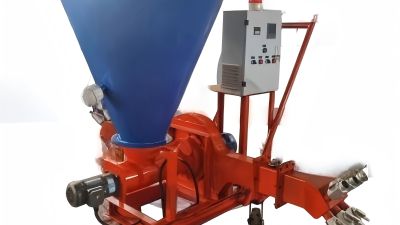
Energy efficiency and fuel flexibility are central priorities highlighted in IEA and UNIDO industry reports, especially for energy-intensive ceramic and brick manufacturing. Our advanced external combustion system is engineered for tunnel kilns in China, enabling manufacturers to use coal and other solid fuels as the primary heat source. Compared with natural gas, LPG, diesel, and gasoline, these fuels can provide a more economical option where local supply conditions support their use. The system is designed to improve thermal utilization and support stable kiln operation, helping manufacturers manage production costs while pursuing more efficient energy use.

Unlike direct coal addition to the raw mud, the external combustion design keeps fuel combustion separate from the product-forming material. This helps prevent ash contamination, uneven firing, and quality deterioration that may occur when coal is mixed directly into the mud. Controlled heat transfer allows manufacturers to maintain consistent firing conditions and produce high-quality bricks, tiles, and other ceramic products. As an experienced supplier and factory, we provide reliable combustion equipment and practical technical support tailored to tunnel-kiln applications, production capacity, fuel characteristics, and plant operating requirements.

FAQS

What is the typical price range for a tunnel kiln from China?

Standard systems often cost USD 80,000 to USD 500,000. Larger installations may exceed USD 1 million. The final price depends on design and capacity.

Which factors affect tunnel kiln pricing most?

Kiln length, daily output, firing temperature, fuel type, and automation strongly affect cost. Insulation quality also matters. A 60-meter kiln may need stronger supports near humid coastal sites.

How much production capacity can different kiln sizes provide?

A compact kiln may produce 30–50 tons daily. Large systems can produce several hundred tons per day. Actual output depends on product shape, moisture, and firing conditions.

What should a detailed quotation include?

The quotation should list the kiln body, burners, controls, cooling section, installation, and spare parts. It should also show freight and import duties separately. Hidden costs are unpleasant.

How do fuel and electrical requirements change the total cost?

Natural gas, electricity, and other heating systems create different purchase and operating costs. Voltage differences may require electrical adjustments. Local energy prices can change the best choice.

Is the lowest tunnel kiln quotation the best option?

Not always. A low price may include weaker lining, limited controls, or incomplete support. Higher heat loss can increase future maintenance and energy expenses. I would question unclear promises.

What technical information should buyers request before ordering?

Request fuel-consumption data, temperature-uniformity records, material certificates, and similar project references. Ask for warranty terms and installation details. Published figures are not guarantees.

Why are production trials important before full installation?

Trials can reveal problems with drying, airflow, temperature stability, and product quality. They should use materials and shapes close to your real production. Testing takes time. It may prevent expensive changes later.

How does insulation quality influence long-term value?

Better insulation can reduce heat loss and operating costs. It may raise the initial purchase price. The savings usually appear gradually, not immediately. This is easy to underestimate.

Conclusion

China tunnel kilns are widely used for continuous firing in industries such as ceramics, bricks, advanced materials, and selected industrial products. Their main advantages include stable temperature control, high production capacity, energy efficiency, and compatibility with automated loading and unloading systems. Tunnel kiln design has a direct effect on manufacturing cost: kiln length, firing temperature, insulation materials, fuel type, automation level, and customized chamber dimensions can all influence the final investment. Therefore, buyers should evaluate performance requirements before comparing quotations.

The China Tunnel Kiln Price for global buyers can vary considerably according to capacity, configuration, technology, and customization. In addition to the equipment price, purchasers should calculate shipping, packaging, insurance, installation, commissioning, spare parts, import duties, and local infrastructure expenses. A reliable supplier comparison should consider technical specifications, energy consumption, production consistency, warranty terms, after-sales support, delivery time, and documented experience. Requesting a detailed quotation and confirming all included services can help buyers control the total project cost and choose a suitable tunnel kiln solution.
Clara

Clara

Clara is a dedicated marketing professional at We Henan Cadier Green Building Technology Co., Ltd., a company committed to providing comprehensive solutions for large-scale production lines of new energy-saving and environmentally friendly wall materials since 2009. With an extensive knowledge of......
Previous How to Start a Clay Brick Manufacturing Plant?