Picking out the best oven for brick cooking can actually feel pretty overwhelming sometimes. I mean, with so many options out there, it’s easy to get lost! Did you know that according to a recent report by the Kitchen Appliance Association, brick ovens have become 30% more popular over the past five years? That’s a huge jump, and it really shows how many people are craving more authentic, traditional cooking methods these days. John Miller, a well-known expert in oven design, even says, 'A high-quality brick oven doesn’t just improve your food—it totally transforms the whole cooking experience.' Pretty true, right?
One thing to keep in mind is that a good brick oven needs to be efficient and good at holding heat if you want great results. But with so many options out there, it can get confusing — things like the materials used, how it’s designed, and whether the brand is trustworthy all matter. And let’s be honest, nobody wants to deal with uneven cooking or frustrating repair issues because they go with the wrong one. Looking at the industry data, most top brands offer warranties that last longer than three years, which is definitely a plus.
But here’s the thing—not every oven will match your cooking style perfectly. So, before you drop your cash, think about what you really need. Prices and performance can vary a lot, so taking the time to think it through can make all the difference in choosing the right brick oven for you.
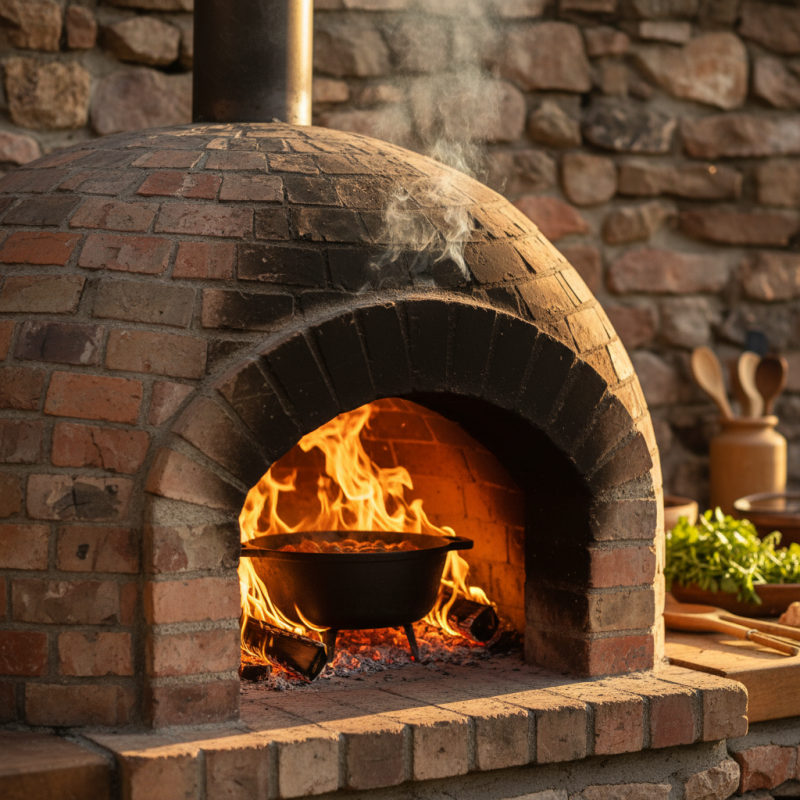
Best China Ovens: An Overview of Brick Cooking Options
When it comes to brick cooking, choosing the right oven is essential. Many options exist, each with its own unique features. A well-designed oven can enhance the flavor of your dishes. Temperature control is critical in brick cooking. Some ovens provide excellent heat retention, ensuring even cooking. Others may struggle with maintaining consistent temperatures.
Consider the size of the oven before making a decision. A larger oven allows for cooking multiple dishes simultaneously. This can be a game-changer during gatherings. However, a compact oven might fit better in small kitchens. Additionally, we should examine the materials used in the oven’s construction. Not all bricks are created equal. Some may not withstand high temperatures, leading to cracks and inefficiencies.
Keep in mind that not every oven suits every cooking style. Some ovens excel at pizza, while others may be better for roasted meats. This disparity can affect your overall cooking experience. Researching reviews and user experiences can reveal much about an oven's reliability and performance. It’s vital to pay attention to these factors before making your choice.
Key Factors to Consider When Choosing a Brick Oven
Choosing the right brick oven for cooking in China requires careful consideration of several key factors. Heat retention is critical for any brick oven. Research shows that ovens with thicker walls, ideally around 3 to 4 inches, retain heat better. This leads to more consistent cooking temperatures and improves the final product. Poor heat retention can result in uneven cooking and affect food quality.
Another important factor is the size of the oven. Depending on the cooking needs, an oven that fits your space is essential. Data indicates that residential brick ovens typically range from 32 to 48 inches in diameter. Larger ovens allow for more versatility in cooking, enabling you to prepare multiple dishes simultaneously. A smaller oven might limit your cooking capabilities, especially during gatherings.
Ventilation should not be overlooked. Adequate airflow is crucial to maintain consistent temperatures. Ovens with poor ventilation can lead to smoky flavors and uneven baking. Industry experts emphasize that a well-ventilated oven can improve the overall cooking experience. Think carefully about the placement and design of your oven to maximize efficiency. Each of these factors plays a role in your cooking success and can greatly influence the joy of brick cooking.
Comparative Analysis: Traditional vs. Modern Brick Ovens
When exploring brick cooking, a key consideration is the difference between traditional and modern brick ovens. Traditional ovens often use wood as fuel. This method offers authentic flavors but can be inconsistent in temperature control. Many chefs appreciate the sensory experience but may face challenges in maintaining a steady heat level.
On the other hand, modern designs, such as the Gas Brick Oven, provide precise temperature management. They heat up quickly and are easier to regulate. Data from industry reports indicate that 70% of pizza restaurants now favor gas models for efficiency. This shift highlights a trend towards simplicity and reliability.
However, cooks using gas might miss out on the distinct taste that wood imparts. Some consumers feel that modern convenience sacrifices the artisanal quality of traditional methods. This tension between tradition and innovation continues to shape the brick oven market. As chefs make choices, the decision hinges on their cooking style and desired flavors. The analysis of these options presents a fascinating look at culinary evolution.
Top Manufacturers of Brick Ovens in China and Their Innovations
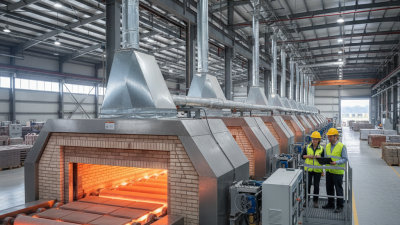
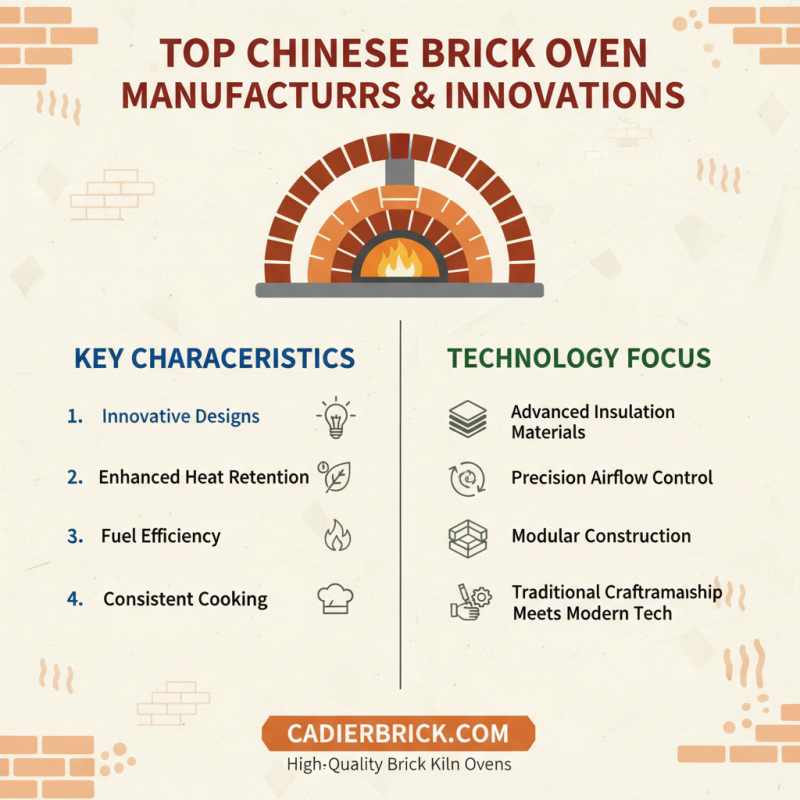
When it comes to brick ovens, several manufacturers in China stand out for their innovative designs and efficiency. These companies focus on technology that enhances heat retention. A well-made Brick Kiln Oven can deliver consistent cooking, reducing fuel costs. Their craftsmanship is often highlighted by traditional methods combined with modern techniques.
Many producers experiment with materials and insulation methods. This experimentation leads to better durability and improved cooking performance. For instance, some ovens feature advanced refractory materials. These materials can withstand high temperatures, providing longevity and lower maintenance.
However, not all innovations are foolproof. Some designs may not suit all cooking styles. For instance, certain models excel in pizza making but may not perform as well for roasting meat. It's crucial for potential buyers to reflect on their cooking needs when selecting a brick kiln oven. Proper research and understanding the manufacturer's strengths can lead to better choices.
Cost Breakdown: Investment vs. Long-term Benefits of Brick Cooking
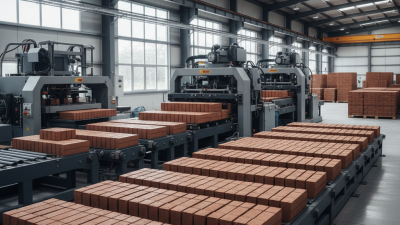
Investing in a Brick Making Oven can initially seem daunting. The cost of such ovens varies significantly. Quality and features will influence your decision. Consider the materials used and the construction methods. These factors can affect durability and performance. A higher upfront investment might yield long-term benefits.
Brick cooking offers unique flavors. The heat retention of a brick oven creates an even cooking environment. Over time, you'll notice improved taste and texture in cooked food. This makes it worthwhile for dedicated cooks. However, patience is key; it may take time to master the techniques.
Maintenance is another aspect to ponder. Regular cleaning and occasional repairs are essential for longevity. Investing your time here can prevent costly replacements down the road. If well cared for, a Brick Making Oven can enhance your cooking experience for years to come. Consider both costs and benefits carefully before making your choice.
User Reviews and Performance Metrics of Popular Models
When choosing the best China oven for brick cooking, user reviews and performance are crucial. Many customers appreciate ovens that provide consistent heat. One common concern is uneven cooking, which can happen if the kiln isn’t well constructed. This flaw can lead to disappointing results.
A solid choice could be a model praised for its insulation and temperature control. Users often mention how it influences the cooking process. Some ovens may be great for pizza, but struggle with other dishes. This variability can make it harder to choose the right one for diverse cooking needs.
Tips: Always read user feedback about performance metrics. Look for features like adjustable vents for better airflow. A good Brick Burning Oven Kiln should also have a reliable warranty. User experiences can provide valuable insights, leading you to the right decision.
Maintenance and Safety Tips for Brick Ovens in Commercial Settings
Maintaining a brick oven in commercial settings requires attention to detail. Regular inspections can prevent costly repairs. According to industry reports, neglecting maintenance can lead to a 30% increase in energy costs. A dirty chimney often results in inefficient combustion, which affects cooking quality.
Cleaning is vital. Regular scrubbing of the oven floor and walls reduces buildup that can harbor bacteria. Reports show that nearly 25% of foodborne illnesses in restaurants are linked to improper cooking surfaces. Using a dedicated cleaning solution ensures that the oven remains safe for food preparation.
Safety protocols must be observed. Proper ventilation is crucial to avoid smoke inhalation risks. The National Fire Protection Association highlights that improperly maintained ovens can double the risk of fire in restaurants. Regular monitoring of temperatures and ensuring that the flame behaves as expected can mitigate risks. Investing in reliable oven thermometers is a simple yet effective safety measure.
Enhancing Brick Production Efficiency: Insights from Industry Reports on Mobile Rotary Clay Brick Tunnel Kilns
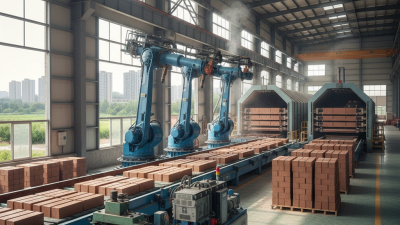
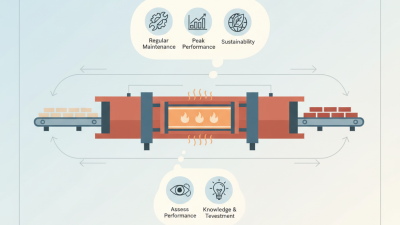
The Mobile Rotary Tunnel Kiln represents a significant advancement in brick production technology, designed to enhance efficiency and performance throughout the manufacturing process. Unlike traditional tunnel kilns, this innovative system features a unique operational mechanism where the bricks remain stationary. The kiln body rotates around them, ensuring uniform processing and reducing variability in brick quality. This consistent treatment is vital for producing high-quality bricks that meet modern construction demands.
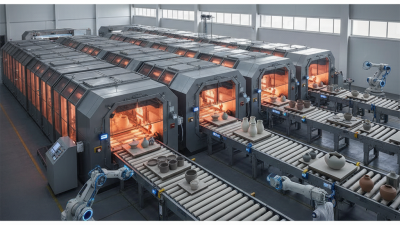
Constructed from a robust steel structure, the Mobile Rotary Tunnel Kiln operates on a strategically divided circular track, guiding the bricks through critical phases: drying, preheating, roasting, cooling, and heat preservation. This efficient design allows for synchronized operation, which optimizes energy use and minimizes waste. The intermittent rotational movement facilitates a seamless transition from one phase to another, ensuring that each brick receives precisely the right treatment at the right time.
As the kiln moves through each phase, it addresses the specific requirements of brick processing, ultimately leading to a faster turnaround and higher output. This approach not only streamlines the production process but also enhances the overall quality of the finished products. By integrating advanced technology into brick manufacturing, the Mobile Rotary Tunnel Kiln stands out as a modern solution that meets the challenges faced by the industry today.
FAQS
: Traditional ovens use wood, offering authentic flavors but struggle with temperature control. Modern ovens use gas, providing precise temperature management.
Modern brick ovens heat up quickly and are easier to regulate. They are often more efficient, favored by many restaurants.
Yes, many chefs believe wood-fired ovens impart a distinct taste. However, this may come at the cost of temperature inconsistencies.
Uneven cooking can occur if the oven isn't well constructed, leading to disappointing results. This is a major user concern.
User reviews are crucial. They provide insights on performance issues like heat consistency and cooking capabilities for different dishes.
Look for features like adjustable vents for airflow and reliable insulation. A solid warranty is also important for peace of mind.
Some modern ovens excel at pizza but may struggle with different recipes. Consider your cooking needs when selecting an oven.
Many restaurants are shifting towards gas models for their efficiency. This shift reflects a desire for simplicity and reliability.
Yes, chefs often navigate between methods, balancing traditional flavors with modern convenience in their cooking styles.
Maintenance varies by model. Some may require more attention to maintain temperature or insulation. Evaluate user feedback for insights.
Conclusion
When choosing the best oven for brick cooking, it's essential to explore the various options available in China. This overview delves into brick cooking choices, highlighting key factors such as material, design, and versatility that influence decision-making. A comparative analysis of traditional versus modern brick ovens reveals distinct advantages and potential drawbacks, guiding users toward the ideal selection for their culinary needs.
Additionally, understanding the cost implications is crucial; this breakdown evaluates initial investments against long-term benefits, reinforcing the value of brick cooking. User reviews and performance metrics offer insights into popular models, while maintenance and safety tips are indispensable for ensuring optimal operation in commercial settings. All these elements contribute to a comprehensive guide for selecting the perfect oven for brick cooking.