请留言
    
0%

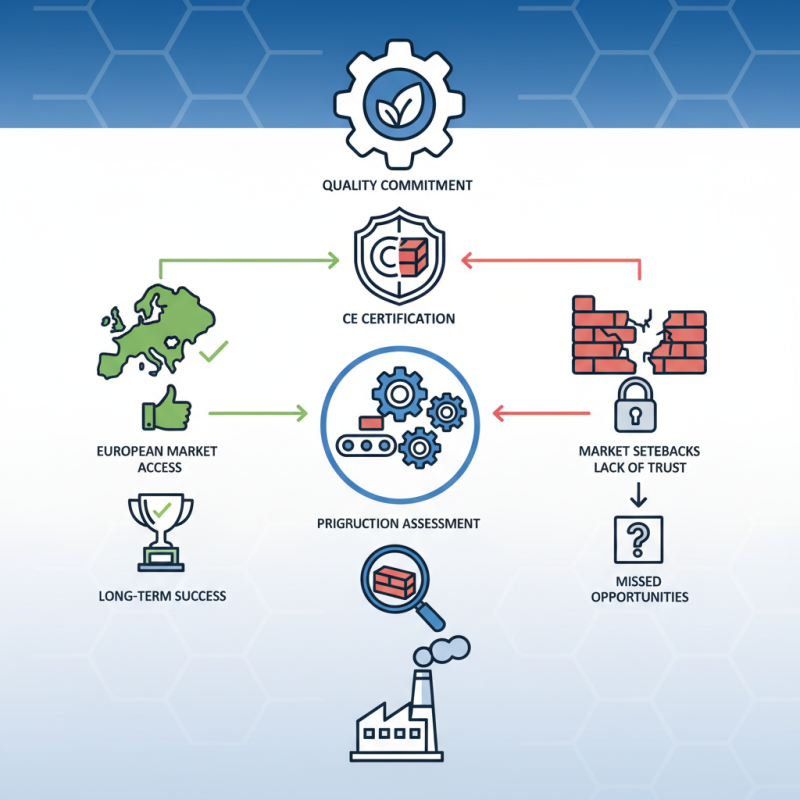
In the complicated world of a Clay Brick Manufacturing Plant, you really can’t overlook how important proper certifications are. I remember Jason Thompson from BrickTech Solutions once saying, “CE certification isn’t just some checklist—it’s a real commitment to quality.” That really hits home and shows the kind of hurdles manufacturers deal with day-to-day. Honestly, hitting those safety and quality standards isn’t just for show; it’s key to keeping your business afloat in the long run.

Getting CE certified means your plant is playing by the European rules, which might seem like a pain at first, but trust me, the benefits are worth it. Skip them, and you might find yourself struggling to get into certain markets or losing customer trust—nobody wants that. Paying attention to every little detail really can make a huge difference.

Some folks see certifications as just extra paperwork, but they actually symbolize a much deeper responsibility. The processes involved in making bricks are pretty complex and need thorough assessments; if you’re not careful, mistakes can happen. For those working in the Brick Kiln Plant business, understanding these ins and outs is absolutely crucial. Striving for top-notch quality isn’t always simple—it often means overcoming some tough challenges along the way.
Best CE Certification for Clay Brick Manufacturing Plant Products Explained?

Overview of CE Certification for Manufacturing Facilities

Best CE Certification for Clay Brick Manufacturing Plant Products Explained?

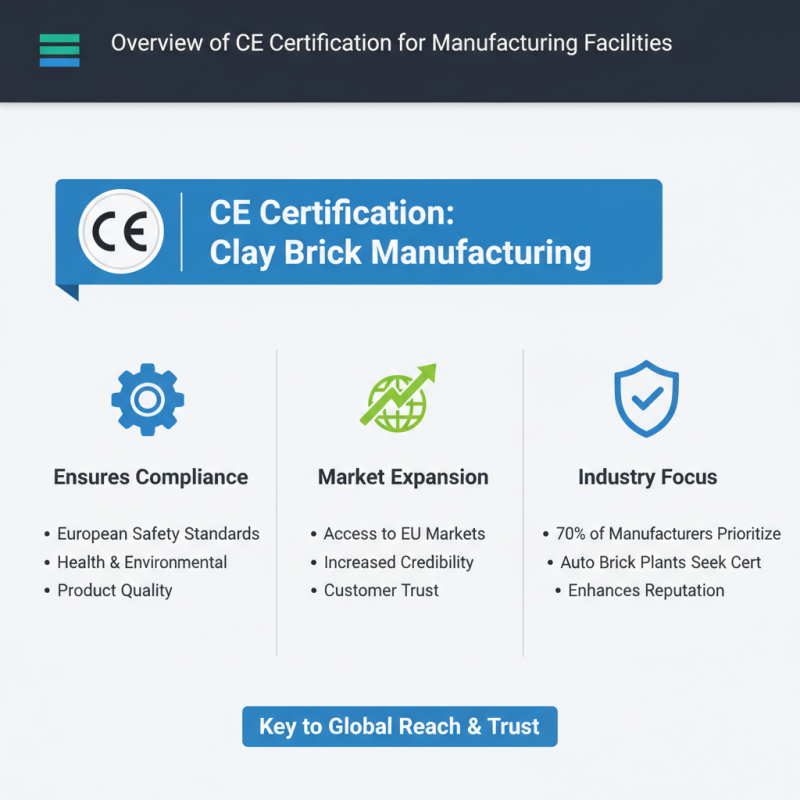
CE certification plays a crucial role in the clay brick manufacturing industry. It ensures that products meet European safety, health, and environmental standards. Many manufacturing plants, including those operating Auto Brick Plants, seek this certification to expand their market reach. Industry reports indicate that approximately 70% of manufacturers prioritize CE compliance, which enhances their credibility and trust among customers.

The certification process involves thorough assessments. This includes evaluating the production plant's conformity to technical specifications. For instance, adherence to EN 771-1 standards for clay masonry units is essential. Compliance can significantly impact product quality and customer satisfaction. Yet, many facilities struggle with maintaining consistent standards, revealing a need for continuous improvement and training.

Investing in staff training is essential for achieving and maintaining CE certification. Skilled workers are integral to the performance of an auto brick plant. Data shows that 65% of successful manufacturers conduct regular training sessions. This cultivates a knowledgeable workforce that can navigate changing regulations. Without proper training, facilities risk falling short of compliance, which can lead to costly penalties and lost business opportunities.

Importance of CE Certification in Clay Brick Industry

CE certification plays a crucial role in the clay brick industry. It demonstrates compliance with European safety and environmental standards. In many regions, CE marking is mandatory for brick manufacturers. This ensures that products meet quality requirements, thus boosting consumer confidence.

According to the European Committee for Standardization (CEN), 60% of clay bricks manufactured in Europe are CE certified. This certification process often involves rigorous testing and assessment. It covers aspects like thermal performance, durability, and environmental impact. Manufacturers who invest in CE certification not only enhance their credibility but also expand their market reach.

Interestingly, some clay brick plants report challenges in meeting CE standards. A study from the Clay Brick Association highlighted that approximately 30% of manufacturers faced issues with compliance. This reveals the ongoing need for support and resources in the industry. Addressing these gaps is vital for maintaining high standards and fostering innovation in clay brick production.

CE Certification Importance in Clay Brick Manufacturing

Key Requirements for CE Certification in Clay Brick Production

CE certification is crucial for manufacturers in the clay brick industry. It ensures products meet safety and quality standards. Key requirements for this certification include compliance with the European Union's Construction Products Regulation (CPR). This regulation mandates specific performance characteristics for building materials.

Manufacturers must conduct product tests to assess durability, thermal insulation, and fire resistance. According to a recent industry report, over 70% of brick manufacturers report challenges in meeting these stringent testing requirements. Proper documentation is also essential. Technical files must outline product specifications and test results.

Additionally, ongoing quality control is vital. Regular audits help ensure compliance with standard requirements. Non-conformance can lead to severe penalties or market access issues. Industry experts recommend investing in staff training. Knowledgeable employees can greatly enhance compliance efforts. Continuous improvement is necessary for long-term success.

Best CE Certification for Clay Brick Manufacturing Plant Products Explained? - Key Requirements for CE Certification in Clay Brick Production

Dimension Description Key Requirements
Material Standards Quality and performance of raw materials used in clay bricks. Must comply with European standards such as EN 771-1.
Production Process Standards governing machinery, technology, and methods used in production. Require CE marking for manufacturing equipment and processes.
Health and Safety Regulations ensuring worker safety during the production cycle. Compliance with EU health and safety legislation.
Environmental Impact Assessment of emissions and waste management during production. Adherence to environmental regulations set by the EU.
Performance Testing Testing brick durability, water absorption, and thermal properties. Results must meet or exceed standards outlined in EN 772.
Documentation and Traceability Availability of records demonstrating compliance with standards. Maintain complete and detailed production logs and CE documentation.

Steps to Achieve CE Certification for Brick Manufacturing Plants

Achieving CE certification for a Brick Making Plant involves several critical steps that ensure compliance with European standards. First, ensure that your manufacturing processes align with the relevant directives. This includes understanding the essential requirements laid out in the Construction Products Regulation. Each brick produced must meet specific performance criteria.

Documentation is key during this process. Keep meticulous records of your production methods. Effective quality control measures must be in place. You should have an internal system to track compliance continuously. This can help highlight issues early, allowing for timely correction.

Tip:

Regularly review your production data. This helps maintain high standards and can save costs in the long run.

Another crucial step is to conduct testing. It’s important to assess the performance of your bricks against the established norms. Engaging a notified body may be wise for certain assessments. Their expertise can provide an objective evaluation.

Tip:

Don’t overlook staff training. Ensuring your team understands the certification process is vital. Set up regular training sessions to address any knowledge gaps.

At times, you may encounter obstacles. Delays in documentation or miscommunications can arise. Reflect on these challenges to improve your processes. Every setback can be a learning opportunity in your CE certification journey.

Common Challenges in the CE Certification Process

Navigating the CE certification process for clay brick manufacturing plants can be daunting. Manufacturers often face unique challenges. Understanding these hurdles is crucial for success.

One common issue is meeting strict safety standards. These regulations can vary significantly across regions. Manufacturers must stay informed about local requirements. This often leads to confusion and inconsistency in compliance efforts.

Documentation is another frequent challenge. The process necessitates comprehensive records of materials and testing results. Missing or incorrect documents can delay certification approval. It is essential to maintain organized, up-to-date documentation.

Tip: Regular audits can help identify potential compliance gaps early.

Testing procedures might also present obstacles. Different tests may be required based on product type. Manufacturers should prepare for unexpected results. It might lead to increased costs and time.

Tip: Build a robust testing protocol that adapts to changing regulations.

Ultimately, embracing these challenges can strengthen manufacturing processes. Through continuous improvement and adaptation, manufacturers can enhance both compliance and quality.

Benefits of Obtaining CE Certification for Clay Brick Products

Best CE Certification for Clay Brick Manufacturing Plant Products Explained?

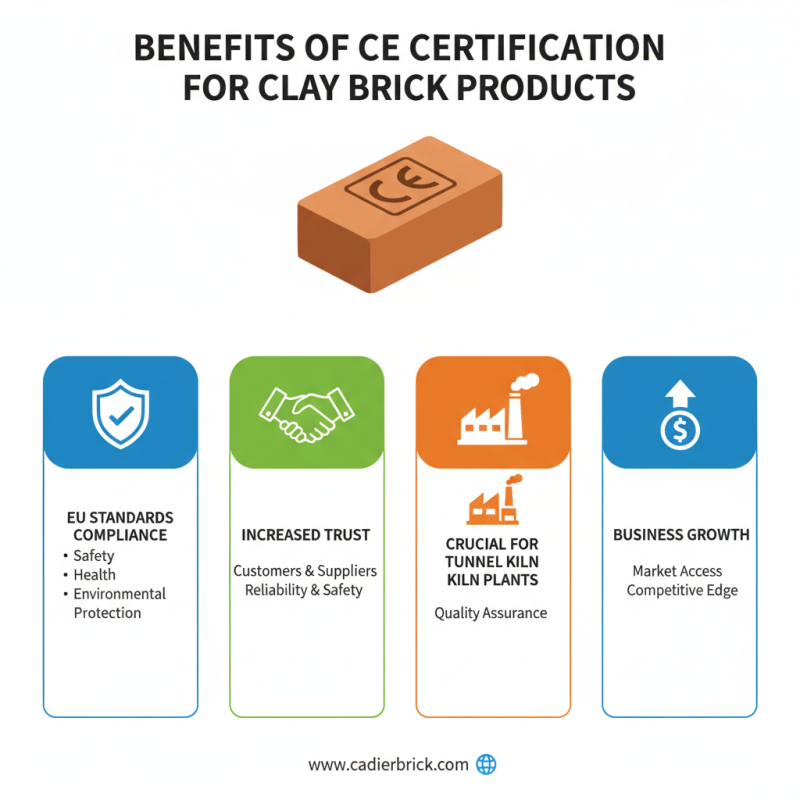
Obtaining CE certification for clay brick products offers numerous benefits. It signifies compliance with EU safety, health, and environmental protection standards. This certification builds trust with customers and suppliers. It assures them that your products are reliable and safe. For manufacturers operating a Tunnel Kiln Plant, this is particularly crucial. Quality assurance can drive your business growth.

CE certification can open doors to new markets. It allows you to compete effectively within the European Union and beyond. Exporting certified products can streamline entry into demanding markets. Customers often seek certification as an indicator of quality. Thus, having a CE mark can enhance your brand reputation significantly.

Tips for achieving CE certification include understanding the specific directives that apply to your products. Engage with certification experts early in the process. They can guide you through documentation and testing requirements. Regular training for your team on compliance practices can also be beneficial. Remember, the certification must be maintained, requiring ongoing vigilance and adaptation to any regulatory changes. This effort ensures that your Tunnel Kiln Plant remains competitive and compliant.

Updates and Future Trends in CE Certification Regulations

The landscape of CE certification regulations for clay brick manufacturing is evolving. Recent updates emphasize sustainability and environmental impact. According to a 2022 industry report, over 70% of manufacturers face challenges in meeting new compliance standards. Regulatory shifts stress the importance of reducing carbon emissions and minimizing waste. Companies are encouraged to adopt cleaner technologies in their Clay Brick Kiln to remain competitive.

Future trends indicate a stronger focus on lifecycle assessments. A study revealed that businesses utilizing advanced materials and methods can significantly lower regulatory hurdles. These trends demand constant adaptation. Manufacturers must consider not only the immediate impacts of their operations but also the long-term sustainability of clay brick products. Increased scrutiny on production practices means that manufacturers need continuous education and updates on compliance measures.

Investment in research and development becomes vital as regulations tighten. Experts suggest that companies which proactively engage with changing standards will thrive. However, many still lack the resources to implement necessary changes. This gap can lead to significant long-term consequences in the clay brick industry. Efficient management of compliance is crucial for sustainable growth and market success.

Innovative Solutions for Brick Production: The JKY Red Clay Brick Making Manufacturing Machine

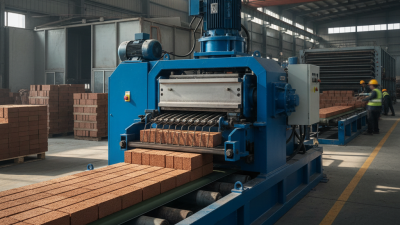
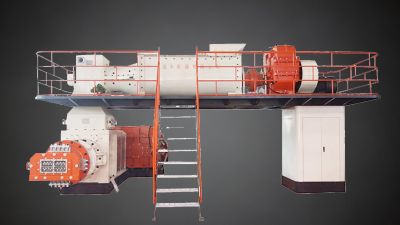
The JKY series red clay brick making manufacturing machine represents a significant advancement in the field of brick production technology. Designed as a twin-stage vacuum extruder, this machine integrates cutting-edge techniques from both domestic and international markets, ensuring high-quality output. It is particularly suitable for large-scale factories that prioritize superior brick quality and efficiency in manufacturing processes.

Constructed primarily from high-quality steel, the JKY machine boasts a robust and durable design. Its critical components, including axles and gears, are fabricated from carbon and alloy steel, subjected to rigorous modulation and heat treatment processes that enhance their longevity. This meticulous craftsmanship not only guarantees enhanced durability but also ensures smooth operation, making it an ideal choice for industries with high production demands. The innovative engineering behind this machine sets a new standard for efficiency and reliability in brick manufacturing, empowering businesses to meet their production goals with confidence.

FAQS

: What is CE certification in clay brick production?

: CE certification ensures that clay brick products meet essential safety and quality standards.

What are the key requirements for CE certification?

Compliance with the Construction Products Regulation is crucial. Manufacturers must conduct performance tests on their products.

What challenges do manufacturers face with CE certification?

Over 70% of manufacturers struggle to meet stringent testing requirements and documentation demands.

Why is ongoing quality control important?

Regular audits ensure compliance. Non-conformance can lead to penalties or limited market access.

How can staff training affect compliance efforts?

Knowledgeable employees significantly enhance compliance, making it easier to meet certification standards.

What recent trends are impacting CE certification regulations?

New regulations focus on sustainability, reducing carbon emissions, and lifecycle assessments.

How should manufacturers adapt to changing regulations?

Constant adaptation is necessary, emphasizing long-term sustainability and cleaner production practices.

What role does research and development play?

Investment in R&D is vital as regulations tighten. It helps companies stay ahead of compliance challenges.

What are the potential consequences of not adapting?

Companies lacking resources to adapt may face severe long-term consequences in the industry.

How can manufacturers thrive with changing compliance measures?

Proactively engaging with changing standards and investing in training can lead to long-term success.

Conclusion

CE certification is essential for Clay Brick Manufacturing Plants, as it ensures that products meet safety and environmental standards required in the European market. Understanding the importance of this certification, manufacturers must navigate key requirements, including compliance with directives and testing procedures.

The process of achieving CE certification involves several steps, from assessing factory production control to conducting necessary tests. However, common challenges such as documentation and regulatory changes can hinder progress. Despite these hurdles, obtaining CE certification brings numerous benefits, including improved product quality and market access. As the industry evolves, staying updated on certification regulations and trends will be crucial for manufacturers aiming to maintain compliance and competitiveness in the clay brick sector.

Clara

Clara

Clara is a dedicated marketing professional at We Henan Cadier Green Building Technology Co., Ltd., a company committed to providing comprehensive solutions for large-scale production lines of new energy-saving and environmentally friendly wall materials since 2009. With an extensive knowledge of......
Previous How to Choose the Best Clay Brick Manufacturing Plant?