请留言
So when you're picking out a Brick Drying Machine, it can really make or break your product quality, energy costs, and how much you can produce in a day. But honestly, it's not just about grabbing the biggest one out there. Things like clay composition, brick size, starting moisture, the local climate, what fuel you've got available, and your target output—they all play a part in how well it actually performs. You know, just because a dryer works great in one factory doesn't mean it'll do the same somewhere else—it might leave moisture all uneven or even cause bottlenecks.
Let’s be honest—the energy challenge we’re facing is massive. The Global Alliance for Buildings and Construction released its 2023 Global Status Report, and the numbers are pretty stark: in 2022, buildings and construction accounted for 34% of global energy demand and 37% of energy- and process-related CO2 emissions. And no, this isn’t just about drying bricks—it covers the whole sector. Still, it’s a clear sign that energy efficiency deserves some serious attention. You know, the European Commission actually has a whole reference document about best available techniques in ceramic manufacturing. And guess what? It makes a point to call out drying and firing as pretty important stages of the process. It’s easy to overlook stuff like that, but the little details really matter.
So this guide is basically about the usual options you’ll come across. Chamber dryers are great for flexible, smaller batches, while tunnel dryers are more your go-to for continuous, high-volume production. We’re also looking at airflow, temperature control, how you load the stuff, maintenance, and what it all costs in the end. But honestly, a meaningful comparison has to start with real production data—your daily output, how much drying time you can actually tolerate, moisture variation, and energy consumption. A shiny brochure just isn’t going to cut it. Honestly, there's no one-size-fits-all winner here. Estimates can be way off when it comes to what actually happens on the ground. So treat supplier claims as a rough starting point, then ask for performance data specific to your clay and product dimensions before you commit.
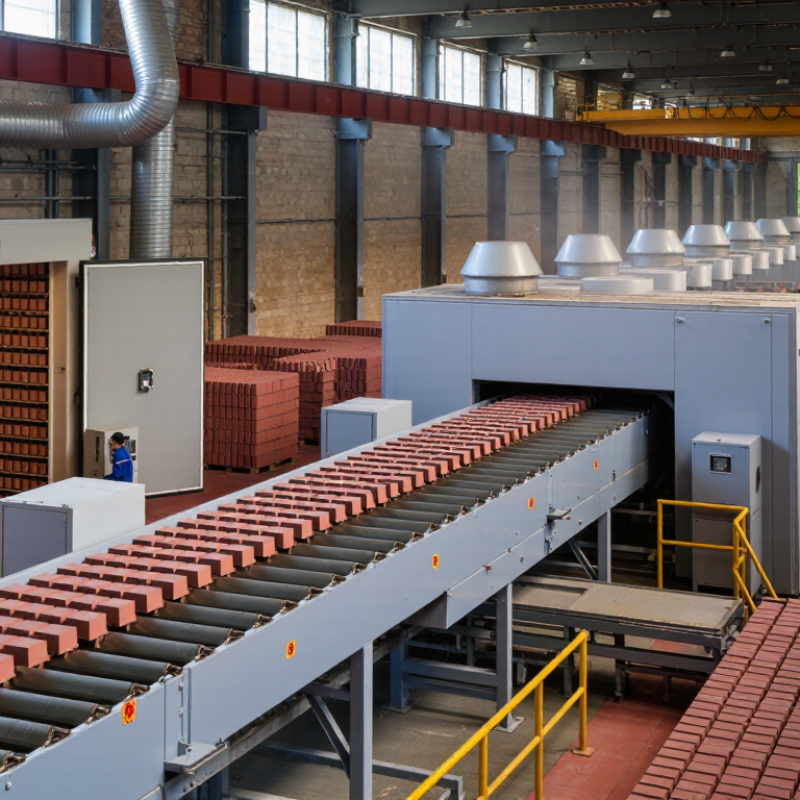
A brick drying machine removes moisture from freshly formed bricks before firing or further handling. It creates a controlled environment where heat and moving air help water leave the brick gradually. This stage matters because uneven drying can cause cracks, warped edges, or weak spots. Not just heat. Airflow and drying time also shape the result.
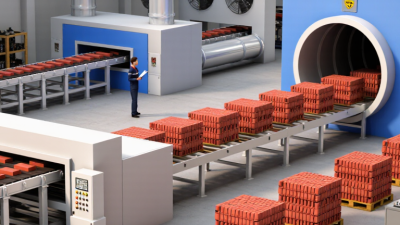
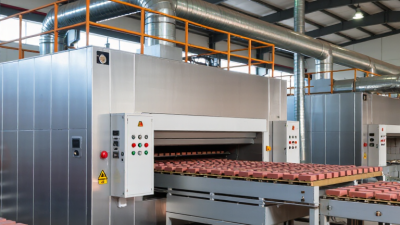
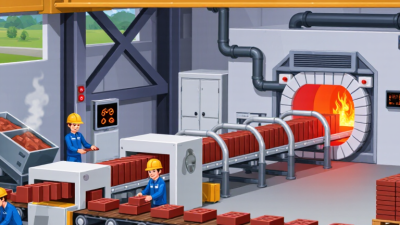
In production, bricks move through the dryer on racks, carts, or a conveyor, depending on the plant’s layout. Operators adjust temperature, humidity, and airflow to suit the clay mix, brick size, and loading pattern. A dense load may dry differently from a loosely spaced one. A neat control screen can still hide uneven airflow, so checking bricks at different points in the dryer is useful. The right settings often need careful trials; one recipe may not fit every batch.
Tips: Keep a simple record of settings and visible defects. Check the center and edges of sample bricks, not just the outer rows. If cracks appear, review airflow and loading before raising the temperature. Small details count.
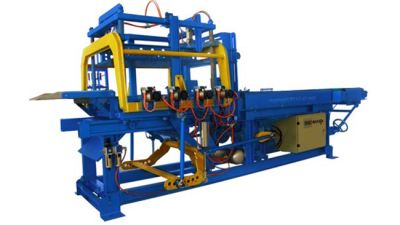
China’s auto block cutting machines are designed to bring accuracy and consistency to vacuum brick production. By guiding each cut with controlled positioning, an automated system can help manufacturers produce bricks to precise dimensions while reducing avoidable material waste. Consistent cutting is especially important for hollow bricks, where narrow internal walls need careful handling to retain their shape and strength.
An auto block cutting machine offers a practical solution for factories seeking a more efficient production process. Its cutting approach supports clean, repeatable results across batches and can reduce the need for time-consuming manual adjustments. For vacuum brick manufacturers, preserving the integrity of thin walls helps maintain product quality from cutting through to handling. Built for demanding production environments, this type of equipment can be integrated into a workflow to improve output consistency and make better use of raw materials. China-based manufacturing also provides brick producers with access to purpose-built machinery and supplier support tailored to their production requirements.
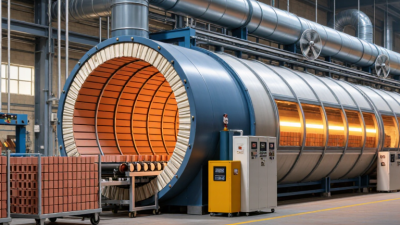
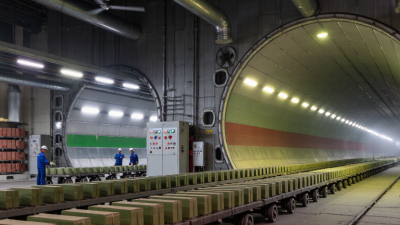
Batch chamber dryers process bricks in fixed rooms. Tunnel dryers move carts through heated zones. Vertical dryers use stacked shelves or carriers.
A batch chamber dryer offers flexible loading and adjustable cycles. Each batch needs loading and unloading, so output may slow as orders grow.
It often suits larger plants with steady production and a consistent brick mix. Check that its capacity matches the kiln.
Yes. Its compact path can help when floor space is limited. But uneven spacing may leave damp spots or cause cracks.
Record daily brick output, dimensions, and moisture after forming. Measure available floor space, fuel or power supply, and local humidity. Measure first.
Request moisture readings at several points in a test load, not just at the exit. Check the bricks near the center and edges.
Use bricks with a similar clay mix and size. Track cycle time, temperature, energy use, and cracked or warped bricks. Real runs differ.
Keep brick spacing consistent and adjust airflow and temperature as needed. Crowded stacks can dry unevenly, even when the temperature reading looks right.
No. Compare capacity with your actual production pattern and kiln output. The initial estimate may be wrong, so leave room for uncertainty.
A Brick Drying Machine is an essential part of brick production, helping remove moisture from freshly formed bricks so they can maintain their shape and gain strength before firing or further processing. Dryers use controlled heat and airflow to move moisture out of the bricks. Common options include chamber, tunnel, and continuous dryers, each suited to different production layouts and operating needs. Drying results depend on factors such as brick size, moisture content, airflow, temperature, and drying time; careful control helps reduce uneven drying and cracking.
Choosing the right dryer means matching its capacity and operating style to your production volume, available space, product range, and budget. Compare the initial investment with ongoing energy use, labor requirements, and maintenance needs. A well-matched system can support consistent product quality and efficient production, while a dryer that is too small, too large, or poorly suited to the process may increase costs and create bottlenecks.