If you're thinking about buying a brick-making machine, it's pretty important to get a good handle on the Brick Machine Price in China. Honestly, Chinese brick machines have become super popular because they're both efficient and budget-friendly. The market has a bunch of different models to choose from—like the Brick Machine Fired Clay Brick Making Machine. People tend to go for this one because it’s durable and can produce a lot of bricks fast.
A lot of companies, such as LONTTO Group, have really built a solid reputation as trusted players in this space. They know their stuff, making sure you get machines that meet international standards. But here’s the thing—prices can vary quite a bit depending on what features the machine has, how much it can produce, and what kind of tech is built in.
One common frustration among buyers is trying to find reliable info on pricing trends. The machinery market in China can be pretty complex, with lots of different manufacturers and options. Doing a bit of homework and gathering insights from multiple sources can really help you make smarter decisions. In the end, getting a good sense of the average price is key so you can budget properly and go for a machine that’s high quality and worth the investment.
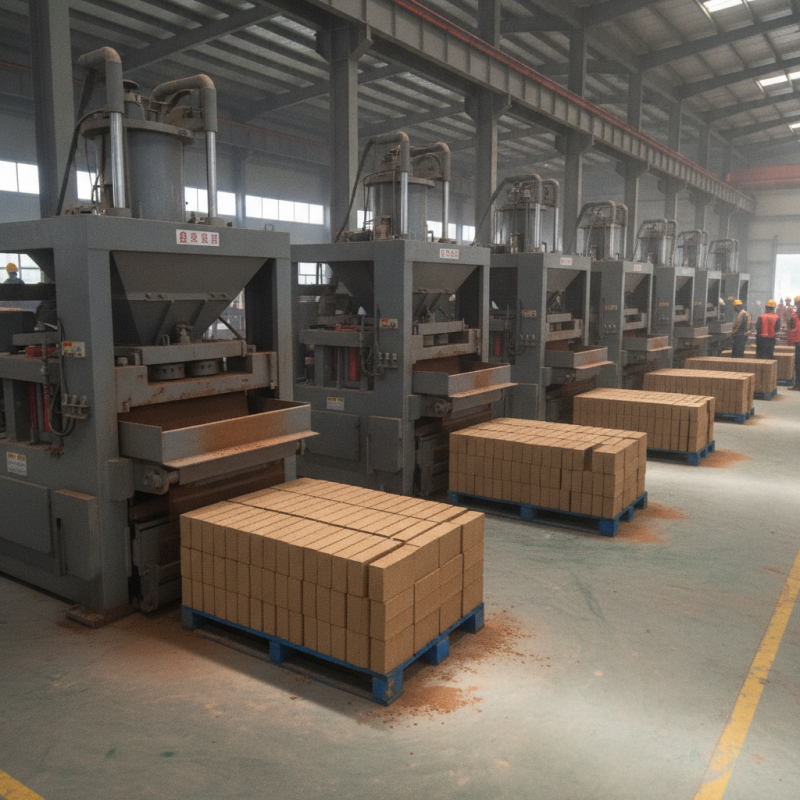
Average Brick Machine Price Overview in China
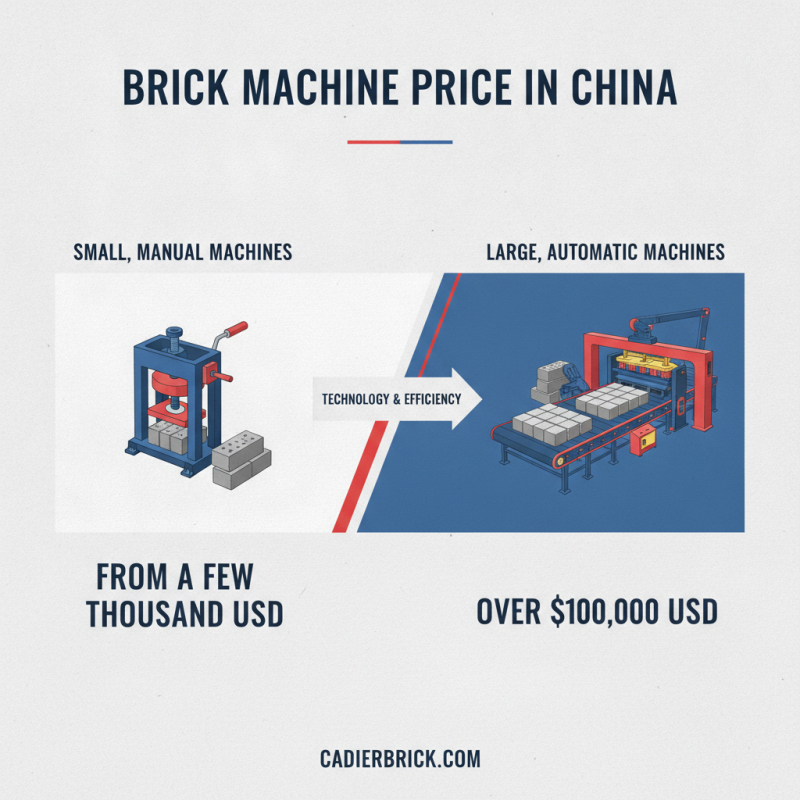
When exploring the average Brick Machine price in China, several factors come into play. The price for these machines can vary widely. Typically, small, manual machines might start from a few thousand dollars. Meanwhile, larger, automatic brick machines can reach prices over $100,000. This range reflects not only the size but also the technology and efficiency involved.
Local market conditions, demand, and customization options will influence the final price as well. For example, advanced features can increase costs significantly. Some buyers may feel overwhelmed by the options. However, understanding your needs is crucial for better decision-making.
Tips: Always compare multiple suppliers before making a decision. Don't hesitate to ask for quotes and product specifications. Seek advice from experts in the industry if possible. Knowing the average brick machine prices helps you budget realistically while also ensuring you achieve your production goals.
Factors Influencing Brick Machine Prices in China
The price of brick machines in China varies significantly. Several factors influence these prices. Firstly, the machine's capacity plays a crucial role.
Higher capacity machines often come with a higher price tag. For instance, a machine with a capacity of $20,000 might cost around 1,000 bricks per hour, while a more advanced model could reach $50,000 or more.
Additionally, the technology used in the machines greatly affects pricing. Fully automated machines are usually pricier than semi-automated versions. Reports show that automation can increase production efficiency by over 30%. However, this comes at a cost. It's essential to weigh the long-term savings against the initial investment.
Another influencing factor is raw material availability. Prices for clay and other materials fluctuate based on market demand. In regions where these materials are scarce, local brick machine prices may be higher.
Consider these variables when evaluating options. Market research suggests that understanding local supply chains can lead to more informed decisions.
Types of Brick Machines Available in the Chinese Market
In the Chinese market, various types of brick machines are available, each designed for specific applications. Among them, the
Mud Brick Machine
stands out for its efficiency and cost-effectiveness. This machine produces sturdy bricks from mud and soil, making it a popular choice in rural construction projects.
Another common type is the Fly Ash Brick Machine. It utilizes fly ash, offering an eco-friendly option for brick production. This machine requires different operational skills, making training essential for optimal performance. The market also includes Concrete Brick Machines, which cater to more urban settings and provide strength and durability.
Tip: When considering a brick machine, evaluate the materials you plan to use. The choice of material can significantly affect production costs and quality.
Every type of machine comes with its own set of challenges. For example, mud brick machines need precise moisture levels to ensure strong bricks. Regular maintenance is crucial to avoid production issues. Be prepared to invest time in understanding these machines before making a purchase decision.
Comparative Analysis of Brick Machines by Price Range
When exploring the brick machine market in China, price ranges vary significantly. Machines are typically categorized into three main brackets:
low-end,
mid-range,
and high-end.
Low-end machines can cost as little as a few thousand dollars. They may offer basic functionality, but their efficiency and durability could fall short. Many beginner companies opt for this range, often facing challenges in production quality.
Mid-range brick machines are more versatile and reliable. Prices usually fall between $10,000 and $20,000. These machines often include automated features that enhance productivity. Users can expect better material handling and production speeds.
However, buyers must carefully assess whether these options meet their specific needs.
High-end machines, surpassing $20,000, offer advanced technology. They provide precision in brick-making and often feature robust support services. Yet, the initial investment can be daunting, necessitating a thorough evaluation of long-term benefits.
The key to choosing the right machine is understanding your production requirements and budget constraints. While lower-priced machines may seem appealing, they often require more frequent repairs. This can lead to higher costs in the long run.
It's essential to balance upfront expenditure with potential maintenance expenses for sustainable operations.
Common Brands and Manufacturers of Brick Machines in China
In the competitive landscape of brick manufacturing, various brands and manufacturers in China offer a wide range of options. These machines cater to different production needs and budgets. The market shows a growing interest in efficiency and technology. Recent industry reports indicate that high-quality clay brick machines can range from $10,000 to $100,000. This variation depends on machine capacity and automation levels.
When considering a purchase, it's essential to evaluate suppliers based on their reputation and service quality. Many reputable manufacturers focus on sustainable production practices. However, some brands may overlook the long-term reliability of their equipment. Prospective buyers should investigate after-sales support and warranty options.
Tip: Before finalizing your purchase, request detailed specifications and production samples. Consider visiting the manufacturer's facility, if possible. Another point to reflect on is that while price can be an important factor, it's equally vital to assess the
machine’s output efficiency and
energy consumption. A reliable
Red Brick Machine can help ensure lower operational costs in the long run.
Balancing cost with performance is crucial for any business.
Cost-Benefit Analysis of Buying Brick Machines in China
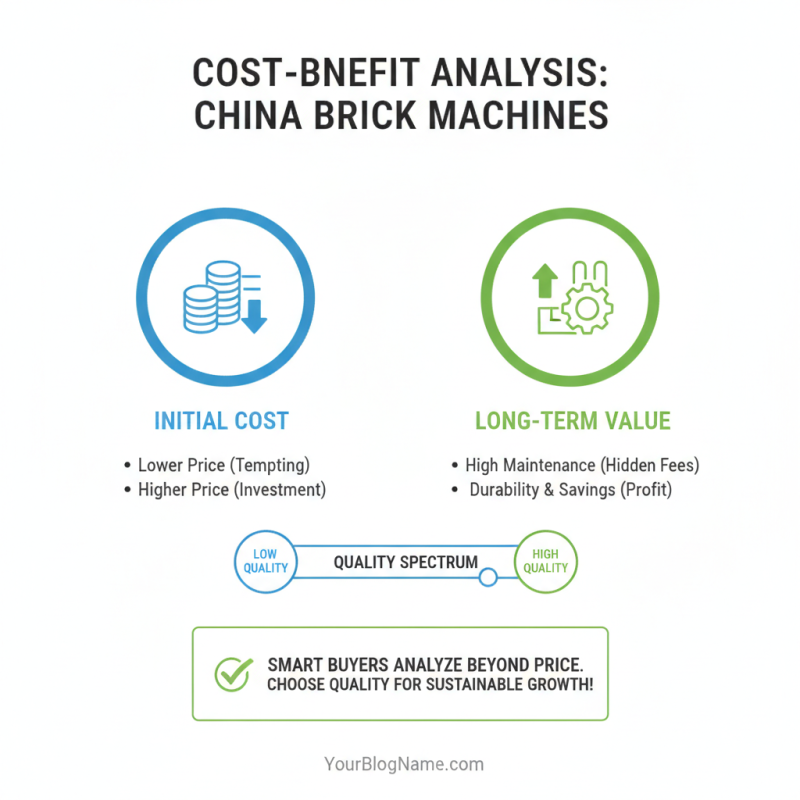
The average price of brick machines in China varies based on type and capacity. Many buyers find it important to analyze costs and benefits before making a purchase. Investing in high-quality brick machines can lead to significant long-term savings. Lower initial costs might seem appealing, but they often result in higher maintenance expenses.
When considering a brick machine, think about your production needs. Small operations might opt for basic models. Larger enterprises may benefit from advanced machinery that can handle higher volumes. However, with greater capacity comes increased costs. Assessing the return on investment (ROI) is essential. If the machine does not meet production goals, the initial savings may not be worth it.
**Tips:**
Check warranty details before buying. This can save you money on future repairs. Knowing the supplier’s reputation is crucial. Gather feedback from other users to avoid poor investment choices. Always consider long-term needs versus short-term savings. Maintaining a balance can lead to better profitability in your operations.
Future Trends in Brick Machine Pricing in China
The brick machine market in China is evolving rapidly. Current trends indicate a rising demand for eco-friendly solutions. Predictions suggest prices for various types of machines will fluctuate over the next few years. Reports indicate that from 2023 to 2028, the cost of
Soil Brick Machines may experience a moderate growth rate of about 5% annually. This growth is driven by both domestic use and export potential, influenced by increasing investments in construction and infrastructure.
As manufacturers focus on developing advanced technology, production costs might decrease. Machines that use less energy and raw materials will likely become more popular. Innovations in automation will also shape the future pricing of these machines. However, monitoring raw material costs and labor rates is essential for accurate predictions.
Tip: When investing in a Soil Brick Machine, consider long-term cost implications alongside initial pricing. Evaluate the technology used and its efficiency. Understanding the operational lifespan and maintenance costs can significantly affect your overall expenditure.
FAQS
: Brick machine prices are influenced by capacity, technology, and raw material availability.
Higher capacity machines cost more. For example, a 1,000 bricks per hour machine may cost about $20,000.
Fully automated machines are pricier than semi-automated models. Automation increases efficiency by over 30%.
Prices for clay fluctuate. Scarcity increases local machine prices.
Popular types include Mud Brick Machines, Fly Ash Brick Machines, and Concrete Brick Machines.
Different machines require specific skills. Fly Ash Brick Machines need skilled operators for optimal performance.
Evaluate the materials you plan to use. Material choice significantly affects quality and costs.
Yes, mud brick machines need precise moisture levels. Regular maintenance is necessary to avoid issues.
Yes, understanding local supply chains helps make informed decisions on equipment and material costs.
Initial investment for automated machines can be high, requiring careful consideration of long-term savings.
Conclusion
The article "What is the Average Brick Machine Price in China?" provides a comprehensive overview of the current market landscape for brick machines in China. It begins by discussing the average brick machine price, noting that prices can vary widely based on several factors, including the type of machine, its production capacity, and technological features.
Additionally, the article delves into the various types of brick machines available, from simple manual models to advanced automated systems. A comparative analysis highlights the price ranges of different machine types, aiding potential buyers in making informed decisions. The article also examines common brands and manufacturers, presenting a cost-benefit analysis of purchasing these machines. Finally, it concludes with insights into future trends in brick machine pricing, suggesting that as technology evolves, prices may continue to shift. Overall, this summary emphasizes the complexity of brick machine pricing and the importance of considering multiple aspects before making a purchase.