You know, the construction industry is changing pretty fast these days, and the Automatic Brick Production Line is really making a big splash. I was reading what Dr. John Smith from BrickTech Solutions—he’s sort of an expert in brick tech—had to say. He mentioned that automating the brick-making process boosts efficiency and helps cut down on labor costs. Honestly, that kind of insight really highlights why more companies should consider jumping on the bandwagon with these advanced systems.
So, when we talk about an Automatic Brick Production Line, we’re looking at a process that includes stages like mixing raw materials, molding the bricks, drying them out, and finally firing them. Each step is pretty important if you wanna end up with top-notch bricks. But here's the thing—not all production lines are created equal. Businesses really need to think about their specific needs and what technology is out there. Sometimes, older setups seem fine on the surface, but they might actually fall short when it comes to productivity and quality control.
And speaking of investment, jumping into an Ecp Production Line isn’t exactly cheap. The initial costs can seem pretty intimidating. That’s why it’s so important to weigh those upfront expenses against what you’ll get in the long run. Getting a good handle on how the technology works can really make a difference in making the switch smoother. Automating the brick-making process can totally streamline your operations, but it’s not just plug-and-play—you need to plan carefully and execute thoughtfully. The industry keeps on evolving, and it’s clear everyone’s always looking for ways to be more efficient and stay ahead of the game.
What is an Automatic Brick Production Line?
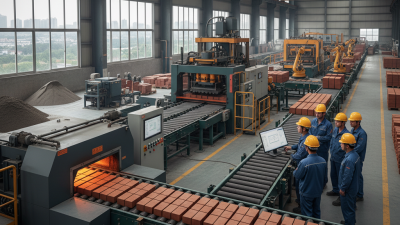
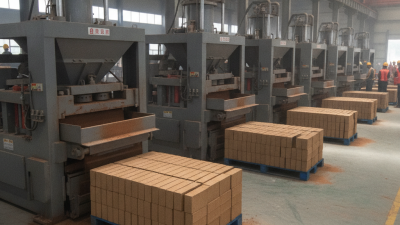
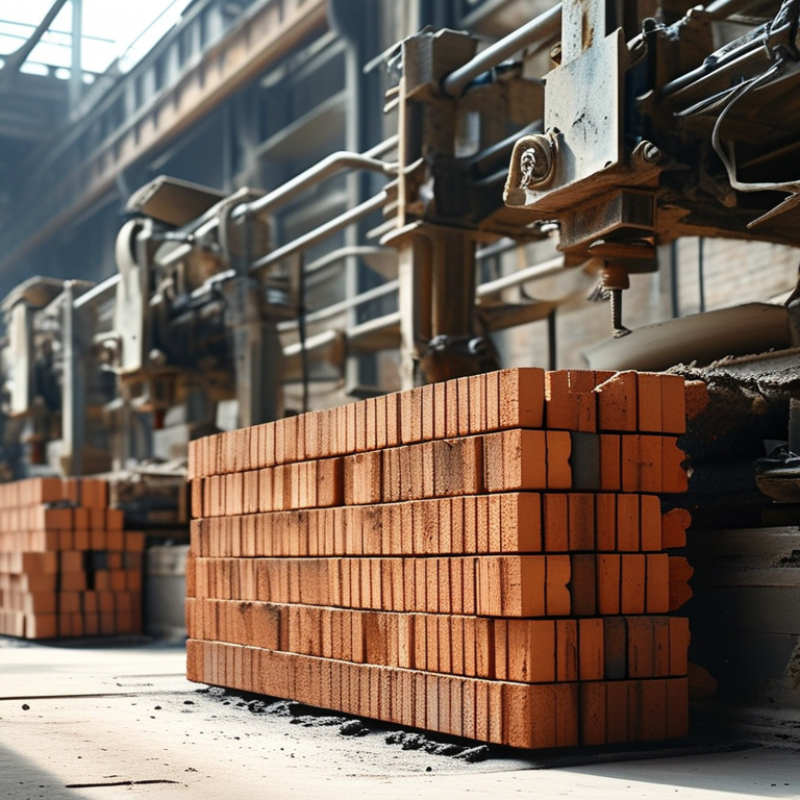
An automatic brick production line is a system designed to mass-produce bricks with minimal human intervention. This machine can take raw materials and convert them into finished products efficiently. Each step of the process is streamlined. From mixing materials to molding bricks, everything is controlled by computer systems. Sensors monitor each stage of production, ensuring quality and consistency.
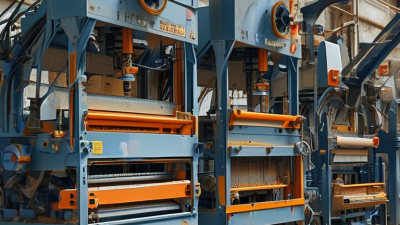
The Automatic Brick Machine utilizes several components. For example, it includes a mixer to blend ingredients like clay, water, and additives. After mixing, the mixture goes into a forming unit. Here, the bricks gain their shapes, ready for drying and firing. This automated process can produce thousands of bricks daily. However, issues may arise, like blockages or irregular shapes that disrupt the flow. Maintenance of the equipment is crucial to avoid these problems.
Despite advancements, imperfections in production can occur. An automatic brick machine might sometimes produce bricks that don't meet standards. Workers must monitor and adjust the settings regularly. This constant attention helps maintain output quality. The success of an automatic brick production line relies on balancing technology and human oversight.
Key Components of an Automatic Brick Production Line
An automatic brick production line streamlines the process of creating bricks, significantly enhancing efficiency. It comprises several key components that work in harmony to produce high-quality bricks. These components include mixers, extruders, molds, and kilns. Each plays a vital role in the production cycle.
Mixers combine raw materials like clay and water to form a homogeneous mixture. This is the foundation of quality bricks. The extruder then shapes this mixture into desired sizes. It's crucial that the mixture maintains consistent moisture levels to ensure proper formation. Molds follow, solidifying the shapes before they move to the kiln for drying and firing.
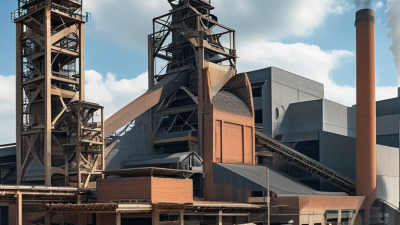
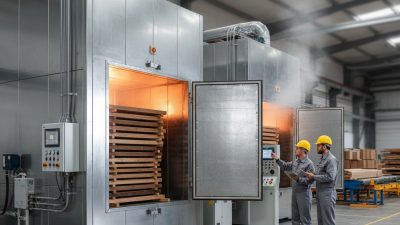
The kiln is perhaps the most critical part of the process. It operates at high temperatures to harden the bricks. Even a minor fluctuation in temperature can affect the final product. Regular monitoring is essential, as inconsistent heating can lead to defects. This highlights the importance of skilled operators and robust monitoring systems. It's fascinating how technology integrates to improve efficiency, but challenges still arise in quality control.
Process Flow of Brick Production: Step by Step
The process flow of brick production involves several key stages, starting from raw material handling to final packaging. Initially, clay or other raw materials are prepared and crushed into fine particles. This step is crucial, as the quality of the final product heavily relies on the consistency of the material. After crushing, the material is mixed with water to achieve the desired moisture content.
Once the mixture is ready, it is fed into the Brick Machine Automatic for shaping. This machine utilizes specific molds to form bricks. The compression process must be monitored closely to ensure uniform density. A common mistake in this stage is insufficient pressure, which can result in weak bricks. After molding, the bricks are dried, which can take several hours or days, depending on environmental conditions.
Finally, the dried bricks undergo firing in a kiln at high temperatures. This step solidifies the bricks and gives them their final strength. However, inaccuracies in temperature can lead to defects. Once fired, the bricks are cooled and sorted for packaging. Attention to detail is essential throughout the production flow to avoid costly errors in the final product. Each stage plays a vital role in achieving a high-quality brick.
Automatic Brick Production Line: Process Flow Overview
This chart illustrates the process flow of an automatic brick production line, showcasing different stages from raw material preparation to final product delivery.
Technology Used in Automatic Brick Production Lines
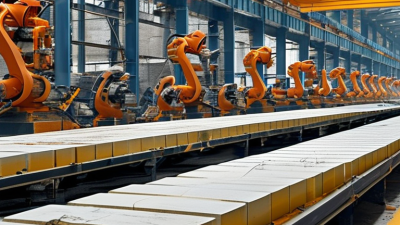
Automatic brick production lines utilize advanced technologies to enhance efficiency. Robotics plays a significant role in automating various stages of production. These machines handle tasks like mixing, molding, and stacking. According to industry reports, companies that adopt automation can increase output by up to 50%. This efficiency is critical, especially as demand for bricks rises in construction.
The technology in these lines often includes AI-driven systems. These systems monitor production parameters in real-time to ensure quality control. Infrared sensors measure moisture content, while pressure sensors in the molding process guarantee consistency. However, the reliance on technology can lead to challenges. For instance, system malfunctions can halt production, potentially causing delays. Companies must balance cost savings with the risks associated with technological dependencies.
Another critical aspect is the integration of eco-friendly practices. Many automatic brick production lines now use recycled materials. Reports indicate that incorporating sustainable practices can reduce resource consumption by up to 30%. This shift reflects a broader industry trend towards sustainability. However, transitioning to greener technologies can be costly upfront. Thus, companies must consider both immediate expenses and long-term benefits.
Efficiency Metrics: Production Rates and Cost Analysis
The efficiency of an automatic brick production line can be assessed through key metrics. For instance, production rates can reach up to 3,000 bricks per hour. Such impressive output hinges on well-coordinated machinery and streamlined processes. A report from the International Journal of Advanced Manufacturing Technology shares that automation can enhance brick production efficiency by 30-50% compared to traditional methods.
Cost analysis reveals significant savings over time. Initial investments can be high, often exceeding $500,000 for full automation. However, the reduction in labor costs is noteworthy. According to a recent industry survey, long-term savings can amount to 25% annually. This number reflects not just wage reductions, but also decreased material waste. Efficiency can lead to faster return on investment, typically within 2-3 years.
Not all systems are perfect. Maintenance of automated lines can present challenges. Downtime for repairs occasionally offsets efficiency gains. These factors must be considered when evaluating production line setups. Data suggests that proactive maintenance can reduce downtime by as much as 20%. Balancing cost and efficiency remains a critical ongoing challenge for manufacturers.
Quality Control in Brick Manufacturing: Standards and Practices
Quality control is essential in brick manufacturing. The process involves multiple stages, ensuring that each brick meets industry standards. Consistent quality ensures durability and longevity. Automatic Brick Making Machines enhance this process through precise automation. They reduce human error, maintaining uniformity in size and strength.
To ensure quality control, manufacturers utilize various techniques. First, raw materials undergo thorough testing. This step identifies any impurities that could affect the final product. Then, during production, continuous monitoring is crucial. Operators should regularly check the machines for any irregularities. Even automated systems can have minor faults.
Tips for effective quality control include frequent calibration of machinery. Set specific benchmarks for different types of bricks. Use random sampling techniques to evaluate finished products. This method helps to catch defects early. It's also vital to gather feedback from field applications. Understanding how bricks perform in real-world conditions can guide improvements. Emphasize a culture of quality among staff. Everyone should take responsibility for maintaining high standards.
Future Trends in Automatic Brick Production Technology
The future of automatic brick production technology is evolving rapidly. Innovations are focusing on sustainability and efficiency. The industry is moving towards eco-friendly materials and methods. For example, advancements in automation are enhancing productivity. Machines like the Automatic Mud Brick Making Machine are now designed to reduce energy consumption. This is crucial for meeting environmental standards.
Artificial Intelligence is playing a significant role too. AI systems can optimize the production process, ensuring minimal waste. However, the integration of AI raises concerns about job displacement. Workers in traditional brick-making may feel threatened. Despite this, the technology promises to streamline production and lower costs.
Another trend is the use of smart factories. These facilities will utilize Internet of Things (IoT) devices. They provide real-time data analysis and improve decision-making. However, the implementation is challenging. Many companies struggle with transitioning to fully automated systems. There is a need for ongoing training and development for the workforce. Balancing innovation with human expertise is essential for a successful future in brick production.
What is an Automatic Brick Production Line and How Does it Work? - Future Trends in Automatic Brick Production Technology
| Dimension |
Value |
| Production Capacity (bricks/hour) |
20,000 - 40,000 |
| Power Requirement (kW) |
150 - 300 |
| Automation Level |
Fully Automatic |
| Control System |
PLC Based |
| Types of Bricks Produced |
Hollow, Solid, Paving |
| Material Used |
Clay, Fly Ash, Concrete |
| Expected Lifespan (years) |
15 - 20 |
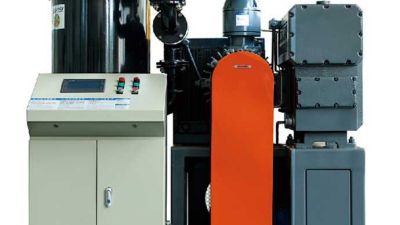
Optimizing Brick Production Efficiency: The Role of High-Duty JKX Rotary Vane Vacuum Pumps in China’s Manufacturing Sector
In the competitive landscape of brick production in China, optimizing operational efficiency is paramount. One of the key elements contributing to this optimization is the implementation of advanced vacuum technologies. High-duty rotary vane vacuum pumps play a crucial role in ensuring that brick manufacturing facilities run smoothly and effectively. These pumps are specifically engineered to meet the rigorous demands of large-scale operations, providing consistent and reliable performance.
The robust design of high-duty rotary vane vacuum pumps allows them to operate seamlessly in challenging industrial environments typically found in brick factories. By maintaining optimal vacuum levels, these pumps enhance the overall production process, ensuring that each brick meets the high standards required in today’s market. This reliability translates to increased productivity and reduced downtime, allowing manufacturers to focus on meeting their production goals without compromising on quality.
Investing in effective vacuum solutions not only boosts product output but also contributes to energy efficiency, ultimately benefiting the bottom line. As brick manufacturers across China continue to seek ways to enhance their production capabilities, the role of high-duty rotary vane vacuum pumps becomes more critical than ever. They represent a vital component in the pursuit of operational excellence within the manufacturing sector.
FAQS
: The key components include mixers, extruders, molds, and kilns. Each part is essential for quality production.
Mixers combine raw materials, such as clay and water, to create a uniform mixture. This is crucial for brick quality.
The kiln hardens the bricks at high temperatures. Any temperature fluctuations can lead to defects, affecting quality.
Automation enhances efficiency and productivity. It helps reduce energy consumption and meet environmental standards.
AI optimizes the production process and minimizes waste. Concern exists about its impact on traditional jobs, though.
Companies often struggle with transitioning to automated systems. Ongoing training is necessary to support this transition.
Future trends focus on sustainability, automation, and the use of eco-friendly materials. There are still challenges to overcome.
Inconsistent heating can create defects. Regular monitoring by skilled operators is vital to maintain quality.
Workers may fear job displacement due to automation. Balancing technology with human skills is crucial for the future.
While AI boosts efficiency, it may also threaten jobs in traditional brick-making. This tension needs thoughtful consideration.
Conclusion
An Automatic Brick Production Line is a highly efficient system designed to streamline the process of manufacturing bricks. It includes essential components such as mixers, molders, and kilns, working together in a seamless process flow. Each step, from raw material preparation to final firing, is meticulously designed to enhance productivity and consistency. The technology employed in these lines incorporates advanced automation and control systems that increase production rates while reducing labor costs.
Efficiency metrics within an Automatic Brick Production Line focus on optimizing production rates and cost analysis to ensure economic viability. Rigorous quality control standards are implemented to maintain the integrity of the bricks produced, adhering to industry best practices. Looking ahead, future trends in brick production technology suggest a shift towards greater automation and sustainability, promising a more environmentally friendly approach to brick manufacturing.