
Blog
From Clay to Curtain Wall: The Complete Terracotta Panel Production Process
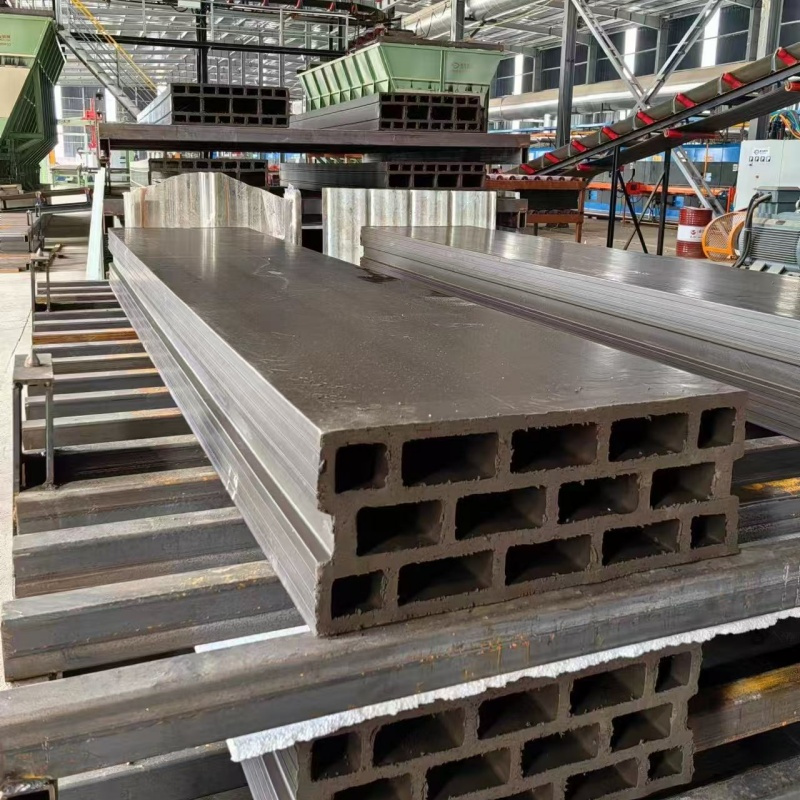
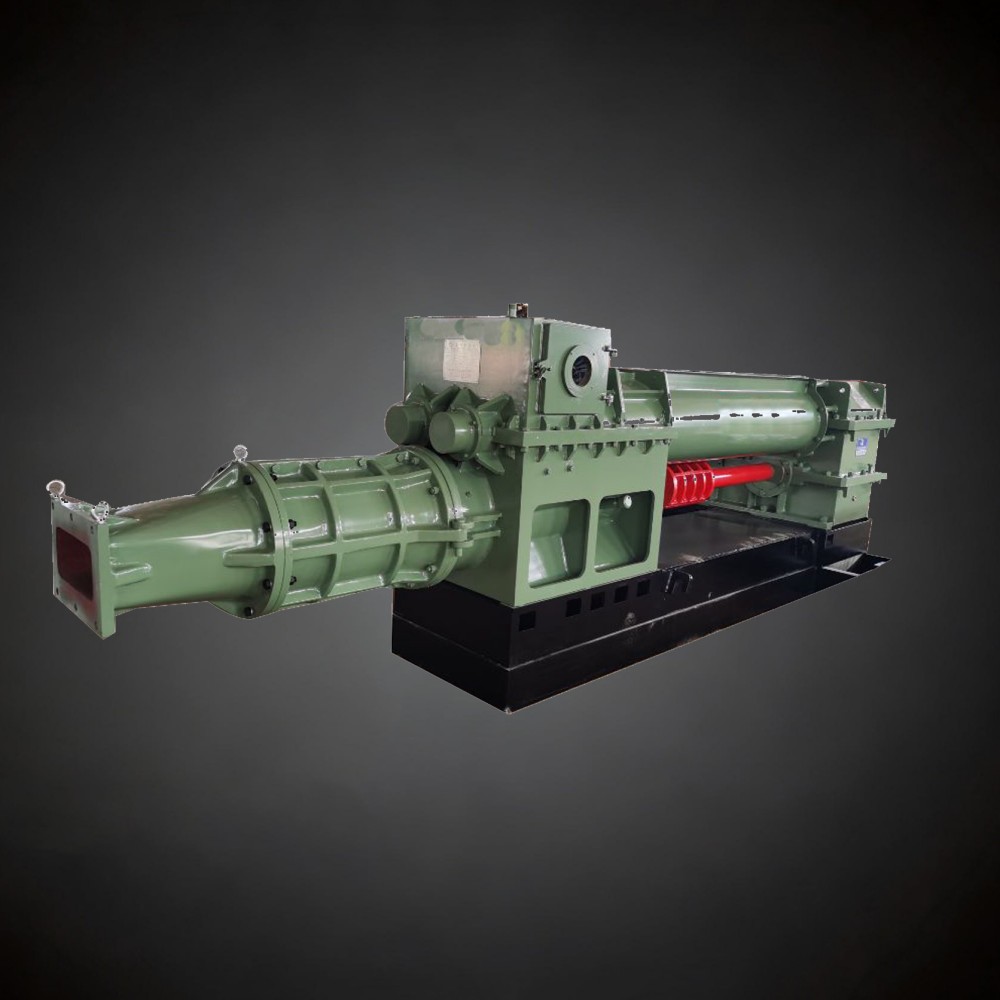
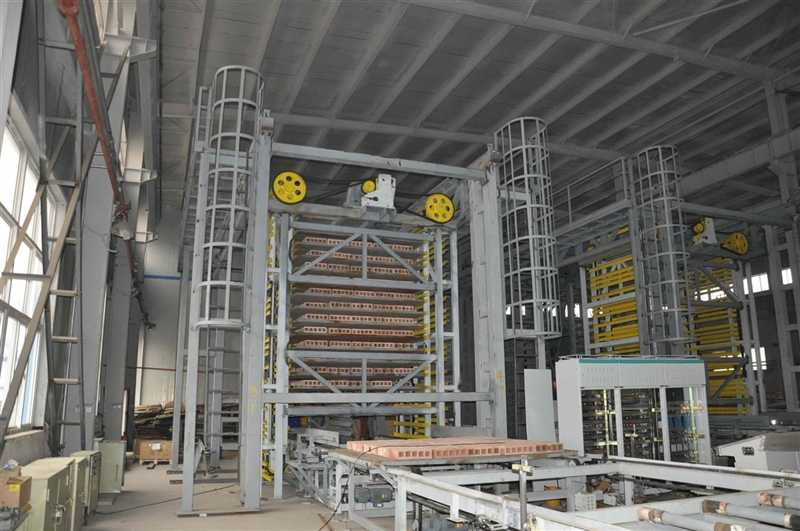
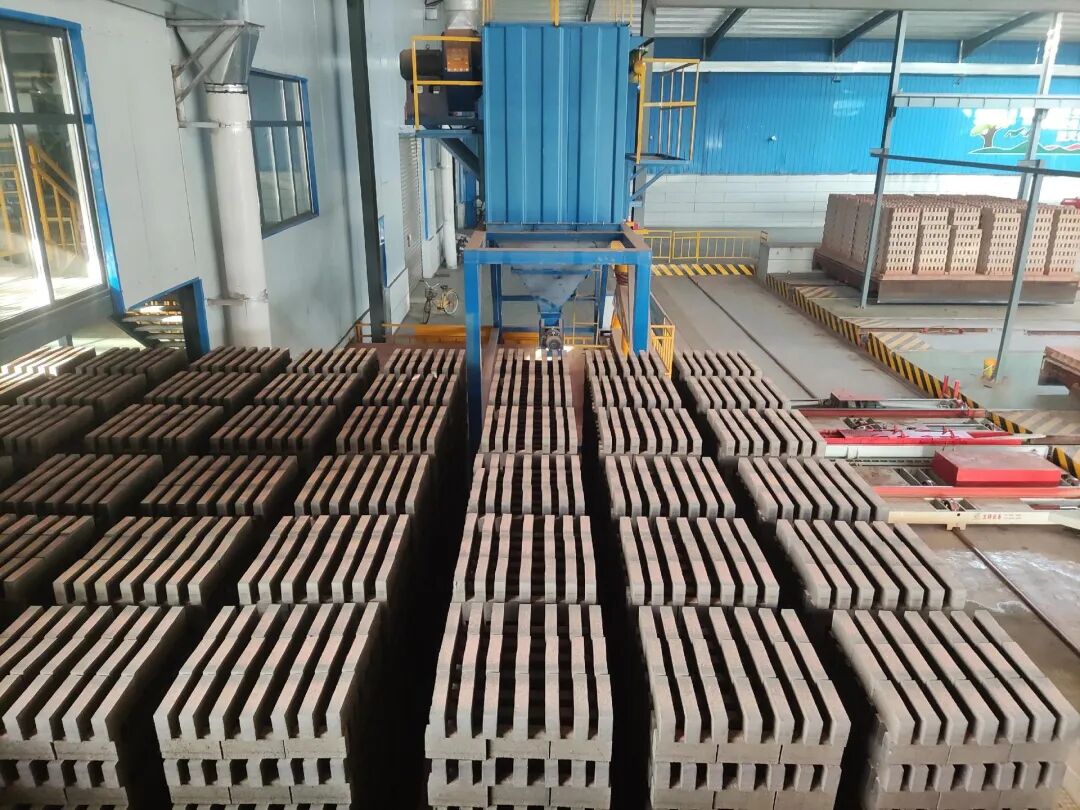
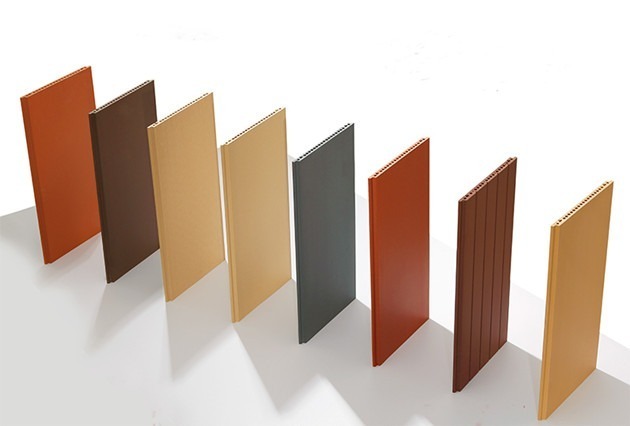
Terracotta panels, also referred to as exterior dry-hanging terracotta cladding panels, are produced from natural clay via six core processes: raw material processing, extrusion molding, drying, high-temperature firing, precision finishing, and quality inspection & packaging. Strict control is implemented in each process to guarantee the panels’ durability, weather resistance and decorative properties.
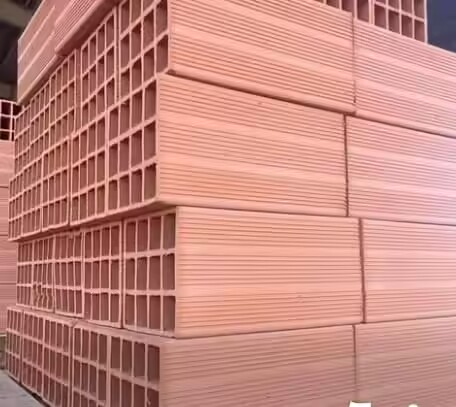
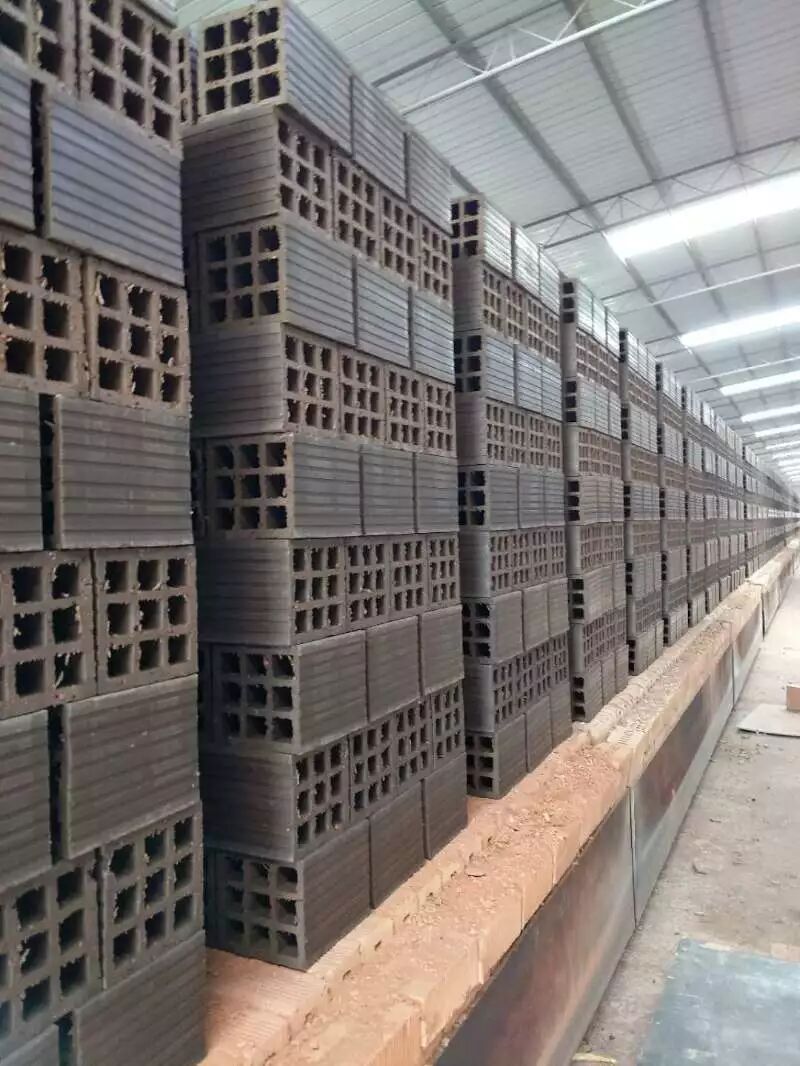
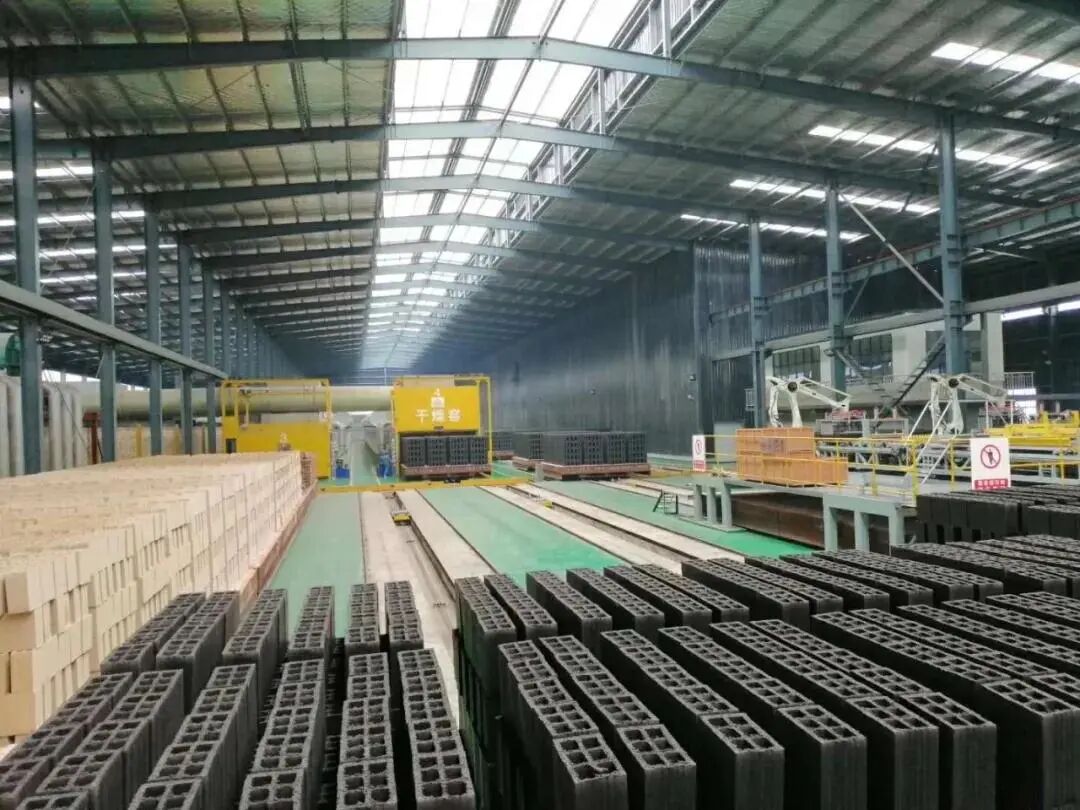
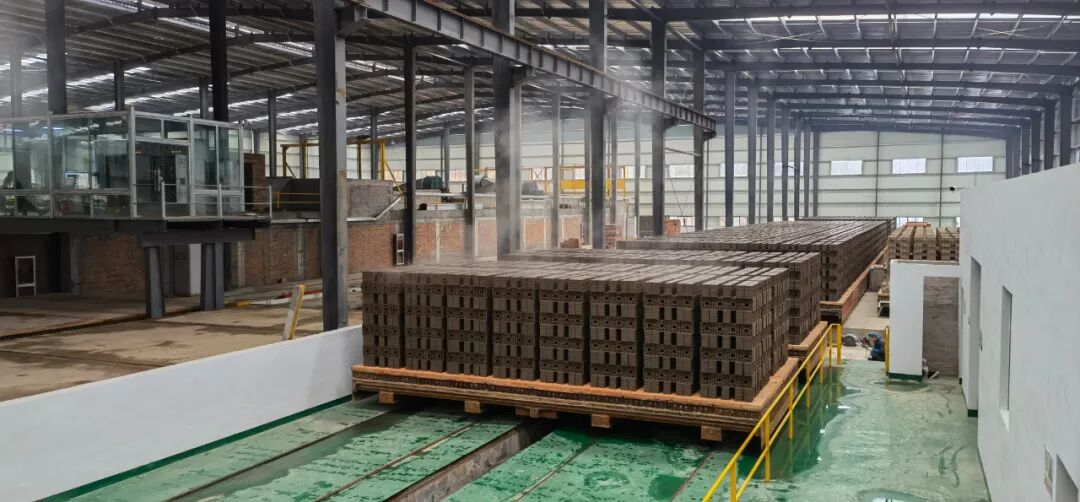
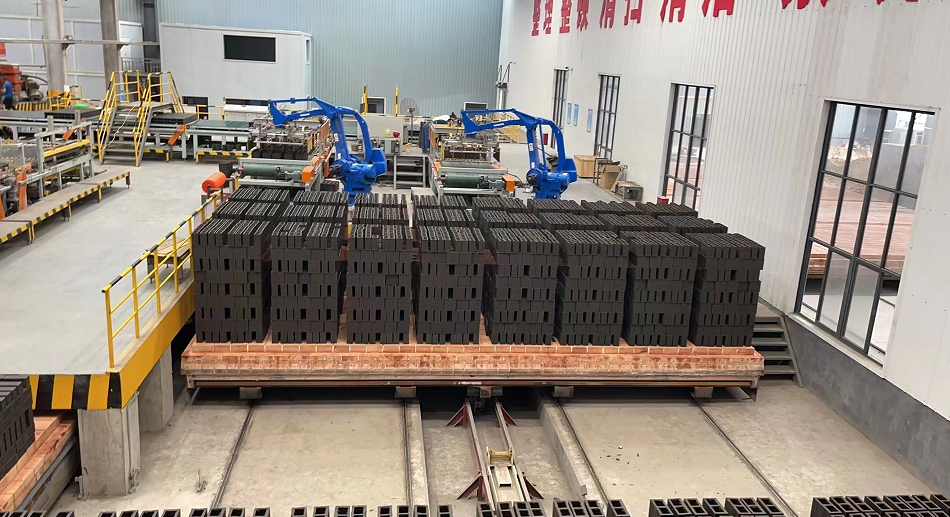
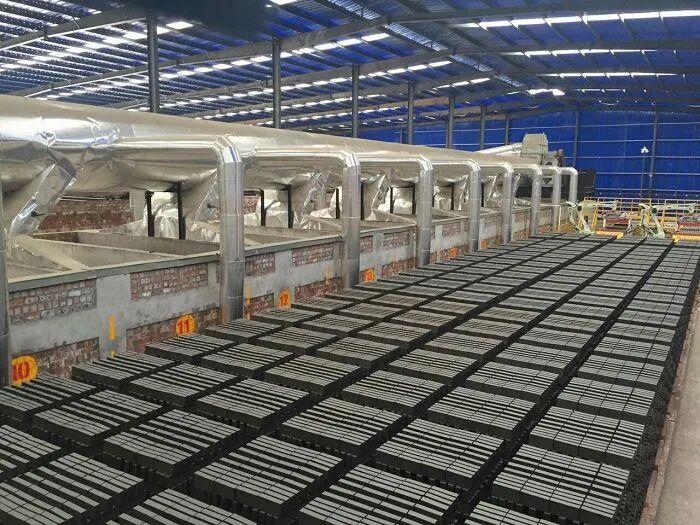
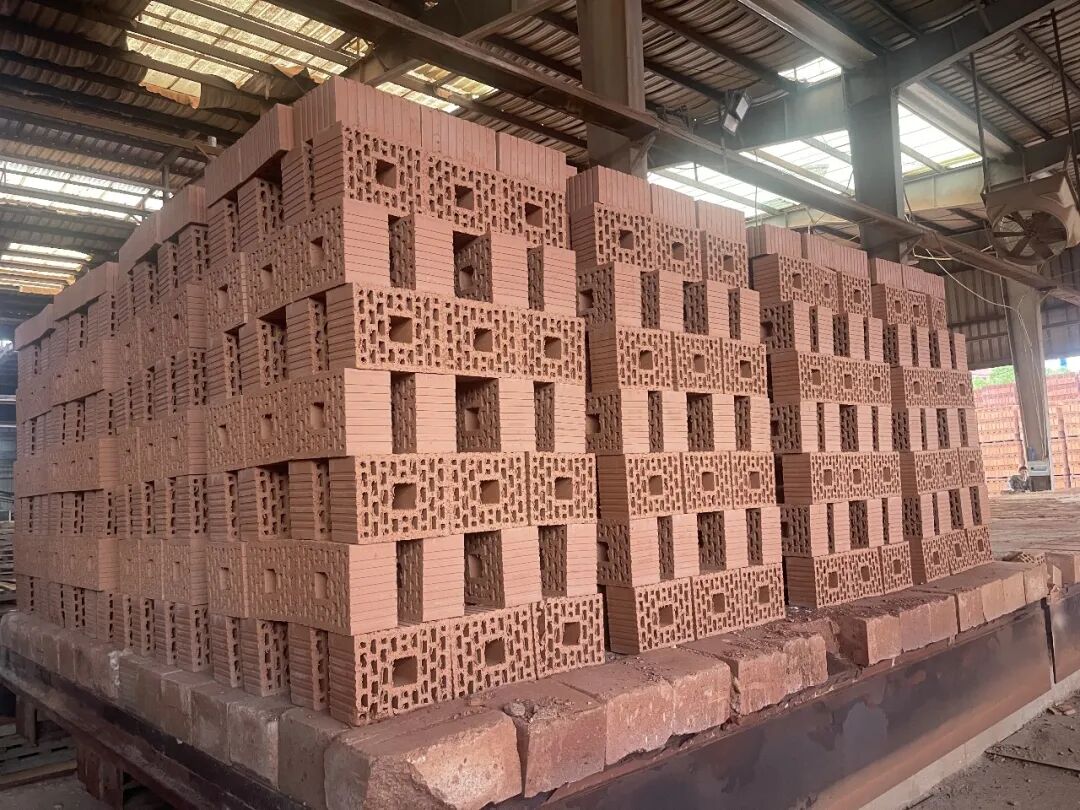
Manufacturing process of sintered bricks
Sintered bricks are a common building material, made primarily from clay, shale, coal gangue, or fly ash, through a process of batching, crushing, molding, drying, and high-temperature firing. They possess advantages such as high strength, good durability, thermal insulation, and breathability and moisture absorption, and are widely used in walls, foundations, chimneys, and road surfaces.
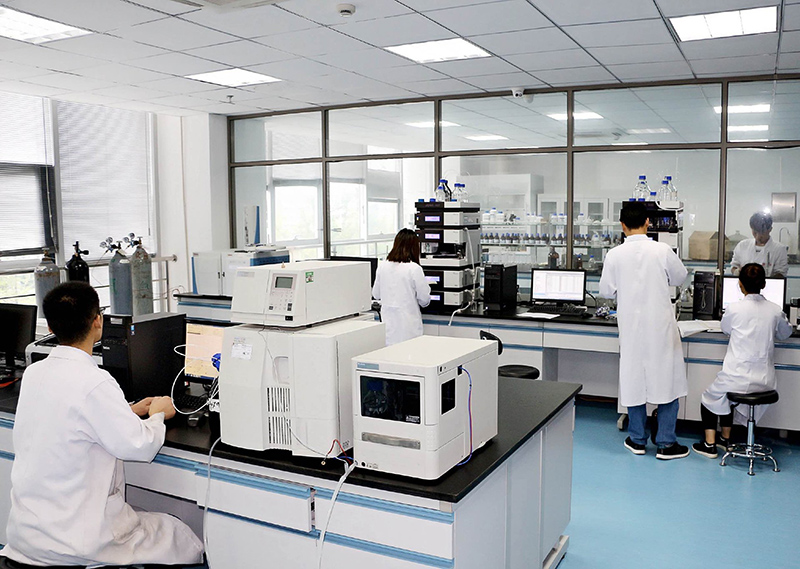
The Importance of Raw Material Testing in New Sintered Brick Plants
Raw material testing is an indispensable and crucial step in the preparation phase of a new sintered brick plant. This process, through the scientific testing and analysis of various performance indicators of the raw materials to be used, provides a reliable basis for plant design, production process formulation, product quality control, and cost optimization, directly affecting the feasibility, economy, and sustainability of the project.