Blog
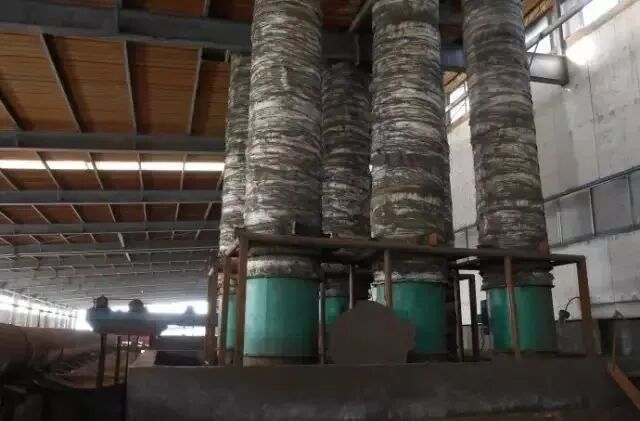
Core Design Secrets of Zero-Collapse Tunnel Kiln Drying Chamber: Scientific Dehumidification Mode and Air Volume Matching Strategy
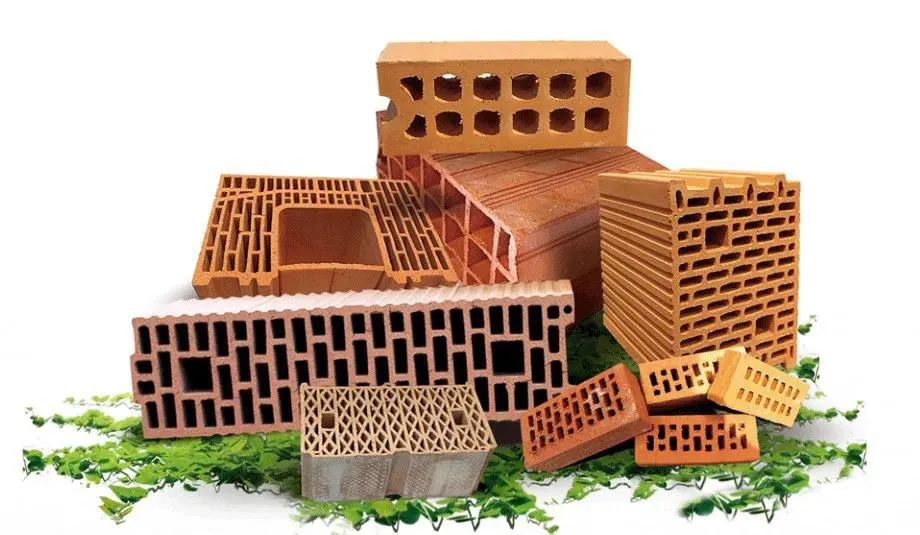
The Secret to High Output and Quality in Sintered Brick Drying
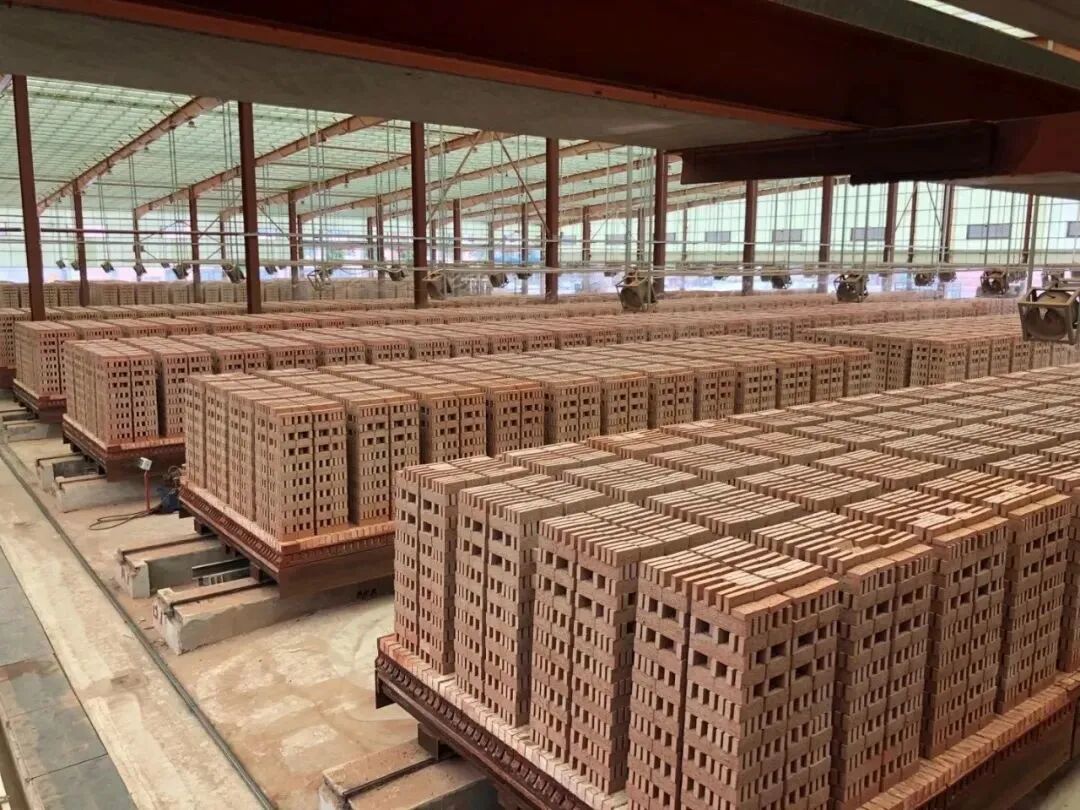
In the industrial production of sintered bricks, most manufacturers focus on upgrading firing systems to raise productivity. However, field production proves that sintered brick drying is the primary bottleneck restricting production capacity and product quality, far more critical than the firing process.
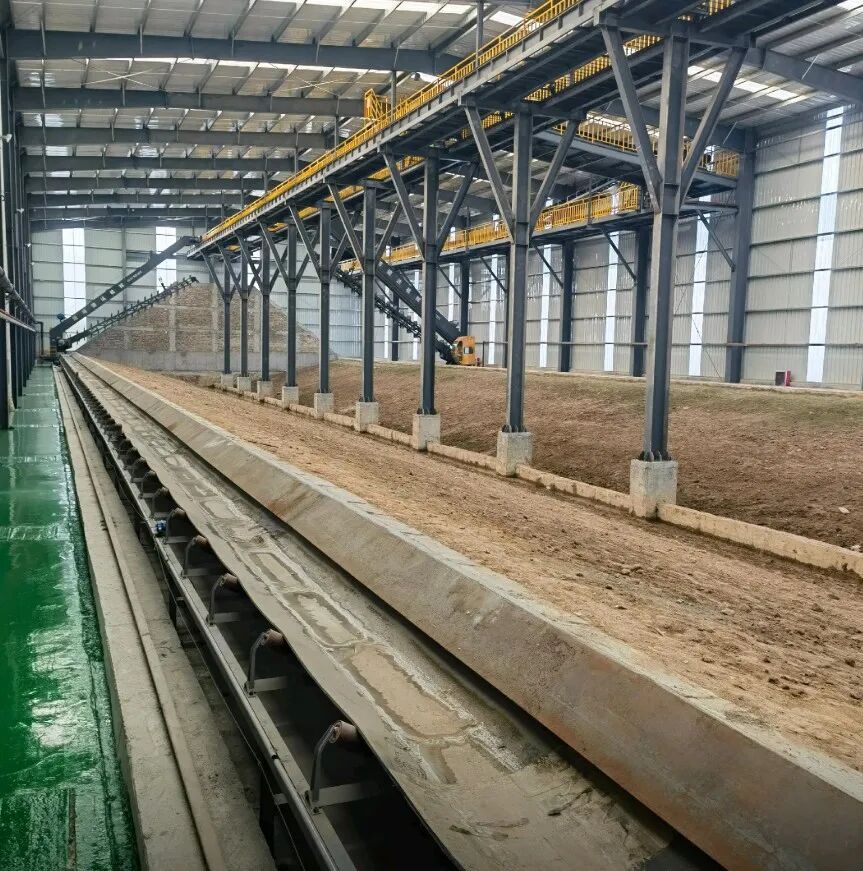
Full-Cycle Cost Control for Sintered Brick Production: Reduce Waste and Improve Profitability
The production cost management of sintered bricks is a systematic project, covering raw materials, fuel, power, labor, equipment maintenance, depreciation, taxes and fees, sales and auxiliary consumption. Single cost reduction measures cannot achieve long-term profit improvement. Only by establishing a full-process refined management system and accurate statistical accounting can brick factories fundamentally reduce comprehensive production costs and enhance market competitiveness.
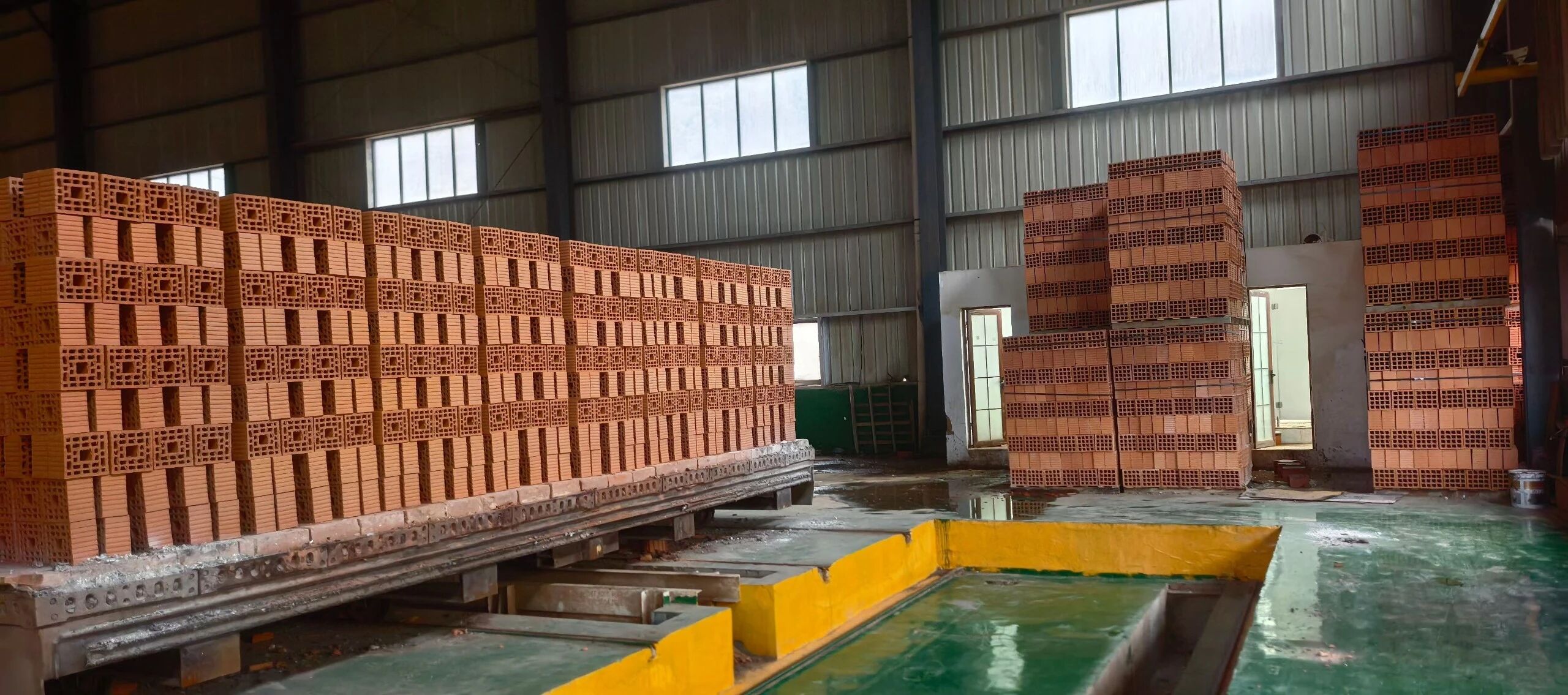
Optimized Sintering Process for Fired Bricks: Standard Temperature, Defect Control and Energy-Saving Production
Standardized sintering process optimization is the key to stable output of high-quality fired bricks, among which 900℃–1100℃ is the only scientific and applicable firing temperature range for brick mixtures and green bricks. Only within this temperature interval can the brick body complete partial melting and effective sintering. Enterprises need to strictly control temperature and sintering time to avoid defective products, and flexibly use atmosphere adjustment and internal combustion technology to enrich product types and reduce production costs.
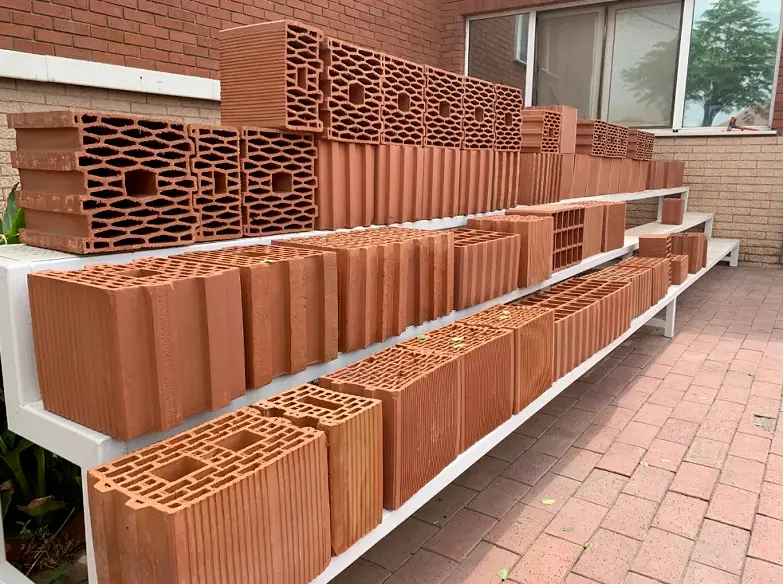
Wind Cracks in Sintered Bricks | Mechanism, Prevention and Control Strategies
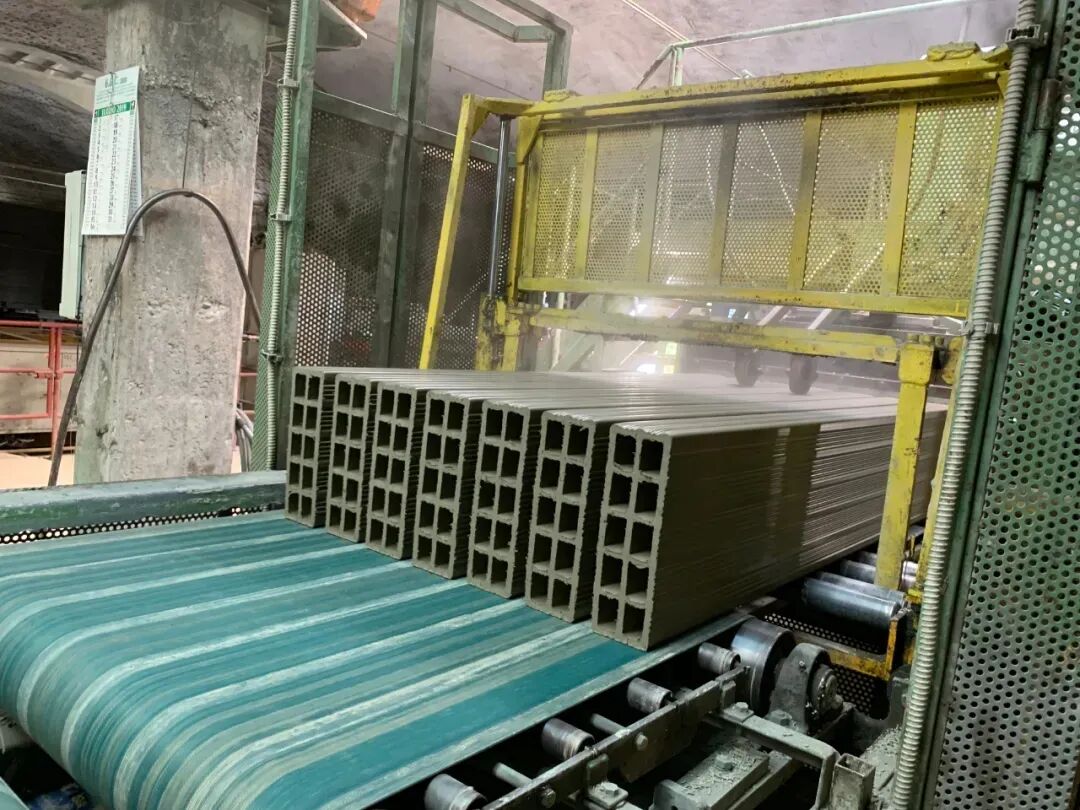
6 Practical Energy-Saving Solutions for Vacuum & Non-Vacuum Brick Extruders
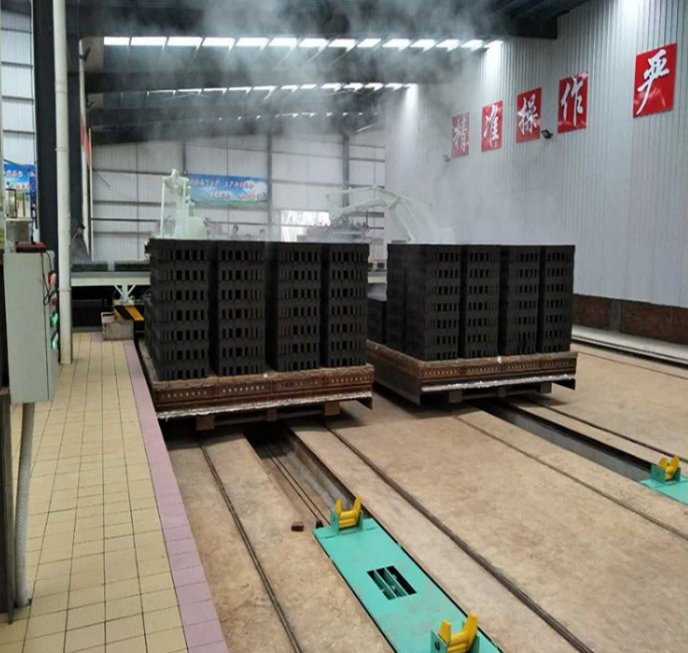
Tunnel Kiln Hydraulic Ferry Car Operation Guide
Hydraulic ferry cars are core transportation equipment for tunnel kiln production in brick factories, responsible for the seamless transfer of green brick carts and finished brick carts between drying kilns and firing kilns. Standardized operation is the key to ensuring continuous production, avoiding equipment failures, and preventing brick damage. This article systematically outlines the complete standard operating procedures for hydraulic ferry cars in brick factory tunnel kilns to guide on-site personnel in standardized operations.
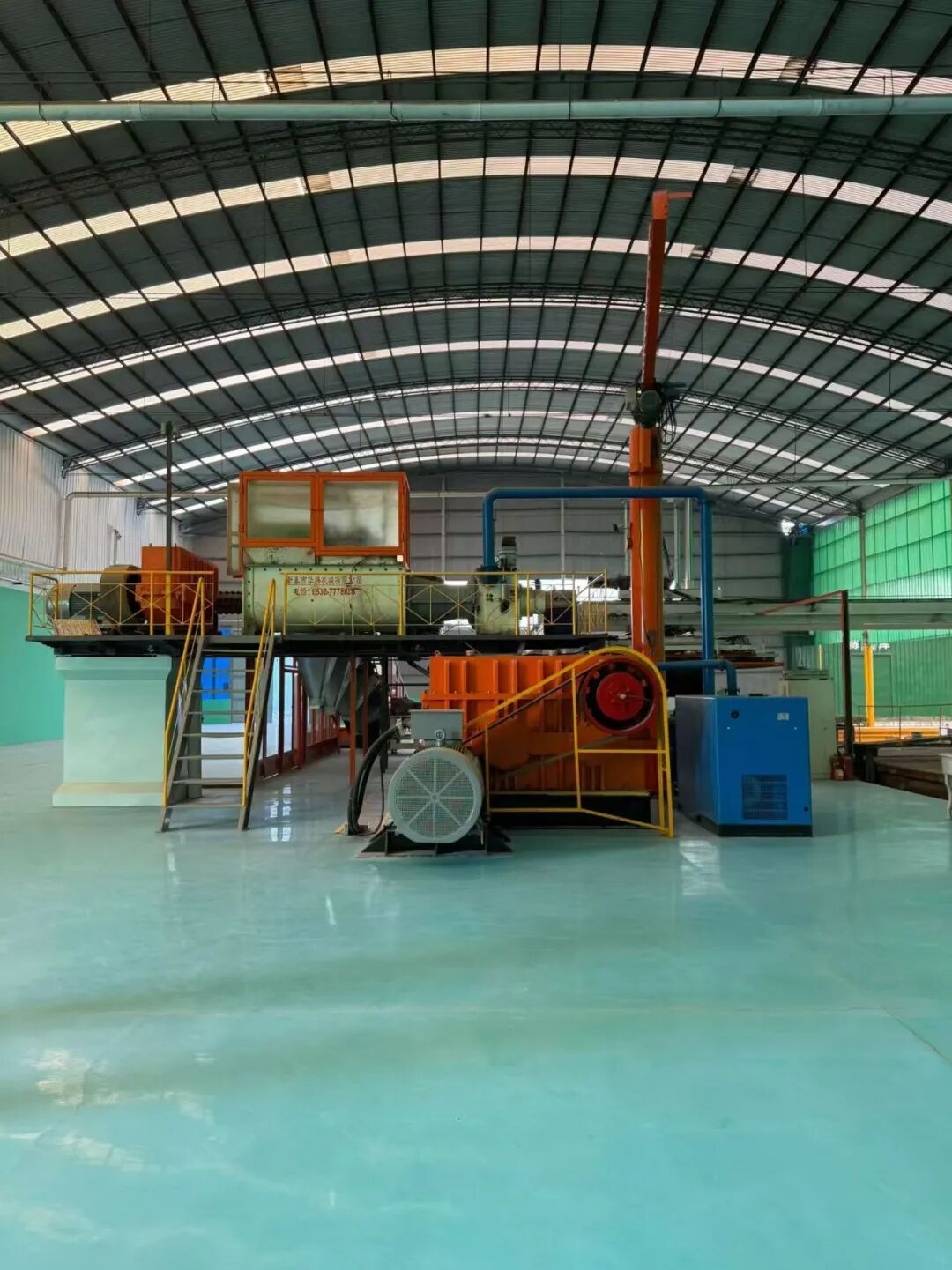
Quality Control in Tunnel Kiln Construction
Many tunnel kilns suffer various quality defects starting from raw material procurement, mostly hidden structural performance flaws. Since tunnel kilns operate continuously under high-temperature thermal conditions, it is essential to first verify whether all purchased building and refractory materials fully meet design performance standards. All adopted materials shall reach or exceed specified design requirements, and unqualified materials below standard specifications are strictly prohibited.
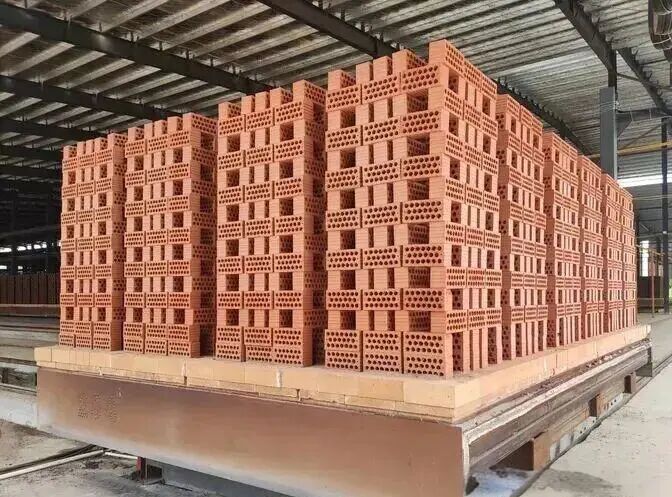
4 Practical Methods to Improve Clay Plasticity for Perfect Brick Extrusion
Low clay plasticity leads to soft green bricks and broken products. Learn 4 industrial methods to improve clay plasticity for your brick manufacturing plant.
Standardized Clay Conditioning — Complete Raw Material Control Solution
Excessively high clay plasticity is as harmful as low plasticity. High-plasticity clay has large drying shrinkage, which is prone to irreversible cracking and warping deformation during dehydration and firing. For this problem, two professional plasticity reduction methods are widely used in the brick and tile industry. Combined with the standardized three-unified soil conditioning principle, manufacturers can realize full-process controllability of raw material performance.