请留言
    
0%

Brick is still a go-to building material in places like Asia, Africa, Europe, and Latin America. Honestly, it’s pretty easy to see why — you’re working with local clay, using familiar masonry techniques, and the walls last a long time. But here’s the thing: production isn’t getting any simpler. The 2024 Global Status Report for Buildings and Construction, put out by the UN Environment Programme and GlobalABC, shows that buildings and construction gulp about 32% of the world’s energy and roughly 34% of global CO₂ emissions. Yikes. That really puts a spotlight on manufacturers to step up their game when it comes to energy efficiency, firing process consistency, and material savings.

So, in this guide, we're gonna look at seven different Red Brick Making Machines that are popular internationally. We’ve considered things like the pressure they need to form bricks, how many bricks they can make per hour, how flexible the molds are, automation features, ease of maintenance, and support after you buy. Whether you’re running a small workshop or a full-on factory, I’ve tried to pick options that fit different setups. According to the Research and Markets’ Brick Making Machines Global Market Report 2024, demand is mainly driven by construction booms and infrastructure projects. But fair warning: brochures can make every machine sound amazing — and that’s not always what you get in real life.

A good machine should produce bricks that are uniform, with sharp edges and consistent size. It also needs to handle local clay without fussing too much with adjustments. Plus, operators should find controls simple and accessible, with lubrication points easy to reach and spare parts not a nightmare to find. Of course, energy use matters just as much. Choosing a cheaper model upfront can backfire if it causes too much downtime, or produces weak molds or inconsistent firing. The real results come down to soil testing, training your operators well, kiln design, and the local climate. No one-size-fits-all ranking exists, and honestly, that’s something to keep in mind. The best machine for you is the one that fits your materials, production goals, budget, and the kind of support you can count on.
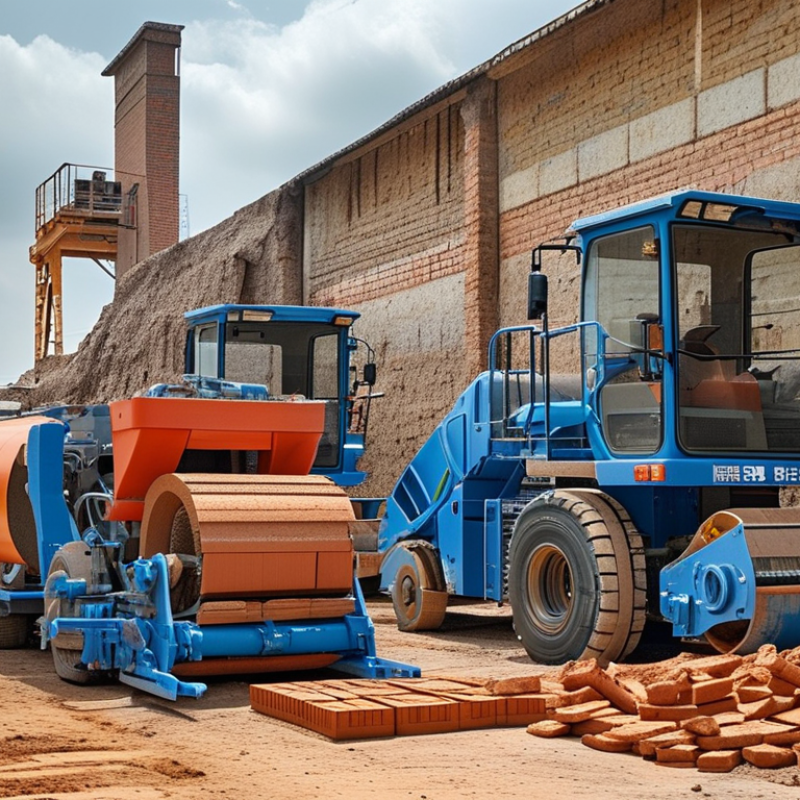
7 Best Red Brick Making Machines for Sale Worldwide

What Red Brick Making Machines Are and How They Work

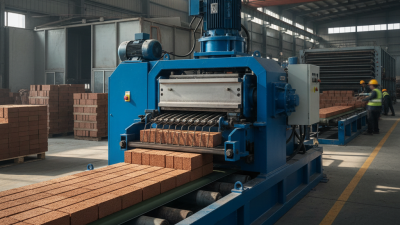
A Red Brick Machine shapes prepared clay into uniform blocks for construction. Most systems use a clay mixer, conveyor, extruder, cutter, and drying area. Some models use hydraulic pressure instead of extrusion. The choice depends on soil composition, brick size, output needs, and available energy.

The process begins with crushing and screening the clay. Water then brings the mixture to a firm, workable moisture level. Moisture matters. Too much water causes warping, while dry clay cracks during pressing. In an extrusion machine, a steel auger pushes clay through a shaped die. The continuous column is cut into green bricks with thin wires. Red color usually develops during controlled firing, when iron minerals react with heat inside a kiln.

Good operators check dimensions, density, and surface cracks throughout production. A small measuring error can multiply across thousands of bricks. Drying should be gradual, with airflow adjusted for humidity and temperature. Fast drying looks efficient, but it often creates hidden fractures. I have found that simple records help reveal these problems: clay source, water ratio, firing temperature, and rejected units.

Performance claims should be tested with local materials rather than accepted blindly. A machine that works well with soft clay may struggle with sandy soil. Buyers should review maintenance access, spare wear parts, electrical requirements, and operator training. Local building standards also deserve careful attention. Small changes matter.

Key Features to Compare Before Buying a Brick Making Machine

7 Best Red Brick Making Machines for Sale Worldwide: Key Features to Compare Before Buying

Choosing a Red Brick Manufacturing Machine requires more than comparing advertised output. Check forming pressure, vibration control, mold accuracy, and brick density. A stable machine should produce consistent edges, limited cracks, and repeatable dimensions. The UNEP 2023 Global Status Report for Buildings and Construction states that buildings used 34% of global energy in 2022. Therefore, motor efficiency and idle-power control deserve careful attention. A high-capacity model may waste energy when demand is low.

Compare automatic feeding, hydraulic response, curing compatibility, and mold-change time. Ask for test bricks using your local clay or approved mixture. Moisture content can change dramatically between batches. This detail is often underestimated. Review the machine’s hourly output under real operating conditions, not only laboratory figures. Also check electrical requirements, spare-part availability, operator training, emergency controls, and maintenance access. ISO 12100 risk-assessment principles can help buyers examine guarding and foreseeable mechanical hazards. Cheap maintenance is not always reliable maintenance.

Tips: Request production records, energy data, and compressive-strength test results. ASTM C62 and relevant local standards provide useful quality references, but requirements vary by market. Inspect a running machine if possible. Watch the feeder, mold surface, and discharge point for vibration or material buildup. A two-shift trial can reveal problems hidden during a short demonstration. Leave room for doubt; perfect specifications rarely survive real soil, weather, and operator changes.

Seven Leading Red Brick Machine Types for Global Buyers

Global buyers usually compare seven red brick machine types: manual presses, hydraulic presses, vacuum extruders, roller crushers, automatic cutting lines, tunnel kilns, and Red Brick Dryer systems. Each serves a different production scale. Manual presses suit small rural projects. Hydraulic models deliver denser, more consistent bricks. Vacuum extruders remove air before shaping. Automatic cutters improve length accuracy and reduce hand trimming. Tunnel kilns support continuous firing. A Red Brick Dryer controls moisture before kiln entry.

Energy deserves close attention. The European Commission’s Ceramic Manufacturing BREF reports firing energy commonly around 1.5–3.5 GJ per tonne for brick and tile production. Poor drying can push consumption higher. UNEP’s 2023 Global Status Report says buildings and construction used about 34% of global energy and produced roughly 37% of energy-related emissions in 2022. These figures make efficient airflow, insulation, and heat recovery practical buying criteria. They are not decorative upgrades.

Tips: Request test bricks using your local clay. Check moisture content, drying time, fuel demand, and breakage rates. A machine rated at 20,000 bricks daily may perform differently with wet, sandy clay. Ask for maintenance intervals and spare-part availability. Do not trust capacity alone. I have seen production plans fail because drying space was underestimated. That mistake is easy to make, and expensive to correct. Regional power stability, operator training, and kiln-loading habits also affect real output.

7 Best Red Brick Making Machines for Sale Worldwide

Typical production capacity of seven leading red brick machine types for global buyers

The figures represent typical nominal output ranges converted to representative hourly capacities for standard clay bricks. Actual production depends on brick size, clay composition, moisture content, automation level, mold configuration, and operating conditions.

Production Capacity, Materials, and Automation Levels

7 Best Red Brick Making Machines for Sale Worldwide

Production Capacity, Materials, and Automation Levels

Choosing among seven red brick making machines requires more than comparing purchase prices. A manual press suits small workshops producing about 1,000 to 3,000 bricks daily. It uses prepared clay and simple molds, but labor costs remain high. A semi-automatic hydraulic machine can produce 3,000 to 8,000 bricks daily. It needs fewer operators and creates more consistent shapes. A fully automatic hydraulic line may exceed 20,000 bricks daily, depending on mold size, curing space, and working hours.

Material preparation strongly affects performance. Soft, well-mixed clay usually passes through vacuum extruders smoothly. A double-stage extruder handles larger production volumes and improves density through stronger de-airing. High-pressure dry presses require carefully controlled moisture, often around 6% to 10%. Too much water causes sticking. Too little water weakens the green brick. Small mistakes become expensive.

Mobile brick machines support temporary sites and shorter transport distances. They are useful where local clay is suitable, though their output is often lower. An automatic cutting and stacking line reduces handling damage and improves workplace safety. Semi-automatic systems cost less and allow easier maintenance. Full automation saves labor, but sensors and electrical controls require trained technicians. I would not call one machine universally best. A buyer should test local clay, measure actual output, and inspect fired bricks before signing a purchase agreement. Catalog capacity can look impressive. Real production may be lower.

Installation, Maintenance, and Operating Requirements

Choosing among the 7 best red brick making machines requires more than comparing output rates. Installation conditions often decide long-term performance. The European Commission’s Ceramic Manufacturing BREF reports firing energy consumption commonly between 1.5 and 3.5 GJ per tonne. A level foundation, stable electricity, proper ventilation, and measured fuel pressure are essential. Keep it level. Operators should leave service clearance around the kiln, conveyors, and control cabinet.

Maintenance begins before production starts. Inspect belts, bearings, molds, hydraulic lines, and temperature sensors every shift. Remove clay buildup from feed points before it hardens. Lubrication intervals should follow load, dust, and operating hours, not guesswork. In my experience, the first calibration is rarely perfect. Record moisture, pressure, firing temperature, and reject rates daily. These records reveal gradual wear earlier than visual checks.

Dust control deserves equal attention during installation and operation. OSHA’s silica standard limits respirable crystalline silica exposure to 50 micrograms per cubic meter over an eight-hour period. Enclosed transfer points, local extraction, wet cleaning, and fitted respiratory protection reduce exposure. Dry sweeping is a poor habit. For facilities producing Red Brick Cladding, consistent dimensions matter during packing and installation. A small mold error can create uneven joints, chipped corners, and costly rework. Operators should review rejected pieces weekly and adjust cautiously, because faster production is not always better production.

7 Best Red Brick Making Machines for Sale Worldwide - Installation, Maintenance, and Operating Requirements
No. Machine Type Typical Output Drive and Power Requirement Automation Level Installation Requirements Maintenance Requirements Operating Requirements Recommended Application
1 Manual Lever Brick Press
Suitable for small-scale molded red bricks
Approximately 500–1,500 bricks per 8-hour shift, depending on mold size, crew experience, and curing method. No electrical power is normally required. Manual force is applied through a lever or hand-operated hydraulic system. Manual Requires a level concrete floor, sheltered workspace, raw-material storage, and a nearby water supply. Basic anchoring is normally sufficient. Clean the mold after every production cycle; lubricate pivot points weekly; inspect mold wear, bolts, and lever alignment regularly. Use properly screened clay or soil with controlled moisture. Operators must fill the mold consistently and remove compacted bricks carefully to prevent cracking. Rural projects, pilot production, low-investment operations, and locations with limited or unreliable electricity.
2 Manual or Semi-Hydraulic Brick Press
Higher compaction than a basic hand press
Approximately 1,000–3,000 bricks per 8-hour shift, depending on the number of molds and labor arrangement. Manual models use no motor; semi-hydraulic versions commonly require a 3–7.5 kW electric motor or equivalent hydraulic power unit. Manual / Semi-Automatic Requires a reinforced, level floor, hydraulic-unit space for semi-hydraulic models, safe electrical wiring, and adequate ventilation. Check hydraulic hoses and fittings daily; change hydraulic oil according to the operating schedule; inspect seals, mold plates, and pressure components. Maintain consistent feed volume and moisture content. Do not exceed the rated hydraulic pressure or operate with leaking hoses and damaged guards. Small brick yards that need improved density and dimensional consistency without a fully automated production line.
3 Vibro-Compaction Brick Machine
Vibration-assisted molding for dense units
Approximately 2,000–6,000 bricks per 8-hour shift, depending on mold configuration and cycle time. Commonly requires about 5.5–15 kW total installed electrical power for the vibrator, hydraulic system, and auxiliary equipment. Semi-Automatic Requires a rigid foundation, stable three-phase electrical supply where applicable, vibration-resistant mounting, and enough clearance for mold changes. Inspect vibration mounts, eccentric weights, bearings, hydraulic oil, and mold fasteners. Tighten connections because continuous vibration can loosen bolts. Use a controlled semi-dry mix. Keep the feeding system free of buildup and ensure the mold is filled evenly before each vibration cycle. Medium-sized operations producing solid bricks, paving units, blocks, or other compacted masonry products.
4 Automatic Hydraulic Brick Press
Programmable pressing and ejection
Approximately 3,000–10,000 bricks per 8-hour shift, based on mold size, cycle time, and material handling efficiency. Typically requires 15–30 kW of installed electrical power, including the hydraulic power unit, control system, and material-handling equipment. Automatic Requires a reinforced foundation, reliable three-phase power, control-panel protection, compressed-air supply if used, and trained installation technicians. Perform daily cleaning and safety checks; inspect hydraulic pressure, oil level, sensors, electrical connections, mold wear, and conveyor alignment. Feed moisture and particle size must remain within the machine's design range. Operators should be trained in emergency stops, mold changes, and lockout procedures. Commercial brick yards requiring repeatable production, lower manual labor, and consistent product dimensions.
5 Vacuum Extrusion Brick Machine
Continuous extrusion and wire cutting
Approximately 8,000–30,000 standard bricks per 8-hour shift, depending on extruder size, brick dimensions, and cutting speed. Commonly requires 30–90 kW total installed electrical power for the extruder, vacuum pump, cutter, and conveyors. Automatic / Continuous Requires a reinforced foundation, clay-feeding and mixing area, stable power, vacuum-pump installation, drainage, conveyors, and sufficient line length. Clean the die and vacuum chamber after production; inspect wear strips, augers, bearings, gearboxes, belts, cutter wires, and vacuum seals. Clay must be well mixed and free from oversized stones or metal. Moisture must be controlled carefully to avoid deformation, lamination, or extrusion cracks. Medium- to large-scale plants producing traditional perforated or solid red clay bricks at high volume.
6 Soft-Mud Brick Molding Machine
Mold filling with controlled water content
Approximately 5,000–20,000 molded bricks per 8-hour shift, depending on mold arrangement and material preparation. Usually requires about 15–45 kW for mixers, molding equipment, conveyors, and auxiliary systems. Semi-Automatic / Automatic Needs a level production floor, clay preparation area, mold-release system, conveyor access, drainage, and protected electrical controls. Remove clay buildup from molds and conveyors daily; inspect mold liners, scrapers, belts, bearings, pumps, and lubrication points. The clay must have suitable plasticity and a controlled water level. Mold-release material should be applied evenly to reduce sticking and dimensional defects. Producers making handmade-look bricks, textured facing bricks, and products where surface appearance is important.
7 Integrated Red Brick Production Line
Preparation, forming, cutting, drying, and firing system
Approximately 30,000–200,000 bricks per day, depending on kiln capacity, product size, drying method, and plant layout. The complete line may require approximately 150–800 kW of electrical power, plus fuel and thermal energy for the dryer and kiln. Fully Automatic Requires a detailed site plan, reinforced foundations, clay storage, crushers and mixers, dryer and kiln foundations, ventilation, fuel systems, electrical distribution, and fire-safety equipment. Use preventive maintenance for crushers, mixers, extruders, conveyors, fans, burners, kiln cars, sensors, and control systems. Refractory components require periodic inspection and replacement. Requires laboratory control of clay composition, moisture, drying temperature, firing temperature, ventilation, and kiln atmosphere. Operators need formal safety and process training. Large commercial plants supplying construction markets with high-volume, consistent red clay bricks.
Note: Output, power consumption, foundation specifications, and utility requirements are indicative industry ranges. Actual requirements vary according to brick size, clay composition, moisture content, mold or die design, production schedule, local electrical standards, and the selected drying and firing process.

How to Choose the Right Machine for Your Market

7 Best Red Brick Making Machines for Sale Worldwide: How to Choose the Right Machine for Your Market

Choosing a red brick machine starts with local clay, not advertised output. Test plasticity, moisture, particle size, and drying shrinkage before requesting quotations. A vacuum extruder suits consistent clay and continuous production. A hydraulic press may fit smaller sites or mixed raw materials. The best option depends on your soil, labor skills, electricity supply, and construction standards. A higher output number can be a trap.

Market demand also shapes the decision. UN DESA’s World Urbanization Prospects projects that 68% of the global population will live in urban areas by 2050. This supports long-term brick demand, but each region grows differently. Dense cities may require automated lines and tight dimensional control. Rural markets may value simple maintenance and lower capital costs. Check local brick sizes, compressive-strength rules, weather exposure, and buyer preferences before selecting molds.

Energy deserves careful attention. The 2023 Global Status Report for Buildings and Construction, published by UNEP and GlobalABC, states that buildings account for about 37% of global energy-related emissions. Efficient drying and firing can reduce operating pressure. Compare fuel consumption per thousand bricks, not only machine price. Request a pilot batch, inspect cracks and color variation, and calculate spare-parts availability. I would also budget for operator training. That cost is easy to overlook. A machine can be technically excellent, yet unsuitable when local technicians cannot repair its controls.

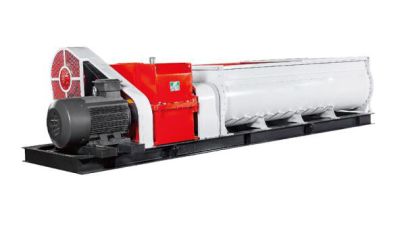
Double Shaft Mixer for Clay Processing: Efficient Continuous Homogenization from China Suppliers

**Double Shaft Mixer for Clay Processing: Efficient Continuous Homogenization from China Suppliers**

The double shaft mixer is designed for continuous processing of clay, coal gangue, shale, fly ash, and other bulk mineral materials. Two counter-rotating shafts generate strong shearing and folding action, helping distribute water evenly throughout the feed. This is important in brick and ceramic production, where stable moisture directly affects plasticity, shaping performance, drying behavior, and final strength. The *USGS Mineral Commodity Summaries 2024* identifies clay and shale as key raw materials for bricks, tiles, cement, and expanded aggregates, while the report also emphasizes their large-scale industrial consumption in construction-related applications.

During operation, controlled water addition allows the mixer to adjust feed moisture while improving homogenization and aging conditions. Compared with intermittent batch mixing, a continuous double shaft system can provide steadier throughput and reduce material segregation before extrusion or forming. Its enclosed structure also helps limit dust release and maintain a cleaner production environment. Configuration can be adapted to capacity, material characteristics, water dosage, and conveying requirements, making it suitable for plants processing difficult or highly variable raw materials.

China-based equipment suppliers commonly provide customized shaft speeds, paddles, liners, drive systems, and discharge layouts. Selection should be based on laboratory moisture tests, bulk density, abrasiveness, required residence time, and the target production rate.

FAQS

: What does a red brick making machine do?

: It shapes prepared clay into uniform blocks. Typical systems include a mixer, conveyor, extruder, cutter, and drying area. Some machines use hydraulic pressure instead. The final red color usually develops during controlled kiln firing.

How is clay prepared before forming?

Clay is crushed and screened first. Water is added until the mixture becomes firm but workable. Too much water causes warping. Very dry clay may crack during pressing. Moisture control is easy to underestimate.

How does an extrusion machine form bricks?

A steel auger pushes clay through a shaped die. This creates a continuous clay column. Thin wires cut the column into green bricks. The pieces still need careful drying and firing.

Why is gradual drying important?

Gradual drying reduces hidden fractures. Airflow should match humidity and temperature. Fast drying may look efficient. It can still damage the brick core. Small surface cracks deserve attention.

Which machine features should buyers compare?

Compare forming pressure, vibration control, mold accuracy, and brick density. Also inspect feeding systems and mold-change time. Maintenance access matters. So do spare wear parts and operator training. A higher output figure is not always better.

Can one machine process every type of clay?

No machine performs equally well with every soil. Soft clay may move easily through an extruder. Sandy soil can create feeding or bonding problems. Request test bricks using local clay. That test may change your decision.

How can real production performance be checked?

Review hourly output under normal operating conditions. Laboratory figures can be too optimistic. Watch the feeder, mold, and discharge point. Look for vibration, buildup, and uneven edges. A two-shift trial reveals more. Short demonstrations can mislead.

What records help control brick quality?

Record the clay source, water ratio, firing temperature, and rejected units. Check dimensions, density, and surface cracks during production. One small measuring error can spread across thousands of bricks. Records expose repeated problems. They are simple, but useful.

How should energy and safety be evaluated?

Check motor efficiency and idle-power control. A large machine may waste energy during low demand. Review electrical requirements and emergency controls. Guarding should address foreseeable mechanical hazards. Local building requirements still matter. Specifications rarely survive every real-world condition.

Conclusion

A Red Brick Making Machine is designed to shape and compress prepared clay, soil, or other suitable raw materials into uniform bricks for construction. This article explains how these machines work and highlights the main features buyers should compare, including molding method, brick size flexibility, production capacity, energy consumption, durability, control systems, and ease of operation. It also introduces seven leading machine types suitable for different production goals, from compact manual and semi-automatic models to high-output fully automatic systems.

The guide further compares material compatibility, automation levels, installation conditions, maintenance needs, labor requirements, and long-term operating costs. It explains how proper preparation of raw materials, regular cleaning, timely replacement of wearing parts, and suitable workspace planning can improve efficiency and product consistency. Finally, buyers will learn how to select the right machine based on local construction demand, available materials, budget, power supply, workforce, desired output, and future expansion plans.
Clara

Clara

Clara is a dedicated marketing professional at We Henan Cadier Green Building Technology Co., Ltd., a company committed to providing comprehensive solutions for large-scale production lines of new energy-saving and environmentally friendly wall materials since 2009. With an extensive knowledge of......
Previous What Is a Brick Production Line and How Does It Work?