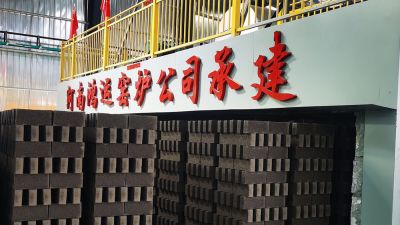
As the industry keeps evolving, it’s pretty important for global buyers to stay on top of the 2026 trends for the Brick Tunnel Kiln. These kilns have been a mainstay in brick-making for ages — everyone’s been paying close attention to how efficient and productive they can be, since they really are a cornerstone of the industry. You’ve probably heard of companies like XYZ Brick Solutions and ABC Kiln Technologies — they’re definitely leading the charge when it comes to new innovations.
Now, going green and adopting more sustainable practices isn’t just a trendy buzzword anymore; it’s pretty much a must. Buyers are on the lookout for kilns that do a great job producing top-quality bricks but also help cut down on environmental harm. And lucky for us, responsible suppliers are stepping up — offering cutting-edge tech that boosts performance while being kinder to the planet. That said, some manufacturers still seem a bit slow on the uptake, which could be a concern for their long-term survival.
Of course, price is still a big deal when making a decision. Even though investing in high-tech Brick Tunnel Kilns might seem a bit pricey upfront, most folks find that the long-term gains actually make it worth it. It’s often a tricky balancing act — trying to stick to a budget while also needing a kiln that’s efficient and reliable. Thinking about these trends, it’s easier for buyers to make smarter choices that fit both the market’s needs and the push for more sustainable practices.

2026 Overview of Brick Tunnel Kiln Technology Advances
The future of brick tunnel kiln technology is evolving rapidly. Innovations focus on enhancing energy efficiency and reducing emissions. New materials and designs improve heat retention during the firing process. This leads to significant energy savings in production. Many manufacturers are exploring digital solutions for kiln monitoring. Smart technologies provide real-time data, allowing for more precise adjustments.
These advancements come with challenges. Implementing new technologies requires investment and training. Not all companies can afford the transition. Additionally, there may be a learning curve associated with smart systems. Operators must adapt to new methods of monitoring and controlling the kilns. This transition might create temporary disruptions in production.
However, the benefits of modernized brick tunnel kilns are compelling. Improved efficiency can lead to lower operational costs over time. Increased sustainability aligns with global environmental goals. Buyers looking for reliable kiln solutions should consider these trends carefully. Balancing innovation with practical application remains crucial for long-term success in the industry.
Key Trends Influencing Global Brick Tunnel Kiln Markets
The global brick tunnel kiln market is evolving rapidly. Key trends are shaping the way manufacturers approach production. There is a growing demand for energy-efficient kilns. Data from industry reports indicate that energy consumption in brick production could decrease by 30% in the next five years. This will help reduce operational costs and environmental impact.
Another significant trend is the increasing use of Brick Tunnel Kiln Gas. This cleaner energy source is gaining popularity in several regions. Reports show that businesses adopting gas-fired systems can expect to lower emissions significantly. Embracing this technology can lead to compliance with stricter regulations. Manufacturers are realizing the importance of sustainability and efficiency.
Tips: Investing in training for staff can enhance understanding of these new technologies. Regular maintenance can maximize kiln performance. Adapting to market needs may involve trial and error. Monitoring the latest innovations is vital for staying competitive. The brick tunnel kiln industry is on the brink of transformation, and those who are willing to adapt may thrive.
Sustainability Practices in Brick Tunnel Kiln Operations
Sustainability in brick tunnel kiln operations is crucial for the environment. Many kiln owners are exploring eco-friendly practices. This focus is reshaping the industry. The goal is to reduce carbon emissions while maintaining high-quality production. Operators are increasingly using alternative fuels, which contribute less to greenhouse gas emissions. Switching to renewable energy sources can be beneficial.
Tips: Regular maintenance of kilns ensures efficient fuel use. Proper insulation reduces energy waste. Consider investing in energy-efficient technologies.
Efficiency is key. Monitoring emissions helps identify areas for improvement. Some kilns struggle with waste management. Recycling materials can minimize the ecological footprint. Collaboration with local recycling organizations can enhance sustainability efforts. Adapting to new standards takes time and diligence.
Tips: Keep up with local regulations. Training employees on eco-friendly practices is vital. Encourage feedback from the team to find practical solutions. Continuous improvement leads to a better operation.
Innovative Materials and Designs in Brick Tunnel Kiln Manufacturing
The brick tunnel kiln industry is witnessing transformative changes driven by innovative materials and designs. Many manufacturers are now exploring advanced refractory materials. These materials enhance thermal efficiency and extend the lifespan of kilns. A recent market report revealed that using high-performance insulation can improve energy savings by up to 30%. Such advancements have made Tunnel Kiln Clay Brick production more sustainable.
Efficiency doesn't only come from materials but also from design innovations. Modular and flexible kiln designs are becoming more popular. They allow manufacturers to adapt production lines more easily. Simultaneously, automation technologies are streamlining operations. These changes are essential, as labor costs continue to rise globally. However, not all facilities can quickly transition to these innovative setups.
Tip: Invest time in employee training to maximize the benefits of new kiln designs. Workers should understand the nuances of modern materials and technologies.
As the market evolves, manufacturers should remain cautious. Embracing newer technologies can be daunting. Upfront costs may be high, and there may be resistance to change among staff. It's crucial to weigh the long-term benefits against the initial investment. Balancing innovation with practicalities can lead to more effective production of tunnel kiln clay bricks.
2026 Top Brick Tunnel Kiln Trends for Global Buyers
Economic Impacts of Brick Tunnel Kilns on Global Supply Chains
The economic influences of Clay Brick Tunnel Kilns are notable in today's global supply chains. These kilns are essential for efficient brick production, streamlining processes for manufacturers. Their extended production cycles reduce costs and enhance output. This efficiency can affect pricing across various markets, driving down costs significantly.
Moreover, the reliance on Clay Brick Tunnel Kilns has implications for sustainability. Improved energy use reduces carbon footprints, aligning production with environmental goals. However, the transition to more advanced technologies can require substantial investment. Some companies struggle to modernize their facilities, raising questions about equity in the industry.
While the growth of Clay Brick Tunnel Kilns seems promising, challenges remain. Economic disparities exist between regions with advanced technology and those lagging behind. This divide can lead to inconsistencies in supply chain reliability. Addressing these issues requires ongoing dialogue and collaboration among industry stakeholders.
Adoption of Automation and Industry 4.0 in Kiln Operations
The evolution of kiln operations is increasingly shaped by automation and Industry 4.0 principles. In the realm of Tunnel Brick Firing Kiln production, this shift is particularly evident. Manufacturers are embracing advanced technologies to optimize efficiency and reduce energy consumption. Real-time data analytics and machine learning are becoming standard practices.
Implementing automated systems can enhance precision in temperature control. This leads to improved product quality, but it raises concerns as well. As reliance on technology grows, skill gaps in the workforce may emerge. Workers need training to adapt to these changes. Moreover, a heavy dependence on automated systems can create vulnerabilities, such as system failures or cyber risks.
The integration of smart sensors in Tunnel Brick Firing Kilns provides valuable insights into operation. Such innovations promise to transform productivity through predictive maintenance. Yet, the potential for over-automation is a challenge to consider. Finding the right balance between human expertise and technology is crucial. Adaptability and continuous learning will shape the future of kiln operations.
Future Challenges and Opportunities for Brick Tunnel Kiln Buyers
As the global brick industry evolves, buyers face unique challenges. The transition to sustainable practices is a priority. Many buyers are pressured to adopt eco-friendly technologies amid increasing environmental regulations. This shift requires a deep understanding of innovative firing techniques. Brick tunnel kilns must embrace energy efficiency to remain competitive.
Moreover, the adoption of automation presents opportunities and risks. Emerging technologies promise improved productivity but require substantial investment. Buyers must weigh the costs against potential benefits carefully. Skills shortages in the workforce complicate this transition. Education and training programs are essential to prepare personnel for advanced kiln operations.
Market demands are also shifting toward customization. Brick manufacturers must be agile to cater to diverse customer needs. This creates pressure on kilns to deliver varied products quickly. Buyers must assess their suppliers' flexibility and innovation capacity. Supply chain disruptions can hinder access to raw materials. Therefore, strategic partnerships are vital for navigating challenges ahead. Decisions today will significantly impact future success.
Enhancing Brick Production Efficiency: Insights from Industry Reports on Mobile Rotary Tunnel Kiln Technology from Chinese Manufacturers
The Mobile Rotary Tunnel Kiln represents a significant leap forward in brick production efficiency, redefining traditional methods with its innovative design and operation. Unlike conventional tunnel kilns, where the bricks are moved through the various stages, this mobile kiln keeps the bricks stationary while the kiln body itself rotates around them. This unique approach streamlines the production process, effectively integrating each operational phase, including drying, preheating, roasting, cooling, and heat preservation.
Constructed from robust steel to ensure durability, the Mobile Rotary Tunnel Kiln is designed with meticulous attention to detail. Its segmented operational phases allow for a systematic progression of bricks through the production cycle. As the kiln rotates intermittently, it efficiently transitions the bricks from one phase to the next, ensuring optimal exposure to heat and consistent quality throughout the process. This advanced technology not only enhances production efficiency but also maintains high standards of reliability, making it an invaluable asset for manufacturers looking to elevate their brick production capabilities.
FAQS
: There is a growing demand for energy-efficient kilns, reducing costs and environmental impact.
Energy consumption could decrease by 30% in the next five years.
Gas is a cleaner energy source, lowering emissions and helping meet stricter regulations.
Investing in staff training can enhance understanding of new technologies.
Buyers need to adopt eco-friendly technologies due to increasing environmental regulations.
Automation requires substantial investment, and skills shortages complicate the transition.
Manufacturers must quickly deliver varied products to meet diverse customer needs.
Strategic partnerships are essential to ensuring access to raw materials.
Monitoring the latest innovations is vital for staying competitive.
Adjusting to new trends may require experimentation and reflection on past practices.
Conclusion
The article "2026 Top Brick Tunnel Kiln Trends for Global Buyers" offers a comprehensive overview of advancements in Brick Tunnel Kiln technology, highlighting significant trends that are shaping the global market. Key factors influencing this sector include the integration of sustainability practices in kiln operations, which aim to minimize environmental impact and enhance energy efficiency. Additionally, the article explores innovative materials and designs that are emerging in the manufacturing of Brick Tunnel Kilns, allowing for greater operational efficiency.
Economic considerations also play a crucial role, as the performance of Brick Tunnel Kilns has substantial implications for global supply chains. The adoption of automation and Industry 4.0 technologies is transforming kiln operations, making them more efficient and cost-effective. Lastly, the piece addresses future challenges and opportunities that lie ahead for buyers in this market, ensuring they stay informed about the evolving landscape of Brick Tunnel Kilns.