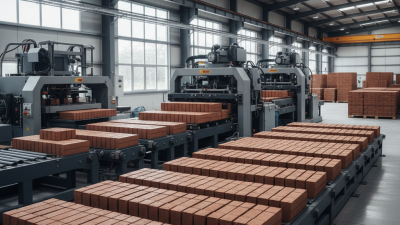
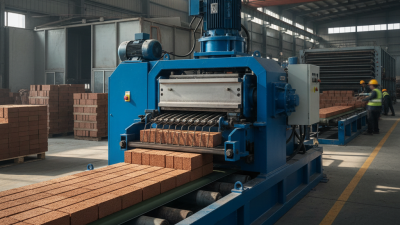
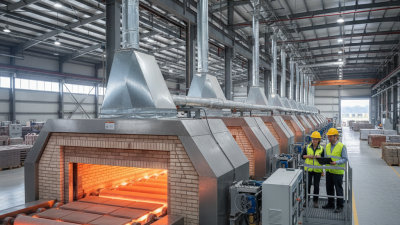
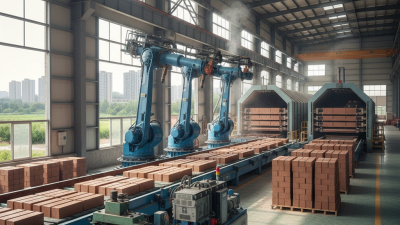
In the world of construction, efficiency really is a big deal. As building projects get bigger and more complex, the need for top-quality materials just keeps growing. That’s where an Automatic Bricks Making Machine can come in handy — it’s a pretty solid solution that blends speed with accuracy. Brands like QGM and Dongyue are pretty much leading the way in this space. Their machines are built to boost productivity, but honestly, choosing the right one isn’t always straightforward.
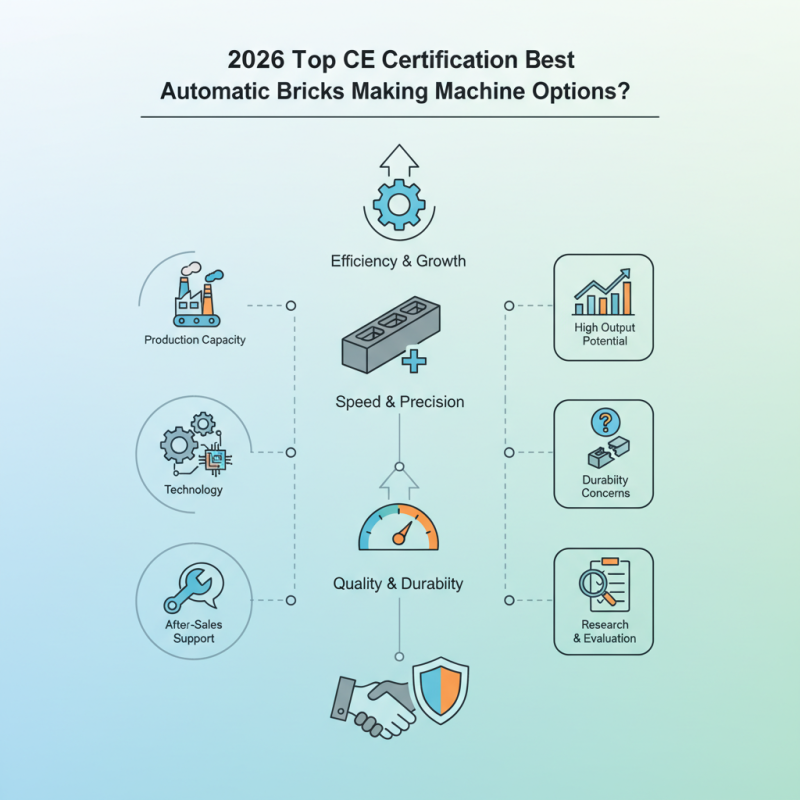
Picking out the perfect Automatic Bricks Making Machine isn’t just about going for the flashiest model. You’ve gotta think about stuff like how much it can produce, the tech behind it, and what kind of support you’ll get after buying. It’s really about matching your specific needs with what each machine offers. Sure, some machines promise crazy high outputs, but if they’re not durable enough, that’s a problem. So, it’s essential to weigh all these factors carefully to make a smart decision.
The brick making game is changing fast. Investing in a good automatic machine can really pay off in the long run. But, it’s super important to understand what’s out there — not every machine is perfect, and sometimes you’ll have to settle for a little compromise. Doing your homework — researching different options and evaluating what's best for your situation — is definitely the way to go before pulling the trigger.
Overview of CE Certification for Brick Making Machines
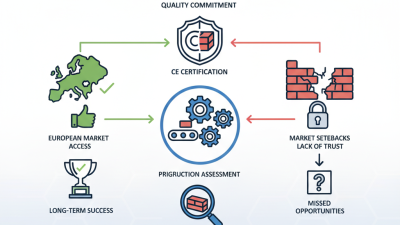
CE certification is a critical aspect of the brick-making machine industry. It signifies that a product meets the safety and environmental standards set by the European Union. In recent years, industries have increasingly emphasized the need for certified equipment. According to a report from the European Committee for Standardization, approximately 65% of manufacturers prefer CE-marked machines to ensure compliance with regulations.
Having a CE certification can positively impact marketability. Machines with this certification often attract higher demand due to perceived reliability. A survey indicated that 78% of clients prioritize CE certification when selecting brick-making equipment. Clients often need reassurance regarding machine efficiency and safety. However, attaining CE certification can be challenging. Manufacturers must invest time and resources in ensuring that all tests meet stringent requirements.
Furthermore, without CE certification, challenges arise in entering new markets. Some regions restrict unverified equipment. This could limit a manufacturer’s growth potential. Ensuring compliance involves a thorough understanding of standards, which can be overwhelming for smaller companies. Continuous training and expert guidance play a crucial role in navigating this landscape. Ultimately, the pursuit of CE certification represents both a challenge and an opportunity for advancement in the brick-making industry.
Key Features of Automatic Brick Making Machines
Automatic brick making machines have transformed the construction industry. These machines increase efficiency and reduce labor costs. Key features define the best options on the market.
Automation is a major aspect to consider. Machines that offer programmable settings streamline production. This allows for consistent quality in every batch. Additionally, energy-efficient models save on operational costs. Many machines also come with user-friendly interfaces, making them accessible to operators.
One feature to watch for is versatility. Many top machines can produce various types of bricks. For instance, the Pavement Bricks Making Machine creates different shapes and sizes. This adaptability can cater to diverse construction needs.
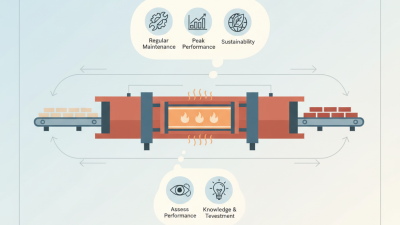
Tips: Regular maintenance is crucial. Neglecting machine upkeep leads to inefficiencies. Operators should ensure that all components function properly. Evaluate the machine’s output frequently to identify any potential issues. Just remember that no machine is flawless; always be prepared for unexpected challenges in production.
Top Brands Offering CE Certified Brick Making Machines
As the demand for sustainable construction materials grows,
CE-certified brick making machines are gaining attention.
Leading brands focus on quality and efficiency, responding to this trend. According to a 2022 market analysis,
the demand for automated brick-making solutions is projected to increase by 7% annually.
These machines not only ensure consistent quality but also automate the manufacturing process, enhancing productivity.
The Automatic Mud Brick Making Machine
represents a significant innovation in the industry. These machines utilize advanced technology to produce bricks with
minimal human intervention. This not only reduces labor costs but also improves safety standards. However, potential buyers
must be aware of the varying build quality in the market. Not all machines labeled as CE certified meet the same rigorous
standards, leading to discrepancies in performance.
Investing in the right equipment requires careful consideration. While some brands offer appealing features, their
long-term reliability may not match expectations. An industry report indicates that maintenance costs can vary significantly among different models,
impacting overall profitability. Buyers should prioritize thorough research and consult industry experts to avoid common pitfalls.
Comparative Analysis of 2026 Best Automatic Brick Making Machines
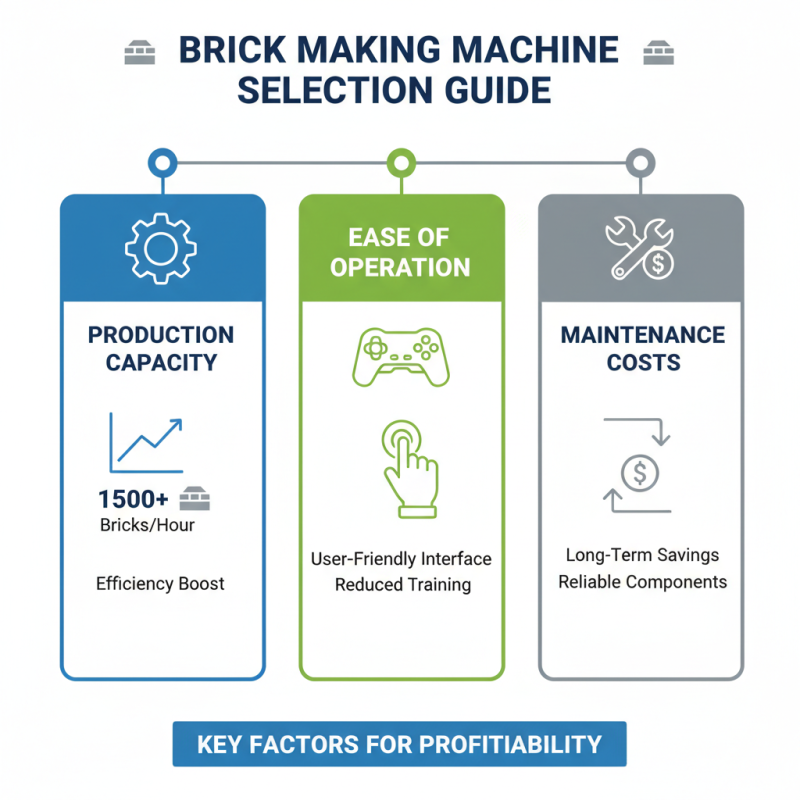
When evaluating the best automatic brick-making machines for 2026, several key features stand out. Performance is a primary consideration. Machines that ensure consistent output and quality are highly preferred. Some can produce different types of bricks without extensive adjustments. Ease of operation also matters. Operators appreciate user-friendly interfaces and clear instructions. Such aspects can reduce training time and improve efficiency.
Cost-effectiveness cannot be overlooked. Advanced machines may have a higher initial cost but offer savings through efficient energy consumption and minimal waste. Analyzing the lifecycle cost is essential. This includes maintenance, which varies significantly across models. Some machines require frequent upkeep, while others boast durability and lower service needs.
Finally, while technology improves, challenges still exist. Integrating automation can pose problems, such as software glitches or mechanical failures. Users should be prepared for potential roadblocks. Research indicates that adapting to newer machines requires time. A thorough understanding of these factors can lead to better decision-making.
2026 Best Automatic Brick Making Machines - Comparative Analysis
Factors to Consider When Choosing a Brick Making Machine
Choosing the right brick making machine is crucial for any construction business. Factors to consider include production capacity, ease of operation, and maintenance costs. According to industry reports, a high-capacity machine can produce over 1,500 bricks per hour, greatly improving efficiency. However, higher capacity often comes with increased initial costs.
When evaluating options, assess the machine's automation level. A Semi Automatic Brick Making Machine can offer a balance between labor intensity and productivity. These machines typically require less manual intervention, yet they are easier to maintain compared to fully automatic models. This can be beneficial in regions with limited skilled labor.
Tip: Always consider the local market demand for various brick types. It can significantly influence your choice of machine. Additionally, think about the material you plan to use; different machines may work better with different raw materials. Reflecting on these factors may steer you towards a more sustainable choice in the long run.
User Reviews and Performance Ratings of Popular Models
When evaluating automatic brick-making machines, user reviews provide crucial insights. Many users emphasize the efficiency of the
Automatic Clay Brick Making Machine.
Its design allows for high production rates and consistent quality.
However, not every model performs equally well. Some users report issues with durability over time.
This feedback is essential in selecting the right machine.
Performance ratings often highlight features such as
automation levels,
energy consumption, and
ease of maintenance.
Users appreciate machines that integrate advanced technology for better control.
Yet, some machines might require frequent calibration, leading to downtime.
This inconsistency can be frustrating, especially in a production environment.
User experiences help gauge the reliability of these machines. Some praise quick production times
while others mention challenges during the setup process.
It's clear that while advanced features are appealing, they can also complicate operations.
Balancing innovation with practicality is key in choosing a machine that truly meets
production needs.
Future Trends in Automatic Brick Making Technology
The future of automatic brick making technology is shaping up to be highly innovative and sustainable. A recent industry report forecasts a compound annual growth rate of 7.5% in this sector, driven by the increasing demand for eco-friendly construction materials. Manufacturers are investing in advanced automation techniques, aiming to enhance efficiency and reduce labor costs. This shift is also aligned with global sustainability goals, where bricks made from recycled materials are gaining popularity.
Emerging trends include the integration of smart technology into brick manufacturing processes. Companies are exploring artificial intelligence and the Internet of Things (IoT) to optimize production lines. For instance, real-time data analytics can help monitor equipment health and predict maintenance needs. However, not every innovation has been successful; some automated systems fell short in flexibility and adaptability to different production requirements. These challenges highlight a need for a balanced strategy in adopting new technologies.
Additionally, the market is witnessing a rise in demand for customized brick solutions. Builders are looking for specific sizes, colors, and textures. This trend raises questions about efficiency versus customization. Can machines be versatile enough to meet these demands while maintaining productivity? The answer remains uncertain, but ongoing research and development in this area may lead to breakthroughs that strike the right balance.
Emerging Trends in Precision Cutting Technologies: Insights from the Auto Clay Block Cutting Machine Market in China
The landscape of precision cutting technologies is rapidly evolving, particularly within the context of the auto clay block cutting machine market in China. According to recent market research, the demand for precision machinery in the construction sector is projected to grow at a compound annual growth rate (CAGR) of approximately 8.5% through 2027. This growth is largely driven by the increasing need for high-quality bricks that meet stringent industry standards, and the crucial role that advanced cutting technologies play in achieving this.
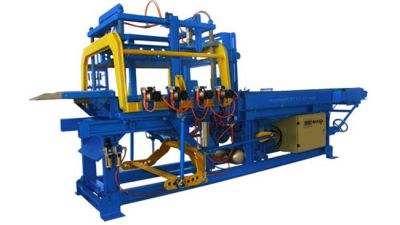
Our Auto Block Cutting Machine represents a significant advancement in this field. Engineered to flawlessly cut vacuum bricks, it not only minimizes waste material but also enhances productivity across brick processing operations. Data suggests that machines capable of maintaining the structural integrity of hollow bricks are in high demand, as they facilitate better design and construction outcomes. Such precision is essential in meeting the dual challenge of efficiency and quality, making our machine an ideal fit for suppliers looking to optimize their operations.
The reliable performance of precision cutting solutions contributes substantially to reducing material losses, a critical factor in today’s competitive market. Industry insights indicate that businesses implementing these advanced technologies can achieve a waste reduction of up to 15%. This not only contributes to more sustainable practices but also improves the bottom line for construction suppliers. Investing in state-of-the-art cutting equipment is thus a strategic move for those aiming to thrive in the dynamic and demanding construction environment in China.
FAQS
: Focus on production capacity, ease of operation, and maintenance costs.
A high-capacity machine can produce over 1,500 bricks per hour, significantly boosting productivity.
Some machines need frequent upkeep, while others are more durable. Longevity affects overall costs.
Higher automation levels can reduce labor intensity, but may also require technical skills for operation.
Yes, issues like software glitches and the need for regular calibration can impact operations.
User feedback highlights performance, efficiency, and potential durability issues. This information is essential for decision-making.
Consider local demand for different brick types. This can guide your selection for better business outcomes.
Yes, different machines perform better with specific raw materials; assess material compatibility before selection.
Absolutely. Efficient machines can save costs and reduce waste over time.
While appealing, features can lead to inconsistent performance and setup challenges, affecting overall productivity.
Conclusion
The article titled "2026 Top CE Certification Best Automatic Bricks Making Machine Options" provides a comprehensive overview of CE certification and its significance for automatic brick making machines. It delves into the key features that define modern brick making machines, emphasizing automation and efficiency. The analysis covers the top brands that offer CE certified machines, ensuring quality and compliance with international standards.
Furthermore, the article presents a comparative analysis of the best automatic bricks making machines available in 2026, guiding potential buyers on determining which machine suits their needs. Important factors such as performance ratings, user reviews, and future trends in brick making technology are discussed, offering insights into the evolving landscape of automated brick production. This summary encapsulates the critical aspects that anyone interested in acquiring an automatic bricks making machine should consider.