The clay brick industry is changing pretty quickly these days. I came across a recent report from Grand View Research that predicts the global market for clay bricks will hit around $258 billion by 2026 — thanks to more and more construction happening all over the world. With this kind of growth, everyone’s talking about the need for more efficient and environmentally friendly ways to make these bricks.
Dr. Emily Chen, who's well-known in this field, mentioned that, “The future of clay brick manufacturing really depends on automation and being sustainable.” As companies start bringing in more advanced tech, moving toward automatic clay brick plants becomes pretty much essential. These setups help optimize production and also cut down on waste and energy use, which is pretty great for the environment too.
That said, there's still some hurdles to jump. A lot of manufacturers are a bit held back by the hefty upfront costs and the fact that they need skilled workers to run the new tech. Finding that sweet spot between staying competitive and being eco-friendly is tricky, and industry leaders really need to figure out how to handle these challenges if they want to grow and stay afloat.
Emerging Technologies in Clay Brick Manufacturing by 2026
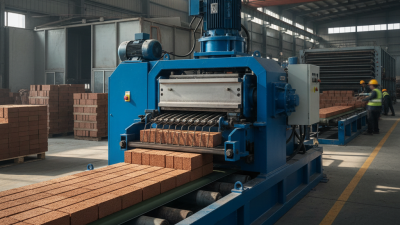
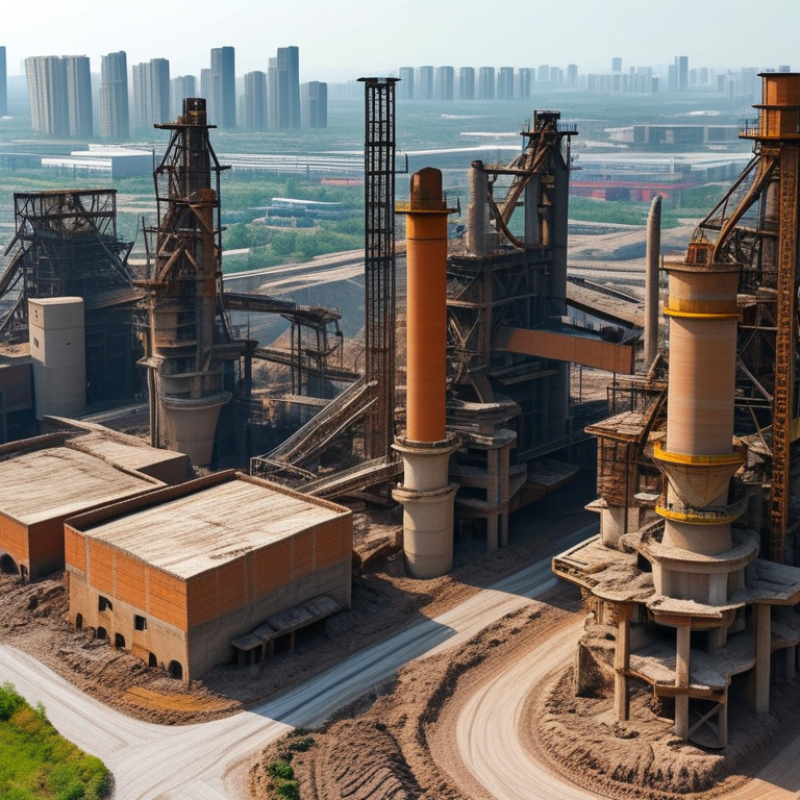
Emerging technologies in clay brick manufacturing by 2026 are transforming the industry. One significant trend is automation. The rise of the
Automatic Brick Manufacturing Plant
allows for precise control and efficiency. Such plants can produce thousands of bricks daily, minimizing human error. This technology not only reduces costs but also boosts production speed.
Another key advancement is the integration of sustainable practices. New materials and energy-efficient processes are becoming standard. Manufacturers are exploring alternatives to traditional clay. These innovations reduce environmental impact. However, the transition requires careful management and training. Companies must adapt to these new methods, which can be challenging.
Moreover, digital technologies are enhancing decision-making. Advanced analytics tools help track production metrics. This data-driven approach improves quality control. However, reliance on technology has its downsides. Not all manufacturers can afford these systems. This gap may widen the divide in the industry. Nevertheless, embracing change can yield significant benefits in the long run.
Sustainability Practices in Clay Brick Production
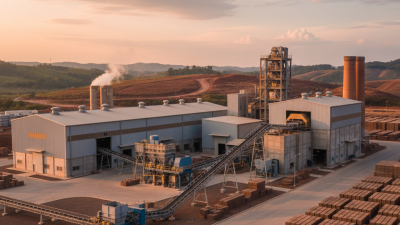
Sustainability in clay brick production is gaining traction. Manufacturers are exploring eco-friendly practices to reduce their carbon footprint. They focus on using local materials and minimizing waste. Many plants are integrating renewable energy sources into their processes. Solar panels and wind energy are becoming common sights in manufacturing facilities.
The use of a Clay Brick Manufacturing Machine is crucial in these sustainable practices. Modern machines optimize energy use and decrease water consumption. However, not all machines are equally efficient. Companies must evaluate their equipment's environmental impact regularly. Some older models still operate, yet they may not align with sustainability goals.
Recycling materials is also becoming important. Waste bricks can be crushed and reused, decreasing the need for new resources. However, challenges remain in ensuring consistent quality. Manufacturers must grapple with the balance of sustainability and performance. Finding innovative ways to enhance both aspects will define the industry’s future.
Advancements in Automation and Robotics for Brick Plants
In recent years, the brick manufacturing industry has witnessed significant advancements in automation and robotics. These innovations streamline processes and improve efficiency. Automation minimizes human intervention, leading to consistent quality control in production. For instance, automated systems can handle raw materials, reducing waste and enhancing productivity in the Brick Kiln Plant.
The introduction of robotics also transforms the working environment. Robotics can perform repetitive tasks accurately, mitigating the physical strain on workers. Automated machines can move heavy materials, allowing personnel to focus on monitoring systems rather than manual labor. However, relying on technology can pose challenges. Maintenance of these sophisticated machines requires skilled technicians, which may not always be readily available.
Automation brings substantial benefits, yet it raises questions about job displacement. As equipment takes over specific roles, the workforce must adapt. Upskilling workers becomes crucial to ensure they can thrive in a more automated landscape. While technology enhances production, the balance between automation and human labor remains a critical consideration for the sustainability of the Brick Kiln Plant.
2026 Top Clay Brick Manufacturing Plant Trends and Benefits
| Trend |
Description |
Benefits |
| Automation Integration |
Incorporation of automated systems in clay brick production. |
Increased efficiency and reduced labor costs. |
| Robotics for Handling |
Use of robotics for material handling and packaging. |
Improved safety and precision in operations. |
| Sustainability Practices |
Incorporation of eco-friendly materials and processes. |
Reduced environmental impact and enhanced brand image. |
| Data Analytics |
Leveraging data for production optimization. |
Better decision-making and resource management. |
| Advanced Kiln Technologies |
Utilization of modern kilns for energy efficiency. |
Cost reduction in energy consumption. |
Market Demand Trends Influencing Clay Brick Manufacturing
The market demand for clay bricks is evolving due to various factors. Sustainable construction is at the forefront. Many architects prefer eco-friendly materials. Clay bricks offer excellent thermal insulation and durability. This shift is driving manufacturers to adapt. They must focus on sustainable practices in production.
Consumer preferences also play a significant role. There’s a growing interest in aesthetics. Homeowners seek unique designs and colors. Manufacturers need to innovate in their offerings. Customization options are critical to meet these demands. However, not all companies can keep pace with trends.
Technology is reshaping the industry. Automation is enhancing production efficiency. Yet, some plants lag in adopting these advancements. This gap can lead to missed opportunities. Investment in modern equipment is necessary. However, the initial costs can deter smaller manufacturers. Balancing tradition with innovation will be essential for growth. Reflecting on these trends is vital for future success.
Cost Benefits of Modern Clay Brick Manufacturing Solutions
Modern clay brick manufacturing solutions offer notable cost benefits. Advanced technology optimizes production efficiency. Automation reduces labor costs while increasing output consistency. These innovations also minimize raw material waste. Companies can produce high-quality bricks with less environmental impact. Energy-efficient processes further cut down operating expenses.
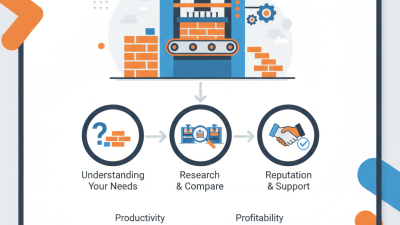
Investing in modern equipment can seem daunting. Initial costs might be high. However, the long-term savings often outweigh these concerns. Businesses may find that they quickly recoup their investments. This shift not only enhances profitability but also supports sustainability goals. The industry trends indicate a growing preference for eco-friendly materials.
Adaptation to these advancements may pose challenges. Some companies struggle with the transition. Training workers to use new technology takes time and effort. Yet, these initial hurdles can lead to significant benefits. Embracing change ultimately fosters innovation and competitiveness in the market.
Quality Control Innovations in the Brick Industry
Quality control is critical in the brick manufacturing industry. The latest innovations focus on enhancing durability and sustainability. In 2023, a report by the Brick Industry Association noted that nearly 70% of manufacturers are adopting automated quality control systems. These systems use advanced sensors and AI technologies to detect defects earlier in the production process. This shift is not only about improving product quality but also reducing waste, which is vital in today’s eco-conscious market.
Furthermore, there are new standards emerging around environmental impact. According to the latest industry data, up to 40% of brick manufacturers have implemented eco-labeling systems. These labels inform consumers about the sustainability practices used during production. While this is a positive trend, challenges remain in ensuring compliance across all facilities. Some manufacturers struggle to balance cost and quality remediation.
In addition, quality control teams are increasingly collaborating with R&D departments. This partnership nurtures innovation in material science, yielding stronger and more resilient bricks. Yet, there is still room for improvement. Many plants report inconsistent application of quality standards between different shifts. Addressing these inconsistencies requires further training and a culture shift within organizations. The brick industry stands at a crossroads, embracing technology while grappling with traditional practices.
Future Challenges Facing Clay Brick Manufacturers in 2026
The clay brick manufacturing industry faces numerous challenges as it approaches 2026. Environmental regulations are tightening. Manufacturers must adapt to reduce emissions and waste. Compliance with these new standards can be a daunting task for many. Investments in sustainable technologies are becoming essential. Adopting an Auto Brick Plant could help streamline production and minimize environmental impact.
Labor shortages pose another significant hurdle. Skilled workers are increasingly rare. This scarcity can lead to a reliance on less experienced personnel, impacting product quality. Companies must reconsider their training programs to nurture talent. Mentoring initiatives might be a solution, but they require time and resources. Balancing cost-efficiency with quality remains a complex challenge.
Market demands are shifting rapidly. Consumers expect more sustainable and durable products. Meeting these expectations requires innovation. Traditional manufacturing processes may not suffice. Integrating advanced techniques will be necessary to remain competitive. Yet, the transition can be difficult. Companies must carefully evaluate their current systems before committing to new technologies, such as automation in an Auto Brick Plant.
Trends in Clay Brick Manufacturing Plant in 2026
Optimizing Clay Brick Production: The Essential Role of China Box Feeders in Material Handling
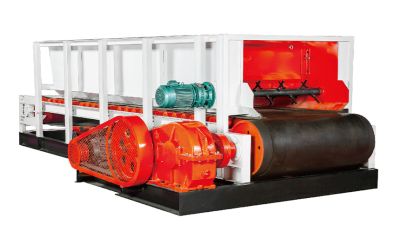
In the pursuit of optimizing clay brick production, effective material handling plays a crucial role, and this is where China Box Feeders come into the spotlight. These advanced machines are engineered to streamline the distribution of raw materials, ensuring a meticulously balanced feed-in that enhances overall efficiency. The precise adjustment capabilities, such as modifying the height of the flash board and regulating conveyor belt speed, make it possible to maintain an optimal ratio of pug to internal combustion materials. This is vital in a sector that has seen a 15% increase in production demands over the last five years, as highlighted in several industry reports.
In terms of performance, the box feeder is particularly adept at handling large soft mud, enabling factories to crush and process materials more effectively. With the clay brick industry targeting reductions in waste and production costs by up to 20%, investing in robust material handling equipment like the box feeder becomes essential. Not only does it facilitate better control over material flow, but it also contributes to a significant improvement in product quality, ensuring that manufacturers can meet the stringent requirements of the market.
Moreover, data from recent studies indicate that factories equipped with advanced material handling systems are able to increase their output by more than 30%. This trend underscores the necessity for innovative solutions like the box feeder, which not only optimize production processes but also position factories to adapt to evolving industry standards and consumer expectations. Thus, implementing such technology is not just a logistical enhancement; it's a strategic move towards sustainable production in the clay brick industry.
FAQS
: Key practices include using local materials, minimizing waste, and integrating renewable energy sources.
Modern machines optimize energy use, decrease water consumption, and support eco-friendly processes.
Ensuring consistent quality of recycled materials remains a significant challenge for manufacturers.
Yes, these solutions reduce labor costs and raw material waste, leading to long-term savings.
Companies may struggle with training workers and the initial costs of adopting new technologies.
Stricter regulations require manufacturers to adapt, investing in sustainable technologies to comply.
A shortage of skilled workers may reduce product quality and increase reliance on inexperienced staff.
Consumers increasingly expect products to be more sustainable and durable, pushing for innovation.
Automation can streamline production but requires careful evaluation of existing systems for effectiveness.
Manufacturers must balance cost-efficiency and product quality, which is often a complex challenge.
Conclusion
The "2026 Top Clay Brick Manufacturing Plant Trends and Benefits" article explores several critical advancements shaping the future of clay brick production. Emerging technologies, particularly in sustainability practices, are transforming how clay brick manufacturing plants operate, enabling them to reduce their environmental impact while meeting market demand. Automation and robotics are playing a pivotal role, enhancing efficiency and accuracy in production processes.
Moreover, the article highlights the cost benefits of adopting modern solutions in clay brick manufacturing, along with quality control innovations that ensure product reliability. However, manufacturers will face challenges in adapting to evolving industry standards and consumer expectations by 2026. Adopting these trends will be crucial for clay brick manufacturing plants aiming to stay competitive in a rapidly changing market landscape.