Picking out the best tunnel dryer for your bricks in 2026 isn't just about zipping through a quick comparison of how much it can dry or how much it costs upfront. You’ve gotta think about a lot more—things like the type of clay you're working with, the size of your bricks, how wet they still are when they go in, and how fast you're trying to produce. Even small details matter here. For example, a dense wire-cut brick won’t behave quite the same as a big hollow block, so the dryer’s setup needs to reflect that.
Dr. Elena Marquez, who’s been in the ceramic process game for over twenty years specializing in kilns and dryers, often says, 'The best dryers handle moisture gently; they don’t just blast water away quickly.' And honestly, that bit of advice really sticks—it's practical stuff you can check right there on the factory floor. Think about things like airflow, how evenly the temperature is distributed, humidity control, insulation, and whether the conveyor system is stable. Plus, it’s worth asking yourself how easy it is for workers to clean and maintain the equipment—stuff that can save you headaches down the line.
A modern clay brick tunnel dryer should dry each batch or trolley pretty evenly. If the airflow isn’t consistent, you might end up with bricks that have dark edges, small cracks on the surface, or soft spots inside—things that can cause issues even before firing. And let's talk energy use: features like heat recovery systems, variable-speed fans, and automatic dampers can really help cut down waste, especially when your production load changes.
Of course, manufacturers love to brag about their machines’ high outputs, but just because it sounds good doesn’t mean it’s true. Always ask for real test data, references from places already using their dryers, support for spare parts, and look at their fuel efficiency reports. Keep in mind, what works well in one climate might not be so great in another. This guide looks at practical specs, potential risks in operation, and the long-term value of service. It's not a perfect science—factory conditions are so different—but if you’re careful with your choice, you can avoid costly mistakes and end up with more consistent, quality bricks in 2026.
2026 Best Tunnel Dryer for Brick: What Is a Tunnel Dryer for Brick Production?
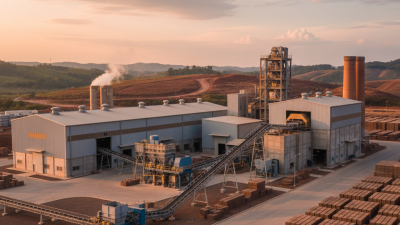
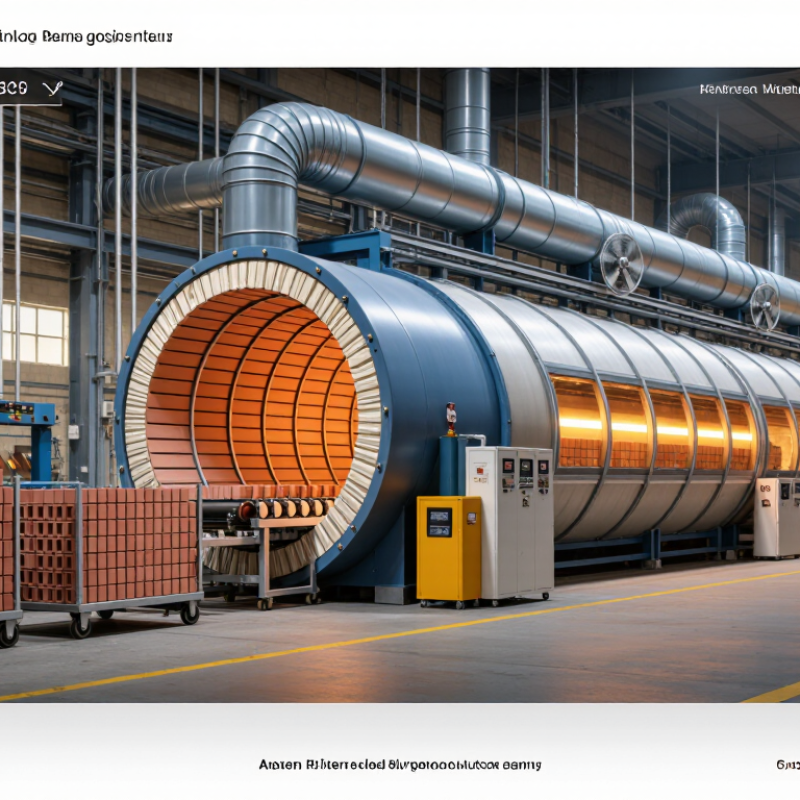
A tunnel dryer is a long, insulated chamber for removing moisture from freshly shaped bricks. It is not a kiln. Bricks move slowly on cars, pallets, or a continuous conveyor. Heated air flows across the products through controlled zones. Each zone manages temperature, humidity, and airflow. The European Commission Joint Research Centre’s Ceramic BREF identifies continuous tunnel drying and kiln-waste-heat recovery as established energy-saving practices. In simple terms, the dryer prepares bricks for firing without causing cracks, warping, or uneven shrinkage. That sounds straightforward. It is not always easy.
Choosing a tunnel dryer starts with the brick body, size, moisture content, and daily output. Consider a batch containing 1,000 kilograms of green bricks. At 10% removable moisture, about 100 kilograms of water must leave. Water needs roughly 2.26 megajoules per kilogram to evaporate near 100°C. The theoretical demand is therefore about 226 megajoules, before wall losses, leakage, and fan power. Real consumption will be higher. The European Commission’s BREF stresses heat recovery, insulation, and process control for reducing thermal demand.
The US EPA’s AP-42, Chapter 11.3, treats drying and firing as separate process stages. This distinction matters when measuring emissions and energy use. Check airflow velocity across the widest brick section. Check dew-point control at the dryer exit. Excessive heat may dry surfaces first and trap moisture inside. A short trial with moisture mapping is wiser than trusting catalog capacity. One inconvenient truth remains: the best dryer on paper may fail when clay quality changes.
A brick tunnel dryer removes moisture from freshly formed green bricks before firing. The bricks travel slowly on kiln cars through several controlled zones. Warm air enters the drying chamber and moves across the brick surfaces. Some systems push air sideways, while others use vertical circulation for more even drying. Fans recirculate part of the air to reduce heat loss. Moist, cooler air leaves through exhaust ducts.
The process usually starts gently. Early heating prevents surface hardening while the brick core remains wet. Later zones use higher temperatures and faster airflow. Sensors monitor temperature, humidity, and pressure across the chamber. Operators adjust these settings according to brick size, clay moisture, and loading density. Thick bricks need more drying time. Tight stacking can block airflow and create damp centers. A dryer may look efficient on paper, yet poor airflow can still cause cracks, warping, or uneven color. The first setup is rarely perfect.
Tips: Check moisture inside the brick, not only its surface. Keep airflow balanced on both sides of the chamber. Record drying time, exhaust humidity, and rejected pieces each shift. Good insulation matters, but maintenance matters too. Inspect fans, seals, sensors, and air ducts regularly. A small blocked duct can affect an entire production section. Select equipment that matches your daily capacity and brick dimensions, rather than choosing by size alone.
Before choosing a 2026 tunnel dryer, define the brick clearly. Record clay moisture, green brick dimensions, stacking pattern, hourly output, and target residual moisture. A small change in wall thickness can alter drying time significantly. Measure it.
The European Commission’s Ceramic Manufacturing BREF identifies drying and firing as major energy users in ceramic production. The IEA reports that industry consumed about 37% of global final energy in 2022. These figures make heat recovery and air control practical priorities, not decorative features.
Specify inlet air temperature, humidity, circulation speed, exhaust volume, and acceptable temperature variation across the chamber. For example, bricks stacked too tightly may leave pale, damp centers while outer edges become over-dried. That defect can appear after firing, when correction is expensive.
Ask for test data using your actual clay body. A laboratory sample is not enough. A reliable supplier should show temperature curves, moisture reduction, airflow measurements, and energy use per tonne.
The equipment description may say Clay Bricks Making Drying Machine Tunnel Dryer Brick Oven, but the real question is control quality.
Consider seasonal humidity, fuel availability, loading interruptions, and operator skill. I would also define cleaning access and sensor calibration intervals. These details are often missed.
I have seen production teams optimize heat first, then discover that uneven stacking caused most cracks. That assumption deserves review.
Choosing a tunnel dryer starts with brick moisture, not the equipment name. Measure green brick size, loading density, and daily output. These details control airflow, residence time, and energy demand. A continuous tunnel suits steady production and consistent stacking. A chamber-style layout offers more flexibility when batches change frequently. Inspect airflow paths carefully. Uneven circulation can leave wet corners and cracked edges.
Compare parallel-flow and cross-flow designs through actual temperature and humidity readings. Parallel airflow is simple and often stable. Cross-flow systems may improve heat distribution across wider settings. However, duct placement matters more than the label. Ask for drying curves from similar brick dimensions. Do not trust only rated capacity. Real performance can fall when stacking is tight or ambient humidity rises.
Heating systems require a practical cost comparison. Direct gas heating responds quickly, but exhaust control must be precise. Electric heating offers clean operation and accurate temperature adjustment. Thermal systems can provide steady heat, though installation may be more complex. Heat recovery from exhaust air can reduce fuel use. It needs regular cleaning and correct insulation. Small leaks matter. During site evaluations, operators sometimes find that poor door sealing wastes more energy than an inefficient burner. I have also seen over-automated controls confuse staff during sensor faults. Choose measurable controls, accessible maintenance points, and spare sensor capacity. The best design is the one your team can operate consistently.
A modern Tunnel Dryer should control moisture gently, not simply push hotter air through green bricks. In practical plant inspections, uneven airflow causes more waste than low heat. Bricks near the entrance may crack, while those in the center remain damp. Properly shaped air channels, sealed doors, and adjustable circulation fans help reduce these differences. The drying chamber should use durable insulation, such as mineral wool panels, with protected joints that resist dust and humidity.
Material selection affects both drying quality and operating life. Corrosion-resistant steel is suitable for humid air ducts and internal supports. Ceramic fiber can protect high-temperature areas, but damaged lining must be replaced promptly. Small gaps matter. They quietly drain energy.
Energy features deserve close attention. Variable-frequency drives can adjust fan speed as brick moisture changes, avoiding unnecessary electricity use. Heat exchangers may recover warmth from exhaust air and return it to the incoming stream. Moisture and temperature sensors provide better control than fixed timers. A simple timer may continue heating after the bricks are nearly dry. That wastes fuel.
From field experience, automatic controls do not replace maintenance. Dust on sensors can create false readings, and poorly calibrated probes may over-dry the surface while moisture remains inside. Operators should check sample bricks from different tunnel positions and record drying curves. Solar-assisted preheating or low-temperature waste heat can reduce demand, where local conditions support stable supply. The best design is not always the most complicated one.
2026 Best Tunnel Dryer for Brick: How to Choose?
A reliable Tunnel Dryer Machine should match your actual brick output, not an ideal production target. Measure green brick weight, moisture, firing schedule, and loading pattern first. A dryer rated for 200,000 bricks daily may underperform when winter air is cold and damp. Ask for capacity data under conditions similar to your plant. Small gaps between trays can also change airflow and drying time.
Automation needs practical control, not excessive screens. Look for sensors that monitor temperature, humidity, pressure, and brick moisture across different zones. Automatic airflow adjustment can reduce cracks caused by uneven drying. Manual override remains important when clay quality changes. During evaluation, request trial records and inspect alarm functions. A polished demonstration is not enough. Operators should understand the controls within one shift.
Maintenance and cost deserve equal attention. Check whether fans, heaters, sensors, and access doors are easy to reach. Dust around fan housings is a real warning sign. Ask about cleaning intervals, spare-part availability, energy consumption, and expected service life. Compare total operating cost, including electricity, fuel, labor, downtime, and rejected bricks. The cheapest purchase price can become expensive after repeated repairs. I would also test several moisture levels before approval. One successful batch proves little. a flaw may appear later.
Choosing the best Brick Dryer starts with your clay, not a catalogue.
Measure moisture before and after extrusion. Record brick dimensions, daily output, and seasonal humidity.
The European Commission’s Ceramics BREF reports drying energy commonly around 0.3–1.5 GJ per tonne, depending on moisture and equipment design. This range is wide. Your factory data matters more than a generic promise.
Select a tunnel dryer with adjustable air speed, temperature zones, and controlled exhaust.
Even airflow prevents wet corners, surface cracks, and distorted edges. Heat recovery from the kiln can reduce fuel demand, but only when temperatures and airflow match correctly.
The U.S. Department of Energy identifies process integration and waste-heat recovery as important energy-saving opportunities in ceramic manufacturing.
Ask for measured fuel use, drying curves, and product-loss records. Do not accept only theoretical capacity.
Walk through the dryer during a real production trial.
Check whether operators can clean ducts, inspect fans, and replace sensors safely. A dryer running at maximum speed may still produce uneven bricks. Larger is not automatically better.
I would test several clay batches before approving the final design. One weakness remains: laboratory moisture results may not represent rainy-season production.
Allow adjustment time, spare sensor points, and accessible sampling doors. A reliable choice combines stable brick quality, manageable maintenance, and verified energy performance.
The red brick market is entering 2025 with steady construction-led demand. Grand View Research projects global brick-market growth at approximately 4–5% annually through the end of the decade, while Mordor Intelligence also indicates a mid-single-digit growth trend through 2029. These outlooks reflect continued urbanization, infrastructure investment, and the need for durable, cost-efficient wall materials. For large manufacturers, this environment places greater emphasis on production capacity, consistent dimensions, and reliable quality control.
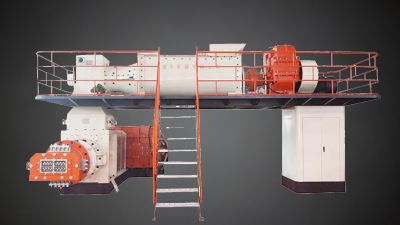
The JKY series red brick making machine is designed for factories with high output requirements and strict product standards. As an advanced twin-stage vacuum extruder, it combines material preparation and vacuum extrusion to improve brick density, strength, and surface uniformity. Its robust structure is manufactured from high-quality steel, while key axles, gears, and other spare parts use carbon steel or alloy steel with modulation and quenching heat treatment. This engineering approach supports long service life and stable operation, helping producers respond efficiently to expanding market demand while reducing interruptions caused by premature component wear.
A tunnel dryer is a long, insulated chamber that removes moisture from freshly shaped bricks. It is not a kiln. Bricks move slowly on cars, pallets, or conveyors. Heated air passes through controlled zones. The dryer prepares bricks for firing and helps reduce cracks, warping, and uneven shrinkage.
Green bricks travel through several drying zones. Early zones use gentle heat to protect wet brick surfaces. Later zones increase temperature and airflow. Fans recirculate warm air. Moist air exits through exhaust ducts. Sensors monitor temperature, humidity, and pressure. The first setup is rarely perfect.
Slow initial heating allows moisture to leave the brick gradually. Excessive heat can harden the surface too quickly. Moisture may remain trapped inside. This can cause cracks, warping, or uneven shrinkage. The outside may look dry. The center may still be wet.
Consider 1,000 kilograms of green bricks. If removable moisture equals 10%, about 100 kilograms of water must evaporate. Evaporation requires roughly 2.26 megajoules per kilogram near 100°C. The theoretical demand is about 226 megajoules. Real consumption is higher because of wall losses, leaks, and fan power.
Measure brick dimensions, clay moisture, loading density, and daily output. These values affect airflow, drying time, and heat demand. Thick bricks usually need longer residence times. Tight stacking can block air movement. Choose equipment for actual production conditions, not rated capacity alone.
Balance airflow on both sides of the chamber. Check moisture inside the brick, not only on its surface. Inspect wet corners and damp centers regularly. Record drying time, exhaust humidity, and rejected pieces each shift. A blocked duct can affect an entire production section.
Direct gas heating responds quickly but needs careful exhaust control. Electric heating provides clean operation and accurate adjustment. Thermal systems can offer steady heat with more complex installation. Heat recovery may reduce fuel use. Its performance depends on cleaning, insulation, and proper maintenance.
Inspect fans, seals, sensors, doors, and air ducts regularly. Check for air leaks around doors and chamber joints. Clean heat recovery components when needed. Test sensors after faults or unusual readings. A small leak can waste significant energy. Accessible maintenance points are helpful. Over-automation can confuse staff during sensor failures.
Choosing the best Tunnel Dryer For Brick starts with understanding how it supports the complete brick production process. A tunnel dryer moves freshly formed bricks through controlled drying zones, where temperature, humidity, airflow, and residence time are carefully adjusted to remove moisture evenly. Before comparing equipment, a factory should define brick size, moisture content, daily output, fuel or energy availability, drying time, climate conditions, and acceptable product quality. These requirements provide a practical basis for selecting the dryer structure, heating method, airflow design, and control system.
A reliable tunnel dryer should combine durable insulation, efficient heat circulation, accurate sensors, and energy-saving features such as heat recovery or exhaust management. Evaluation should also include loading and unloading methods, automation level, maintenance access, spare-part availability, floor space, labor needs, operating costs, and total investment. The most suitable solution is not necessarily the largest or most automated model, but the one that delivers stable drying performance, low breakage, manageable energy consumption, convenient maintenance, and capacity that matches the factory’s long-term production plan.