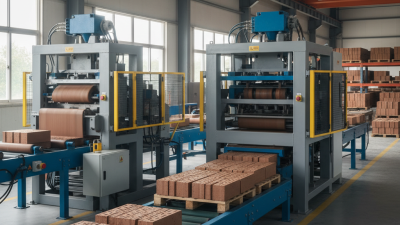
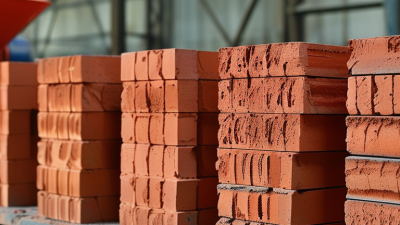
These days, choosing the right Brick Kiln Oven can really make or break your brick-making game. Industry pros like Dr. Samuel Green from EcoBrick Technologies always stress how important efficiency and durability are — he says, “A reliable Brick Kiln Oven is basically the backbone of any successful brick operation.”
As demand for top-notch bricks continues to grow worldwide, so does the need for smarter, more advanced kilns. The right oven not only helps produce consistent, quality bricks but also boosts overall efficiency. The tricky part? There are so many options out there — different designs, technologies, and features — it can get pretty overwhelming trying to figure out what’s best.
With all the innovation happening right now, it’s super important for buyers to really think about what they need most. Things like performance, how much energy it uses, and maintenance costs should be on your radar. Plus, industry trends seem to be leaning toward eco-friendly solutions, but not every option on the market actually lives up to those green promises. This guide is here to cut through the noise and help you find the best Brick Kiln Oven for your specific needs, so you can make smarter choices and stay ahead in this competitive field.
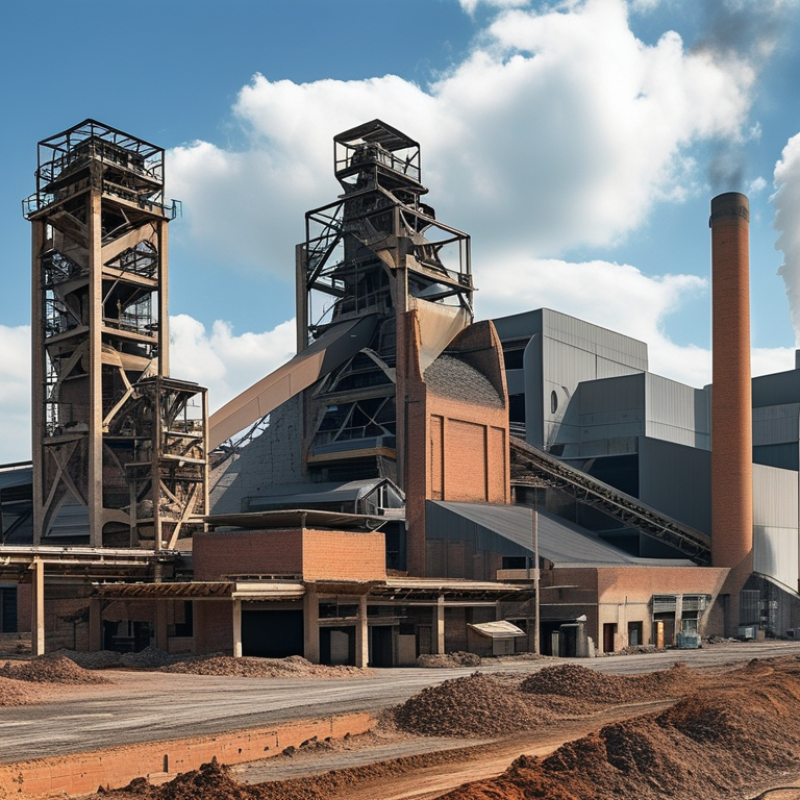
Understanding Brick Kiln Ovens: An Overview
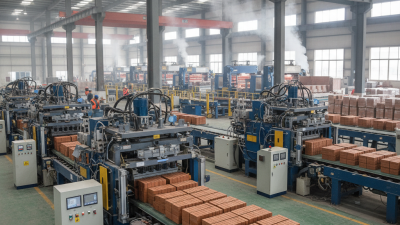
Brick kiln ovens are essential in various industries, especially in brick-making and pottery. They provide the necessary heat for firing clay products. Understanding their design and workings is crucial for global buyers. Most Brick Burning Oven Kilns operate on a simple principle: heat is generated from a fuel source and distributed evenly.
Temperature control is vital in these ovens. Different clay bodies require specific temperatures to reach optimal strength and color. An experienced operator monitors the firing process closely. Any inconsistency can lead to defects in the final product. Buyers must consider the type of fuel used, efficiency, and ease of operation. Many kilns use coal or gas, which can greatly affect the overall cost and environmental impact.
Navigating the choices can be daunting. Factors like materials, construction methods, and size play significant roles in kiln performance. Standard designs may not meet specific needs, prompting custom solutions. Enthusiasts often reflect on their past experiences. What worked well in one instance may not apply in another. Consequently, continuous learning and adaptation are necessary for effective kiln management.
Key Features to Consider When Choosing a Brick Kiln Oven
When selecting a brick kiln oven, several key features matter. The kiln’s
size is crucial. It should accommodate your production needs
without wasting space. Consider the heating efficiency. An efficient oven can save
energy and costs. Look for kilns that maintain consistent temperatures. This is essential
for uniform firing results.
Material quality is also important. High-quality bricks and insulation affect durability.
They influence how well the kiln retains heat. Pay attention to the design. Some kilns offer better airflow than others.
This can lead to improved combustion and better results.
Lastly, think about your specific production methods. Not all kilns are versatile. Some are designed for specific clay types.
If your needs change, a versatile kiln may be more beneficial. Reflect on your long-term goals.
The right equipment can impact your business growth. Investing in quality now can pay off later.
Comparison of Different Types of Brick Kiln Ovens
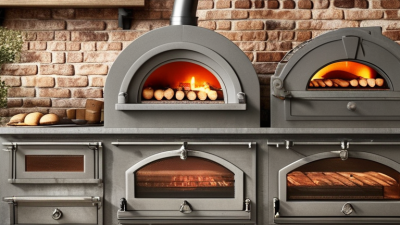
When comparing different types of brick kiln ovens, it’s crucial to consider the efficiency and heat distribution. Traditional Brick Ovens, for instance, retain heat well but require longer firing times. A report from the International Energy Agency (IEA) indicates that these ovens can consume up to 70% more fuel compared to modern designs. This inefficiency often leads to higher operational costs.
In contrast, tunnel kilns offer a continuous firing process. They are popular for large production volumes due to their lower energy consumption. Industry studies have shown that these kilns can decrease energy use by up to 40%. However, the initial investment is significantly higher. Buyers must weigh the long-term savings against upfront costs.
**Tips:** Always assess the specific production needs before choosing a kiln type. For small batches, a traditional brick oven may suffice. For larger operations, investing in a more advanced system could pay off in the future. Regular maintenance is also essential to ensure optimal performance and longevity of your equipment.
Top Manufacturers of Brick Kiln Ovens in 2026
In 2026, the brick kiln oven market is evolving rapidly. The global demand for efficient and sustainable manufacturing processes drives innovation. Recent reports indicate that the global brick production is expected to reach over 1.2 trillion units by 2026. This trend reflects the booming construction industry and the need for reliable kiln systems.
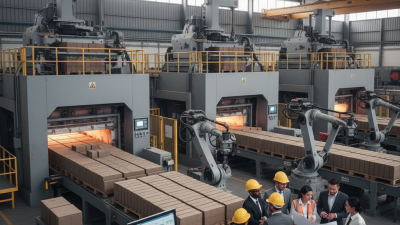
Top manufacturers are focusing on energy-efficient designs. Many ovens now feature advanced insulation materials, reducing heat loss. These designs can cut energy consumption by up to 30%. This significant reduction not only helps manufacturers save costs but also aligns with global sustainability goals. Additionally, smart technology integration enables real-time monitoring. Manufacturers that adopt this technology can enhance furnace performance and reduce environmental impact.
However, challenges remain. Some older kiln designs struggle to meet new regulations. Upgrading these systems is often a costly endeavor. Furthermore, maintaining consistent production quality while transitioning to newer methods can be complex. Manufacturers must find a balance between innovation and their existing frameworks. This dynamic landscape will shape the brick kiln industry in the years to come.
Maintenance Tips for Brick Kiln Ovens
Maintaining a brick kiln oven is crucial for optimal performance and longevity. Regular inspections can help identify any existing issues. A report by the International Energy Agency highlights that poorly maintained kilns can increase energy consumption by up to 25%. Ensuring your kiln operates efficiently can significantly reduce operational costs.
Temperature control is another vital aspect. Fluctuations can cause stress on the kiln structure. Maintaining a steady temperature is essential for product quality. According to research from the International Council on Large Electric Systems, temperature inconsistencies can impact the kiln's life span and increase repair frequency. Regular calibration of temperature sensors is recommended.
Additionally, regular cleaning is important. Dust and residue can build up, affecting airflow and heating efficiency. Industry standards suggest cleaning the kiln every 6 to 12 months, depending on usage. Neglecting this can lead to hazardous conditions and reduced output. Evaluating these maintenance practices can ensure a more reliable and effective brick kiln operation.
Cost Analysis: Investment vs. Benefits of Brick Kiln Ovens
Investing in a brick kiln oven can be a significant financial decision for many businesses. The initial setup costs are often substantial, covering materials, labor, and equipment. A comprehensive cost analysis reveals that while the upfront investment may seem high, the long-term benefits can outweigh these costs. Energy-efficient options like a
Gas Brick Oven can reduce fuel expenses, leading to improved return on investment over time.
The maintenance costs of a brick kiln oven must also be considered. Regular upkeep is essential for optimal performance. However, incorrect maintenance practices can lead to more significant issues down the line. It's important for buyers to seek expert advice to avoid common pitfalls. Additionally, assessing the production capacity is crucial. A kiln that is too small might limit growth, while an oversized unit could waste resources.
Exploring local regulations on emissions is vital. Compliance may impact costs and operational efficiency. Many buyers overlook these factors, leading to unexpected expenses. Ultimately, understanding both the immediate costs and the advantages can guide buyers toward making informed decisions. A Gas Brick Oven can be a worthy addition, but careful analysis is essential for ensuring long-term success.
Global Trends in Brick Kiln Technology and Innovation
The brick making industry is evolving rapidly, driven by innovation and sustainability. Advanced kilns, equipped with smart technology, are becoming more common. These innovations not only improve efficiency but also reduce environmental impact. Buyers today look for options that harmonize with their green goals.
When selecting a Brick Making Oven, consider energy consumption. Modern kilns use less fuel and can operate on alternative energy sources. This is crucial as energy costs continue to rise. Efficiency doesn’t mean compromising quality. Improved heat circulation techniques ensure bricks are uniformly fired.
Tips: Look for kilns that offer precise temperature control. This feature enhances the quality of the bricks produced. Always ask about the longevity of materials used in construction. Investing in durable kilns means fewer repairs and longer service life. Regular training for operators can greatly enhance the performance of the brick making oven. Keeping up with trends in technology ensures your business stays competitive.
FAQS
: Choose a kiln size that meets your production needs without wasting space.
An efficient oven saves energy costs and enhances production profitability.
High-quality bricks and insulation improve durability and heat retention.
Good airflow design promotes better combustion, leading to improved firing results.
Some kilns are limited to specific types. Versatile kilns offer more options.
Modern kilns use less fuel, helping to minimize rising energy costs.
It enhances uniform firing quality, resulting in better bricks.
Regular training improves kiln performance, leading to higher productivity.
Investing in durable materials reduces repairs and extends service life.
Regularly researching industry innovations keeps your business competitive.
Conclusion
The article provides a comprehensive guide for global buyers looking to invest in a Brick Kiln Oven in 2026. It begins with an overview of Brick Kiln Ovens, highlighting their essential role in manufacturing processes. Key features to consider when choosing a Brick Kiln Oven are discussed, including efficiency, capacity, and durability.
The article presents a comparison of various types of Brick Kiln Ovens, helping buyers understand their options. Insights into top manufacturers shed light on the market landscape while maintenance tips ensure longevity and optimal performance of the ovens. Additionally, a cost analysis is included, weighing the investment against the benefits offered by these ovens. Finally, it explores global trends in Brick Kiln technology and innovation, emphasizing the importance of staying updated in this evolving market.