请留言
    
0%

Thinking about upgrading your brick-making setup in 2026? Our guide on the best automatic brick production lines for sale sheds some light on reliable systems designed for modern manufacturing. These automatic lines can handle shaping, pressing, stacking, and transferring bricks — all with minimal manual effort. That means better consistency, less material waste, and a steadier daily output. But hey, let’s not get carried away—automation isn’t a magic fix for everything.

Choosing the right line really depends on your local raw materials, the size of the bricks you want, your factory space, and how much output you’re aiming for. When shopping around, pay attention to things like forming pressure, cycle speed, how the pallets move, curing methods, and how easy it is to access and control the system. Energy efficiency is key, and don’t forget about maintenance costs.

It's a good idea to go with experienced suppliers—companies like Ecp Production Line are worth checking out. They should provide clear technical details and practical guidance on how to install and operate their systems. Just a heads-up, the phrase “Ecp Production Line” sounds like a search term more than an official standard, so make sure to verify the supplier’s registration, factory records, customer reviews, and their after-sales support. Watching a demo video helps, but actually visiting the site for an on-the-ground inspection is way more convincing.

Keep in mind, a good piece of equipment isn’t just about the price tag. Make sure to check the brands of motors, hydraulic parts, sensors, and whether spare parts are readily available. Also, see if the system can be upgraded down the line—nothing worse than buying a unit only to find out it’s stuck. Real-life production environments can throw surprises—dust, moisture, uneven raw mixes, and frequent mold changes can all impact performance in ways brochures never show.

Some suggestions might seem solid on paper but need concrete testing or specific site calculations to really confirm. That’s something to pay attention to. The best automatic brick line isn’t always the fastest—it’s about finding a system that consistently delivers quality, stays safe, is easy to maintain, and offers real long-term value.
2026 Best Automatic Brick Production Line for Sale

What Is an Automatic Brick Production Line?

What Is an Automatic Brick Production Line?

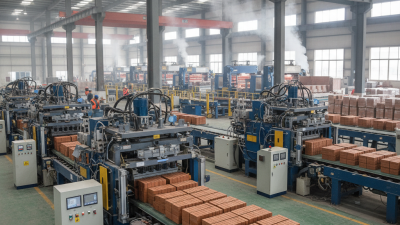
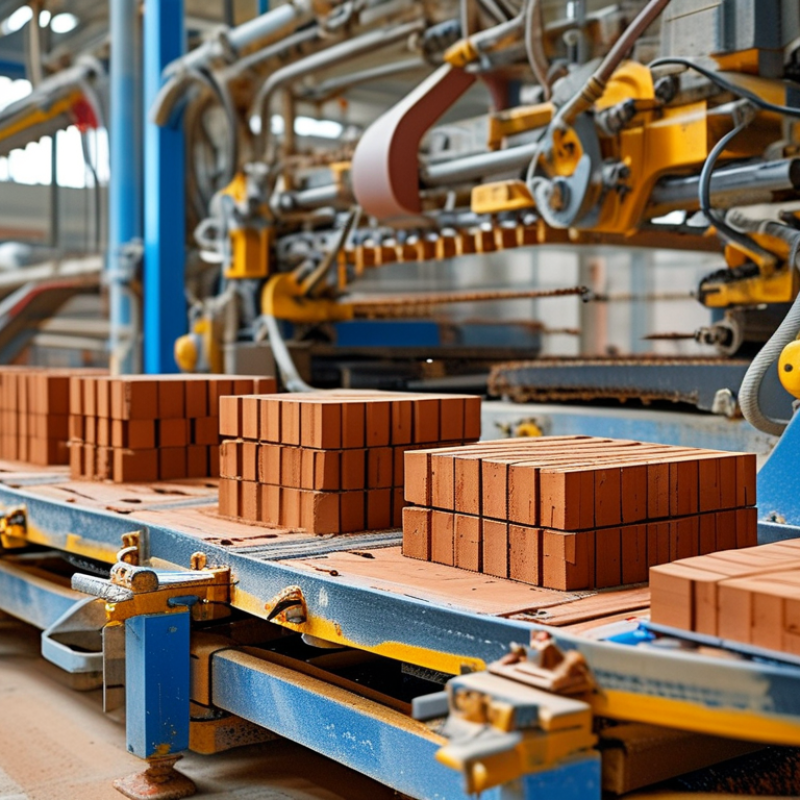
An automatic brick production line is an integrated system for making uniform bricks with limited manual handling. An Automatic Brick Machine usually forms, presses, and releases bricks through programmed cycles. The line may include a raw material mixer, conveyor, hydraulic press, pallet feeder, curing system, and stacking unit. Each section must match the next one. Poor coordination can create delays, surface cracks, or uneven dimensions.

In practical operation, workers load measured aggregates, cement, water, and approved additives into the mixing unit. Sensors monitor material levels and help maintain consistent production. The molding machine then applies controlled pressure inside steel molds. Fresh bricks move carefully to a curing area, where moisture and temperature affect their final strength. Proper curing matters greatly. A rushed cycle can weaken the product.

Experienced operators still inspect samples during each shift. They check size, edges, density, and visible cracks. Digital controls improve repeatability, but they cannot replace judgment. Dust, worn molds, and incorrect moisture can disturb an otherwise stable process. This is where real production experience becomes valuable. No line performs perfectly every day. Regular cleaning, calibration, and maintenance reduce unexpected stoppages. Local building standards should also guide material selection, testing, and product quality before commercial use.

How Does an Automatic Brick Production Line Work?

An automatic brick production line turns measured raw materials into uniform masonry units with limited manual handling. The process begins with calibrated feeders. Cement, sand, aggregate, and water enter separate bins, while sensors control their amounts. Even a small moisture change can affect brick strength and surface texture.

The Brick Machine Automatic system then sends the mixture to a compulsory mixer. Mixing must be consistent, not merely fast. A conveyor transfers the damp material into molds, where vibration removes trapped air. Hydraulic pressure shapes each brick and controls its density. Fresh units move onto pallets, usually through an automatic stacker. The control cabinet coordinates timing, pressure, vibration, and material flow.

Curing needs patience.

In a controlled curing chamber, heat and humidity help the bricks gain strength gradually. Operators still inspect edges, dimensions, and visible cracks after demolding. Regular testing should check compressive strength, water absorption, and weight variation. These results reveal whether the mix design or machine settings need adjustment.

The line can reduce labor and improve repeatability, but automation does not remove responsibility. Poor calibration may produce thousands of defective bricks before anyone notices. Cleaning the mixer, checking hydraulic seals, and reviewing sensor data are practical daily tasks. Some production sites focus too heavily on speed. That is a mistake worth reconsidering. A reliable line should balance output, energy use, maintenance access, worker safety, and consistent product quality.

Which Materials Are Used in Brick Manufacturing?

2026 Best Automatic Brick Production Line for Sale

Which materials are used in brick manufacturing? The answer begins with clay, shale, sand, water, and carefully selected mineral additives. Clay supplies plasticity, while shale can improve body strength and reduce drying shrinkage. Sand adjusts texture and limits deformation during firing. Water activates the mix, but excessive moisture increases drying time and energy demand.

The U.S. Geological Survey’s Mineral Commodity Summaries 2025 reports approximately 25 million metric tons of common clay and shale production in the United States. This volume shows why consistent raw-material testing matters. In an automatic brick production line, crushers, box feeders, mixers, and extruders must handle changing particle sizes. A practical blend often contains 60–80% clay-rich material, although local geology can change that range.

Manufacturers may add grog, fly ash, iron-bearing minerals, or recycled fines. Grog improves dimensional stability after firing. Iron compounds create red or brown shades, but color can shift with kiln atmosphere. The European Commission’s Ceramic Manufacturing BREF reports typical brick-firing energy use near 1.2–3.5 GJ per tonne. Lower moisture and uniform feeding can reduce waste, though not every factory achieves this consistently.

Small details matter. A recipe that works in summer may fail in winter. Laboratory trials should measure plasticity, drying shrinkage, water absorption, and fired strength before full-scale production. That discipline is sometimes skipped. It should not be.

2026 Best Automatic Brick Production Line for Sale — Which Materials Are Used in Brick Manufacturing?

A typical fired-clay brick production mix is dominated by clay or shale, with sand used to control shrinkage and texture. Water provides the moisture needed for extrusion and pressing, while small quantities of mineral additives can adjust color, strength, or firing behavior. Actual proportions vary according to local raw materials and brick specifications.

What Equipment Makes Up a Complete Brick Production Line?

A complete brick production line begins before the press. Consistent raw material preparation controls every later step. Clay, sand, cement, or other approved binders are crushed, screened, and stored in separate bins. A batching system measures each ingredient, while a mixer adds water gradually. This matters. Too much moisture can deform fresh bricks; too little can leave weak edges. Operators should check workability by hand and record moisture changes during each shift.

The core unit is an Automatic Brick Making Machine. It fills molds, applies controlled vibration or pressure, and releases green bricks onto pallets. The line also needs pallet feeders, conveyors, mold sets, and a hydraulic or electric power system. A control cabinet coordinates timing and alarms. Yet automation is not magic. Sensors need cleaning, molds need alignment, and worn seals can change pressure. Field experience shows that small calibration errors may produce uneven corners across an entire pallet.

After forming, a transfer system moves pallets to a curing area. Steam curing may suit some concrete products, while controlled natural curing suits others. Racks, ventilation, temperature monitoring, and safe pallet circulation protect product quality. A finished line should include a brick tester, weighing tools, dust collection, and maintenance access. Space planning is often underestimated. Leave room for inspection, cleaning, and future adjustments, even when the initial output target seems modest.

How to Choose the Best Brick Production Line for Sale in 2026?

2026 Best Automatic Brick Production Line for Sale

Choosing the best brick production line for sale in 2026 requires more than comparing output figures. Start with your target products, daily capacity, and available floor space. A line producing 20,000 blocks per hour may be unsuitable for a small construction market. Measure your raw materials first. Test the moisture, particle size, and cement ratio before selecting equipment.

Inspect the complete process, including batching, mixing, molding, pallet transfer, curing, and stacking. Automatic controls should provide stable weighing and clear fault alerts. Ask for verified production data, not only brochure estimates. Request a trial using your local materials. Small changes in sand quality can affect block strength and surface finish. This detail is easy to overlook.

Energy use also matters. Compare motor efficiency, cycle time, mold replacement costs, and routine maintenance. Check whether operators can learn the control system quickly. Spare parts should be available through a dependable supply channel. Service response deserves equal attention. A cheaper line can become expensive after repeated stoppages. I would not choose maximum automation blindly. It may reduce labor, but it can increase repair complexity. Sometimes, a simpler system fits the factory better. Review safety functions, installation requirements, and compliance with applicable local standards. Leave room for future molds and moderate capacity growth. The best choice is practical, testable, and suited to your actual production conditions.

What Factors Affect Brick Production Line Costs and Performance?

2026 Best Automatic Brick Production Line for Sale

What Factors Affect Brick Production Line Costs and Performance?

The price of an automatic brick production line depends on capacity, automation, energy use, and soil preparation. A compact line may cost less, but its output can fall sharply when moisture changes. Moisture is decisive. Soil grading, clay content, and sand ratios also influence pressure, mold wear, and rejection rates. An Automatic Mud Brick Making Machine needs stable material feeding, accurate compaction, and controlled curing to deliver consistent strength.

Energy deserves careful attention. The 2023 UNEP Global Status Report for Buildings and Construction reported that buildings created 37% of global energy-related and process emissions in 2022. This figure does not measure brick lines directly, but it highlights why efficient motors, shorter drying cycles, and heat recovery matter. Buyers should compare energy use per 1,000 bricks, not only the machine’s purchase price. A low quotation can conceal expensive maintenance, weak spare-parts support, or high power consumption.

Tips: Request a soil test before selecting molds. Ask for verified output under similar raw-material conditions. Check brick strength, dimensional tolerance, and rejected-unit rates during a full production trial. Also inspect the curing area, because poor airflow can damage otherwise well-pressed bricks. No model replaces field testing. I would treat optimistic capacity claims carefully; real production often drops during wet weather, operator changes, or routine cleaning. The GlobalABC report supports reducing material and operational emissions, but each project still needs local energy and climate data.

2026 Best Automatic Brick Production Line for Sale - What Factors Affect Brick Production Line Costs and Performance?

Production Line Type Typical Output Capacity Approximate Equipment Cost Installed Power Automation Level Typical Labor Requirement Energy Consumption Recommended Application Performance Considerations
Small Automatic Concrete Block Line 4,000–8,000 standard blocks per 8-hour shift US$80,000–US$180,000 45–90 kW Automatic batching, molding, and pallet transfer; manual product stacking may be required 4–7 operators per shift Approximately 18–28 kWh per 1,000 standard blocks Residential projects, local construction suppliers, and small-to-medium production sites Lower initial investment and simpler maintenance, but limited output and less process redundancy
Medium Automatic Hollow Block Line 10,000–20,000 standard blocks per 8-hour shift US$180,000–US$420,000 90–180 kW Automatic material feeding, mixing, molding, curing transfer, and pallet circulation 5–8 operators per shift Approximately 15–24 kWh per 1,000 standard blocks Commercial buildings, public infrastructure, and regional block distribution Good balance between production capacity, labor efficiency, product consistency, and operating cost
Large Automatic Paver and Block Line 20,000–40,000 standard blocks per 8-hour shift US$420,000–US$900,000 180–350 kW Fully automatic batching, molding, pallet handling, curing transfer, and stacking 6–10 operators per shift Approximately 13–22 kWh per 1,000 standard blocks Large-scale construction material plants and high-volume infrastructure projects High throughput and stable quality; requires stronger foundations, skilled maintenance, and reliable utilities
Automatic Interlocking Paver Line 15,000–35,000 pavers per 8-hour shift US$300,000–US$750,000 120–280 kW Automatic color mixing, precision molding, pallet circulation, and product stacking 6–9 operators per shift Approximately 16–25 kWh per 1,000 pavers Road paving, landscaping, parking areas, walkways, and municipal projects Product accuracy depends heavily on mold quality, vibration control, aggregate grading, and moisture consistency
Automatic AAC Block Production Line 100–400 m³ per day US$1,500,000–US$5,000,000 800–2,500 kW, excluding some steam-generation equipment Automatic batching, casting, cutting, autoclaving, and finished-product handling 18–35 operators per shift Approximately 70–120 kWh per m³, depending on steam and curing efficiency Large-scale lightweight wall and thermal-insulation block manufacturing High capital cost and complex utilities; performance depends on autoclave control, cutting precision, and process safety
Automatic Clay Brick Tunnel-Kiln Line 80,000–250,000 bricks per day US$2,000,000–US$8,000,000 500–2,000 kW, excluding kiln fuel demand Automatic preparation, extrusion, cutting, drying, kiln loading, firing, and unloading 20–45 operators per shift Thermal energy commonly ranges from 1.2–2.5 MJ per fired brick, depending on brick size and kiln efficiency High-volume fired-brick manufacturing with suitable clay reserves and industrial land Fuel efficiency, clay preparation, drying control, kiln insulation, and emissions management strongly affect total cost
High-Speed Multi-Product Line 30,000–60,000 products per 8-hour shift US$750,000–US$1,800,000 250–500 kW Integrated recipe management, automatic mold changing, robotic stacking, and production monitoring 8–14 operators per shift Approximately 12–20 kWh per 1,000 concrete products Manufacturers producing blocks, pavers, curbs, and special concrete products Flexible product range and high labor productivity, but mold-change time and software integration affect utilization

Note: Cost and performance figures are indicative 2026 market ranges for complete production systems and may vary according to capacity, product size, mold configuration, automation scope, curing method, shipping distance, civil works, installation, utility requirements, and local labor costs. Actual output depends on raw-material quality, mix design, machine cycle time, curing conditions, maintenance, and operating hours.

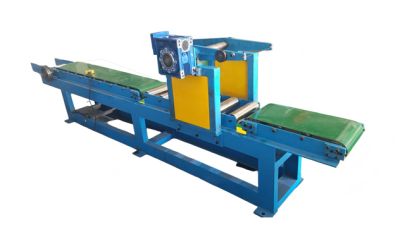
Servo Clay Brick Cutting Machine: Precision, Efficiency, and Production Applications

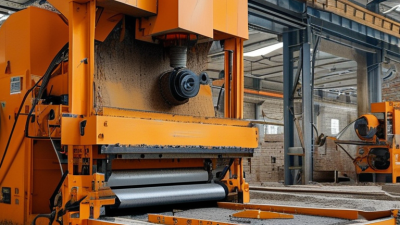
Servo clay brick cutting machines are designed for high-precision shaping in modern brick production. Using a high-performance servo drive, the cutting wire moves with controlled speed and consistent positioning, producing smooth cuts with lower operating noise than many pneumatic or mechanical systems. This accuracy helps maintain uniform brick dimensions, reduce edge damage, and improve the quality of green bricks before drying and firing. According to industry analyses from Grand View Research, the global bricks market is expected to continue expanding through the decade, increasing demand for automated equipment that can support stable, large-scale output.

The machine’s relatively simple structure also contributes to easier maintenance and shorter service interruptions. Compared with traditional pneumatic and mechanical cutters, servo-based systems provide more flexible control over cutting length, speed, and synchronization with the extrusion line. This makes them suitable for standard clay bricks, perforated bricks, and other customized formats. Research published by the International Energy Agency highlights the importance of productivity and process optimization in energy-intensive manufacturing; accurate cutting can support this objective by reducing material waste and limiting rework before kiln processing.

In continuous production applications, smooth servo cutting helps maintain a consistent production rhythm while reducing vibration and unnecessary mechanical impact. Operators can adjust parameters through a digital control system, allowing manufacturers to respond efficiently to changing product specifications and market requirements.

FAQS

How does an automatic brick production line work?

Calibrated feeders measure cement, sand, aggregate, and water. Sensors help maintain consistent quantities. A conveyor sends the mixture to a compulsory mixer. The mixer must blend evenly, not merely quickly. Vibration removes trapped air inside the molds. Hydraulic pressure shapes the fresh bricks. Pallets then carry the units toward curing. Operators still inspect edges and visible cracks.

Which equipment is needed for a complete brick production line?

A complete line usually includes crushers, screens, storage bins, feeders, mixers, molds, conveyors, and pallet systems. It also needs a forming machine, control cabinet, curing area, and stacking equipment. Testing tools are useful. Weighing scales, strength testers, and dust collection systems support quality control. Maintenance access should be included during layout planning.

Why is raw material preparation important?

Raw materials affect every later stage. Uneven particle sizes can create weak corners or rough surfaces. Crushing and screening improve consistency. Separate bins reduce accidental mixing between materials. Moisture requires close attention. Too much water may deform fresh bricks, while too little can weaken edges.

How does moisture affect brick quality?

Moisture changes workability, density, surface texture, and early strength. Small changes can affect an entire pallet. Operators should record moisture conditions during each shift. A simple hand check can reveal unusual stiffness. Still, hand checks are imperfect. Laboratory testing remains necessary.

What should buyers check before choosing a production line?

Buyers should compare target products, daily capacity, floor space, raw materials, and local demand. A very high-output line may overwhelm a small market. More capacity is not always better. Request verified production data. A trial using local sand and cement provides stronger evidence than estimates.

How important are curing conditions?

Curing allows fresh bricks to gain strength gradually. Controlled heat and humidity can improve consistency. Some products suit steam curing. Others may use controlled natural curing. Temperature, ventilation, racks, and pallet movement need monitoring. Curing cannot be rushed safely.

What maintenance does an automatic brick line require?

Workers should clean the mixer, inspect sensors, check hydraulic seals, and review alarm records daily. Molds need alignment checks. Worn seals can change pressure and create uneven dimensions. Small errors spread quickly. That risk is easy to underestimate. A practical maintenance schedule reduces unexpected stoppages.

Can automation guarantee consistent brick quality?

No. Automation improves repeatability, but it does not replace inspection or responsible decisions. Poor calibration may produce thousands of defective bricks before detection. Test compressive strength, water absorption, weight variation, and dimensions regularly. Speed alone is a weak goal. A reliable line balances output, energy, safety, access, and product quality.

Conclusion

An Automatic Brick Production Line is an integrated system designed to transform raw materials into consistent, high-quality bricks with minimal manual handling. It typically combines material storage, crushing, screening, batching, mixing, pressing, curing, and packaging equipment. During operation, suitable materials such as cement, sand, aggregates, fly ash, or other approved mineral-based resources are accurately measured, mixed with water, shaped under pressure, and cured to achieve the required strength and durability.

When selecting the best brick production line for sale in 2026, buyers should consider production capacity, brick size flexibility, automation level, energy consumption, maintenance requirements, workspace, and after-sales technical support. Total cost is influenced by equipment configuration, raw material preparation, mold design, labor needs, transportation, installation, and ongoing operating expenses. A well-planned Automatic Brick Production Line can improve product consistency, reduce waste, optimize labor efficiency, and support stable long-term manufacturing performance.
Evelyn

Evelyn

Evelyn is a dedicated marketing professional at We Henan Cadier Green Building Technology Co., Ltd., where she has been instrumental in promoting the company’s innovative solutions in energy-saving and environmentally friendly wall materials since 2009. With a deep understanding of the industry and......
Previous 2026 Top Brick Oven Manufacturers for Global Buyers?