
Blog
How Mixing, Stirring & Aging Improve Raw Material Preparation for Fired Bricks and Tiles?
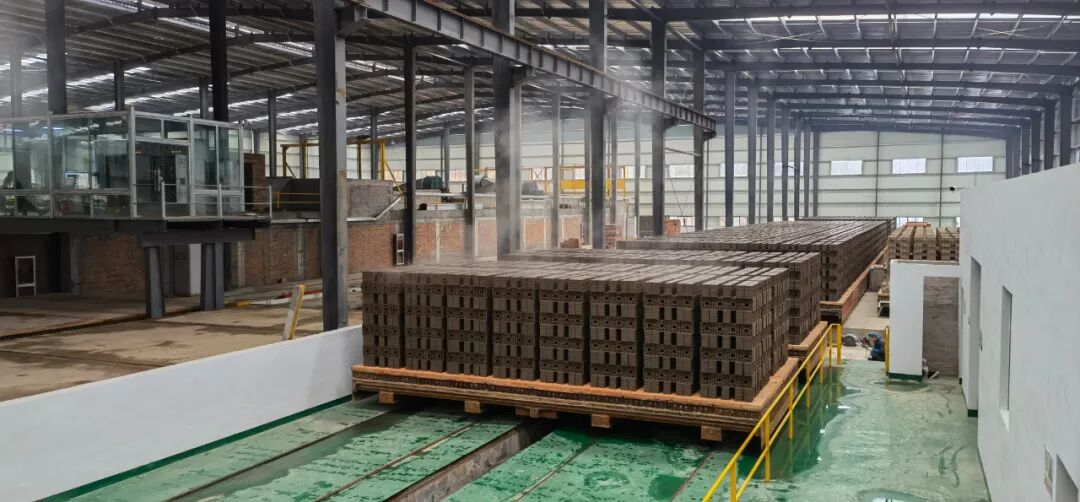
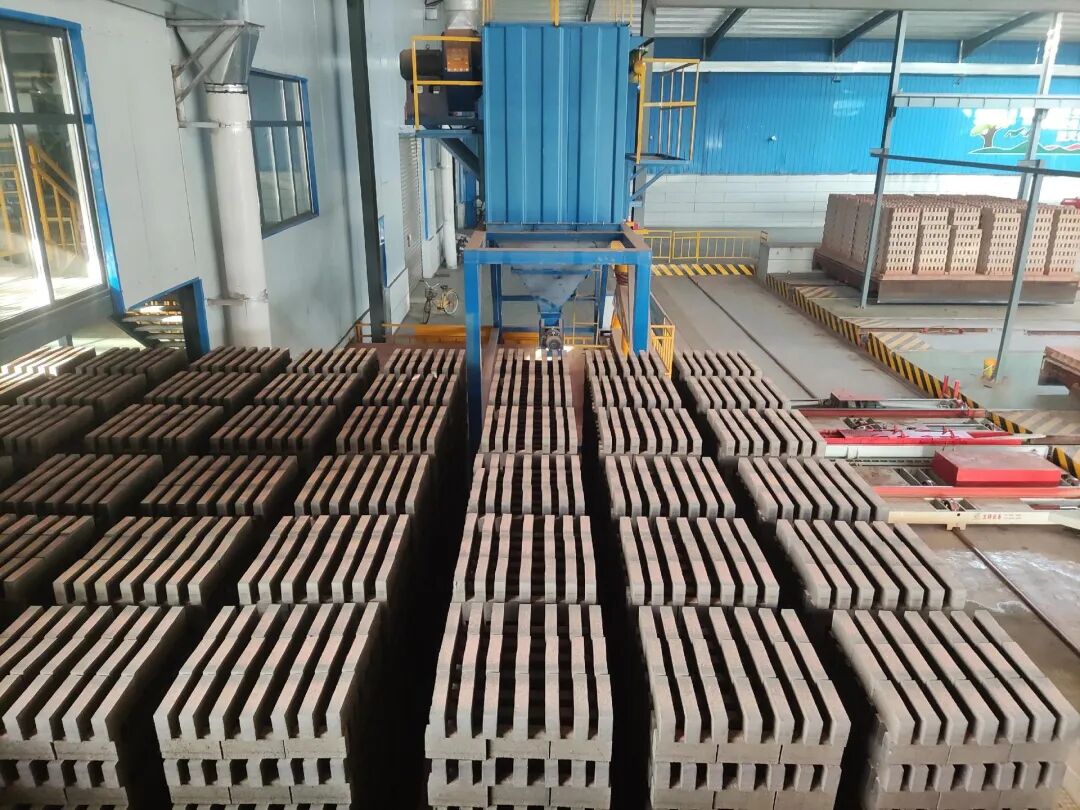
To achieve stable, high-strength and smooth-surface fired brick and tile products, factories must adopt standardized raw material mixing, stirring and aging treatment processes to optimize raw material physical and chemical performance. These two processes work together to optimize the physical and chemical properties of brick and tile raw materials, solve the problems of poor blank moldability and low finished product qualification rate, and are the core technical guarantees for high-efficiency and high-quality production in the modern brick and tile manufacturing industry.
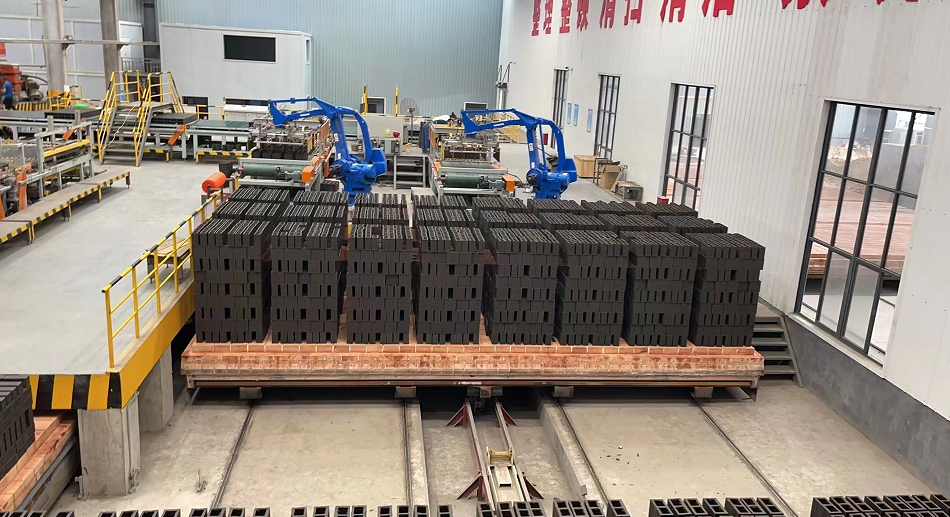
How Can a Brick Stacking Robot Improve Green Brick Handling?
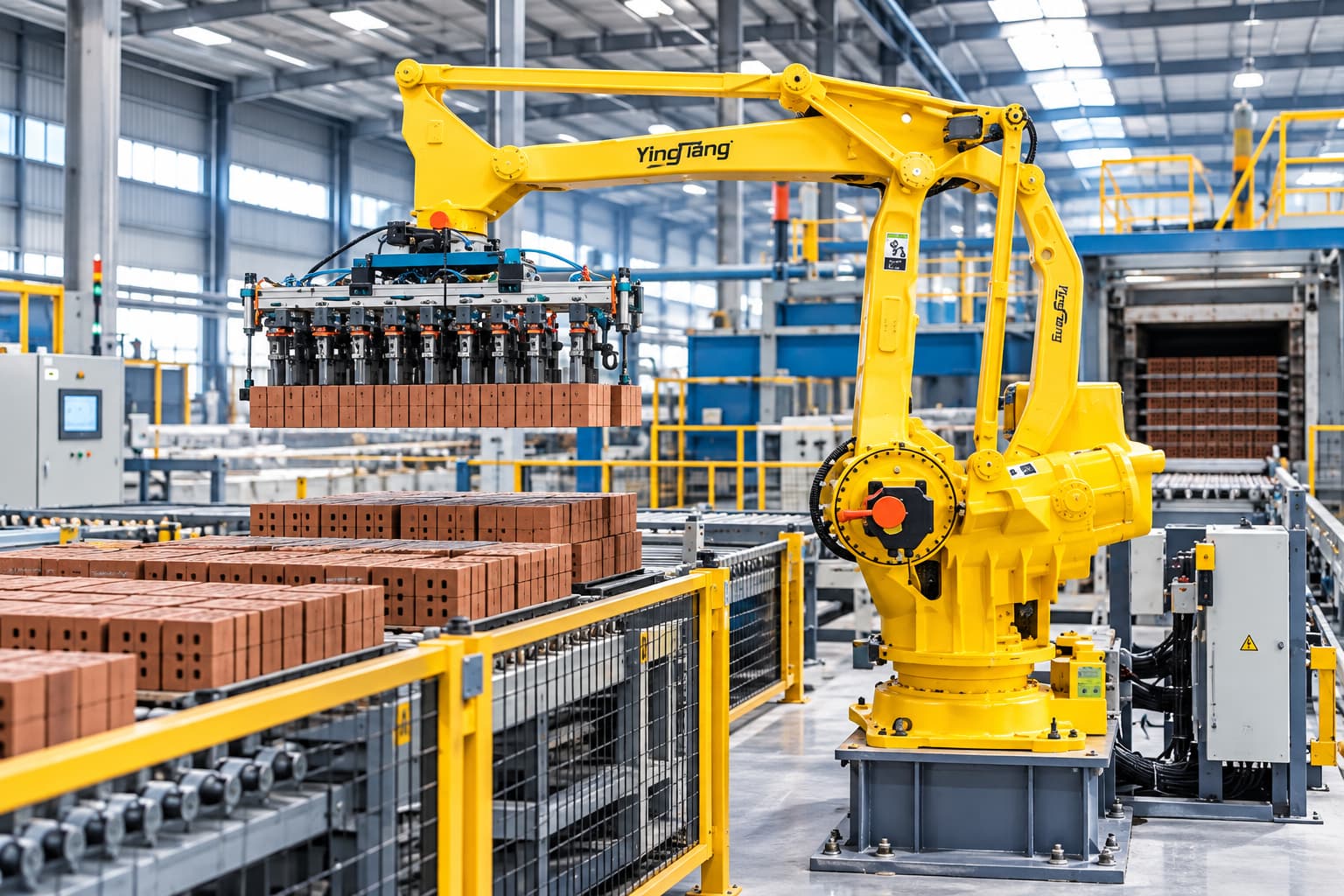
In brick manufacturing, the process does not end after extrusion and cutting. Freshly formed green bricks must be transferred and arranged before drying and firing.
Coal Gangue Fired Brick Manufacturing: Raw Material Preparation Forming Drying and Firing Best Practices
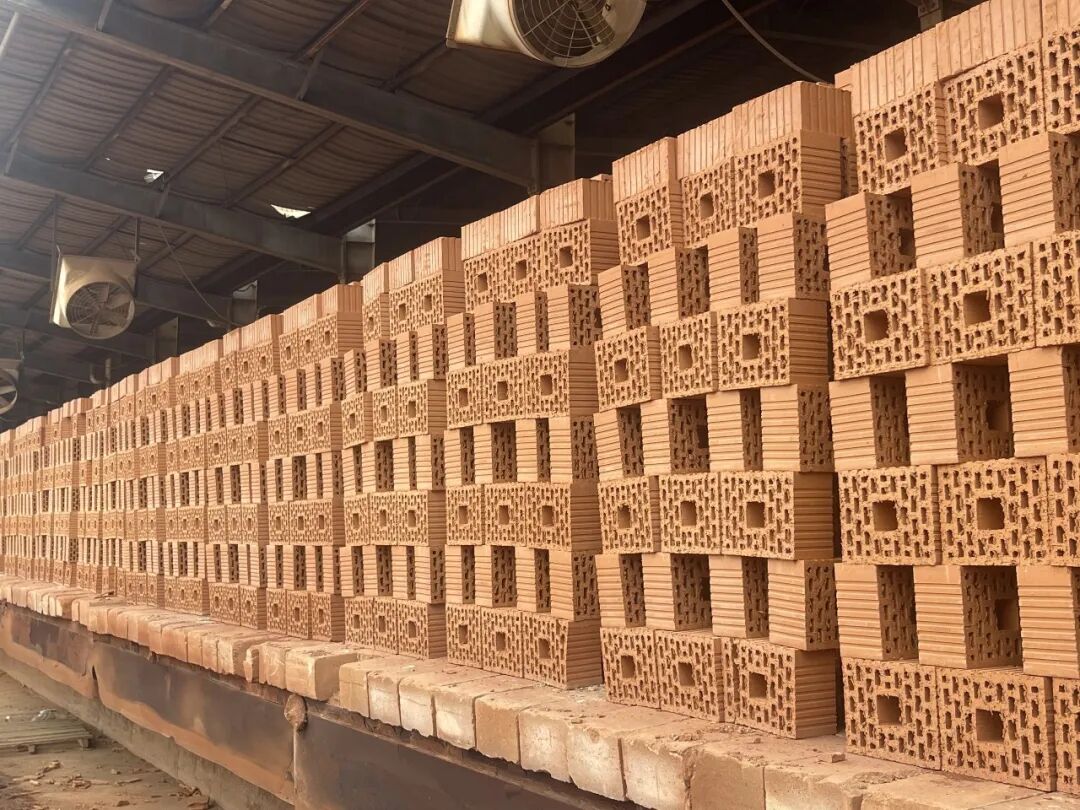
Coal gangue fired brick production turns coal gangue waste into eco-friendly wall construction material. The design of your automatic brick plant and fired brick production line will be customized according to raw material features and capital budget. Investors can select full-auto or semi-auto configurations. All production links including crushing, aging, extrusion forming, drying and firing need precise control to avoid waste and guarantee stable quality of finished fired brick.
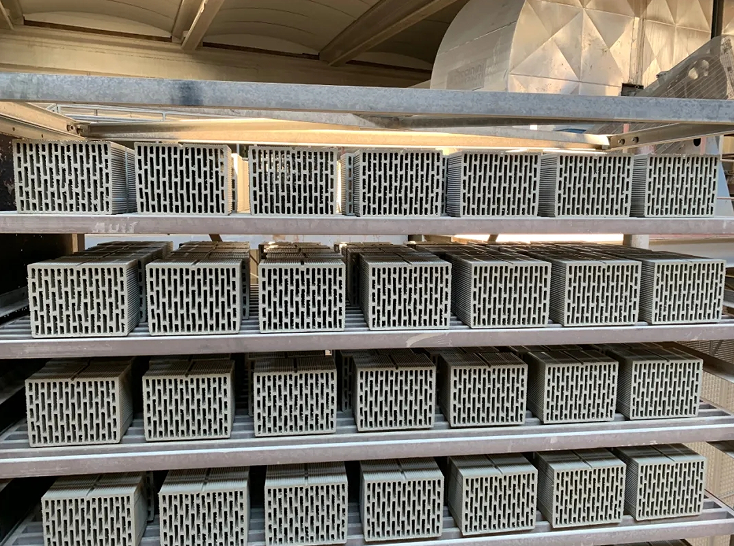
Causes and Practical Solutions for Fast Drying Cracks in Brick Green Body
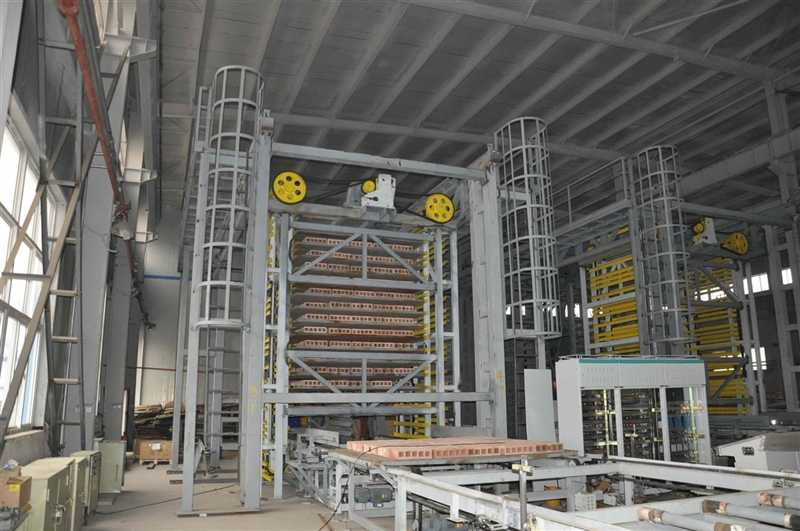
Brick green body cracking during the drying process is one of the most common quality defects in the automatic brick setting system production line. Excessively fast drying speed is the core trigger for green body cracks, which severely affects brick product yield and finished brick quality in the brick and tile manufacturing industry. Reasonable control of the drying process is the key to eliminating such industrial defects.
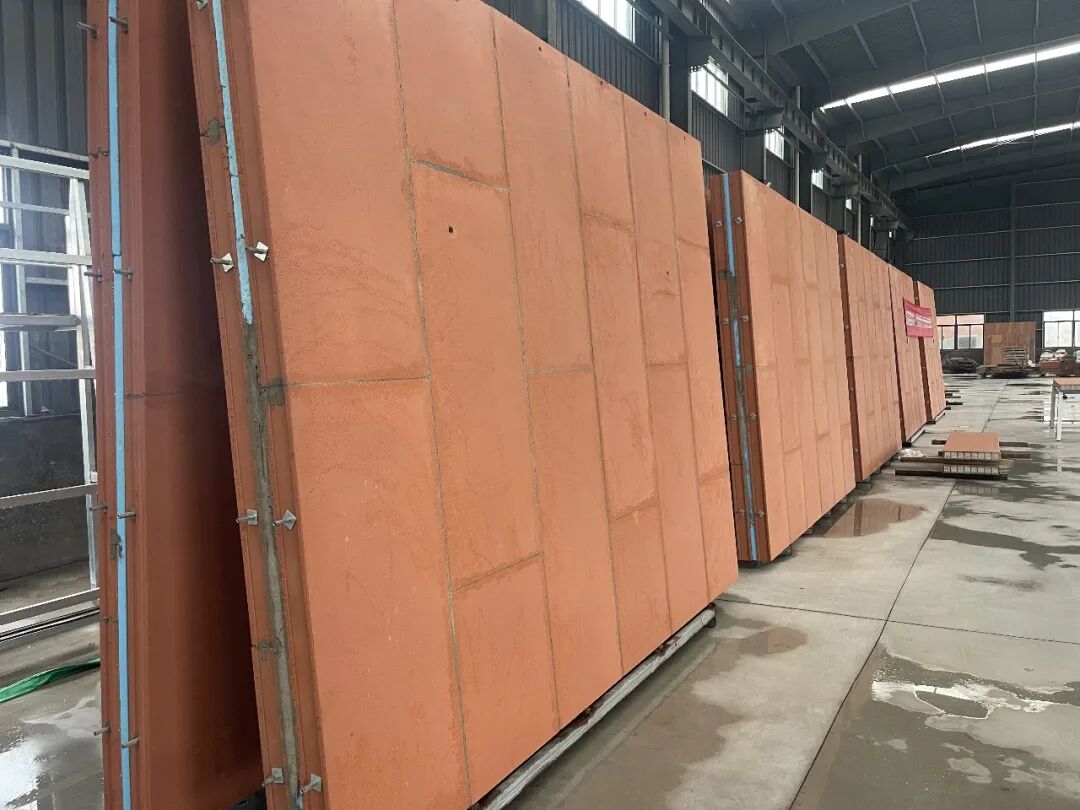
Reduce Energy Consumption in Brick Kilns: Key Principles for Green Brick Firing
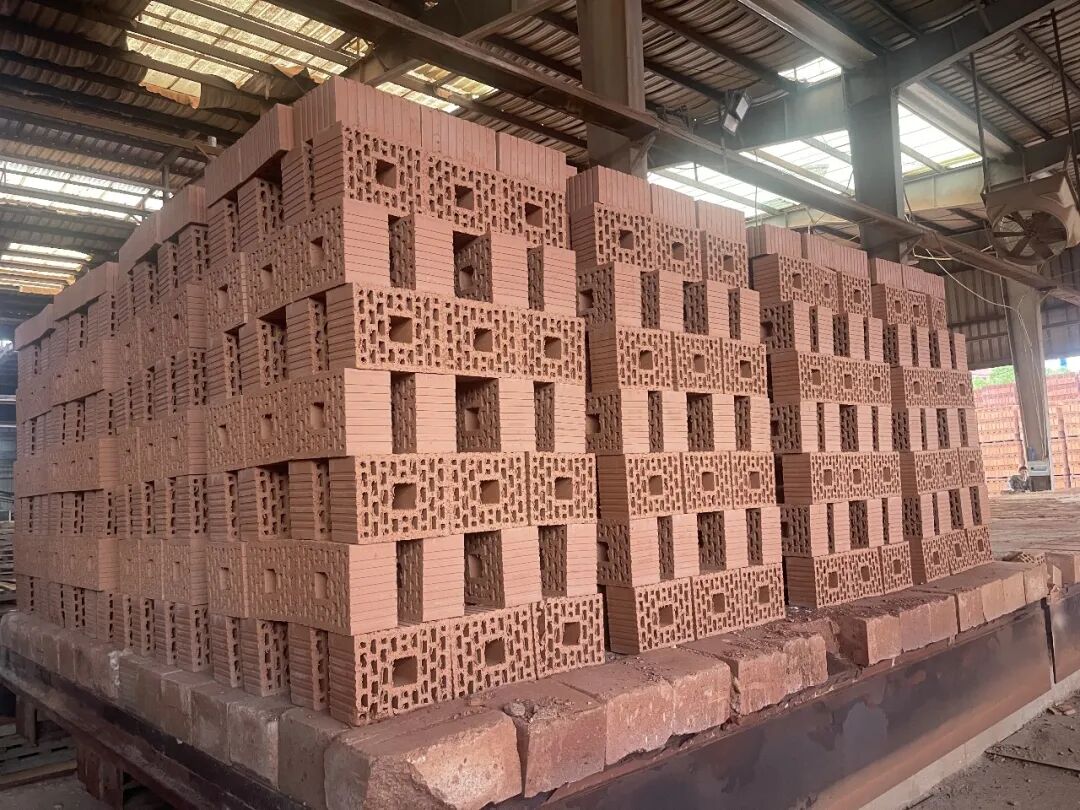
Energy saving is a permanent topic for fired brick manufacturers. To achieve reliable brick firing energy saving, enterprises need to master four core principles: complete fuel combustion, optimized kiln heat exchange, scientific brick stacking, and standardized kiln operation. Every link interacts closely and affects the final energy consumption of tunnel kiln.
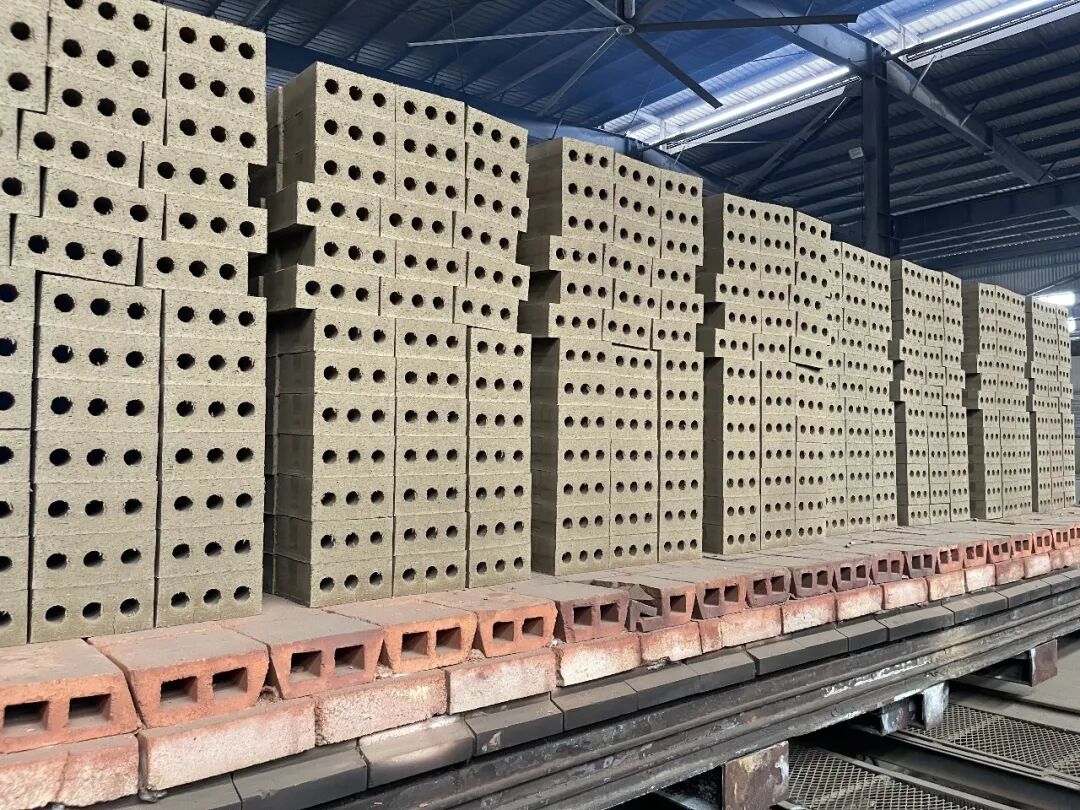
Drying Mechanism and Technical Optimization of Fired Brick Production
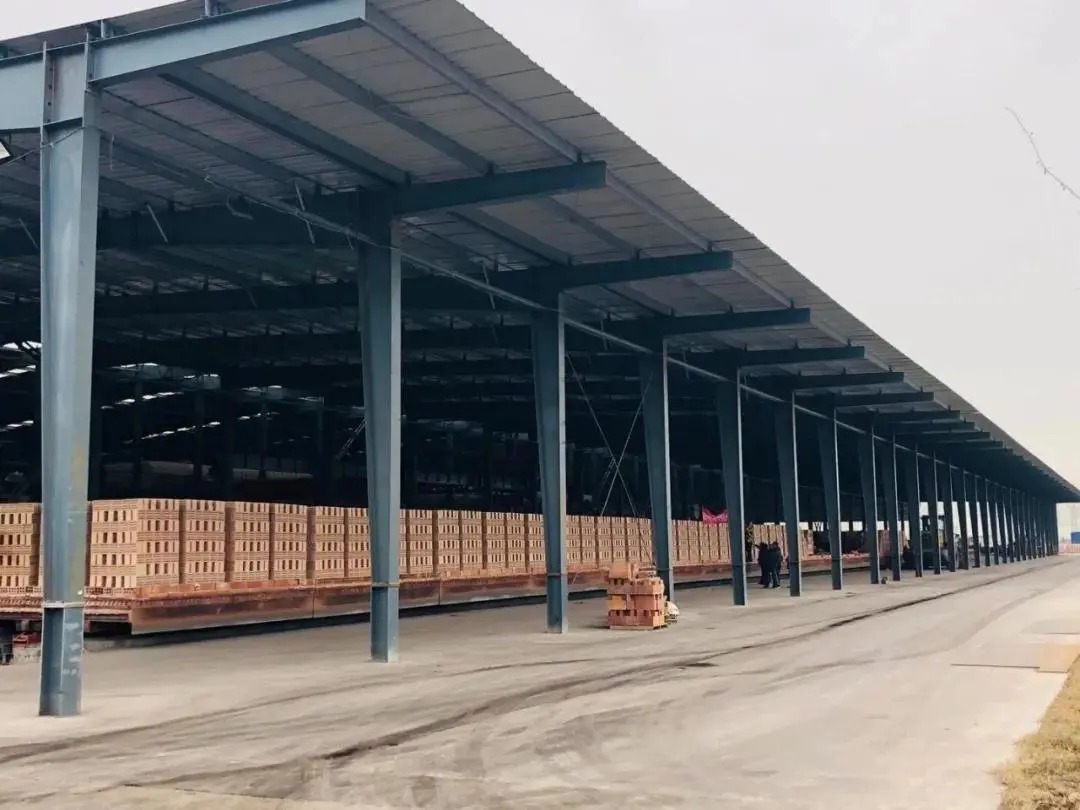
In the fired brick manufacturing industry, most production quality and output problems stem from unreasonable drying technology rather than kiln firing defects. As a key intermediate process between brick molding and high-temperature firing, green brick drying determines the structural stability and yield of final fired bricks. All types of brick production lines, from traditional manual natural drying equipment to fully automatic tunnel kiln production lines, are restricted by green brick drying performance.
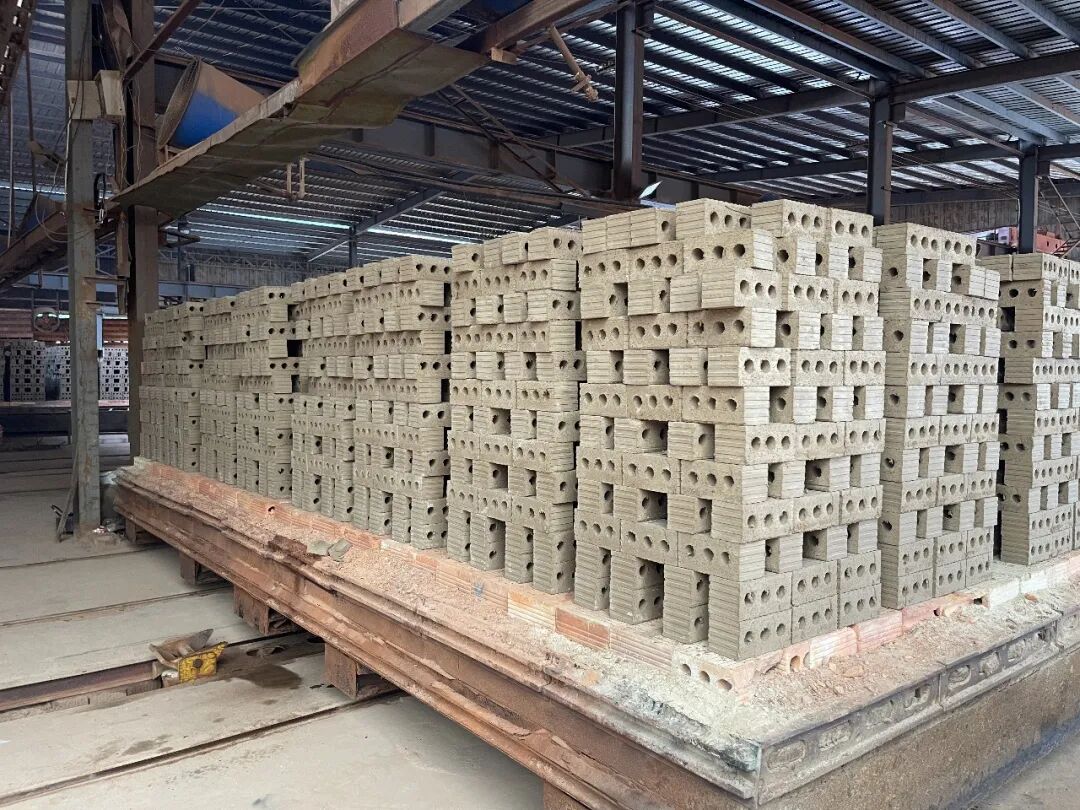
Practical Operational Measures to Speed Up Tunnel Kiln Firing and Improve Fired Brick Quality
Stable and high‑efficiency firing is the core of daily operation management for brick tunnel kiln production lines. Most brick factories face common problems such as slow firing speed, low output, high fuel waste, and frequent defective bricks caused by irregular operation and unreasonable process settings. By optimizing fuel processing, coal feeding operation, temperature control and product structure, factories can effectively accelerate kiln firing, stabilize product quality, and improve overall operational efficiency of automatic brick plant.
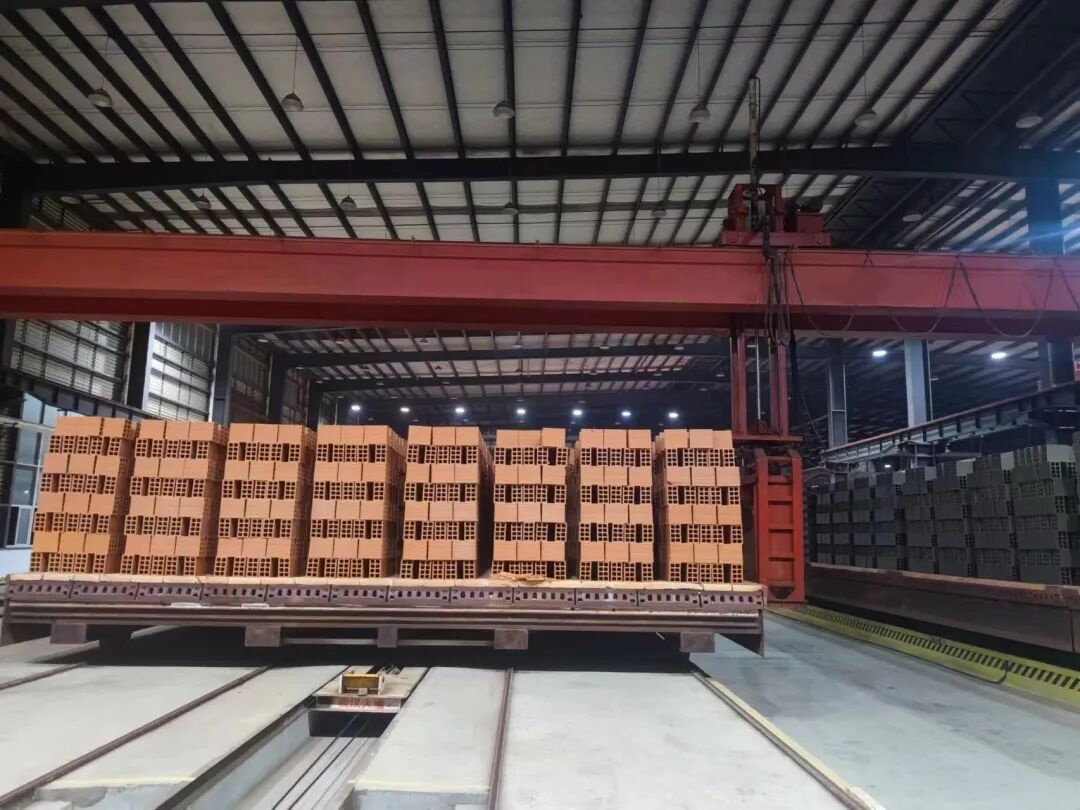
Technical Handbook: Turning Low‑Grade Coal Gangue into Durable Fired Bricks for Building Construction
Coal gangue is massive solid waste discharged during coal mining operations. Converting low‑grade coal gangue into durable fired brick is a practical circular‑economy solution for mining zones. Nevertheless, low‑grade coal gangue normally features unstable calorific value, poor plasticity and harmful trace minerals. Without standardized technical handling, manufacturers will face forming difficulty, cracking, black core, lime bursting and efflorescence. This article delivers field‑proven operational know‑how covering raw‑material testing, internal‑combustion firing control, vacuum extruder forming optimization, drying‑firing configuration and typical defect troubleshooting for your custom brick‑making solution.
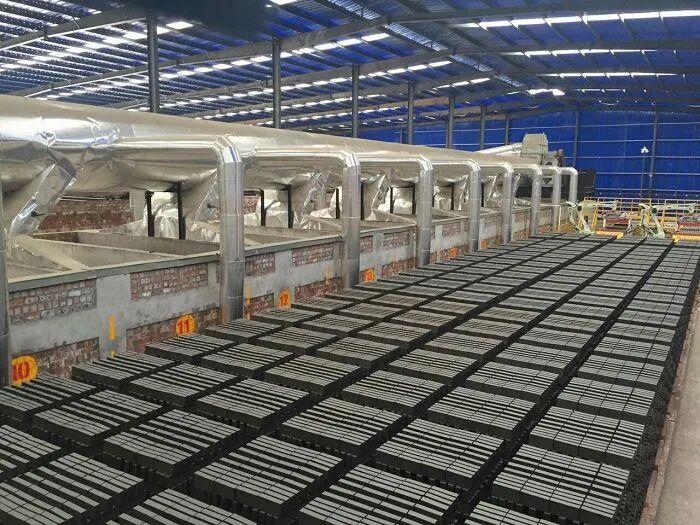
Durability and Structural Stability: Clay Bricks vs Traditional Building Materials
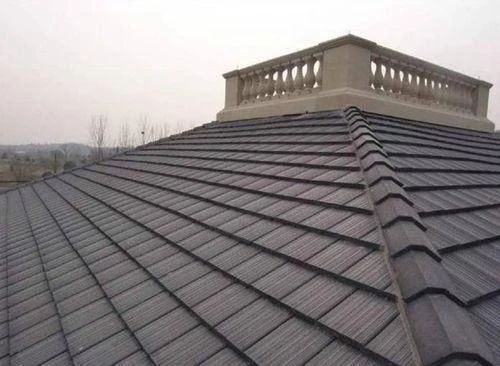
Tile Factory Investment Analysis: ROI and Application Value of Automatic Hydraulic Clay Roof Tile Press Machine
Driven by global residential renovation, luxury villa construction and heritage‑building restoration projects across Europe, Latin America, Southeast Asia and Africa, demand for high‑quality fired clay roof tiles keeps steady year‑on‑year growth. Unlike commodity building materials trapped in fierce price competition, custom‑profiled clay tiles, special fitting tiles and premium terracotta roofing components carry healthy profit margins. These products are widely specified for high‑end private villas, resort hotels, local heritage building rehabilitation and boutique commercial projects, representing a profitable niche for brick‑and‑tile manufacturers and new investors worldwide.