请留言
The Seoul Metropolitan Area (Sudogwon), comprising Seoul, Gyeonggi Province, and Incheon, is undergoing one of East Asia’s most sophisticated architectural transformations. Driven by the South Korean government’s ambitious Net-Zero 2050 framework, the Korea Green New Deal, and rigorous smart city redevelopment mandates under the Seoul Metropolitan Government, the requirement for high-specification brick manufacturing machinery has achieved unprecedented heights. Henan Cadier Green Building Technology Co., Ltd. serves this dynamic market by delivering state-of-the-art brick making plants and auxiliary equipment engineered to fulfill the stringent architectural, mechanical, and ecological parameters demanded by South Korean industrial standards (KS F 4004 / KS F 4419).
Seoul’s contemporary urban regeneration projects in historic industrial districts like Seongsu-dong (celebrated as Seoul's Brooklyn) and Euljiro depend heavily on premium exposed clay bricks, split face tiles, and terracotta textures. Modern machinery must yield consistent hue, precise edge fidelity, and superior compressive resilience.
South Korea enforces stringent recycling laws. Modern Seoul brick manufacturers integrate industrial byproducts—including refined coal fly ash, bottom slag, excavated granite slurry, and riverbed silt—demanding high-torque vacuum extruders with ultra-wear-resistant alloys capable of handling abrasive compound materials.
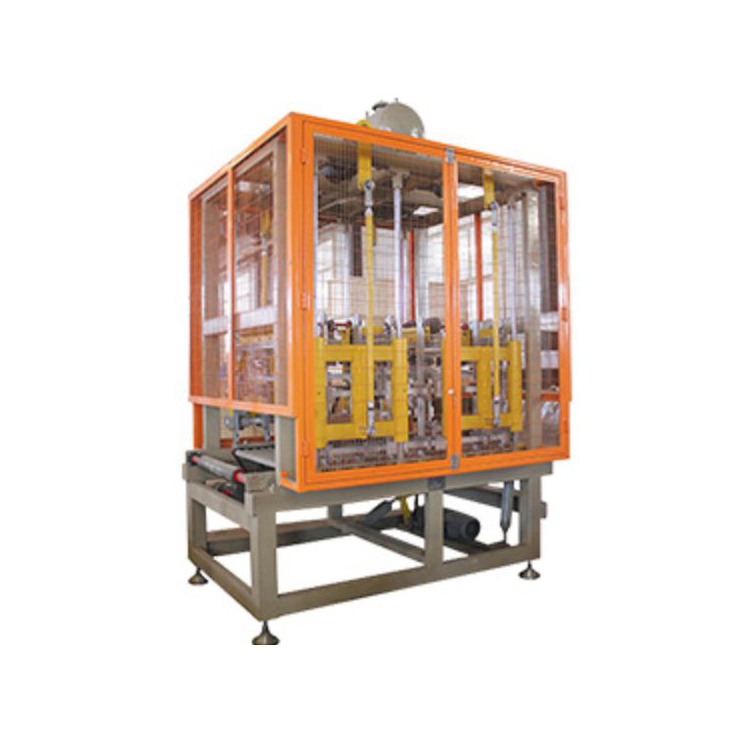
With South Korea’s aging demographic and escalating manufacturing labor costs, brick fabrication facilities in neighboring Gyeonggi clusters (such as Hwaseong, Pyeongtaek, and Icheon) require turnkey robotic stacking, vision-guided cutting systems, and centralized SCADA-controlled production lines.
Architectural studios across Gangnam, Mapo, and Pangyo Techno Valley are championing perforated brick façades, multi-tone terracotta cladding, and porous interlocking pavement for sponge city infrastructure along the Han River basin. Permeable clay pavers made from our heavy vacuum extrusion machines minimize urban heat island effects and mitigate sudden storm surface runoff across Seoul's high-density districts.
Operating in compliance with South Korea’s Clean Air Conservation Act requires precise thermal insulation and zero-leakage kiln systems. Cadier’s patented tunnel kilns and energy-efficient vacuum extrusion lines achieve thermal recuperation rates exceeding 85%, significantly curbing liquefied natural gas (LNG) or biomass consumption for local producers.
We Henan Cadier Green Building Technology Co.,Ltd are dedicated to the overall solution of large-scale production line of new energy-saving and environmentally friendly wall materials and the integration of high-end building resources since 2009.
Our company covers an area of 41,000 square meters, including 15,600 square meters for production workshops and 4,000 square meters for office, R&D centers and supporting buildings. It currently has multiple engineers and more than 60 mid-to-senior technical personnel.
Serving world-class construction hubs like Seoul, we bring heavy-duty metallurgy, intelligent robotic material handling, and state-of-the-art kiln thermodynamics to international projects requiring uncompromised operational uptime and structural consistency.
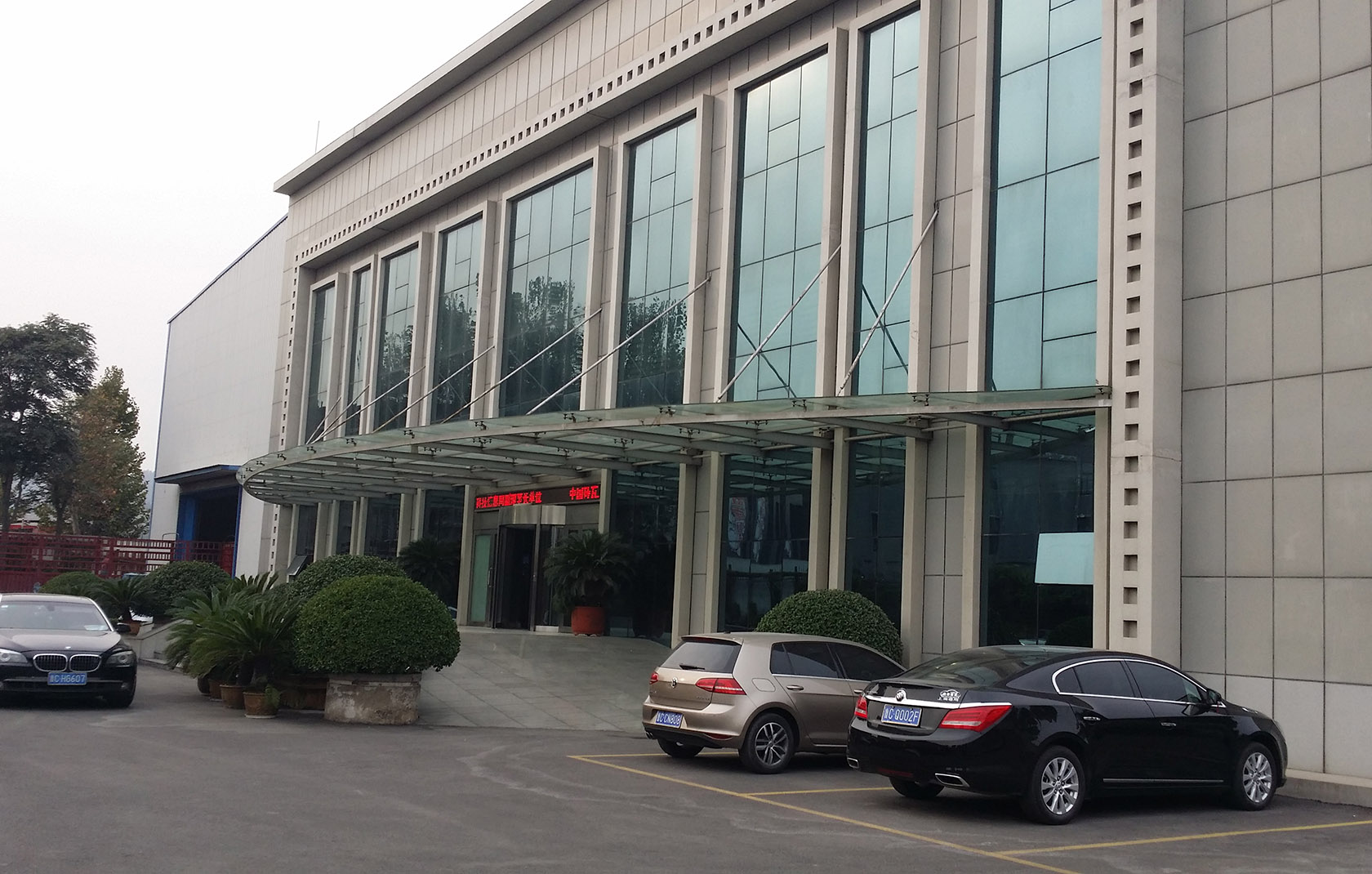
We supply all the high end equipment related with bricks and tile production, such as:
As of today, we have obtained more than 100 patents for brick kiln. We continuously enhance our technical capabilities to strive to provide customers with efficient and high-output automated brick factories.
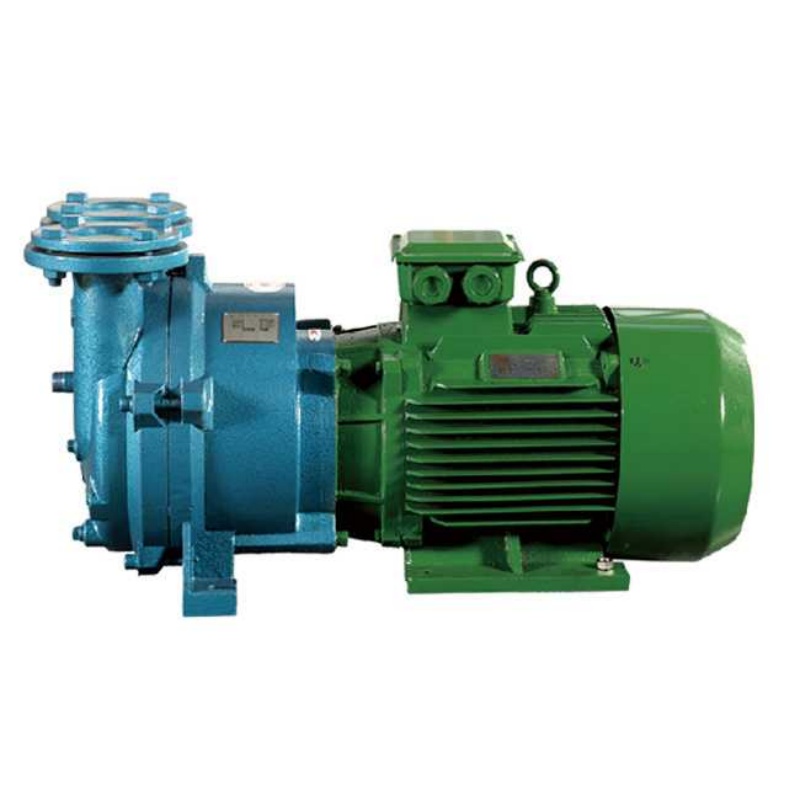
For high-density industrial hubs like the capital region surrounding Seoul, Cadier integrates real-time remote telemetry, variable frequency drives (VFD), and automated vacuum regulation systems, ensuring uniform extrusion pressure even when working with complex Korean red clay, mudstone, and recycled industrial aggregate mixtures.
Ensuring customers' peace of mind through a comprehensive service ecosystem and advanced testing capabilities.
From initial geological evaluation of raw shale and clay reserves in Gyeonggi and Gangwon provinces to turnkey commissioning of high-speed fully automated packaging stations.
Technical ExcellenceOur company provides one-stop service, ensuring customers' peace of mind. Our company is equipped with a complete set of raw material testing and inspection equipment, as well as remote services. We provide comprehensive technical support to customers from factory design, brick machine equipment selection, brick plant construction, to the later operation of the brick plant.
Custom CAD/BIM layouts optimized for factory footprints, local Korean environmental laws, and power grid specs.
Precision assembly of high-torque vacuum extruders, drying chambers, and energy-conserving tunnel kilns.
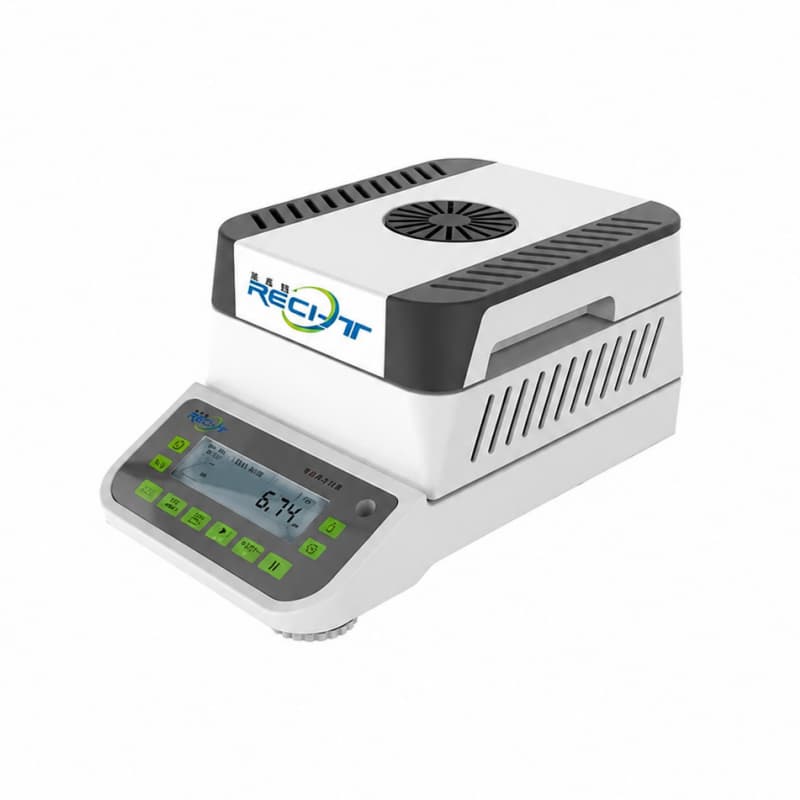
Complete material plasticity grading, moisture testing, and 24/7 AI-assisted remote monitoring diagnostics.
Continuous supply of wear-resistant reamers, hydraulic spares, burner overhauls, and process upgrading.
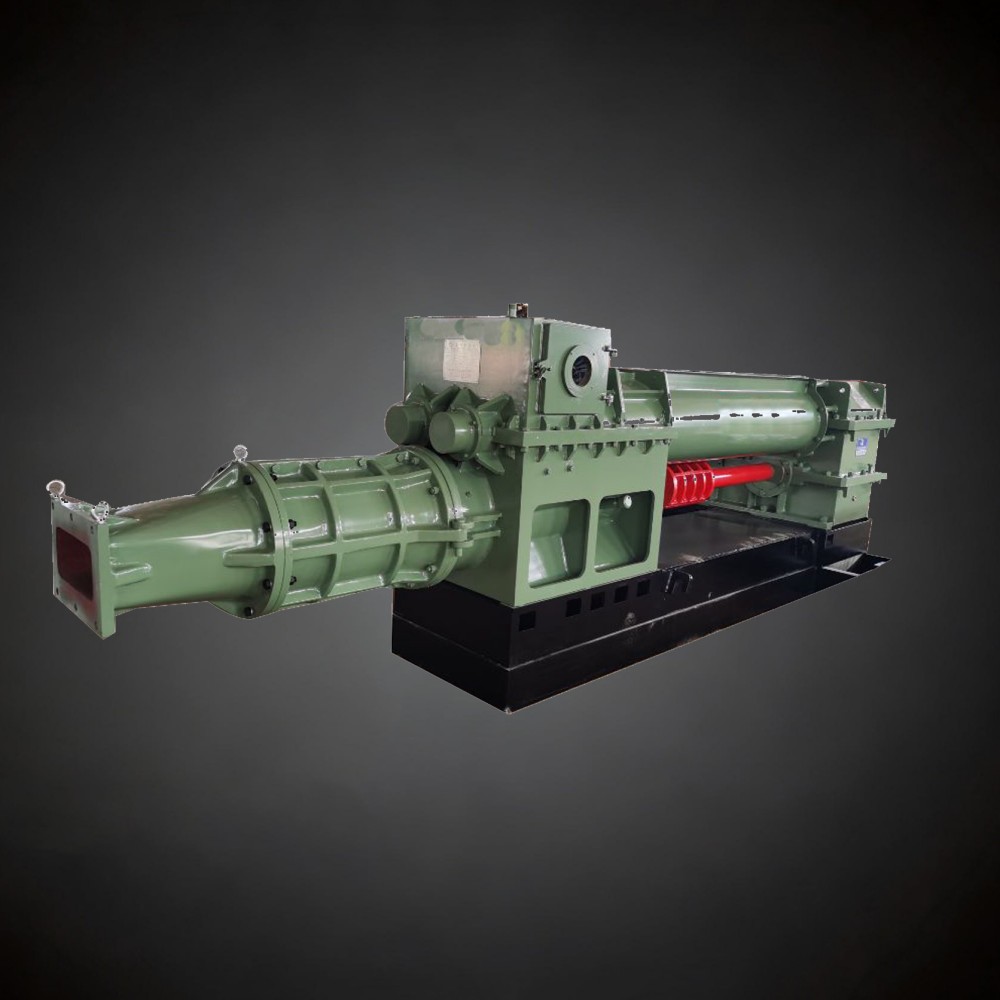
Commercial complexes in Yeouido, Gangnam Business District (GBD), and the Digital Media City (DMC) in Sangam-dong increasingly utilize terracotta baguettes and split-faced architectural bricks. Achieving zero surface micro-fracturing and tight dimensional tolerances (±1mm) necessitates high extrusion pressures exceeding 4.0 MPa. Cadier's double-stage vacuum extruders eliminate internal air pockets, creating vitrified surfaces capable of enduring severe Korean winter freeze-thaw cycles without spalling or efflorescence.
Under Seoul’s "Water Circulation City" initiative, municipal tenders demand permeable pavers for sidewalks, parks, and Han River access roads. Our vertical cutters and high-pressure forming presses create interlocking paving stones that allow stormwater percolation rates of over 0.1 mm/s, mitigating micro-flooding and recharging municipal groundwater reservoirs.
With South Korea updating its Building Energy Code to near-zero energy building (ZEB) certification for new residential projects in Seoul New Towns (e.g., Gyeyang, Changneung, and Wangsuk), hollow and thermal-insulating multi-cellular bricks are in strong demand. Our multi-core dies and precision vacuum splitters allow manufacturers to craft high-void-ratio hollow blocks with superior acoustic dampening and thermal conductivity ratings under 0.18 W/m·K.
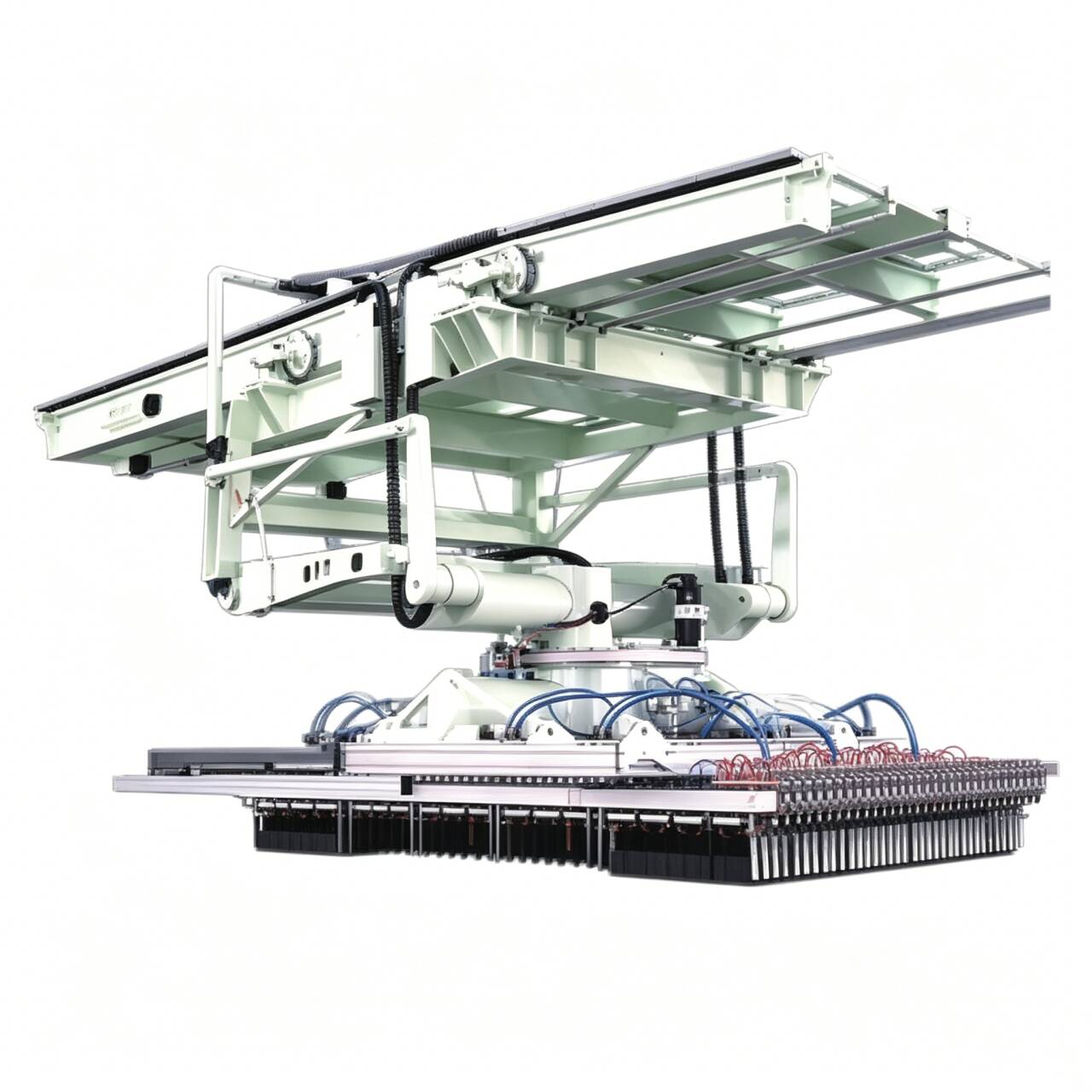
In high-income manufacturing zones around Incheon Port and Gyeonggi, manual stacking of green bricks onto kiln cars is no longer commercially viable. Cadier’s Mantis high-speed automatic brick stacker features servo-driven positioning and vacuum gripper tooling, handling up to 25,000 bricks per hour with negligible breakage rates, dramatically reducing overhead and insurance costs.
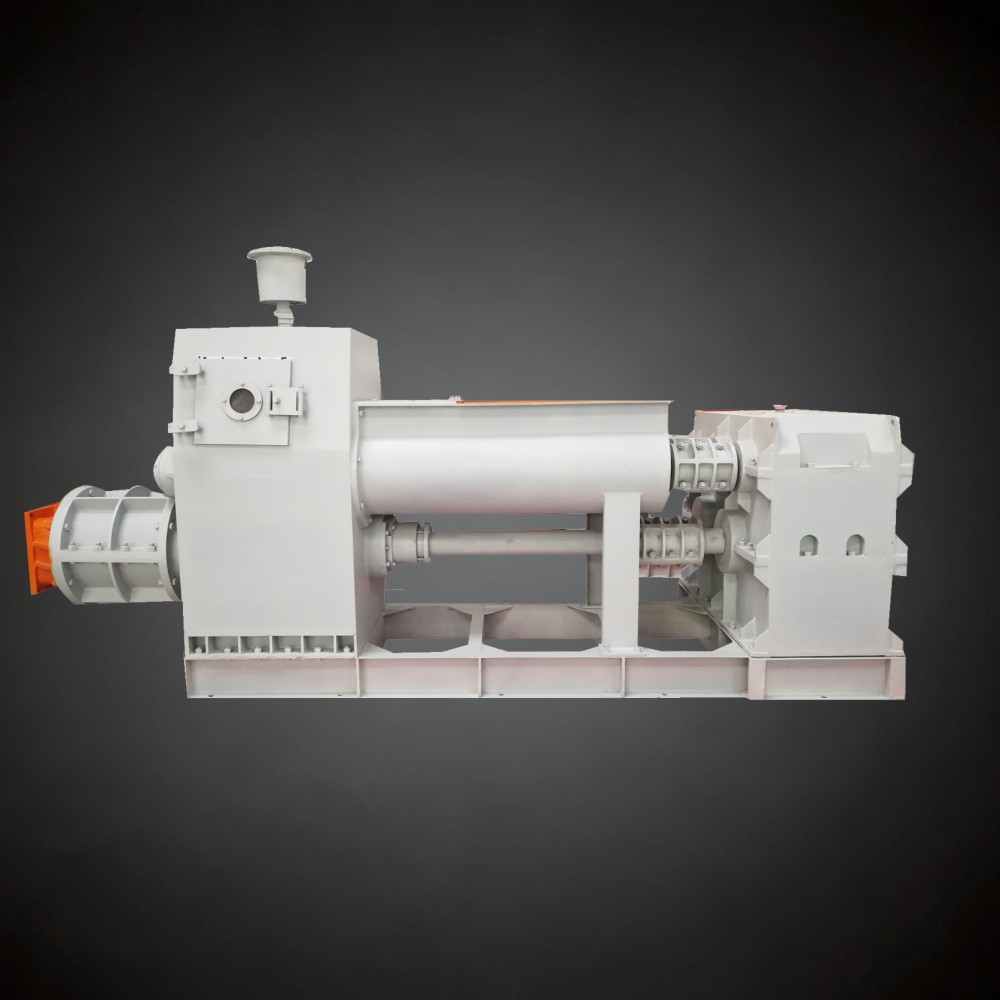
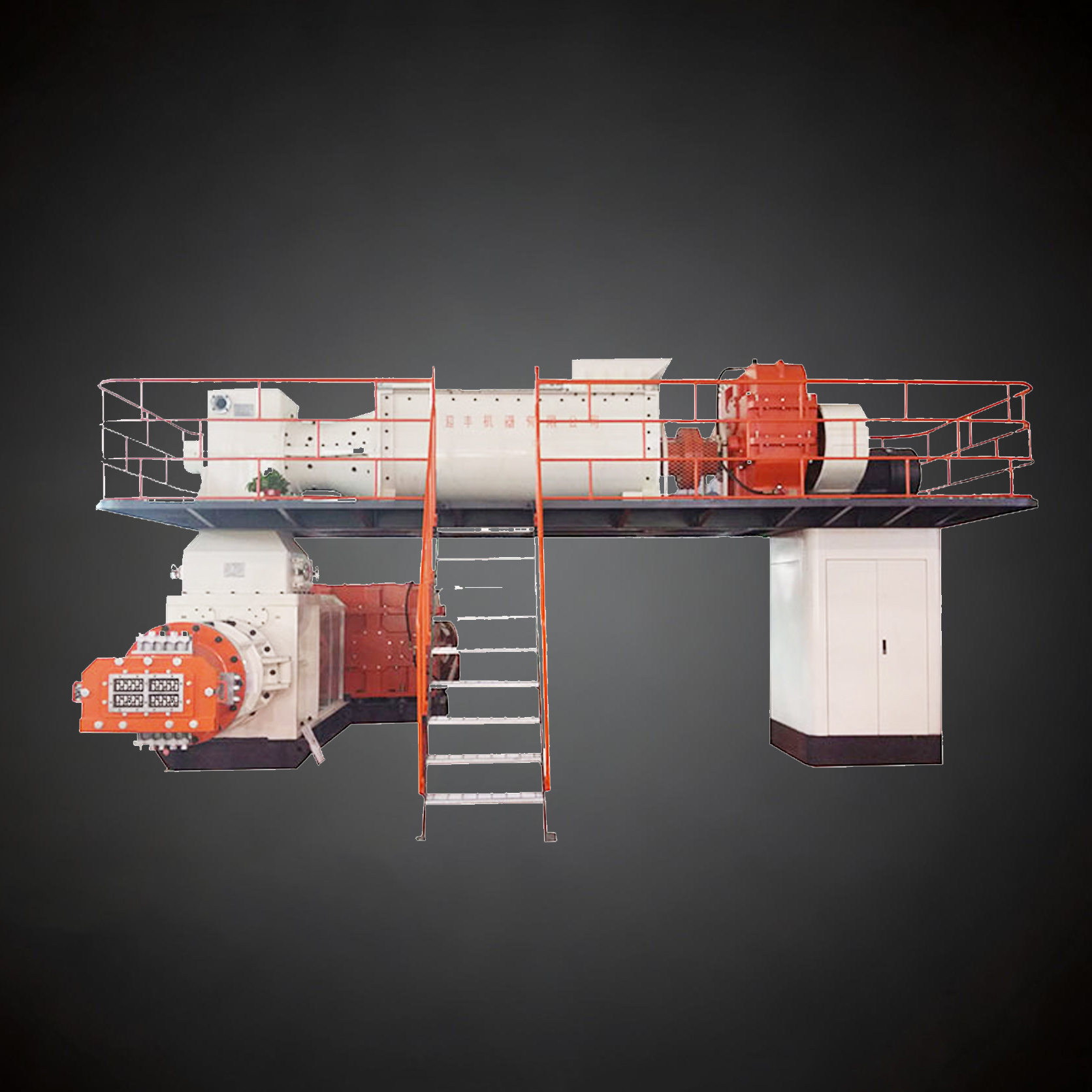
Yes. Our JKR and JKY vacuum extruder series feature high-pressure de-airing chambers and high-chrome alloy augers specifically designed to process abrasive shale, river sediments, mudstone, and industrial aggregates with plasticity indices ranging from 7 to 20.
Our automated tunnel kilns and rotary kilns incorporate closed-loop heat recovery, low-NOx burners, and integrated dry or wet desulfurization/de-dusting interfaces, ensuring smoke and particulate emissions meet South Korean atmospheric quality thresholds.
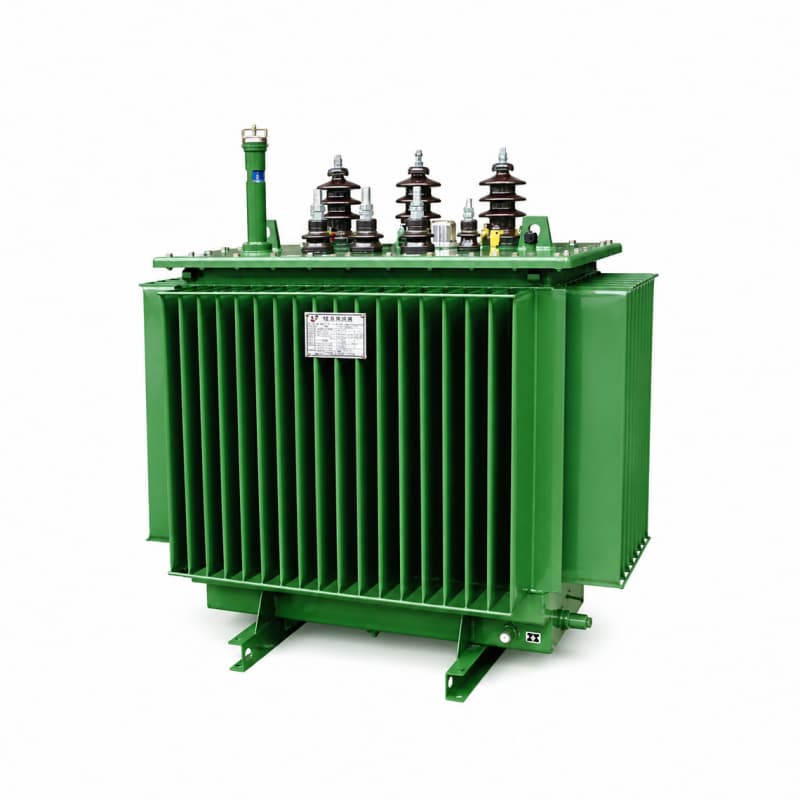
We supply customized oil-immersed transformers, switchgear, and motors tailored for South Korea's three-phase industrial power supply (380V / 60Hz or 220V / 60Hz), equipped with CE, ISO, and KS-compatible electrical safeguards.
Equipment manufacturing typically requires 45 to 60 days. Shipping directly from Chinese deep-water ports to Incheon Port or Pyeongtaek Port takes just 2 to 4 days, followed by on-site or remote telemetry commissioning by our senior mechanical specialists.