请留言
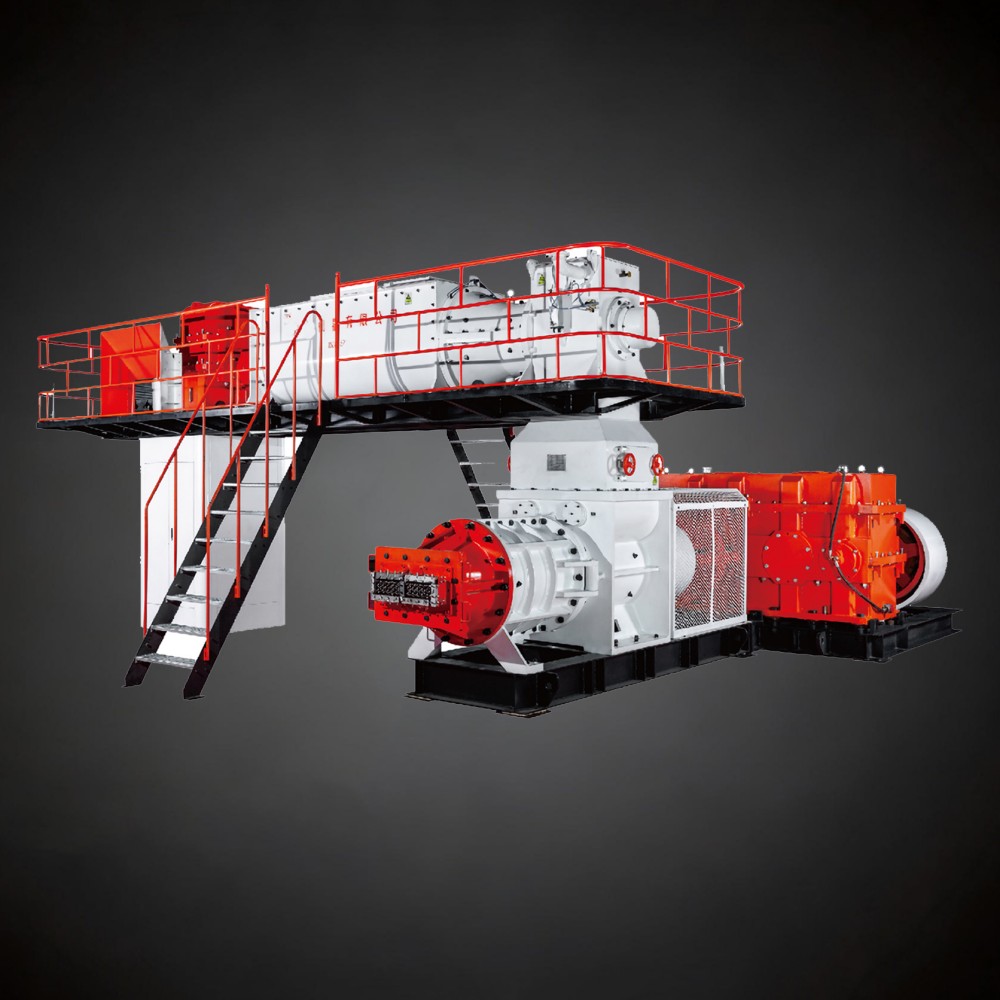
Precision machinery built to handle local alluvial silts, high-plasticity clay, and agro-waste additives with maximum continuous output.
The construction sector of the Democratic Socialist Republic of Sri Lanka is undergoing an unprecedented modernization cycle. Mega-projects such as the Colombo Port City Financial Center, widespread transport infrastructure rehabilitation across the Western and Southern Provinces, and expanding suburban commercial complexes have dramatically transformed structural masonry requirements.
Historically, the Sri Lankan brickmaking industry has been predominantly artisanal, relying heavily on traditional soft-mud manual molding and country-style intermittent clamp kilns concentrated along the Kelani, Maha Oya, and Deduru Oya river basins. While these artisanal operations fulfilled baseline rural requirements for decades, modern construction demands higher structural tolerances, consistent compressive strengths exceeding 15 MPa, lower water absorption rates, and sharp dimensional precision. Artisanal methods are inherently vulnerable to Sri Lanka's intense monsoon seasons (South-West and North-East monsoons), creating chronic supply shortages, volatile pricing spikes, and catastrophic scrap rates exceeding 25% during torrential rains.
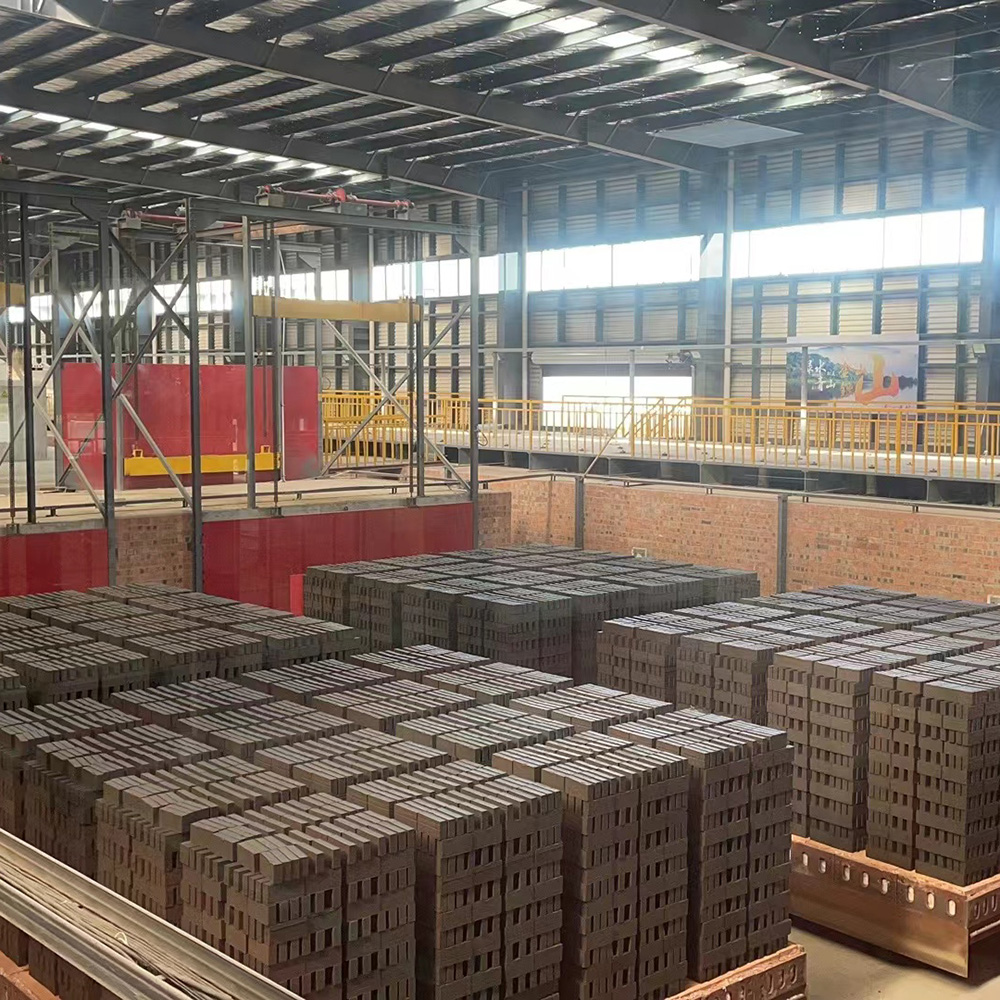
Consequently, progressive brick manufacturers and commercial ceramic producers across key hubs such as Colombo, Gampaha, Kurunegala, Kandy, and Galle are transitioning to high-vacuum de-airing brick extruders. Mechanized vacuum extrusion provides uninterrupted, year-round production, insulating enterprises from climatic disruptions while elevating output capacity from a few thousand bricks per week to over 15,000 to 30,000 modular hollow, perforated, and solid facing bricks per hour.
Specially customized auger metallurgy and mixing blades engineered to process high-plasticity alluvial clay and lateritic red soils without nozzle sticking or structural lamination.
Hard plastic and semi-hard extrusion drastically decreases initial green brick moisture (14-16%), cutting chamber drying time by half and maintaining continuous annual revenue.
Dual-stage vacuum chambers delivering -0.092 to -0.098 MPa, purging entrapped air micro-bubbles to guarantee rock-solid density and exceptional seismic shear strength.
A critical challenge faced by heavy clay equipment operators in Sri Lanka is raw material mineralogy. The geological profile of the island features extensive Red-Yellow Podzolic soils, laterites, and dense floodplain alluvium. Many local deposits exhibit an ultra-fine particle distribution with plasticity indexes ranging from 18 to 26, often contaminated with abrasive quartz sand particles and decomposing organic silts.
Standard imported extruders frequently fail when operating on Sri Lankan clay, resulting in severe spiral fracturing, barrel overheating, rapid wear of auger flights, and dimensional warpage during dehydration. Henan Cadier Green Building Technology Co., Ltd. addresses these local geological challenges through specialized machine tailoring:
Prior to extrusion, our double-shaft screen plate mixing extruders systematically shear and filter the clay mass, breaking down dense mud lumps and screening out non-plastic quartz gravel. This guarantees an even moisture equilibrium across the entire batch, crucial for eliminating hairline fractures during tropical fast-drying cycles.
Because Sri Lankan laterite possesses notable abrasiveness, our extruder screw augers utilize high-chromium wear-resistant alloy coatings (hardness reaching HRC 58-62). Replaceable mud cylinder liners protect structural casings, extending overhaul intervals by more than 300% compared to traditional mild steel extruders.
With Sri Lanka’s Central Environmental Authority (CEA) enforcing rigorous conservation measures on river sand extraction and agricultural topsoil mining, our vacuum extruders are optimized to blend up to 35% industrial secondary resources, including Norochcholai fly ash, quarry dust, ceramic body grog, and agro-residues like rice husk ash (RHA). This reduces raw material sourcing costs while creating lighter, superior thermal-insulating hollow building blocks.
| Performance Dimension | Traditional Sri Lankan Artisanal Molding | Cadier Heavy-Duty Vacuum Extruder System |
|---|---|---|
| Operating Moisture Content | 24% – 28% (Liquid/Soft State) | 14% – 17% (Semi-hard / Hard Plastic Extrusion) |
| Compressive Strength (MPa) | 3.5 – 6.0 MPa (Inconsistent) | 15.0 – 25.0+ MPa (Meets SLS 39 & British Standards) |
| De-Airing Efficiency | Zero vacuum de-airing; high micro-porosity | Integrated -0.098 MPa chamber; dense poreless matrix |
| Production Capacity | 2,000 – 4,000 units/day (Weather dependent) | 12,000 – 35,000 units/hour (Continuous multi-shift) |
| Monsoon Operational Status | Complete stoppage during heavy rains | 365-day uninterruptible automated throughput |
| Finished Product Dimensions | Variable, high shrinkage warpage | Precision calibrated within ±1.0 mm tolerance |
We Henan Cadier Green Building Technology Co.,Ltd are dedicated to the overall solution of large-scale production line of new energy-saving and environmentally friendly wall materials and the integration of high-end building resources since 2009.
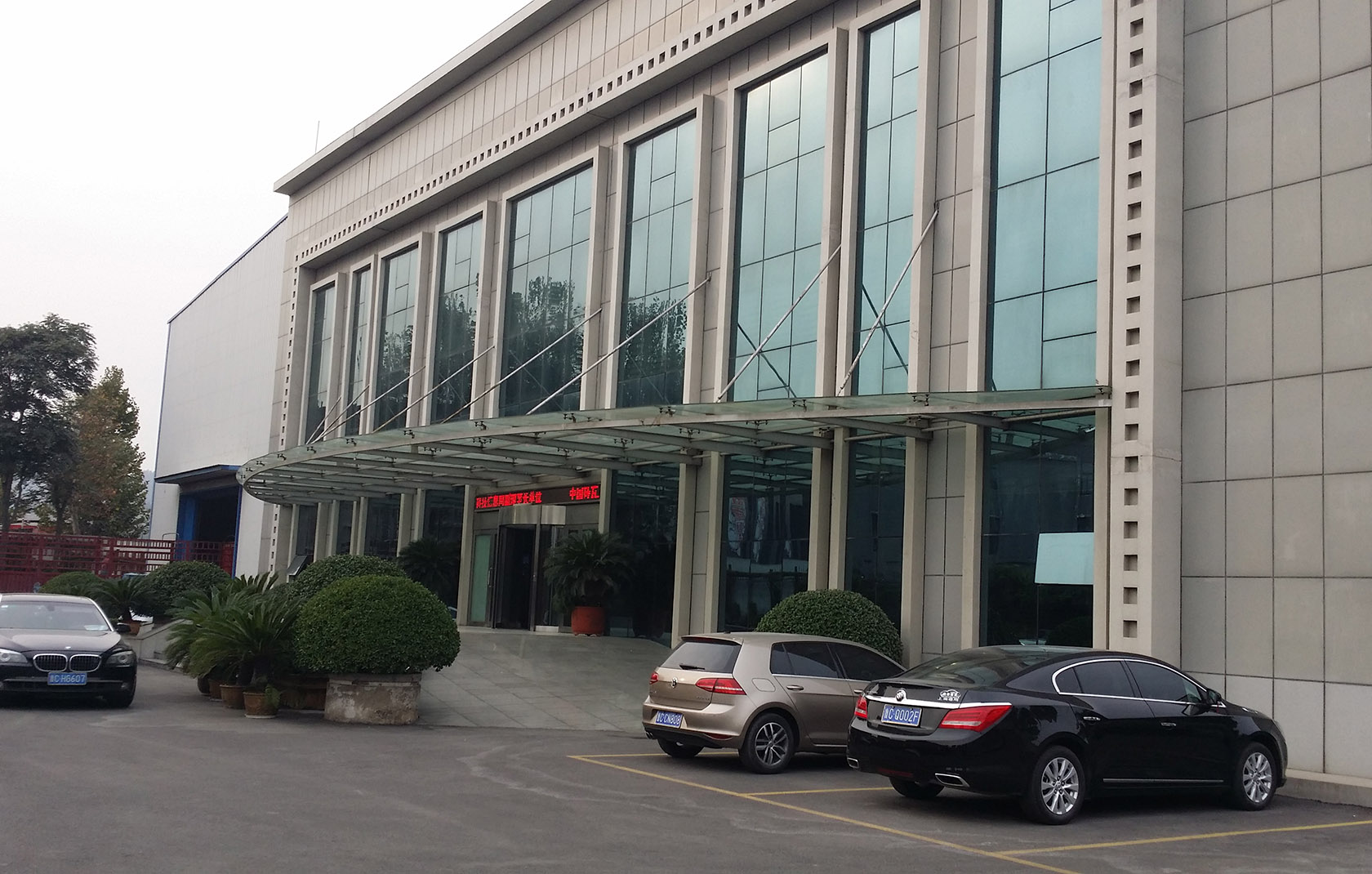
Our company covers an area of 41,000 square meters, including 15,600 square meters for production workshops and 4,000 square meters for office, R&D centers and supporting buildings. It currently has multiple engineers and more than 60 mid-to-senior technical personnel specializing in ceramic kinetics, extrusion hydrodynamics, and thermodynamic kiln calculations.
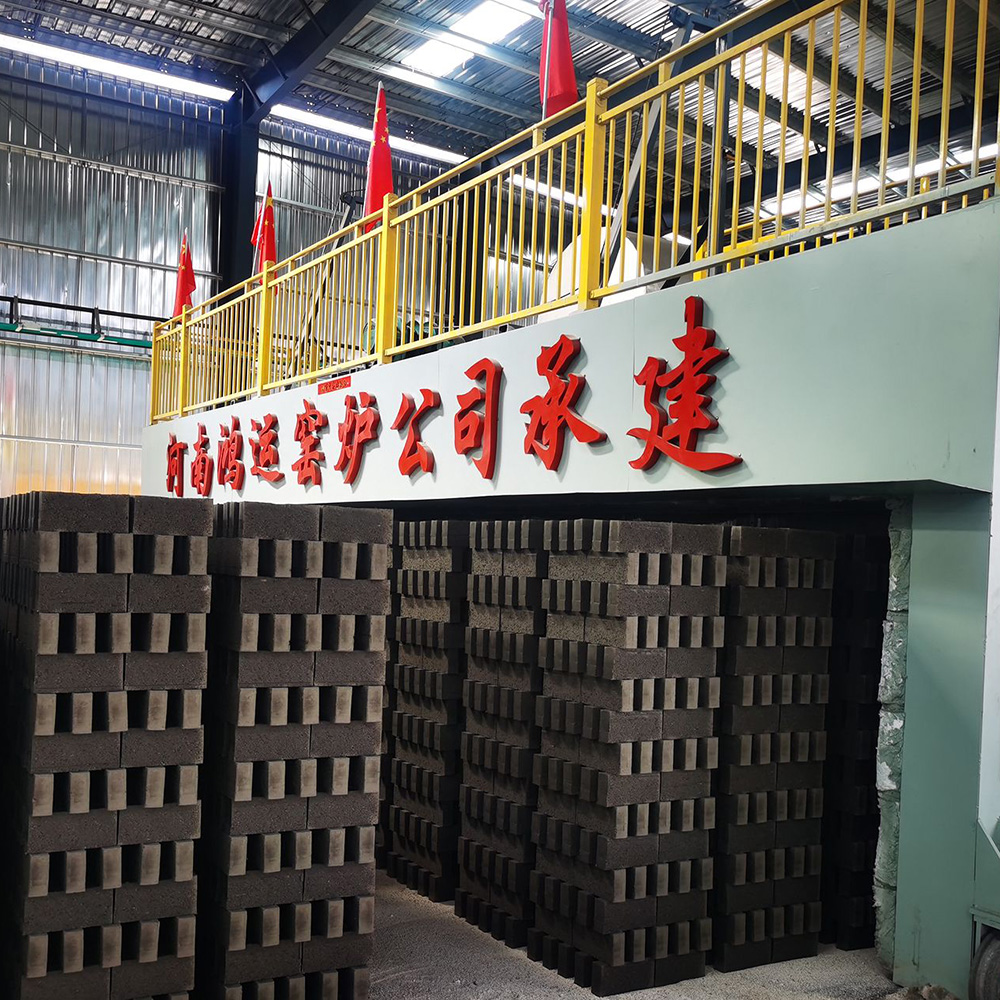
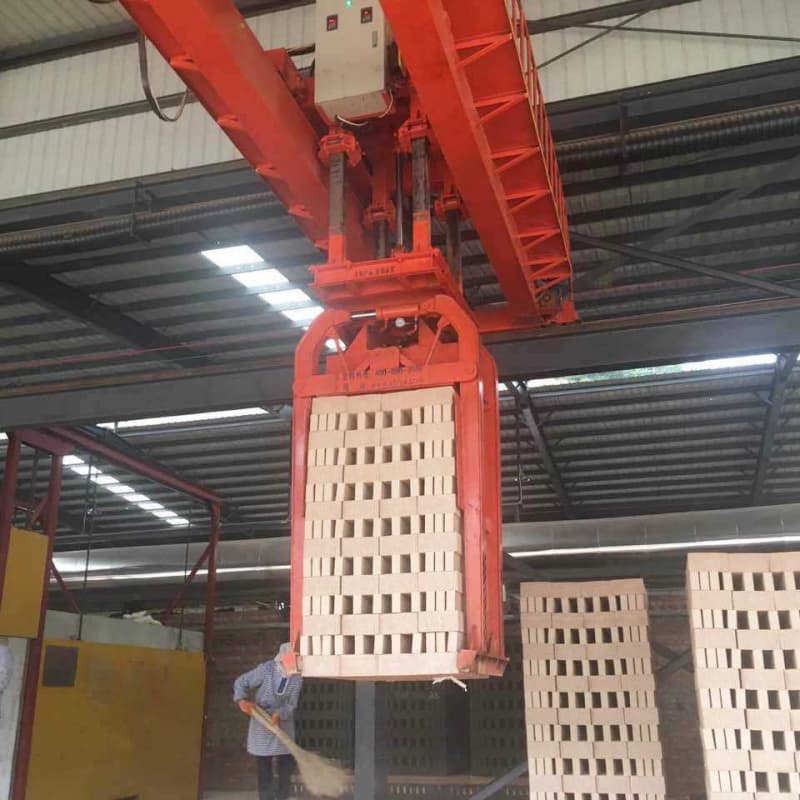
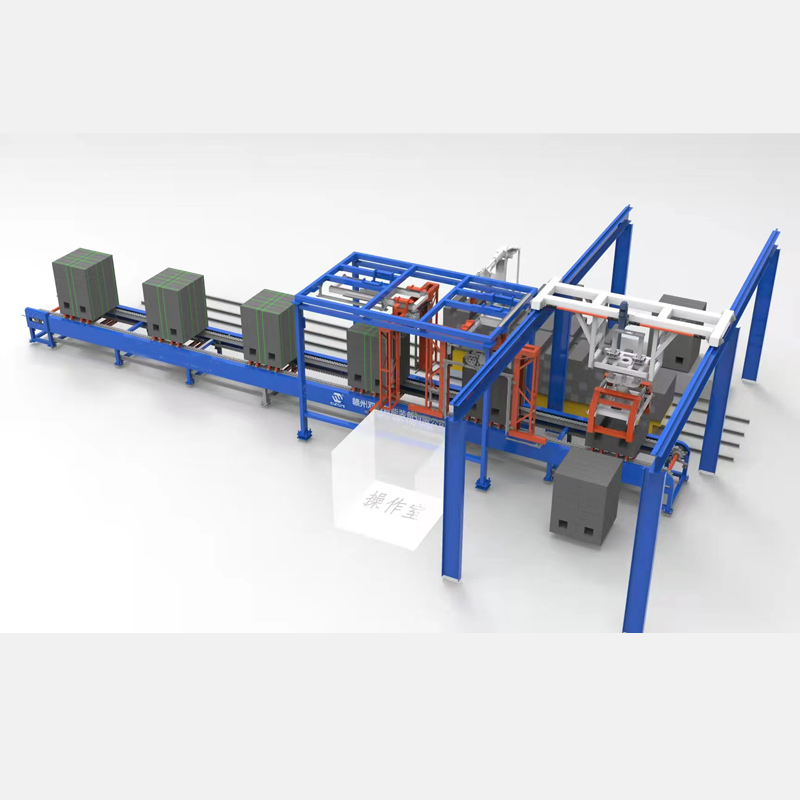
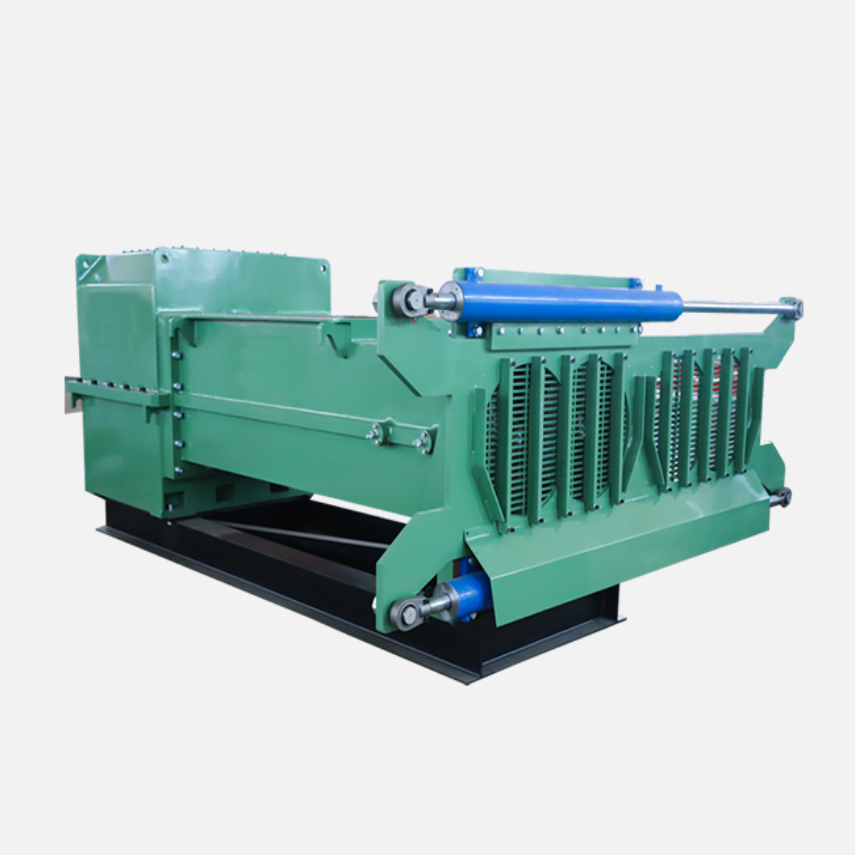
By delivering heavy-gauge vacuum extruders, synchronized multi-axis cutting tables, automated robotic palletizing units, and ultra-low fuel consumption tunnel kilns, we facilitate the green transformation of building material plants worldwide, empowering Sri Lankan manufacturers to transition from smoke-emitting, high-cost kilns to intelligent, zero-waste modern plants.
We supply all the high end equipment related with bricks and tile production, specially engineered to maximize thermal efficiency and reduce electrical peak loads in emerging Asian economies.
As of today, we have obtained more than 100 patents for brick kiln. We continuously enhance our technical capabilities to strive to provide customers with efficient and high-output automated brick factories, driving down operational kWh consumption per ton of finished clay material.
From coastal salinity barriers to multi-story partition blocks, our vacuum extruders deliver diverse product lines to satisfy specific Sri Lankan architectural and engineering specifications.
Engineered with 25% to 45% void ratios specifically for Sri Lanka's tropical climate. These lightweight hollow units provide outstanding thermal barrier performance, drastically decreasing air conditioning energy loads in commercial and residential developments across Colombo, Kandy, and Negombo.
Specially manufactured for coastal tourism and luxury resort construction in Galle, Bentota, and Trincomalee. Extruded under severe vacuum conditions exceeding -0.096 MPa, achieving ultra-low water absorption (<8%) and exceptional chemical resistance against oceanic salt spray corrosion.
Precision-extruded building units conforming strictly to SLS 39 standards. Ideal for high-stress masonry, retaining walls, civil bridges, and culvert linings throughout Sri Lanka's national highway network and regional expansion programs.
The brick sector in Sri Lanka is rapidly navigating two critical macroeconomic transformations: spiraling thermal energy expenditures and an acute shortage of skilled rural manual labor. Traditional clamp and Bull's Trench kilns consume exorbitant quantities of firewood and imported coal, conflicting directly with national forest preservation directives and increasing carbon liabilities. Modern vacuum extrusion facilitates semi-stiff and hard plastic molding, permitting rapid drying cycles through waste heat recovered directly from automated tunnel kilns.
Furthermore, internal fuel blending—incorporating finely pulverized coal dust, petroleum coke, or combustible industrial byproducts directly into the clay mix during the primary screening stage—enables up to 80% self-sustained firing inside the tunnel kiln. This breakthrough minimizes external fuel overheads, ensuring Sri Lankan brick factories remain profitable regardless of global energy price volatility.
Ensuring customers' peace of mind through a comprehensive service ecosystem and advanced testing capabilities.
Our company provides one-stop service, ensuring customers' peace of mind. Our company is equipped with a complete set of raw material testing and inspection equipment, as well as remote services. We provide comprehensive technical support to customers from factory design, brick machine equipment selection, brick plant construction, to the later operation of the brick plant.
Geological soil rheology analysis, volumetric capacity planning, CAD layout, and energy modeling tailored to Sri Lankan regional power grids.
Precision foundation supervision, heavy-duty extruder alignment, kiln refractory assembly, and auxiliary piping network integration.
No-load test running, clay feed calibration, real-time IoT diagnostic linking, and telemetry-based performance fine-tuning.
Local crew technical training, operational preventive maintenance schedules, rapid spare parts fulfillment, and long-term kiln upgrades.
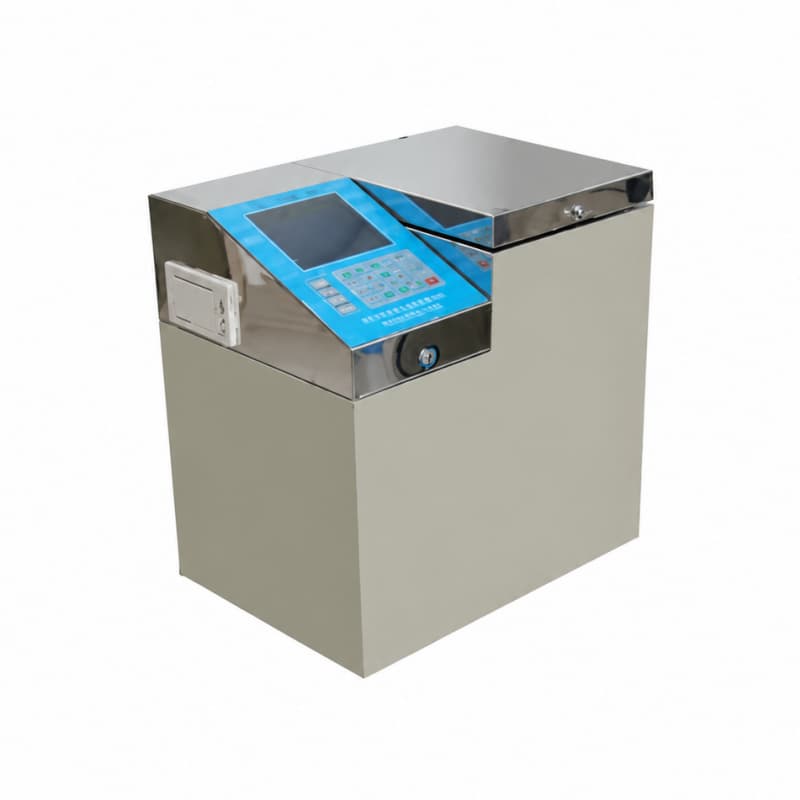
Explore our complete range of certified vacuum extruders, fuel analyzers, automated packagers, and rotary kilns proven in global operations.