请留言
High-efficiency, automated machinery engineered to meet the strict emission and performance standards of the Netherlands.
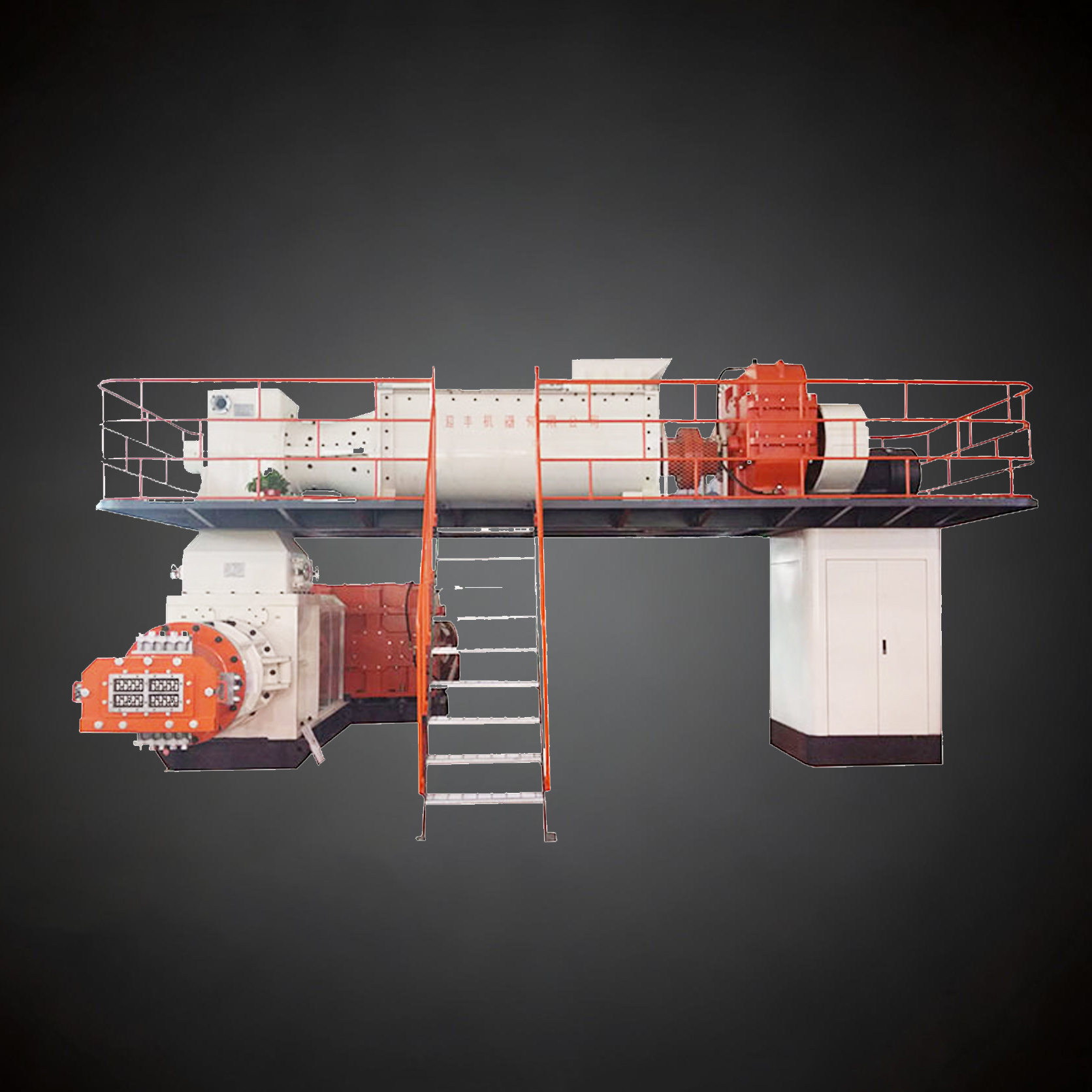
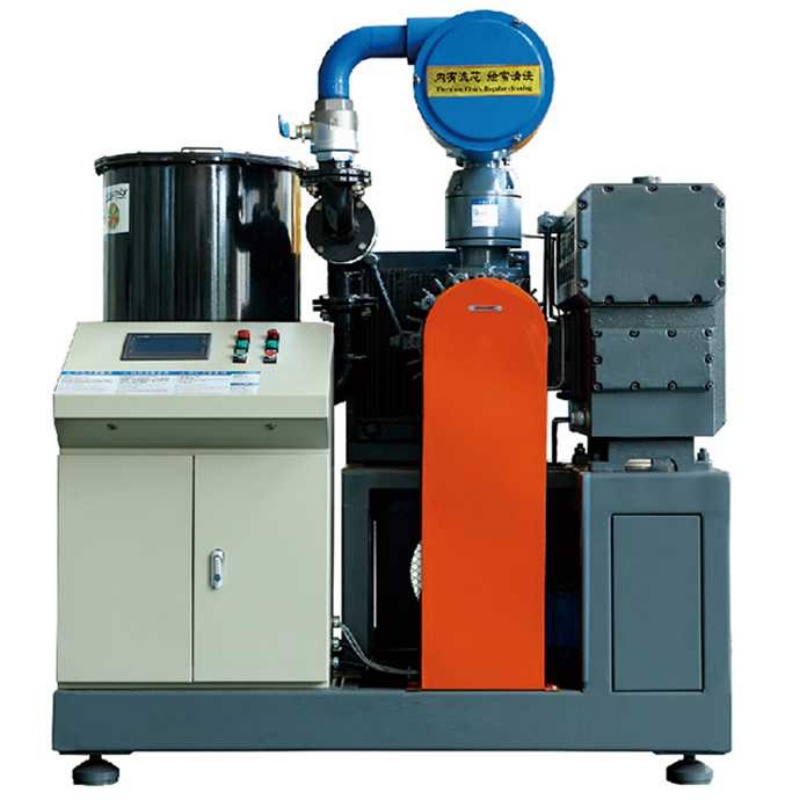
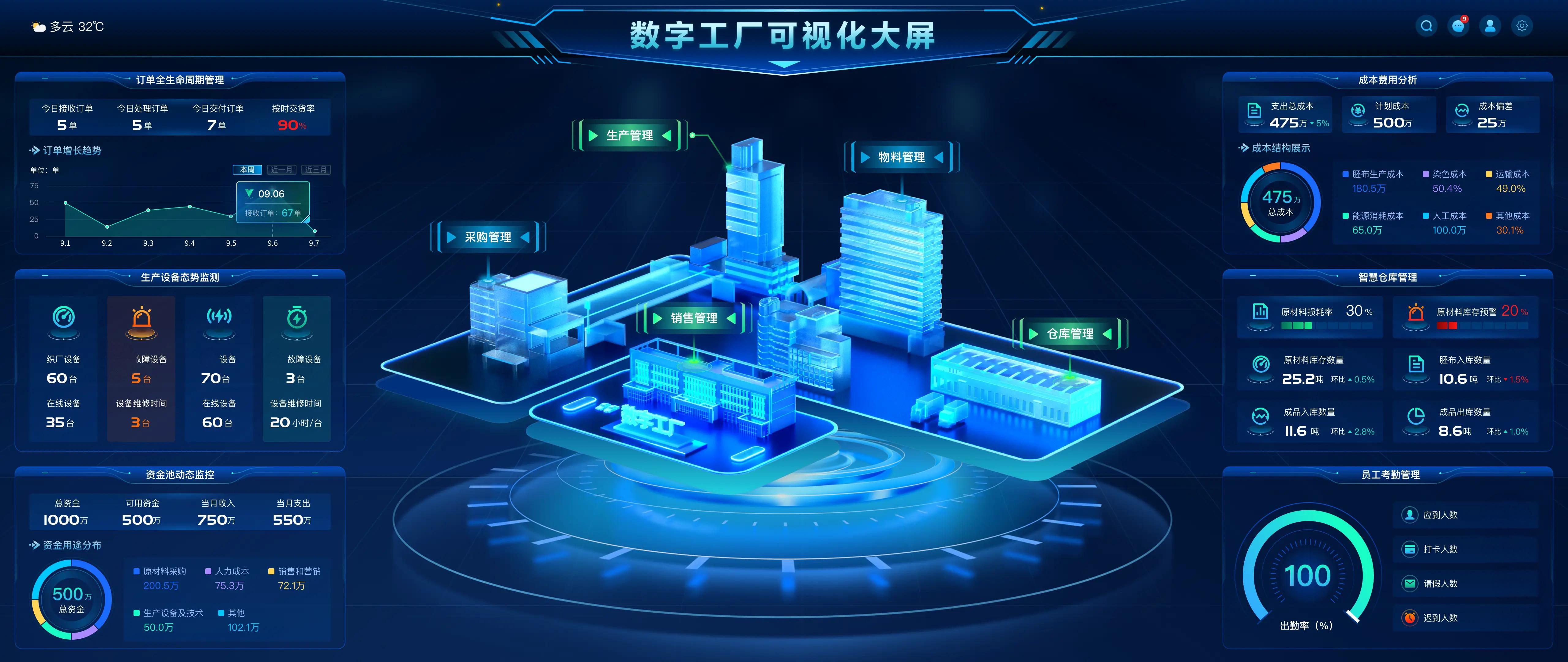
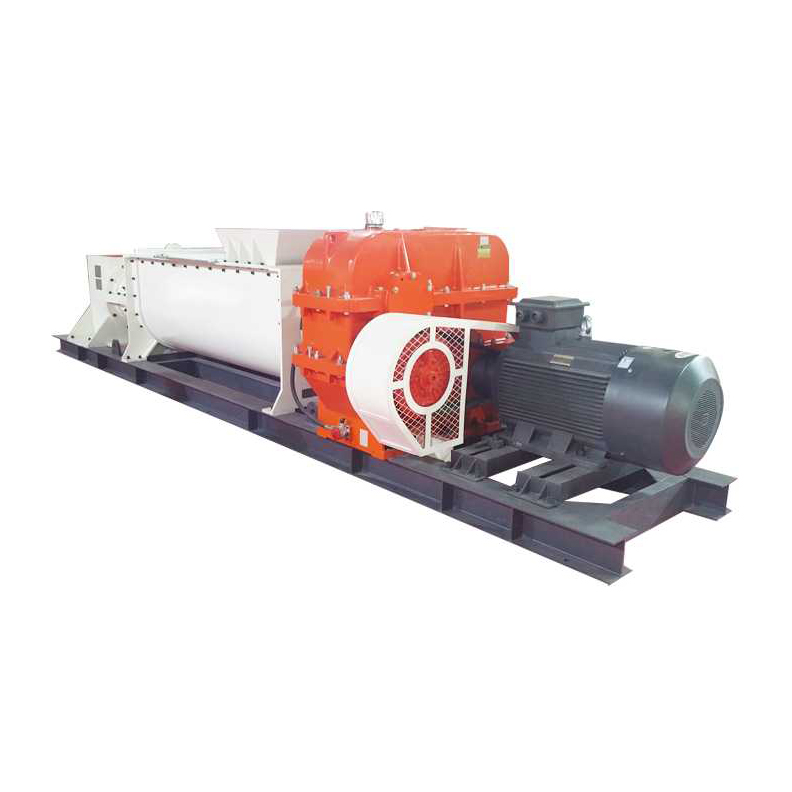
The Netherlands has always been a country built on masonry. From the historic canal houses of Amsterdam to modern architectural masterpieces in Rotterdam, clay bricks (baksteen) represent the cultural and structural backbone of Dutch construction. However, as the Netherlands moves aggressively toward its goal of a 100% circular economy by 2050, the brick manufacturing and processing industry is undergoing a massive transformation. The demand for advanced brick crushing machines and smart brick-making technology has never been higher.
In the Dutch construction sector, the concept of "Circulaire Bouw" (Circular Construction) dictates that building materials must be designed for reuse, recycling, or clean biodegradation. Traditional demolition practices are being replaced by urban mining, where old brick buildings are carefully disassembled, and the waste masonry is crushed and reprocessed. High-performance brick crushing machines play a vital role here, converting construction and demolition waste (CDW) into high-quality secondary aggregates that can be blended back into new brick production lines or used as base materials for infrastructure projects.
Compliance with the Dutch Building Decree (Bouwbesluit) and Milieuprestatie Gebouwen (MPG) requires manufacturers to utilize low-emission, energy-efficient machinery.
Integrating crushed brick aggregates into the raw clay mix reduces natural resource extraction, aligning with local sustainability initiatives.
With high labor costs in the Netherlands, local manufacturers favor fully automated systems with remote monitoring and AI-driven operation management.
One of the primary trends in the Netherlands is the transition from fossil-fuel-fired kilns to electrified and hydrogen-ready tunnel kilns. While the kiln itself handles the sintering, the upstream material preparation—specifically the crushing, mixing, and extrusion stages—must be highly optimized to handle modern raw material mixtures. The introduction of recycled brick powder and crushed aggregates into the clay body requires precise single-shaft mixers and vacuum extruders that can maintain structural integrity without increasing energy consumption.
Furthermore, Dutch buyers look for suppliers who offer robust, heavy-duty machinery equipped with USA or European standard components, such as high-vacuum systems that ensure zero-air bubbles in the clay mixture. This ensures that the final bricks meet the stringent compressive strength and frost-resistance standards required by the damp, maritime Dutch climate.
1. Urban Mining in Amsterdam: During the renovation of historic districts, old masonry is crushed on-site or at nearby recycling hubs. Mobile and stationary brick crushing machines reduce these historic bricks into fine powders that are then mixed with raw river clay to produce new, vintage-style bricks for restoration projects.
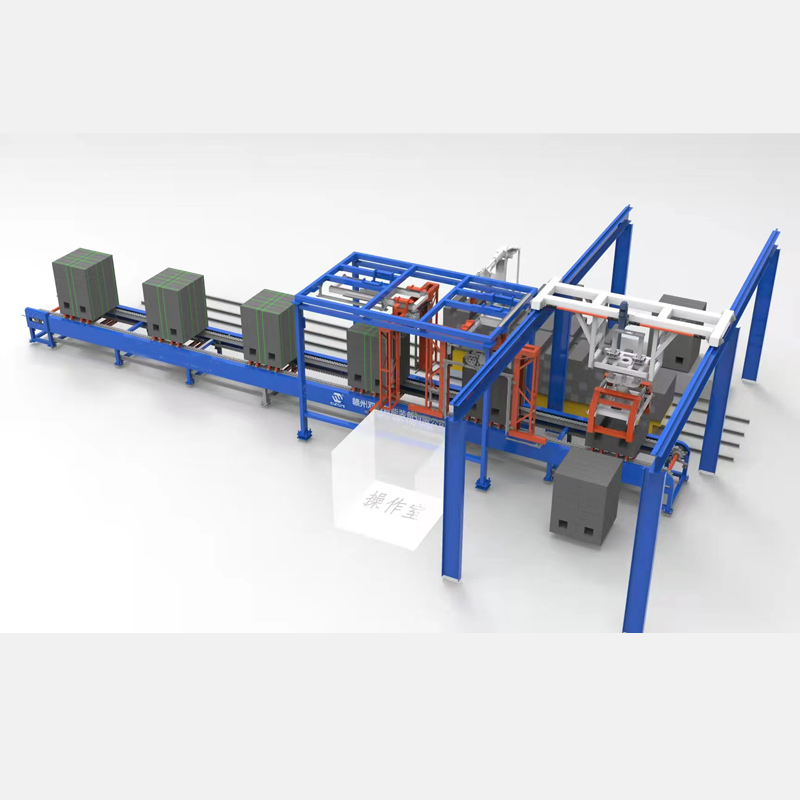
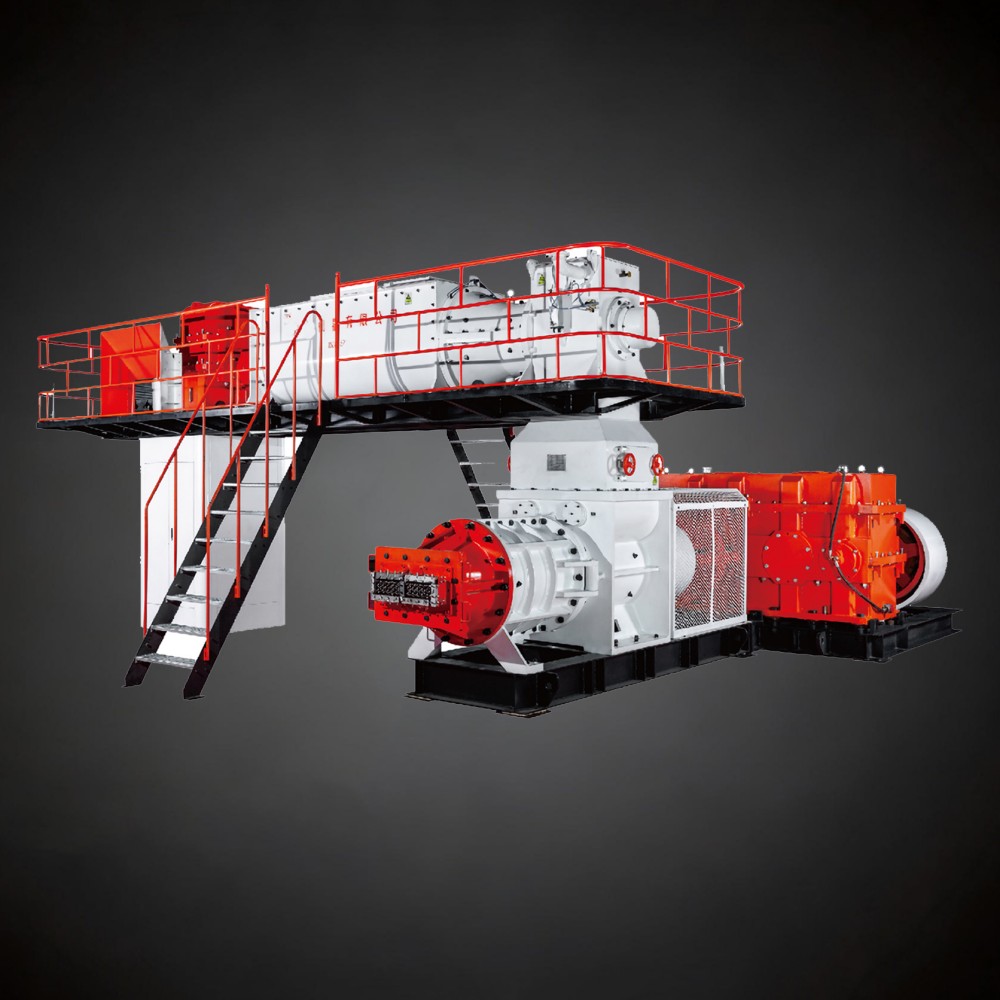
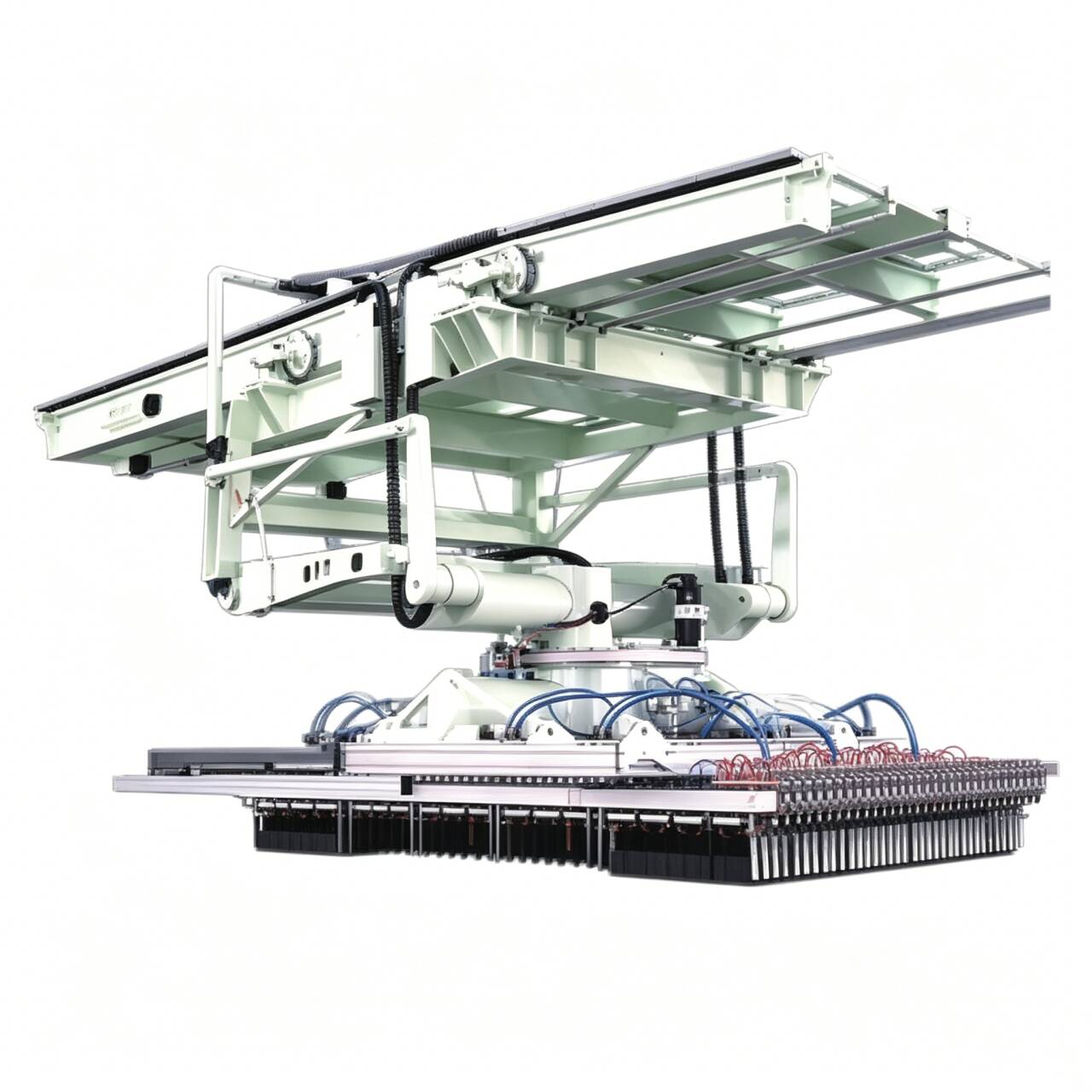
2. High-Capacity Clay Sintering in Gelderland: In the major clay-producing regions along the Rhine and Waal rivers, factories utilize advanced vacuum brick extruders and automated stackers to produce millions of "Waalformaat" bricks annually, minimizing human labor and maximizing thermal efficiency.
3. Low-Carbon Infrastructure Aggregates: Crushed bricks are increasingly utilized as ecological substrate for green roofs (sedumdaken) across Rotterdam, where water retention and lightweight structural characteristics are highly valued.
ESTABLISHED 2009
We Henan Cadier Green Building Technology Co.,Ltd are dedicated to the overall solution of large-scale production line of new energy-saving and environmentally friendly wall materials and the integration of high-end building resources since 2009.
Our company covers an area of 41,000 square meters, including 15,600 square meters for production workshops and 4,000 square meters for office, R&D centers and supporting buildings. It currently has multiple engineers and more than 60 mid-to-senior technical personnel. We continuously adapt our technological solutions to match the high-performance requirements of advanced European markets, notably the Netherlands.
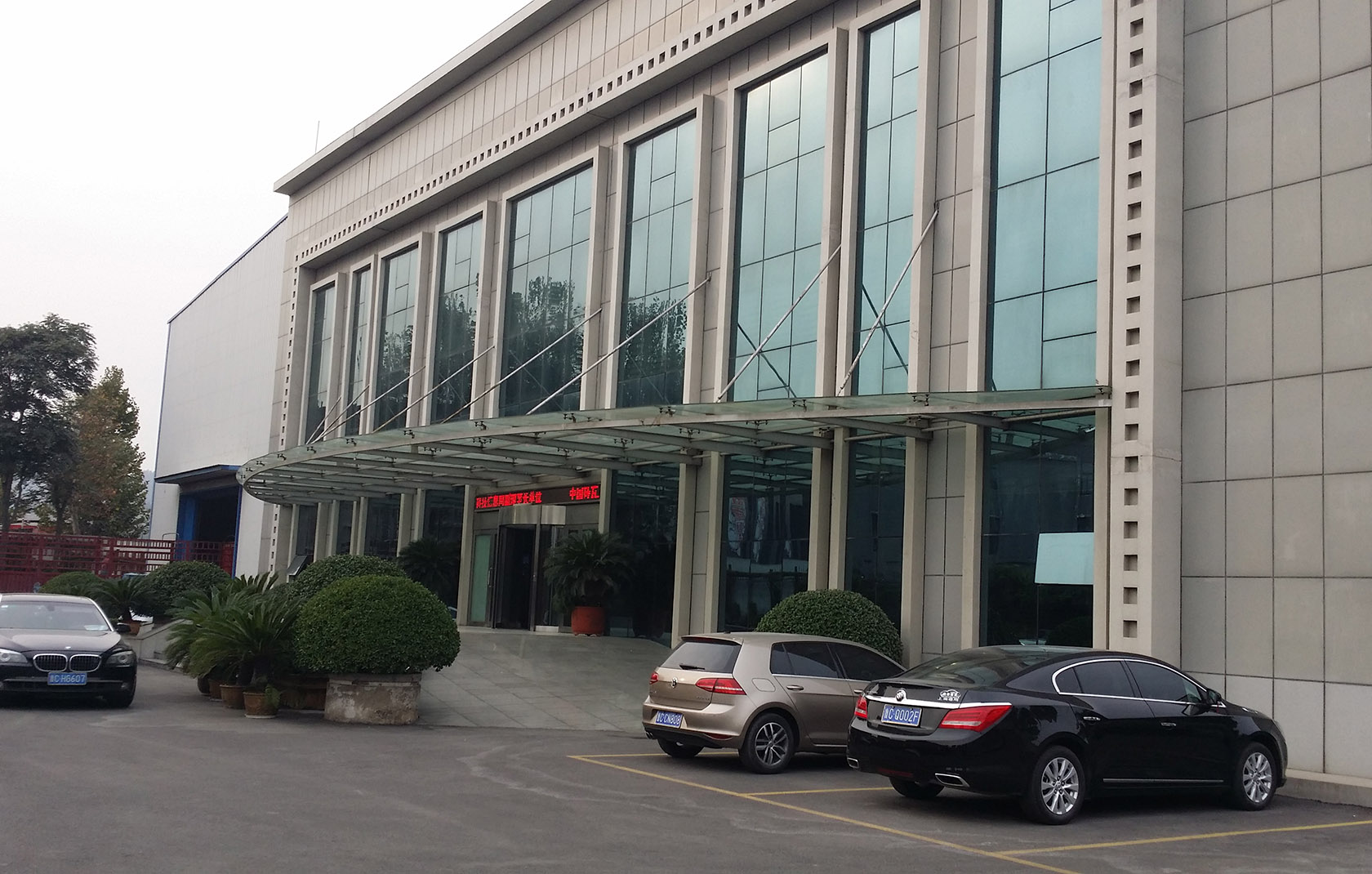
We supply all the high-end equipment related with bricks and tile production, ensuring seamless integration, high throughput, and compliance with modern industrial automation standards. Our specialized product range includes:
As of today, we have obtained more than 100 patents for brick kiln technology. We continuously enhance our technical capabilities to strive to provide customers with highly efficient, low-emission, and high-output automated brick factories suitable for the rigorous industrial landscape of the Netherlands and wider Europe.
From initial design to operational support, we guarantee peace of mind through localized engineering expertise and remote diagnostics.
Ensuring customers' peace of mind through a comprehensive service ecosystem and advanced testing capabilities.
Tailoring the brick factory layout and equipment specifications to match the local raw materials, site conditions, and environmental laws.
Providing on-site engineering guidance, structural assembly, and system integration to ensure reliable mechanical performance.
Utilizing smart diagnostic tools and remote connection interfaces to fine-tune operations and troubleshoot issues without delay.
Supplying continuous maintenance advice, spare parts management, and software upgrades for digital control systems.
While leaving the footprints of our times in the history of the world's bricks and tiles, Henan Cadier Green Building Technology Co., Ltd. insists on being "the spreader of brick and tile culture, and the protector of natural life." We align this green mission with the Dutch vision of circular construction, optimizing resources and protecting natural ecosystems.
Explore our full range of high-efficiency machinery designed for modern brick factories, featuring advanced automation and heavy-duty structural engineering.