
Automatic Coal Blending Batching System by China Suppliers - Efficient Factory Solution for Calorific Value Control
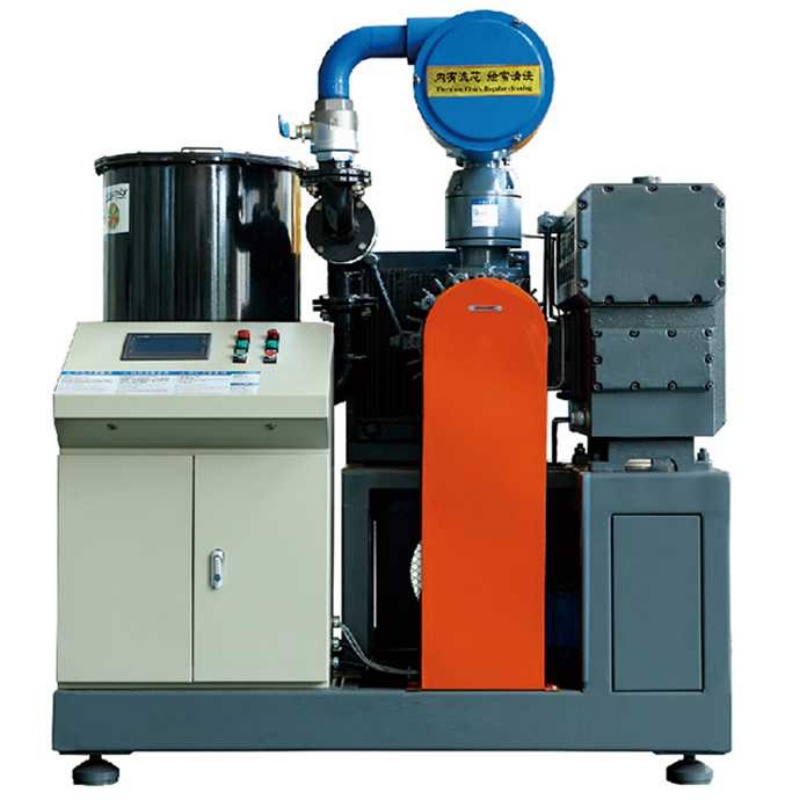
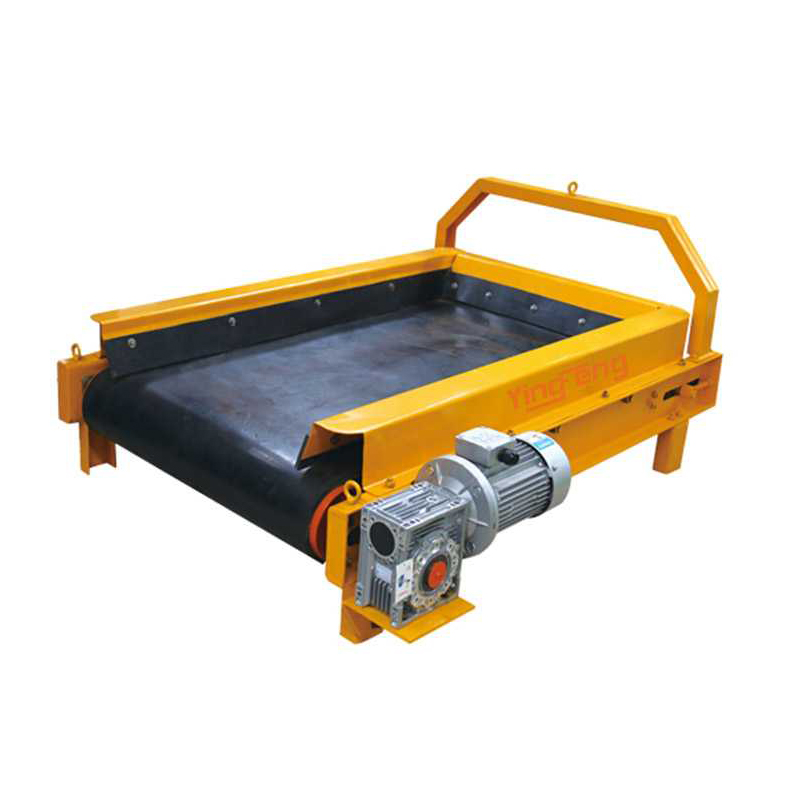
According to the target value of each raw material ingredient calculated by the PLC, the system adjusts the actual amount to be discharged. The system tracks the ratio in real time to ensure the uniformity of raw material and achieve the desired calorific value of the mixture required for production, minimizing green bricks and overfired bricks.
⚙️ How the System Works
🎯
PLC-Calculated Target Values: Each raw material ingredient is precisely computed by the PLC controller, establishing accurate discharge targets for every production cycle.
🔄
Real-Time Ratio Tracking: The system continuously monitors and adjusts the material ratio in real time, maintaining consistent uniformity throughout the entire blending process.
🔥
Optimal Calorific Value Control: By achieving the desired calorific value of the mixture, the system ensures stable firing conditions and superior product quality.
✅
Minimized Defective Output: Precise ingredient control significantly reduces the occurrence of green bricks and overfired bricks, lowering waste and production costs.
📊 Key Benefits at a Glance
🧪
Uniform Raw Materials
Consistent blending ensures every batch meets strict material uniformity standards.
📉
Reduced Waste
Fewer defective bricks mean lower material waste and improved production efficiency.
⚡
Automated Adjustment
Automatic discharge correction removes manual intervention and human error.
❓ Frequently Asked Questions
Q
How does the PLC calculate the target value for each raw material ingredient?
The PLC uses pre-programmed formulas based on the desired mixture composition and calorific value requirements. It processes input parameters such as material density, moisture content, and production targets to compute precise discharge amounts for each ingredient in every batch.
Q
What does "real-time ratio tracking" mean in practice?
Real-time ratio tracking means the system continuously monitors the actual weight or volume of each material being discharged and compares it against the target ratio. If any deviation is detected, the system instantly corrects the discharge amount to maintain the specified blend proportion.
Q
Why is calorific value control important in brick production?
Calorific value determines the heat energy released during the firing process. If the mixture has too low a calorific value, bricks may be underfired (green bricks); too high, and they become overfired. Maintaining the correct calorific value ensures bricks achieve the required strength, density, and appearance.
Q
How does the system minimize green bricks and overfired bricks?
By maintaining precise ingredient ratios and achieving the target calorific value in every batch, the system eliminates the inconsistencies that lead to underfiring or overfiring. Uniform raw material blending ensures that heat distribution during kiln firing remains stable and predictable across all bricks.
Q
Can the system adapt to different raw material types or production recipes?
Yes. The PLC-based system supports multiple configurable recipes. Operators can input different target values and ratios for various raw material combinations, allowing the system to automatically adjust discharge amounts and maintain accurate blending for each specific production requirement.
Q
What are the long-term production benefits of using this automated ingredient control system?
Long-term benefits include significantly reduced material waste, lower energy consumption due to optimized firing conditions, consistent product quality across all batches, reduced reliance on manual labor for ingredient adjustment, and improved overall production efficiency — all contributing to lower operating costs and higher output reliability.