请留言
Engineered for high thermal mass ceramic blocks, perforated bricks, and clinker units matching Polish PN-EN 771-1 construction specifications.
Navigating the transition toward decarbonized masonry, high-precision thermal ceramics, and robotic fabrication in Central Europe.
Poland represents one of the most resilient and dynamic construction and building material markets in Central and Eastern Europe (CEE). With vibrant real estate developments spanning the metropolitan nodes of Warsaw, Kraków, Wrocław, Poznań, and the Upper Silesian Industrial Region, structural masonry systems remain the premier choice for both residential single-family homes and multi-story multi-family buildings. Historically anchored in red ceramic clay blocks (such as Porotherm types), facing clinker bricks, and autoclaved aerated concrete (AAC), the Polish masonry sector is experiencing an accelerated technological overhaul driven by European Union climate mandates, skyrocketing electricity and natural gas tariffs, and a pronounced demographic deficit in skilled plant labor.
In the contemporary Polish operational environment, conventional, labor-intensive brick plants are under insurmountable commercial pressure. Producers must comply with the stringent Fit for 55 and the European Green Deal guidelines that incentivize lower embodied carbon per cubic meter of finished building envelope. Consequently, brickmakers across Lower Silesia, Świętokrzyskie, and Subcarpathia are seeking state-of-the-art automatic brick machines capable of processing challenging raw material recipes—such as high-plasticity clay mixed with coal fly ash, shale, crushed post-industrial ceramics, and mineral tailings—while drastically reducing primary energy consumption per metric ton of fired product.
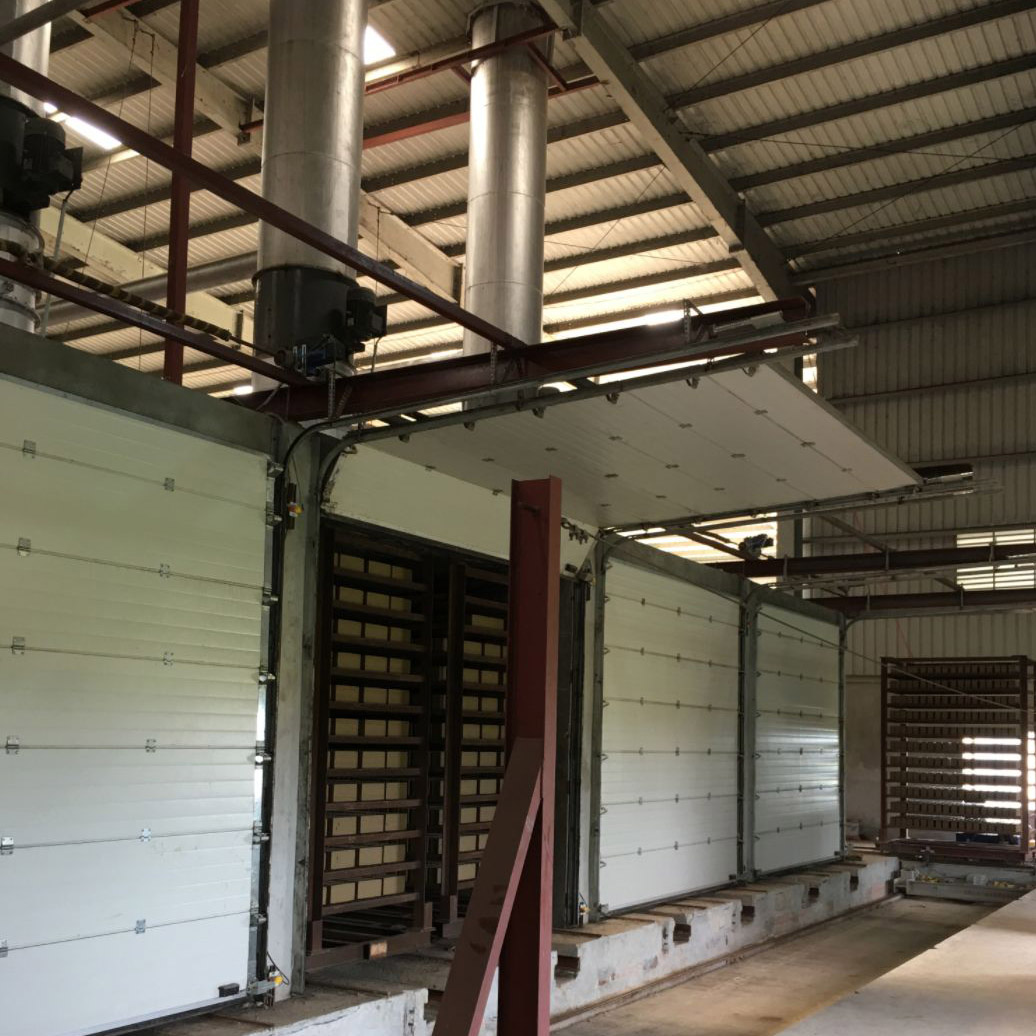
Integrating computerized heat circulation that recycles kiln waste warmth directly into single-layer chamber dryers, minimizing Polish gas and biomass consumption.
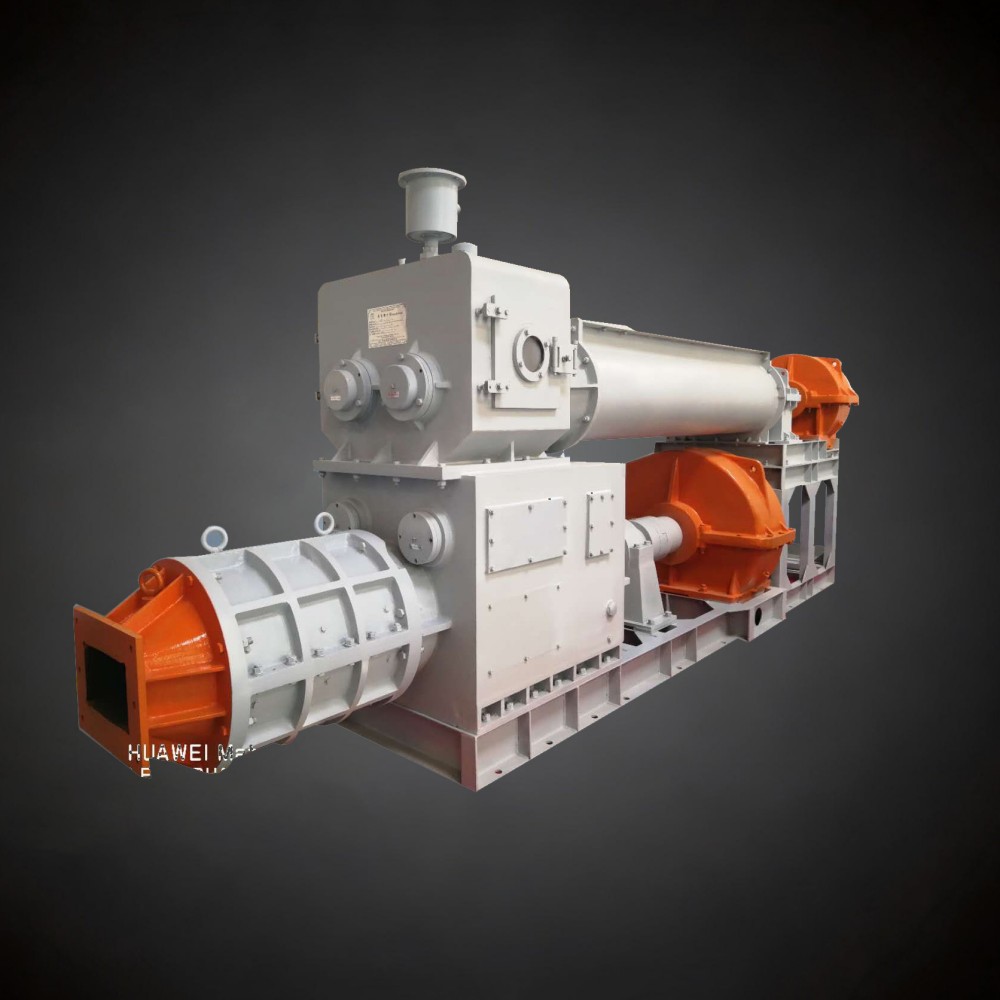
Dual-stage de-airing extruders delivering column pressures upwards of 3.5 MPa, ensuring dense acoustic walls and flawless thermal void geometries.
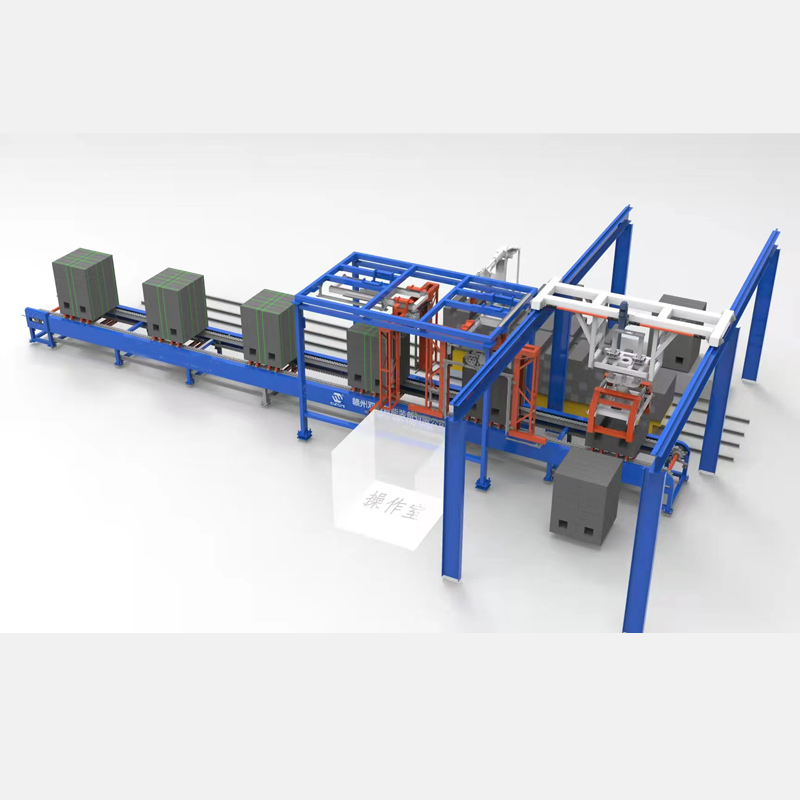
Automated strapping and stretch-hood bundling meeting Polish transport regulations (ITB certified), curbing pallet transit damage down to below 0.2%.
Three cardinal developments are determining the trajectory of Polish brick enterprises over the current decade:
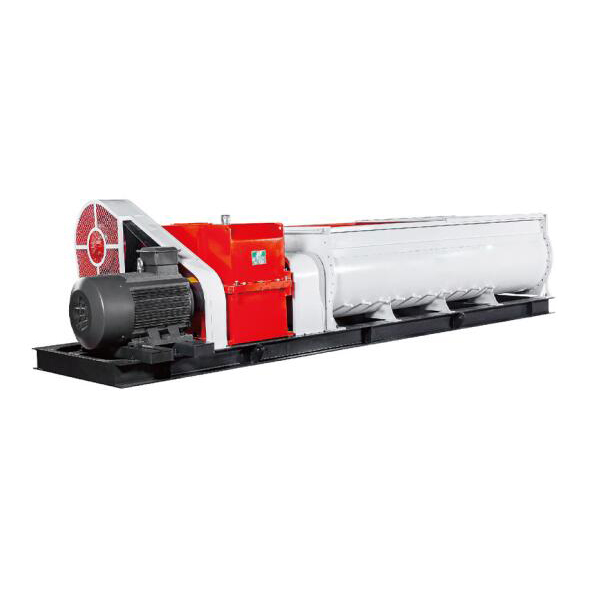
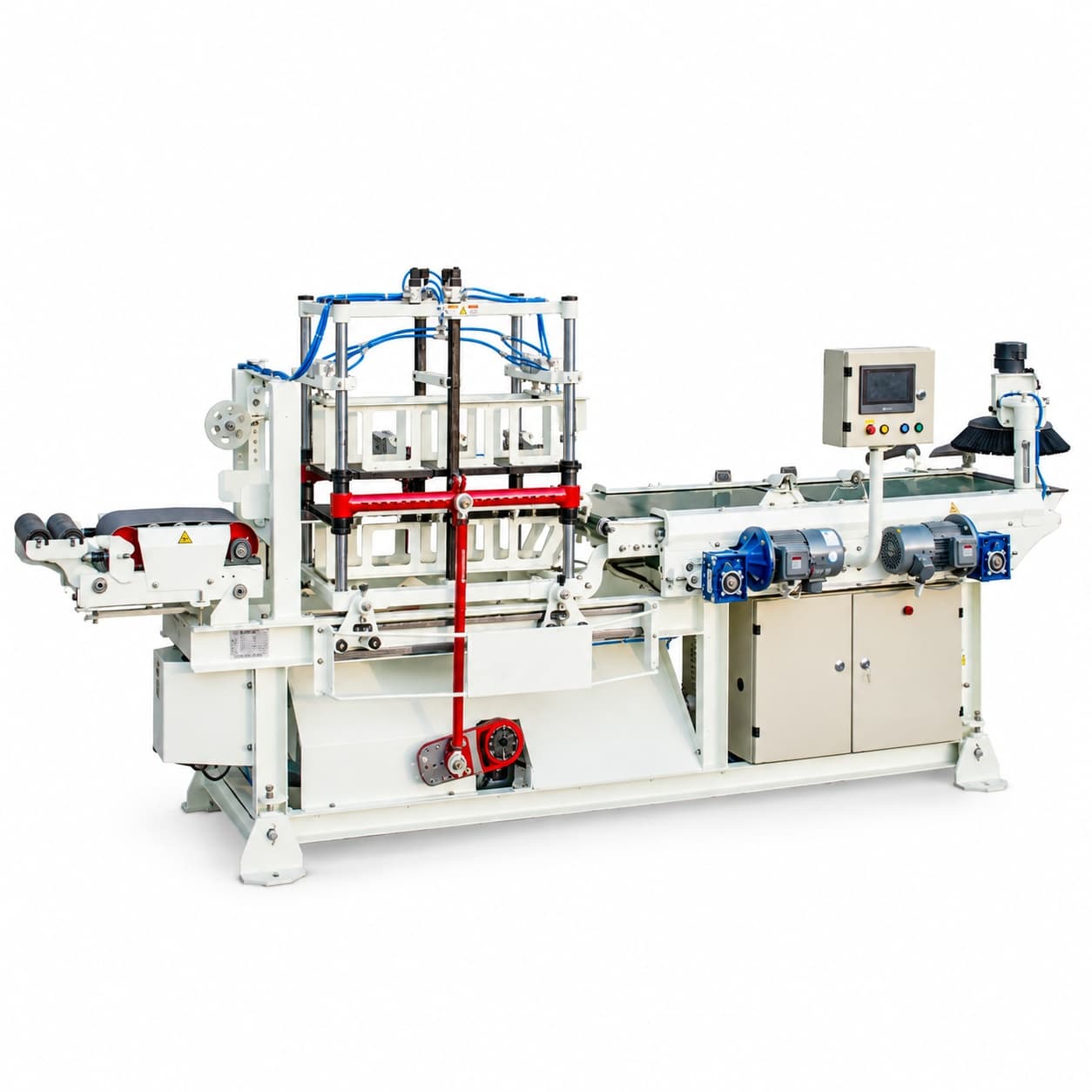
1. Thermal Insulation and High-Perforation Clay Blocks: Poland’s standard Building Regulation WT 2021 tightened heat transfer coefficients (U-values) for external walls to U ≤ 0.20 W/(m²·K). To comply without overly thick insulation coatings, modern ceramic brickworks rely on ultra-precise automated extruders and CNC wire cutters to fabricate thin-walled honeycomb blocks with void ratios of 50% to 60%. These intricate designs mandate homogenous paste blending, achieved via high-torque double shaft mixers, and zero-deflection servo cutting heads.
2. Urgent Plant Modernization against High Energy Costs: Following geopolitical shifts and changes in continental pipeline allocations, Polish manufacturing facilities have faced sharp fluctuations in primary energy expenses. Legacy Hoffman kilns and uninsulated chamber dryers are commercially unviable. Smart enterprises are replacing outdated systems with automated tunnel dryers and internal & external firing tunnel kilns that optimize heat recovery from cooling zones back to green brick preheating chambers.
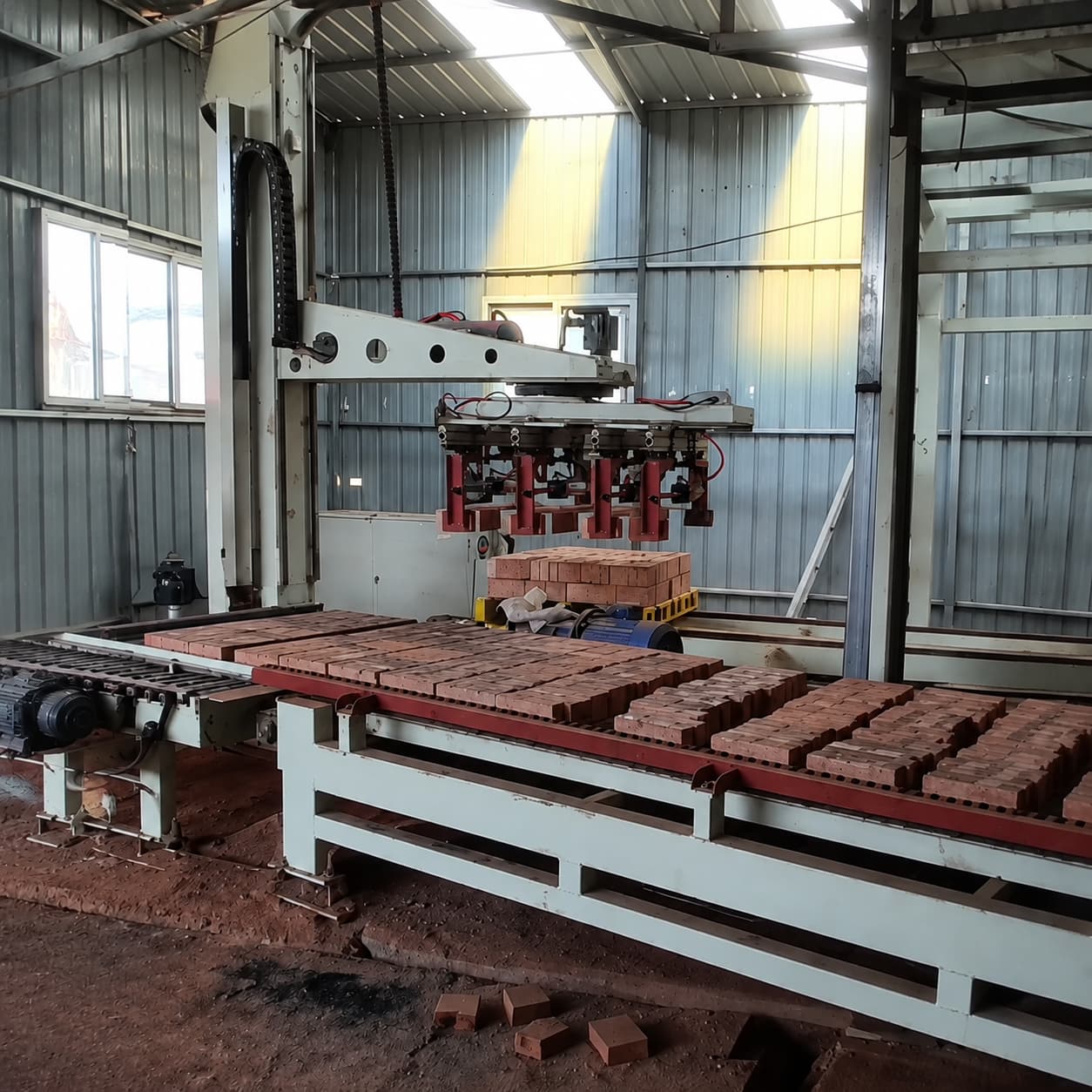
3. Deep Automation and Labor Replacement: Poland's industrial unemployment remains near historic lows, making it difficult for brick factories in rural regions to staff heavy physical roles. Automatic brick setting robots, high-speed rotary kiln transfer cars, and full automatic brick strapping and bundling machines allow plants to run continuous 24/7 shifts with only 2 to 4 supervisory technicians per shift.
ESTABLISHED 2009
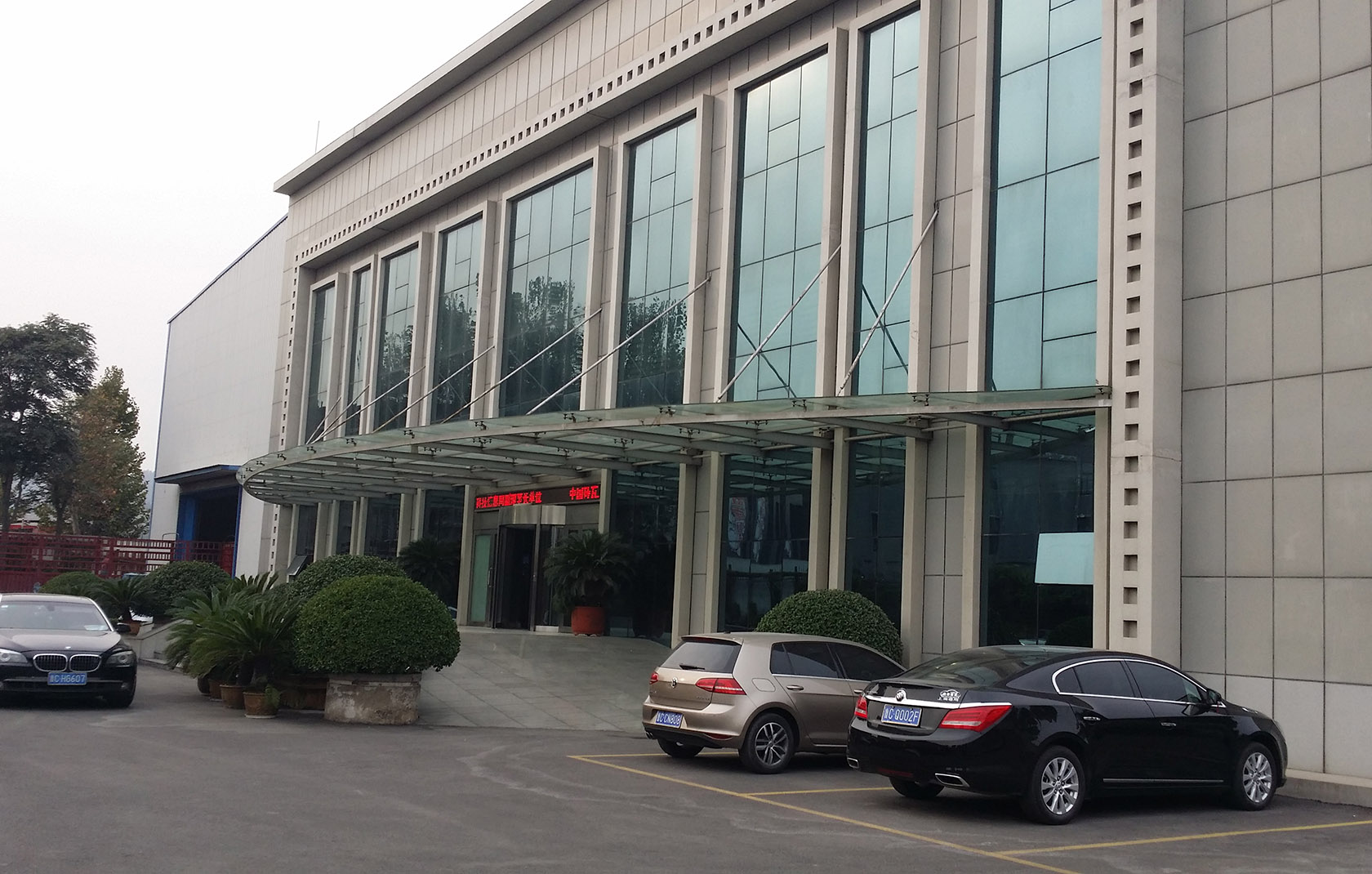
We Henan Cadier Green Building Technology Co.,Ltd are dedicated to the overall solution of large-scale production line of new energy-saving and environmentally friendly wall materials and the integration of high-end building resources since 2009.
Our company covers an area of 41,000 square meters, including 15,600 square meters for production workshops and 4,000 square meters for office, R&D centers and supporting buildings. It currently has multiple engineers and more than 60 mid-to-senior technical personnel.
For Polish plant investors, Cadier combines advanced structural engineering, European machinery directive alignment, and bespoke manufacturing capacity to provide complete production infrastructure, ranging from raw material crushing to automated packaging.
We supply all the high end equipment related with bricks and tile production, such as:
As of today, we have obtained more than 100 patents for brick kiln. We continuously enhance our technical capabilities to strive to provide customers with efficient and high-output automated brick factories that align with Polish and European technical benchmarks.
Matching custom brick equipment engineering with regional clay profiles, historical architectural restoration, and commercial infrastructure.
Producing precision tongue-and-groove ceramic blocks (equivalent to Polish class 10/15 MPa formats) that allow rapid mortarless or thin-bed joint laying, accelerating residential erection in Poznań and Gdańsk.
Engineering dense, low water absorption (
Supplying variable pressure extrusion dies and wire trimming heads to reproduce authentic dimensions for historic monument preservation in Toruń, Malbork, and Kraków old town districts.
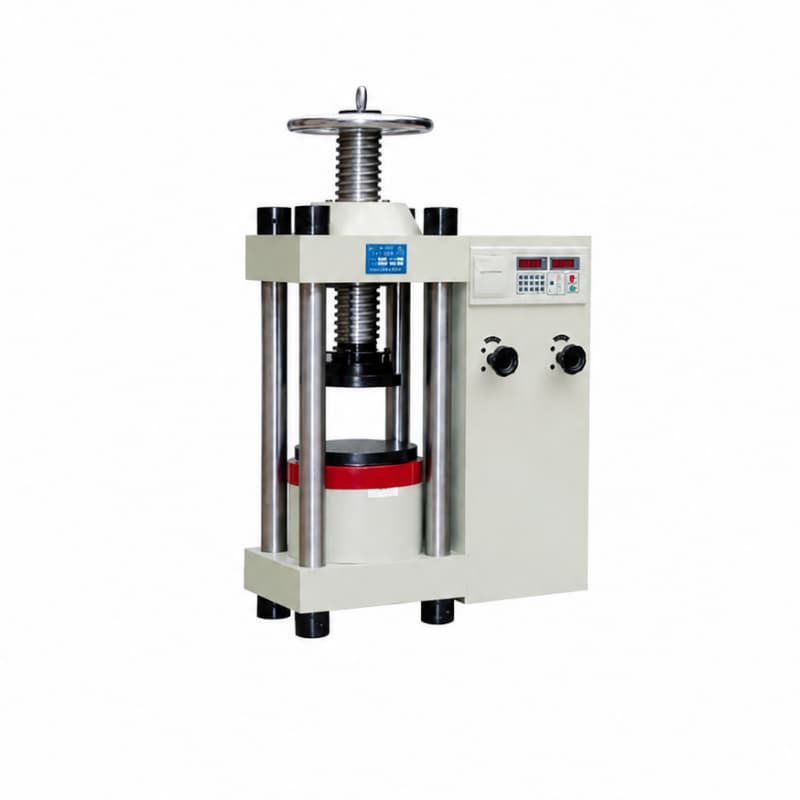
In addition to traditional ceramic construction, Polish industrial manufacturers increasingly utilize Cadier heavy machinery to upcycle mineral waste from hard coal extraction in Upper Silesia into lightweight ceramic aggregates and structural blocks. By utilizing digital hydraulic compressive strength testing equipment right on site, local factory operators confirm structural integrity according to PN-EN 772-1 standards before dispatching goods to commercial building yards.
From initial geological raw material testing to automated factory erection and full lifecycle operational telemetry.
Ensuring customers' peace of mind through a comprehensive service ecosystem and advanced testing capabilities.
Our company provides one-stop service, ensuring customers' peace of mind. Our company is equipped with a complete set of raw material testing and inspection equipment, as well as remote services. We provide comprehensive technical support to customers from factory design, brick machine equipment selection, brick plant construction, to the later operation of the brick plant.
Topographic layout, thermodynamic kiln modeling, and custom extruder capacity calculation tailored for Polish clays.
Precision mechanical on-site assembly, tunnel kiln refractory masonry construction, and electrical PLC synchronization.
Dryer balance testing, real-time cloud SCADA telemetry diagnostics, and remote operator training for zero downtime.
Continuous spare parts provision, mold wear optimization, and furnace thermal efficiency upgrades throughout the plant lifecycle.
Bringing international engineering expertise and proven durability to the Polish and European manufacturing landscapes.
Our company insists on taking the road of high-end brands and has won praise from customers all over the world. Since the establishment of the company, we have exported more than 300 production lines in more than 40 countries.
While leaving the footprints of our times in the history of the world's bricks and tiles, Henan Cadier Green Building Technology Co., Ltd. insists on being "the spreader of brick and tile culture, and the protector of natural life."
Explore our complete catalog of high-efficiency machines configured for Polish ceramic plants, refractory producers, and building material suppliers.