请留言
High-performance automated equipment engineered to maximize throughput, optimize thermal energy efficiency, and deliver dimensional uniformity compliant with Brazilian ABNT construction standards.
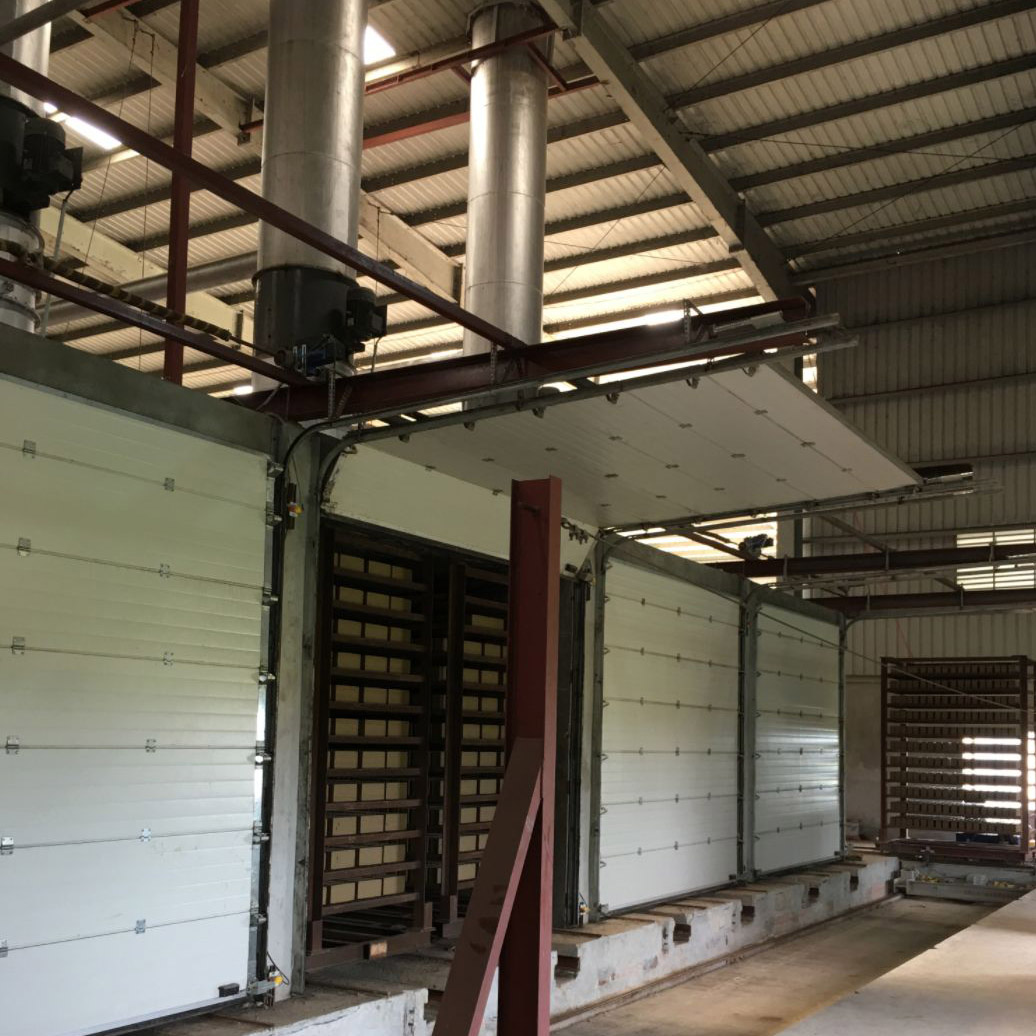
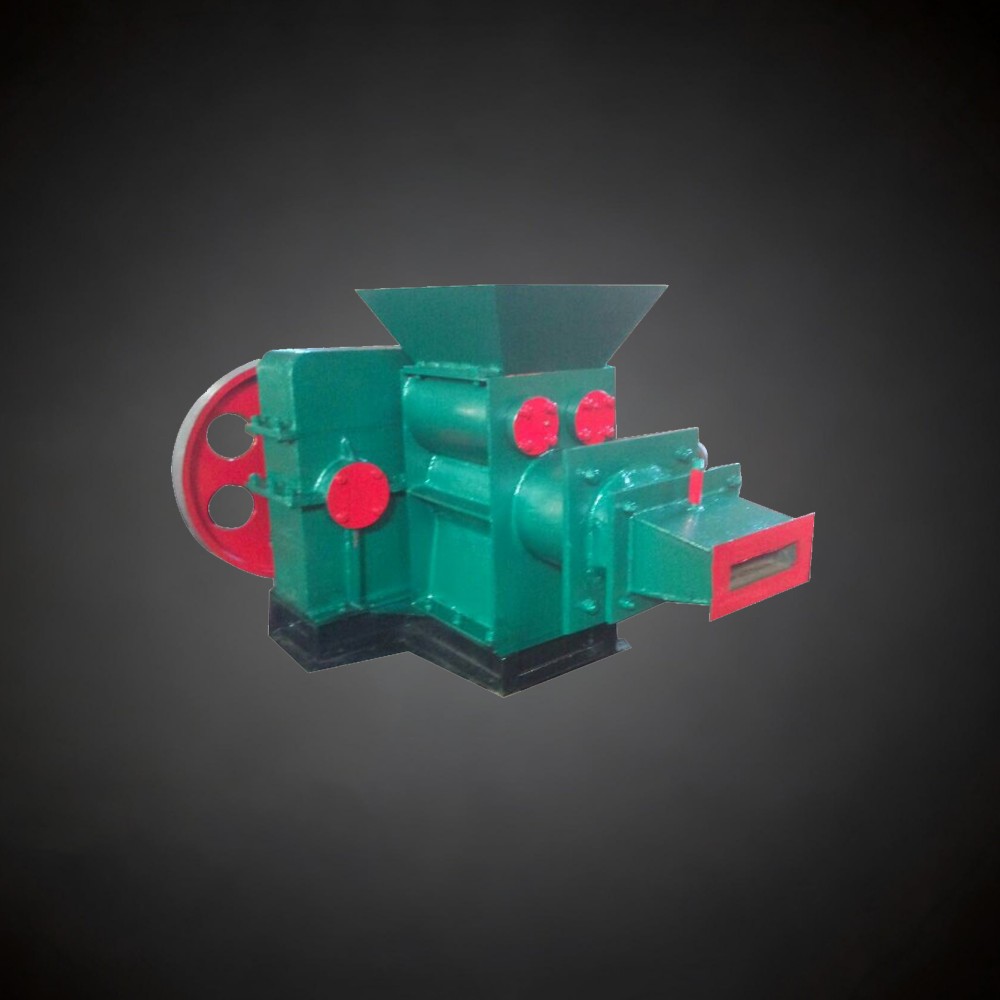
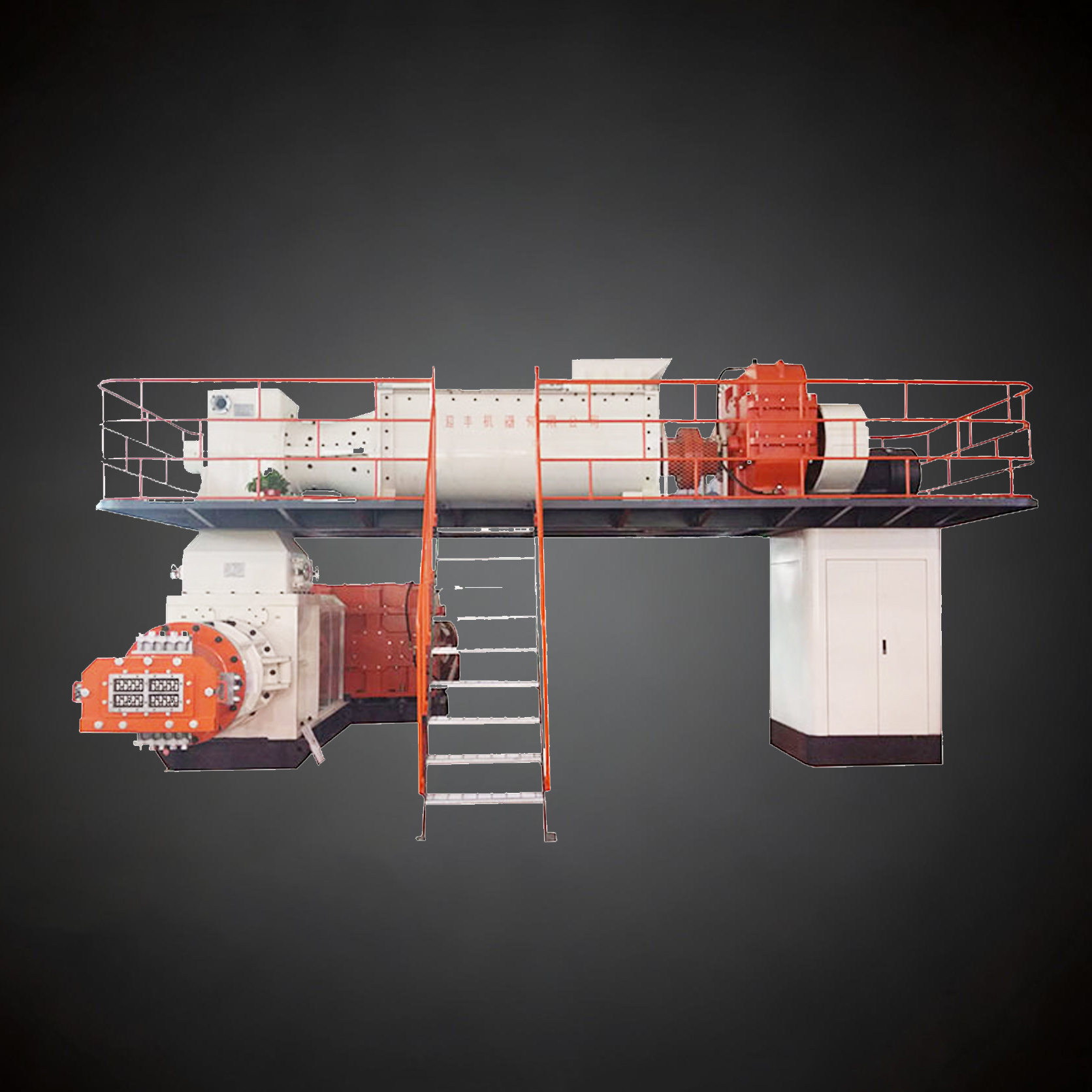
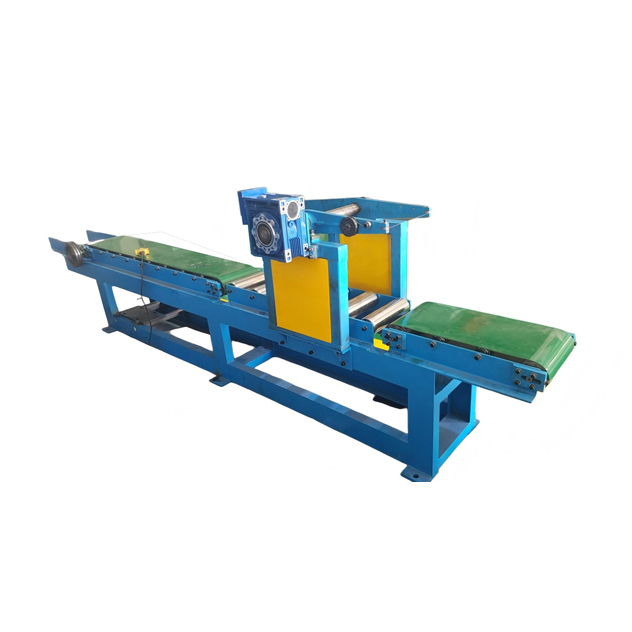
Brazil represents Latin America's largest market for structural ceramic products. As governmental housing programs, urbanization, and sustainable industrial protocols evolve, traditional brickyards are rapidly shifting to modern automated brick factories.
Brazil's structural ceramic sector, widely recognized as the Indústria de Cerâmica Vermelha, encompasses more than 6,000 industrial units distributed across strategic hubs including São Paulo (Tatuí, Itu, and Tambaú), Minas Gerais, Goiás, Santa Catarina, Bahia, and Rio Grande do Sul. Traditionally reliant on labor-intensive manual operations, intermittent wood-fired kilns, and artisanal presses, Brazilian brick producers face growing economic and environmental pressures. Rising labor overheads under strict Brazilian labor law (CLT), escalating fuel prices, and stringent inspections by environmental authorities (such as IBAMA and state environmental agencies like CETESB) are making manual brickworks economically unviable.
To remain competitive, forward-looking Brazilian ceramic entrepreneurs are transitioning to fully automated brick making lines. By integrating high-vacuum de-airing extruders, computerized robotic brick cutters, automated car-loading stackers, and multi-chamber tunnel kilns, Brazilian brickmakers can reduce operating payroll by up to 65% while multiplying their daily commercial output by 400%.
Modern construction projects across Brazil require strict compliance with ABNT NBR 15270 (Ceramic blocks for structural and masonry systems) and ABNT NBR 15575 (Building performance standard). Our automated brick machinery is engineered to guarantee perfect dimensional consistency, sharp angles, compressive strengths exceeding 4.0 to 10.0 MPa, and optimized water absorption rates under 18%, enabling Brazilian producers to secure lucrative contracts with national construction developers.
The expansion of federal infrastructure initiatives such as Minha Casa, Minha Vida generates steady nationwide demand for high-volume, standardized modular masonry blocks (Tijolo de 6, 8 e 9 furos). Automated plants run non-stop to fulfill government-subsidized urban construction targets.
Brazilian ceramicists lead Latin America in alternative biomass utilization, including sawdust, rice husks, and cultivated eucalyptus chips. Our specialized automated tunnel kilns deliver continuous temperature automation with minimal thermal waste and zero smoke pollution.
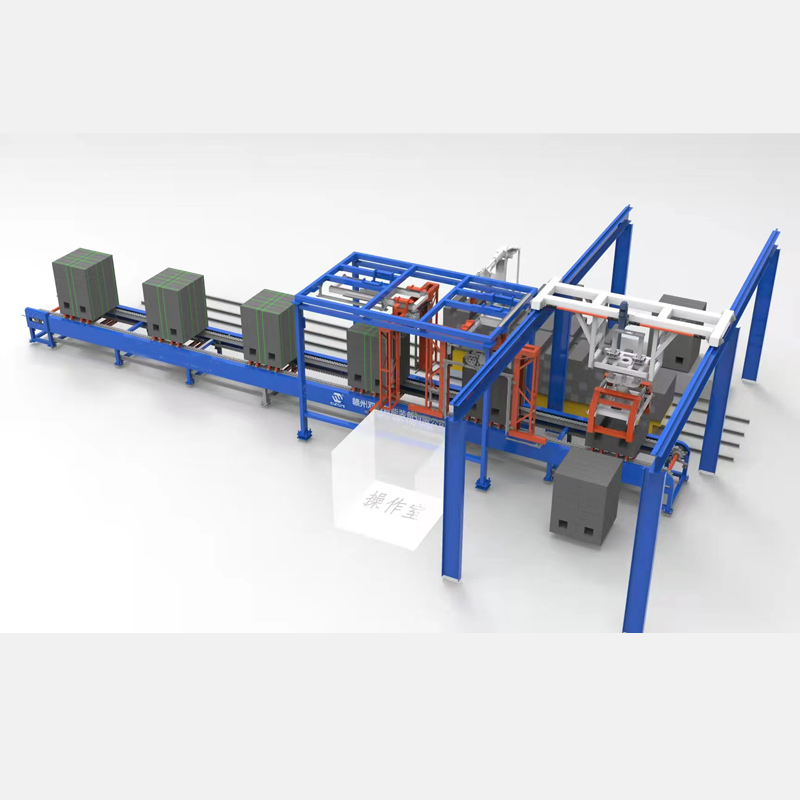
Manual stacking in high temperatures has become obsolete. Modern Brazilian ceramics are deploying automated robotic setting machines, strapping systems, and pallet wrappers that eliminate worker physical strain while safeguarding finished bricks from transit breakage across long highway networks.
Brazil's geological diversity presents unique challenges—from highly plastic tropical alluvial clays to abrasive shale reserves. Our complete plant engineering adapts seamlessly to local regional raw materials.
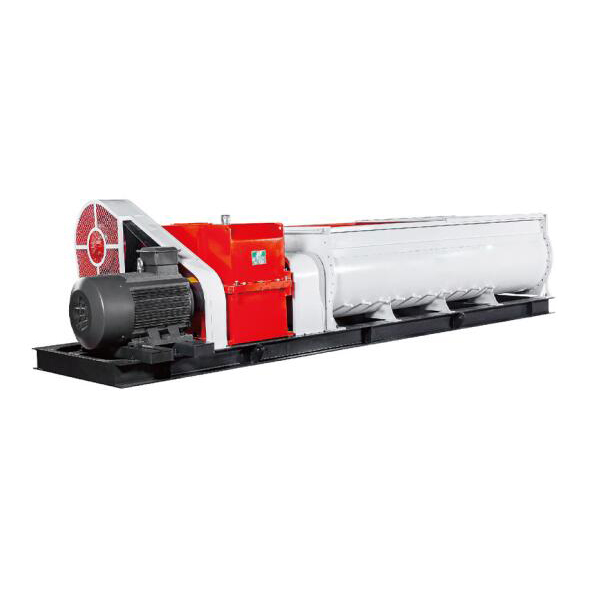
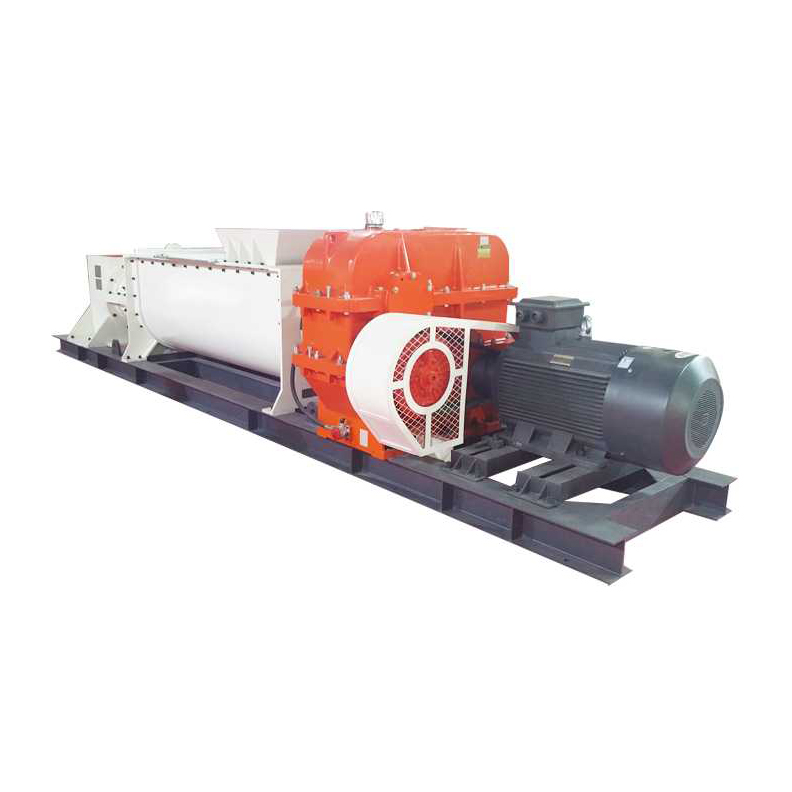
Brazilian clay soils, commonly referred to as argila de várzea and argila de morro, exhibit high plasticity indexes (IP > 20%) and variable natural moisture content depending on the rainy season (November to March). Without heavy-duty processing, this causes high extrusion resistance, nozzle wear, and severe drying cracks. Cadier's double shaft soil mixers and extruding single shaft mixers deliver extreme crushing and blending shear, breaking down hard conglomerates and ensuring homogeneous moisture dispersion for smooth high-pressure extrusion.
Our automated extrusion dies and cutting modules are customized specifically for standard Brazilian market profiles:
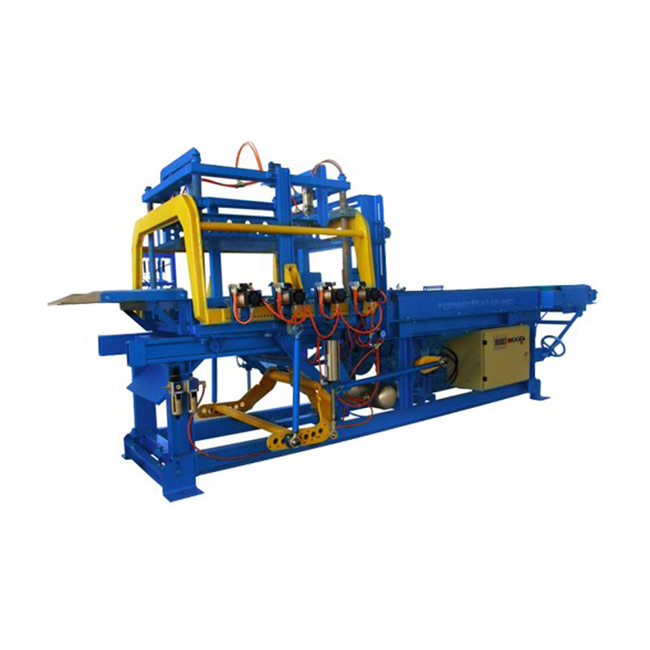
Utilizing high-torque servo-driven cutters ensures zero deformation of the internal web walls (*septos internos*), guaranteeing optimal load-bearing strength and acoustic insulation ratings.
One of the primary bottlenecks in Brazilian ceramic manufacturing is open-air drying sheds (*galpões de secagem natural*), which rely completely on weather conditions and take between 7 to 15 days, occupying massive plant areas and suffering high spoilage during rainy periods.
Our Single-Layer Chamber and Rapid Tunnel Dryers shorten the entire drying cycle from 10 days to just 90 to 180 minutes. By reusing waste heat channeled directly from the tunnel kiln cooling zone, the drying system operates with nearly zero additional thermal expenditure, maintaining continuous year-round productivity regardless of external tropical rainstorms.
Converting an average 50,000 bricks/day olaria to a fully automated Cadier extrusion line yields an average payback period of 14 to 22 months, achieved through a 70% reduction in broken rejects, significant biomass fuel savings, and higher retail prices commanded by ABNT-certified structural blocks.
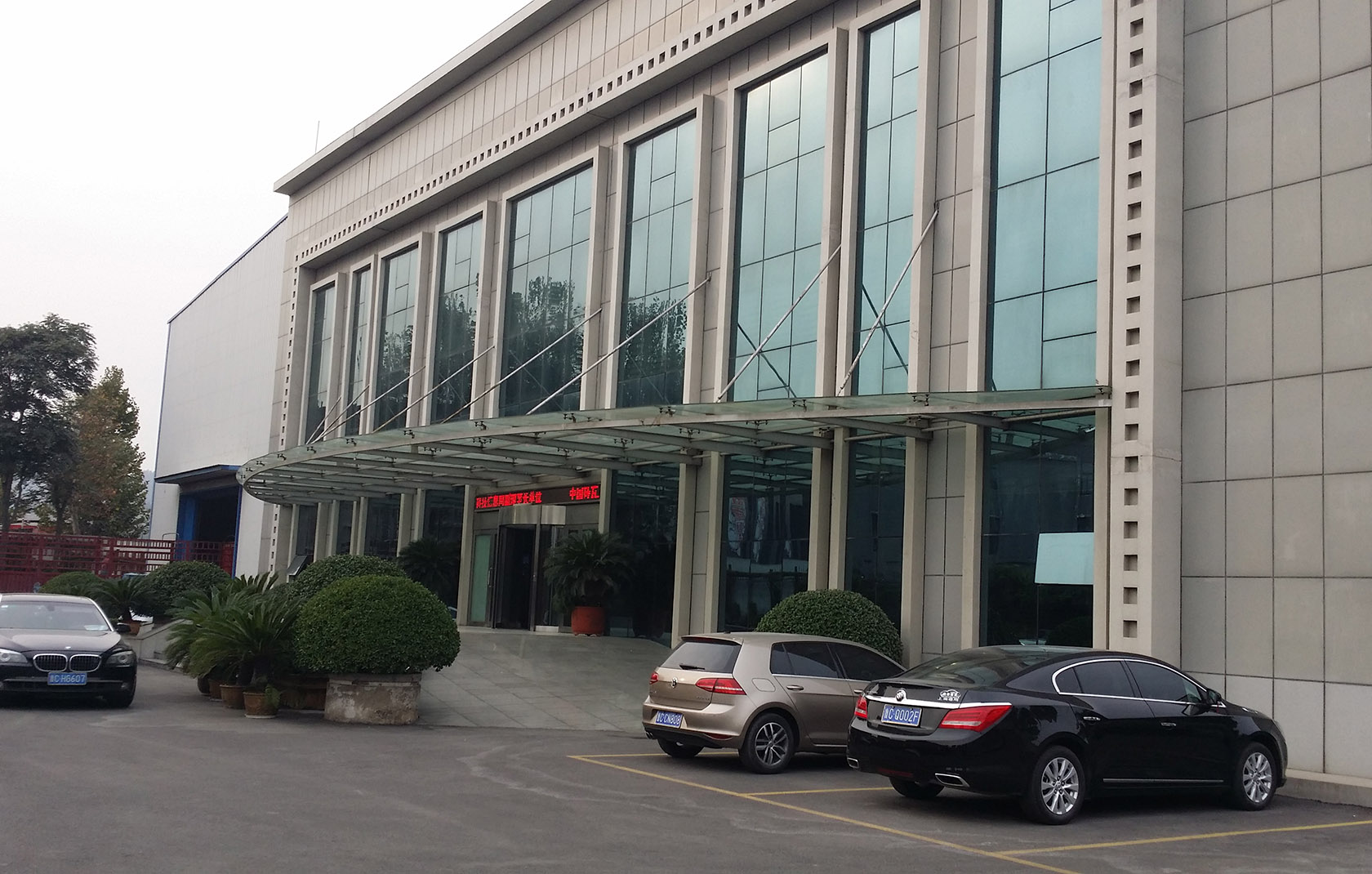
We Henan Cadier Green Building Technology Co.,Ltd are dedicated to the overall solution of large-scale production line of new energy-saving and environmentally friendly wall materials and the integration of high-end building resources since 2009.
Our company covers an area of 41,000 square meters, including 15,600 square meters for production workshops and 4,000 square meters for office, R&D centers and supporting buildings. It currently has multiple engineers and more than 60 mid-to-senior technical personnel.
With advanced manufacturing facilities, precision CNC machinery, and rigorous quality inspection laboratories, we supply fully integrated turnkey brick manufacturing plants customized to meet the distinct geological, economic, and logistical landscapes of international clients, with dedicated focus on Brazilian and South American ceramic manufacturers.
We supply all the high end equipment related with bricks and tile production, engineered for extreme duty cycles, longevity, and high volumetric output:
As of today, we have obtained more than 100 patents for brick kiln. We continuously enhance our technical capabilities to strive to provide customers with efficient and high-output automated brick factories.
Ensuring customers' peace of mind through a comprehensive service ecosystem and advanced testing capabilities. We provide comprehensive technical support to customers from factory design, brick machine equipment selection, brick plant construction, to the later operation of the brick plant.
Topographical analysis, raw material laboratory evaluation, 3D plant CAD layout design, and precision machinery sizing tailored to target capacity.
On-site civil guidance, structural kiln refractory construction, heavy machinery mechanical and electrical assembly, and pneumatic integration.
Dry run and hot commissioning, kiln thermal curve tuning, PLC automation synchronization, and 24/7 cloud telemetry diagnostics.
Operator training, regular maintenance protocols, wear-resistant spare parts delivery, and long-term production optimization audits.
Browse our complete range of specialized equipment engineered for raw material processing, soil homogenizing, vacuum extruding, precision block cutting, tunnel drying, and robotic packaging.